- Home
- About Us
- Products
- Solution
- Application
- News
- FAQ
- Contact Us
Leave Your Message
Advanced cold roll forming machinery designed for high-rise fire prevention components
Modern high-rise commercial offices represent some of the most complex engineering challenges of our time. With thousands of occupants working hundreds of feet above ground level, the structural integrity of safety systems cannot be compromised. Among these systems, passive fire containment and air safety isolation are absolute priorities. Strut channels, cold-formed by high-precision strut channel machines, serve as the indispensable skeletal framework that supports these life-saving systems.
In the event of a fire, high-rise buildings rely heavily on compartmentalization to prevent the spread of toxic gases, smoke, and flames. Strut channels support the heavy-duty fire dampers, smoke barriers, and ventilation ductwork that isolate zones and buy critical time for evacuation.
Passive fire containment involves structural barriers designed to limit the spread of fire and smoke within specific zones. Unlike active systems such as sprinklers, passive systems are always ready and do not require power or water activation. Air safety isolation, on the other hand, ensures that toxic smoke—the primary cause of fatalities in high-rise fires—is not drawn into the building's central HVAC system and distributed to unaffected floors.
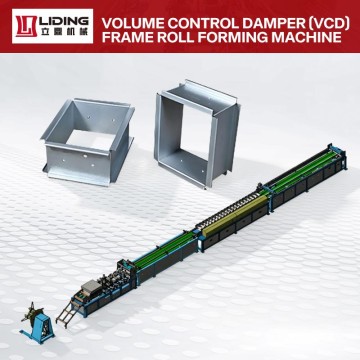
To achieve this, high-rise designs require robust ducting networks, automatic fire dampers, and seismic-rated support systems. This is where the strut channel becomes critical. Strut channels act as the primary mounting system for heavy fire damper frames, volume control dampers (VCDs), and pressurized air ducts. If the strut channel supports fail during a fire, the entire containment barrier collapses, rendering the safety system useless. Therefore, manufacturing these channels with extreme structural uniformity and strength is paramount.
The global construction market is experiencing a significant shift toward stricter building safety codes. Organizations such as the National Fire Protection Association (NFPA) and the International Building Code (IBC) have updated standards for high-rise commercial structures. These standards mandate seismic-resistant supports and fire-rated installations for all MEP (Mechanical, Electrical, and Plumbing) services.
This regulatory environment has driven an unprecedented surge in demand for metal strut channels. Contractors and MEP engineers require channels that meet exact load-bearing specifications, feature precise slot patterns for quick installation, and possess consistent anti-corrosive and fire-resistant coatings. For manufacturers, meeting this demand manually or using outdated equipment is impossible. The industry has shifted entirely toward fully automated strut channel roll forming lines capable of high-speed, high-accuracy production.
High-rise offices are subjected to constant dynamic forces, including wind loads, thermal expansion, and potential seismic activity. Support structures must be engineered to withstand these loads. A strut channel machine must be capable of processing high-tensile steel (such as Q235, Q355, or stainless steel) with precision tolerances. The resulting channels must maintain their shape and load-bearing capacity even under the extreme thermal expansion that occurs during a localized fire, preventing the premature collapse of air safety isolation systems.
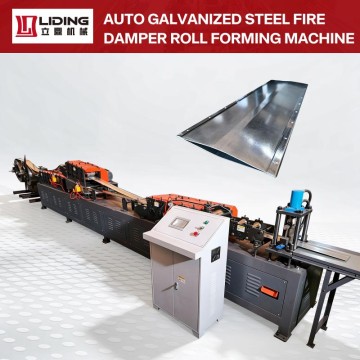
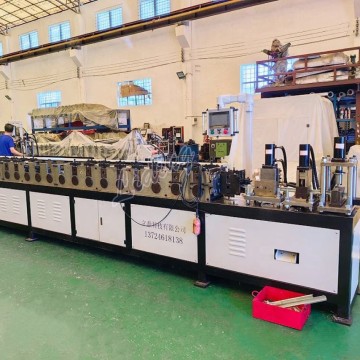
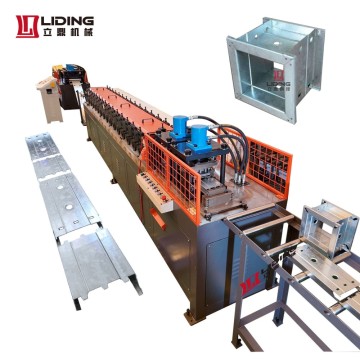
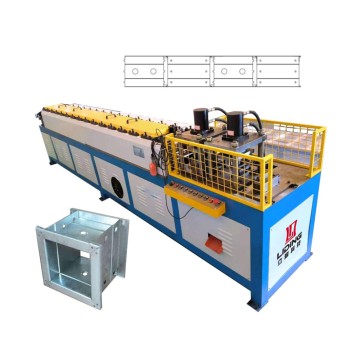
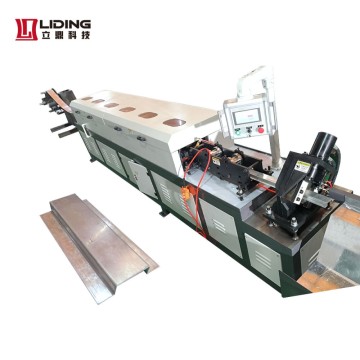
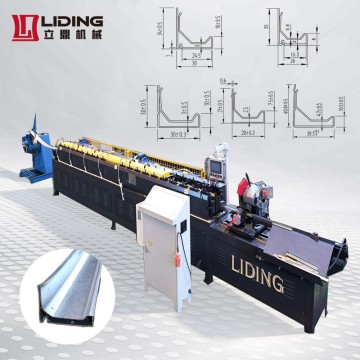
A modern strut channel machine is a marvel of industrial automation. The process begins with a heavy-duty decoiler feeding steel coil into a precision leveler. Because strut channels require slots and holes for mounting hardware, the line incorporates a high-speed hydraulic pre-punching station controlled by a closed-loop servo system. This ensures that hole placements are accurate to within fractions of a millimeter, which is crucial for quick alignment during high-rise installations.
After punching, the steel strip enters the roll forming machine. The forming process involves a series of progressive roll tooling passes (often 18 to 24 stations, depending on the complexity of the profile and material thickness). Each pass gradually bends the steel into the classic C-channel shape with inward-curved return lips. These return lips are critical, as they provide the gripping surface for channel nuts and accessories under load.
Once the shape is finalized, a servo-driven flying shear cuts the profile to length without stopping the production line. This continuous process maximizes throughput and ensures clean, burr-free cuts that prevent damage to protective coatings. Advanced PLC control systems allow operators to change length configurations and punching patterns on the fly, offering the modularity needed to produce custom lengths for specific high-rise zones.
Liding Machinery – Our core technical team boasts over 30 years of experience in cold-forming.
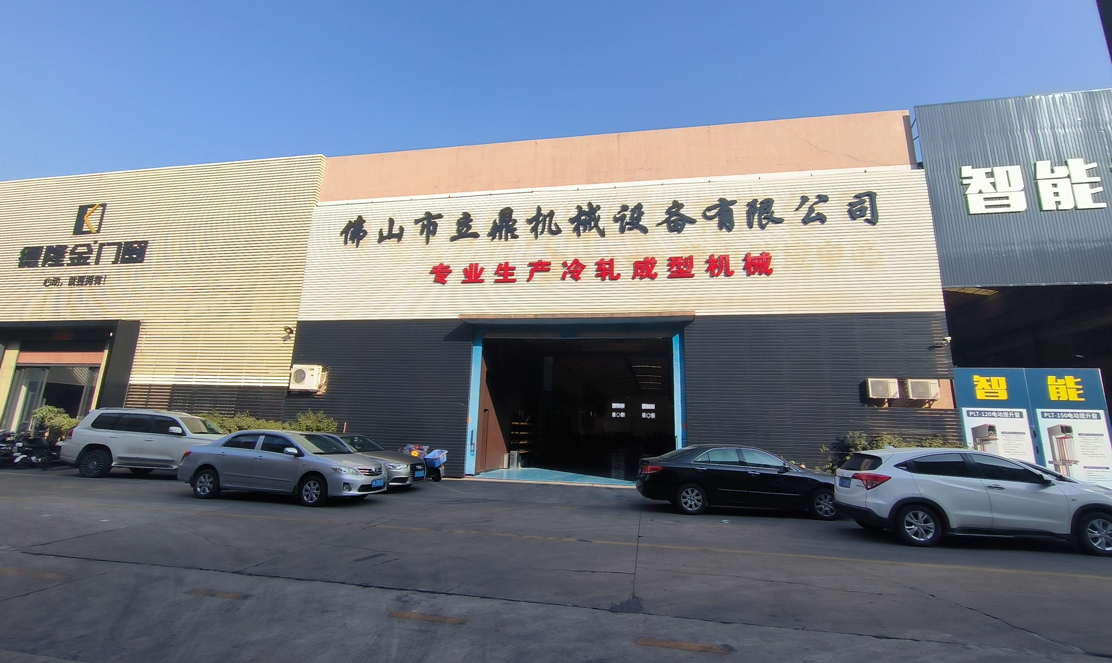
Foshan Liding Machinery Equipment Co., Ltd. was established in 2014, with a core team boasting over 25 years of experience in the cold-forming industry. We are a specialist manufacturer of metal roll forming equipment, dedicated to providing efficient, precise, and reliable customized production line solutions for global HVAC systems, building structures, and storage equipment sectors. We are not merely a machine supplier, but your strategic partner in product innovation and production efficiency enhancement.
We design and manufacture high-precision cold-forming equipment covering:
Why global manufacturers partner with Liding Machinery for safety-critical roll forming
In high-rise office towers, large HVAC duct networks pass through multiple fire compartments. At each boundary crossing, a fire damper is installed to automatically seal off the duct if high temperatures are detected. These heavy assemblies require robust support. Strut channels produced by our machines are fabricated into seismic trapeze hangers. They anchor the ducts securely to the concrete floor slabs, ensuring that even during structural vibrations, the air safety isolation system remains intact and functional.
When utility pipes, cable trays, and ventilation ducts penetrate fire-rated drywall partitions, they create potential paths for fire spread. Engineers use strut channel frame assemblies to reinforce these openings. The channels provide structural framing that holds fire-stop sealants and fireproof wraps in place under high pressure and heat, maintaining the integrity of the barrier partition.
Modern commercial offices feature extensive IT cabling and pneumatic piping networks. These systems are suspended from high ceilings using strut channel grids. During a localized fire, these grids prevent cables from dropping and blocking access paths or damaging smoke extraction ducts, ensuring that emergency communication and exhaust lines continue to operate.
As the construction industry moves toward green building standards and smart city designs, manufacturing technology must evolve. The future of strut channel production lies in Industry 4.0 integration. Real-time monitoring of roll pressures, material feed rates, and punching accuracy ensures zero-defect manufacturing. Additionally, the transition toward high-strength, lightweight alloys requires roll forming machines with advanced tension control to prevent material spring-back and micro-cracking.
Liding Machinery is at the forefront of this evolution, developing next-generation roll forming lines that incorporate remote diagnostics, energy-efficient servo drives, and rapid profile changeover mechanisms, allowing manufacturers to adapt quickly to changing design codes.
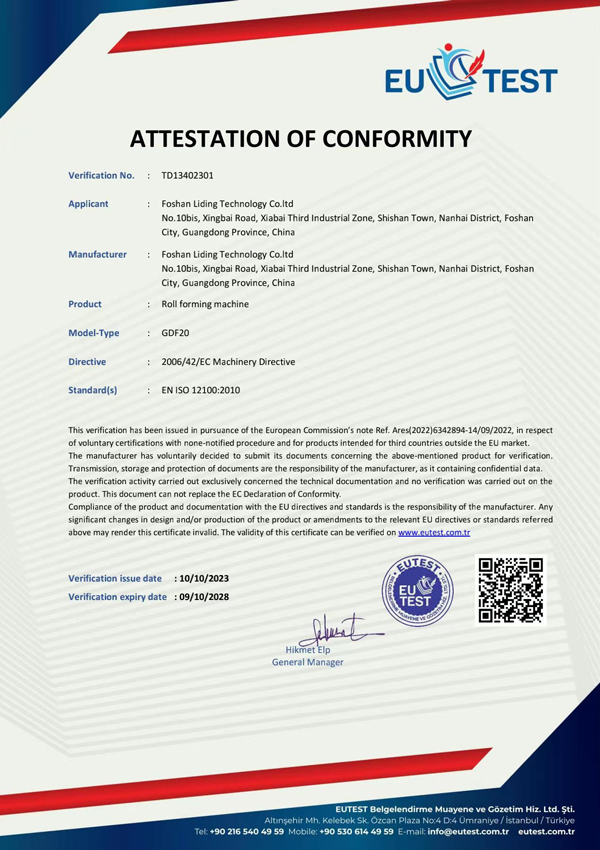
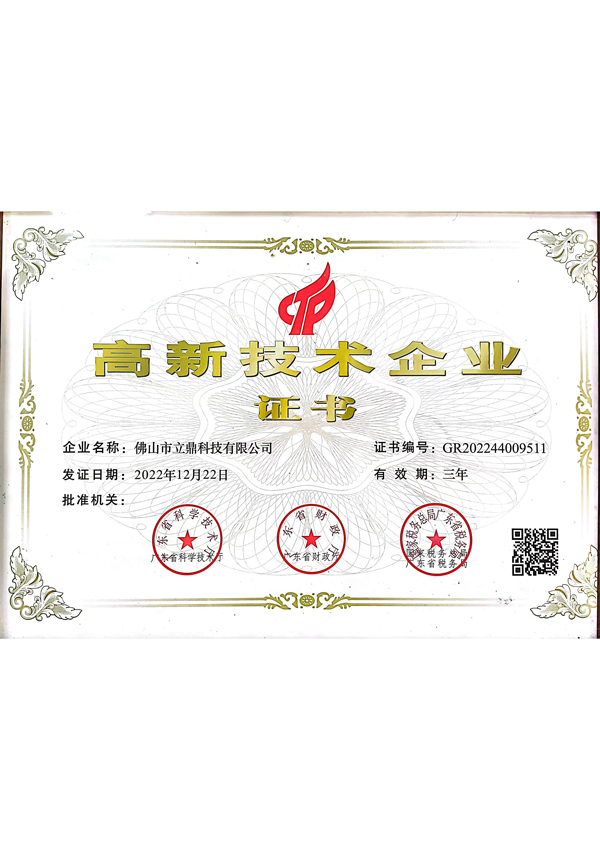
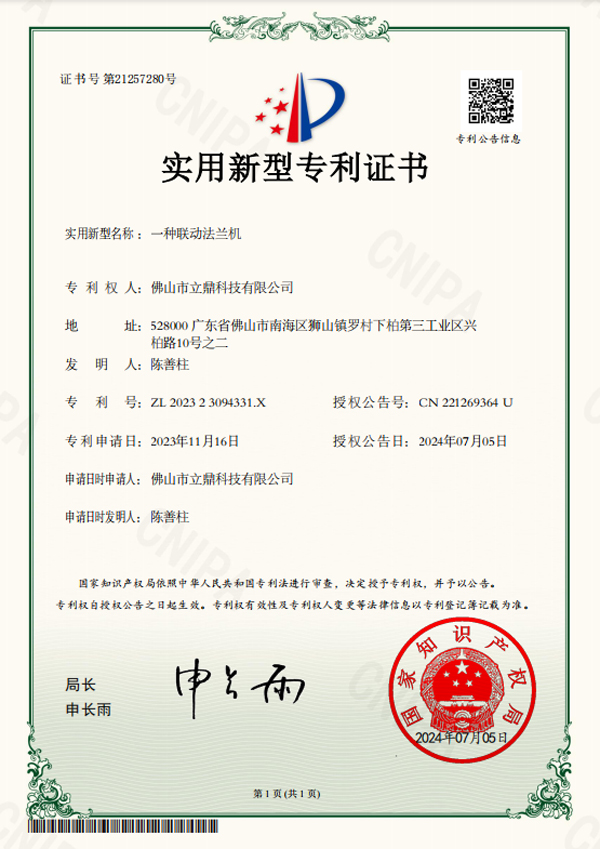
Our commitment to manufacturing excellence and international structural safety standards
Explore our full range of high-performance cold roll forming systems