
Leave Your Message
Precision-engineered strut channel and roll forming machines delivering structural integrity for air regulation damper casings in the harshest marine environments.
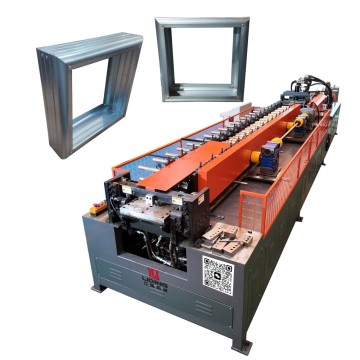
Marine HVAC Air Plenum & Damper Casing Roll Forming Machine | 15KW Offshore Ductwork Equipment LD-SF01
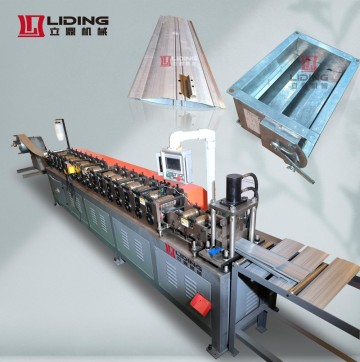
Offshore Platform Air Regulation Damper Blade Production Line | 4-Machine Integrated Marine VCD Louver Blade System
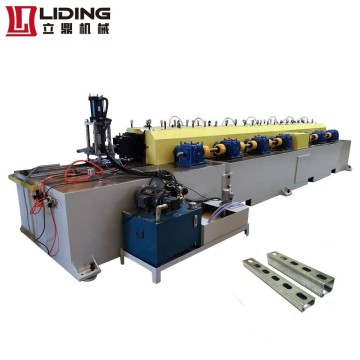
Marine Strut Channel Roll Forming Machine for Durable Damper Exterior Casing | Liding LD-S01 Unistrut
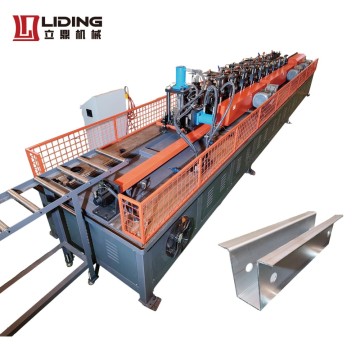
Omega Bracket Roll Forming Machine for Offshore Air Regulation Damper Support Structure & Exterior Casing
An in-depth exploration of industrial applications, market trends, and engineering breakthroughs in offshore air regulation systems.
As global maritime trade expands and offshore energy infrastructure grows more complex, the demand for robust, corrosion-resistant mechanical components has never been more critical. Among these, the strut channel machine plays a pivotal role in manufacturing the exterior casing of air regulation dampers deployed on marine vessels and offshore platforms — environments where structural failure is not an option.
A strut channel machine — also known as a unistrut roll forming machine — is a precision cold-forming system designed to continuously produce metal channel profiles from coiled steel strip. These channels serve as the primary structural skeleton for mounting, supporting, and encasing mechanical systems aboard ships, FPSOs (Floating Production Storage and Offloading units), oil rigs, and offshore wind platforms.
In marine and offshore environments, air regulation dampers are essential components of HVAC and ventilation systems, controlling airflow to maintain safe atmospheric conditions in engine rooms, crew quarters, cargo holds, and sensitive electronic spaces. The exterior casing of these dampers must withstand salt spray, extreme humidity, mechanical vibration, and thermal cycling — demands that require precision-formed strut channels manufactured to exacting tolerances.
Marine classification societies including DNV GL, Lloyd's Register, and ABS mandate that all structural components in offshore HVAC systems — including damper casings — meet stringent corrosion resistance, fire rating, and mechanical strength standards. Strut channel machines producing these components must deliver consistent dimensional accuracy within ±0.1mm to ensure compliance.
The global marine HVAC market was valued at over USD 3.2 billion in 2023 and is projected to exceed USD 5.1 billion by 2030, growing at a CAGR of approximately 7.2%. A significant portion of this growth is driven by new offshore platform construction, naval vessel modernization programs, and the rapid expansion of the offshore wind energy sector.
Air regulation dampers represent a critical sub-segment of this market. Every large commercial vessel requires hundreds of dampers — volume cargo ships may need 200–400 units, while large LNG carriers and offshore platforms can require 600–1,200 damper assemblies per project. The exterior casing for each damper is typically fabricated from galvanized steel, stainless steel (316L), or aluminum alloy channels — all materials ideally suited to continuous roll forming production via strut channel machines.
Manufacturers supplying the marine sector increasingly require in-house roll forming capability rather than outsourcing casing fabrication. This shift is driven by lead time pressures, quality control requirements, and the economic advantage of producing casings at a cost of USD 8–15 per unit versus USD 25–45 when outsourced. A single strut channel production line can pay back its capital cost within 12–18 months under typical marine component manufacturing conditions.
Modern strut channel machines increasingly feature full CNC control with servo-driven roll stations, automated punching modules, and integrated PLC systems. For marine damper casing production, this enables rapid changeover between different channel profiles (C, U, Omega, hat) without manual tooling changes — critical when producing mixed batches for complex offshore projects.
The offshore industry's shift toward duplex stainless steel and marine-grade aluminum alloys is driving demand for strut channel machines capable of processing harder, thinner materials at high speed. New roll tooling geometries and servo-controlled tension systems allow forming of 316L stainless at 0.8–2.0mm gauge without surface marring — essential for Class A fire-rated damper casings.
The explosive growth of offshore wind installations — projected to reach 380GW globally by 2030 — is creating massive new demand for marine-grade HVAC components. Each offshore wind turbine nacelle and transition piece requires precision ventilation damper assemblies, driving strut channel machine orders from wind energy OEMs at unprecedented rates.
Leading manufacturers now offer complete turnkey production lines integrating decoiling, roll forming, punching, cutting, and stacking in a single automated sequence. For marine damper casing production, this modular approach reduces floor space requirements by 40% and increases throughput from 8–12 meters per minute to 18–25 meters per minute.
Industry 4.0 integration is transforming strut channel machine operation. Digital twin technology allows manufacturers to simulate production runs, optimize roll tooling profiles, and predict maintenance requirements before physical production begins — reducing scrap rates from 3–5% to under 0.8% in marine component manufacturing.
Major shipbuilding nations — South Korea, China, Japan, and emerging hubs in Vietnam and the Philippines — are investing heavily in domestic roll forming equipment to reduce dependence on imported components. This is creating substantial demand for locally-manufactured strut channel machines capable of meeting international marine classification standards.
Floating Production Storage and Offloading vessels represent one of the most demanding applications for marine damper casings. Operating continuously for 20–25 years without drydocking, FPSO HVAC systems require damper casings with exceptional fatigue resistance. Strut channel machines producing these components must maintain profile tolerances of ±0.15mm across production runs exceeding 50,000 linear meters — a benchmark that modern servo-driven roll formers achieve consistently.
Naval applications impose the most stringent requirements of any marine sector. Submarine HVAC damper casings must withstand pressure differentials, electromagnetic compatibility (EMC) requirements, and acoustic signature management. Strut channel machines producing naval components typically operate with stainless steel or titanium alloy strip, requiring specialized roll tooling with hardened surfaces and precision-ground profiles.
On oil and gas platforms, air regulation dampers in hazardous areas must be housed in explosion-proof, ATEX-certified casings. The exterior casing profiles produced by strut channel machines for these applications require precise slot patterns for secure mounting in vibration-intensive environments, with dimensional consistency critical for achieving gas-tight seals required by ATEX Zone 1 and Zone 2 classifications.
Modern cruise ships feature highly complex HVAC zoning systems with thousands of individual damper units controlling airflow to passenger cabins, restaurants, entertainment venues, and engineering spaces. The aesthetic and functional requirements for these damper casings demand roll-formed strut channels with smooth, paint-ready surfaces and consistent geometry — achievable through precision strut channel machines with polished roll tooling.
Each offshore wind turbine nacelle contains sophisticated cooling and ventilation systems to protect electrical generators, gearboxes, and power electronics. Air regulation dampers within these systems require lightweight yet structurally robust casings — typically formed from marine-grade aluminum alloy using strut channel machines configured for non-ferrous material processing at speeds of 15–20 m/min.
Liquefied Natural Gas carriers require precisely controlled atmospheric conditions in cargo holds and interbarrier spaces to prevent gas accumulation and maintain cryogenic temperatures. Air regulation damper casings in these environments must function reliably at temperatures ranging from -163°C to +50°C, requiring strut channel machine-formed components from austenitic stainless steel grades that retain ductility at cryogenic temperatures.
Not all roll forming machines are equal when it comes to producing components for marine and offshore applications. Key technical parameters that distinguish marine-grade strut channel machine capability include:
Material compatibility: Processing of galvanized steel (Z275), stainless steel 304/316L, and marine aluminum alloys 5052/6061 at gauges from 0.8mm to 3.0mm. Dimensional accuracy: Profile tolerance ±0.1mm, length cutting accuracy ±0.5mm. Production speed: 15–25 m/min for standard carbon steel; 8–15 m/min for stainless steel. Punching capability: Integrated servo punch for mounting slots, cable entry holes, and drainage apertures compliant with marine classification standards. Surface quality: Polished roll tooling to Ra ≤ 0.8μm to prevent surface defects that could initiate corrosion in marine environments.
Foshan Liding Machinery Equipment Co., Ltd. has been at the forefront of precision roll forming technology since 2014, with a core engineering team carrying over 30 years of cold-forming expertise. Our strut channel machines and HVAC component roll forming lines are engineered specifically to meet the demanding requirements of marine and offshore manufacturing environments.
We understand that producing exterior casings for air regulation dampers in marine and offshore applications is not simply a metalworking task — it is a precision engineering challenge that directly impacts the safety and operational efficiency of vessels and platforms worth hundreds of millions of dollars. Our machines deliver the dimensional consistency, material flexibility, and production reliability that marine component manufacturers require.
With over 2,000 roll forming machines operating across more than 50 countries — including major shipbuilding hubs in Southeast Asia, the Middle East, and Europe — Liding Machinery has the proven track record and global service network to support your marine manufacturing operations wherever they are located.
Trusted by marine and offshore manufacturers across six continents for precision roll forming solutions.
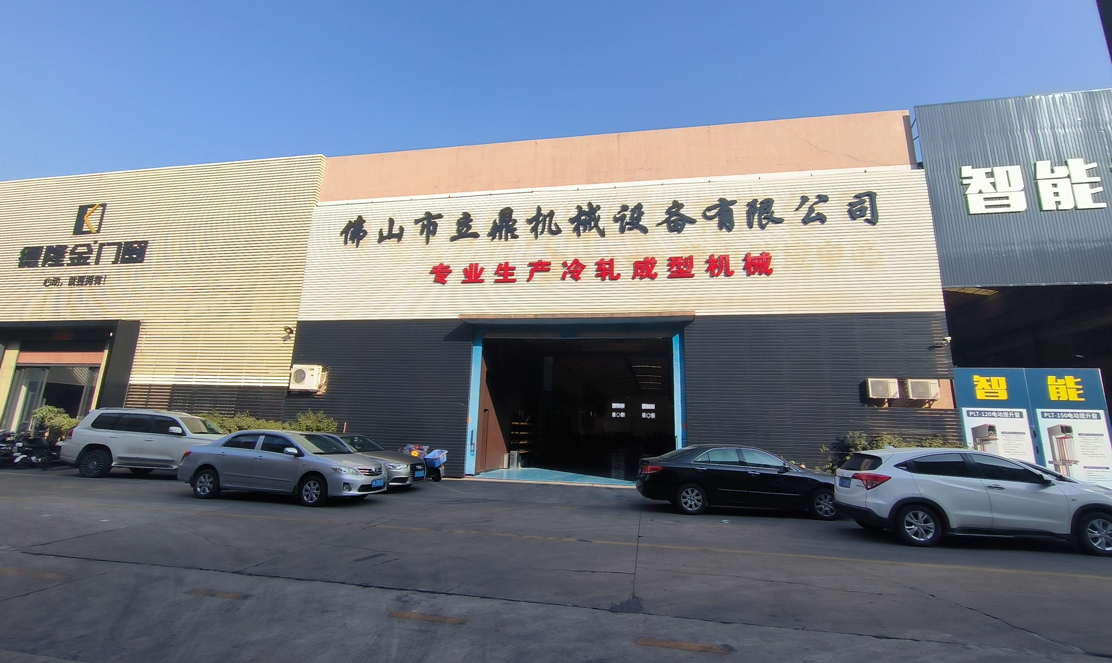
Foshan Liding Machinery Equipment Co., Ltd. was established in 2014, with a core team boasting over 25 years of experience in the cold-forming industry. We are a specialist manufacturer of metal roll forming equipment, dedicated to providing efficient, precise, and reliable customised production line solutions for global HVAC systems, building structures, and storage equipment sectors.
We are not merely a machine supplier — we are your strategic partner in product innovation and production efficiency enhancement. For marine and offshore damper casing manufacturers, this means we work with your engineering team to optimize channel profiles for maximum structural performance and minimum material consumption.
Four pillars of engineering excellence that make Liding Machinery the preferred partner for marine and offshore strut channel production.
25+ years of experience in cold-forming technology, with a dedicated R&D team of over 10 engineers continuously advancing roll forming precision for marine-grade component manufacturing.
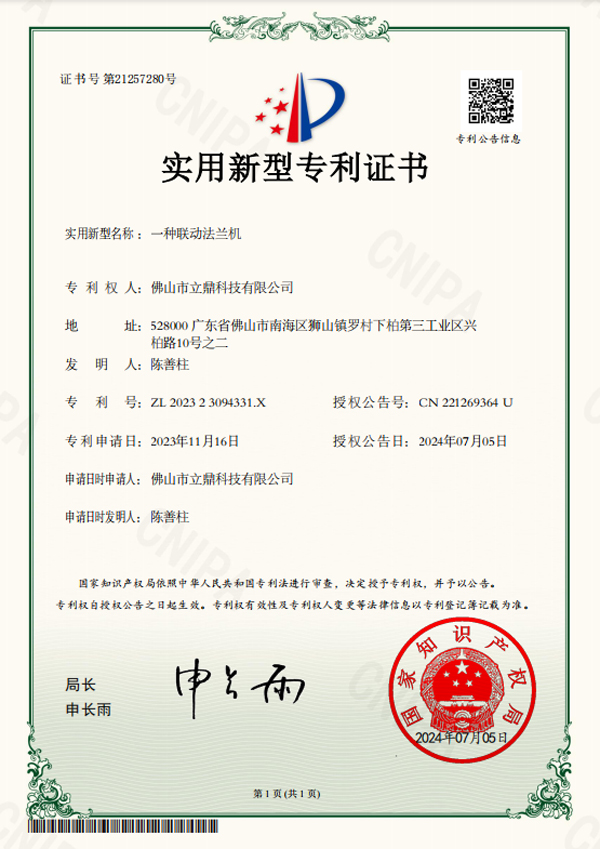
Proprietary anti-seismic bracket patented technology ensures safe, reliable performance in the high-vibration environments characteristic of marine vessels and offshore platforms.
Fully customized solutions on demand — from initial blueprint review through prototype validation to full-scale mass production of marine damper casing components.
Global technical support network with a guaranteed 48-hour response time, plus modular machine design enabling quick profile changeover for versatile multi-product manufacturing.
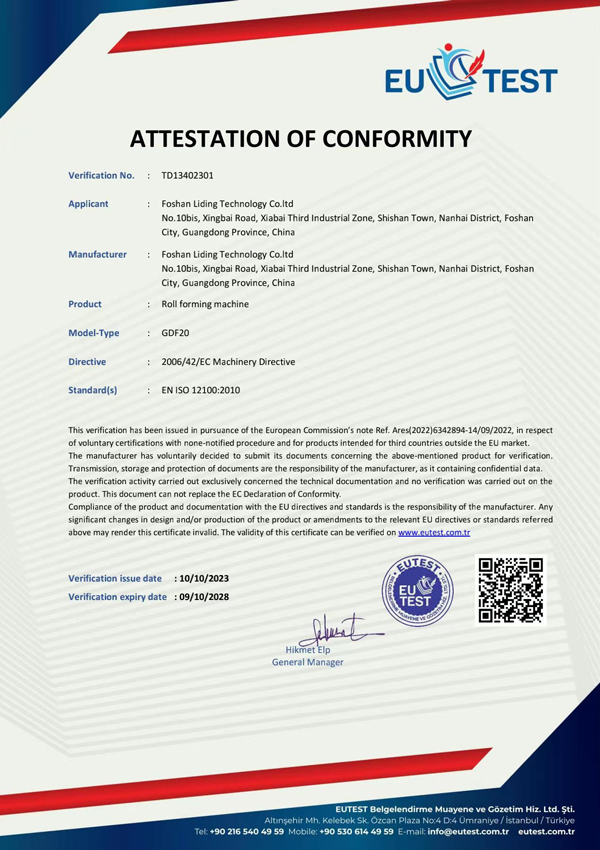
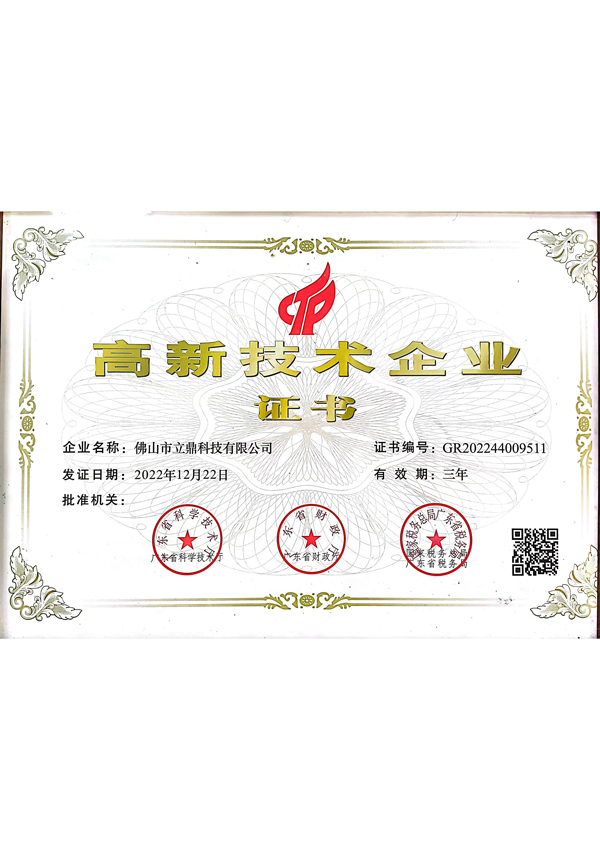
Our machines and manufacturing processes are backed by internationally recognized certifications, ensuring compliance with marine and offshore industry requirements.
Explore our full portfolio of precision roll forming machines engineered for marine HVAC, damper casing, offshore structural, and ventilation component manufacturing.
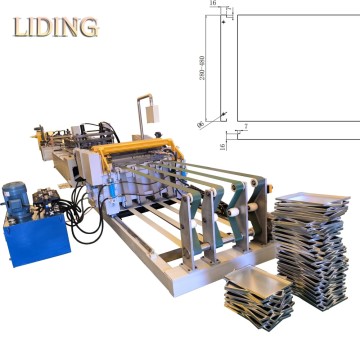
Offshore Platform Storage Rack & Equipment Panel Roll Forming Machine | Marine Structural Enclosure System
Marine Omega Bracket Roll Forming Machine for Offshore Damper Support Frames & Structural Mounts
Marine HVAC Air Plenum Box & Silencer Roll Forming Machine | 15KW Offshore Ductwork Noise Control LD-SF01
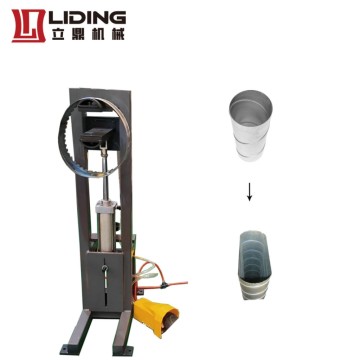
Marine Portable Round Duct Forming Machine for Offshore Ventilation Repair | No Power, 30s Fast Forming φ100–300mm
Offshore Air Regulation Damper Blade Turnkey Production Line | 4-Machine Integrated Marine VCD Louver System
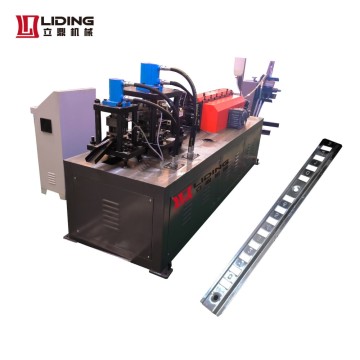
Heavy-Duty Offshore Platform Pallet Rack Upright Roll Forming Machine | Marine Storage Structure System
Liding LD-S01 Unistrut Channel Roll Forming Machine | Marine & Offshore Damper Exterior Casing Production
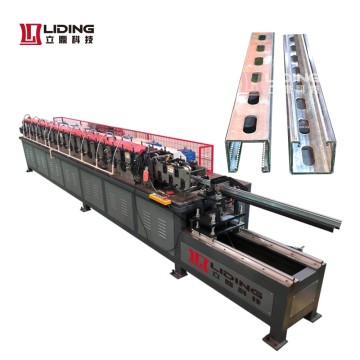
Marine Solar C Channel Roll Forming Machine for Offshore Renewable Energy Platform Structural Support Systems
Contact Liding Machinery today to discuss your strut channel machine requirements for marine and offshore air regulation damper casing manufacturing. Our engineers are ready to design a precision roll forming solution tailored to your exact specifications.
Explore Strut Channel Machines →