Leave Your Message
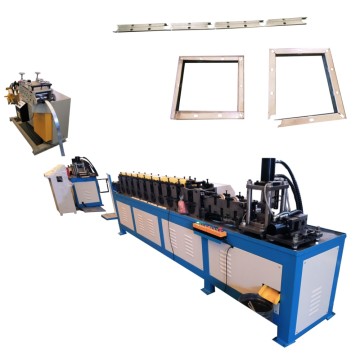
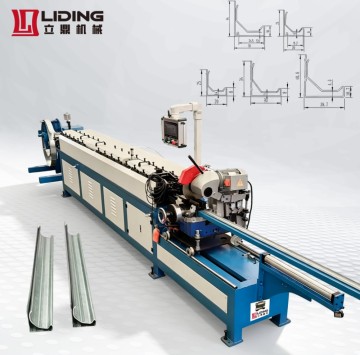
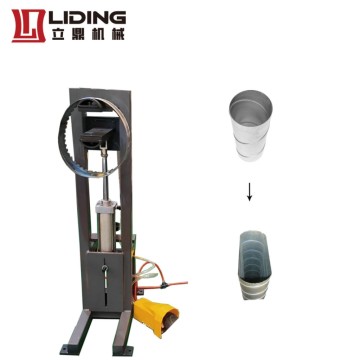
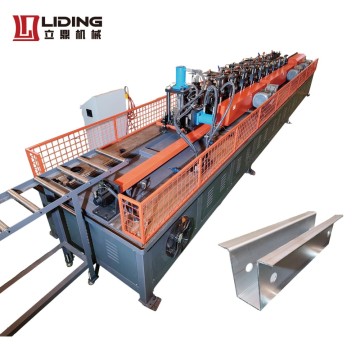
In the contemporary global logistics landscape, the skyward expansion of warehouse footprints has transformed from a strategic advantage into an absolute necessity. As urban land prices escalate and consumer demands for rapid product delivery intensify, multi-level logistics distribution hubs and automated high-bay warehouses are redefining storage metrics. These facilities no longer measure capacity in square meters, but in cubic meters, building vertical storage systems that routinely exceed heights of 30 to 40 meters.
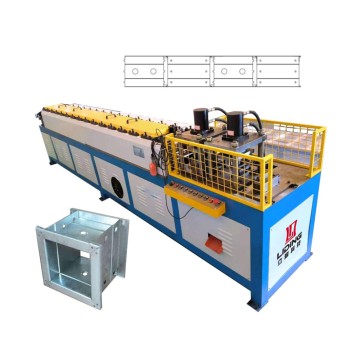
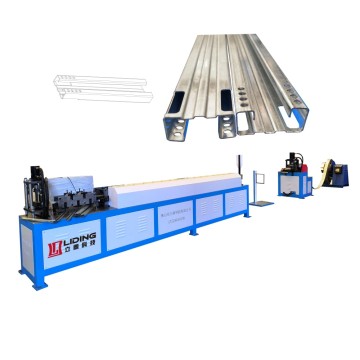
To support such massive verticality, the structural integrity of the storage racking system must be impeccable. Heavy-duty pallet racks carry dynamic and static loads measured in tens of thousands of tons. A single upright column or a horizontal load-bearing beam is subjected to tremendous axial compression, bending moments, and localized shear stresses. This is where the advanced Storage Shelf Machine becomes the cornerstone of the entire supply chain infrastructure. By utilizing high-precision cold roll forming technologies, these manufacturing systems convert heavy-gauge steel coils into structural profiles capable of safeguarding high-value inventory under extreme conditions.
Modern vertical warehouses utilize automated storage and retrieval systems (ASRS) that operate at high velocities. The racking structure must not only support heavy pallet loads but also tolerate constant dynamic forces and seismic activities without structural deflection. Precision-formed profiles are the only way to meet these stringent safety thresholds.
Furthermore, the manufacturing requirements for vertical industrial racking systems have evolved. Standard roll forming systems of the past are no longer sufficient to produce profiles that meet the strict dimensional tolerances required by automated cranes, robotic shuttles, and computer-controlled picking systems. The integration of advanced servo-driven punching, variable-width roll forming, and flying hydraulic cutoff systems ensures that every millisecond of production is optimized for dimensional accuracy, straightness, and torsional resistance.
The manufacturing process of heavy-duty upright columns and racking beams is a masterclass in metal deformation physics. The raw material—often high-strength structural carbon steel or galvanized steel—undergoes a series of sequential bending steps. Unlike hot-rolled structural steel, cold-formed steel profiles produced by our Storage Shelf Machine lines retain their surface finish, possess higher yield strength due to work hardening, and exhibit exceptional strength-to-weight ratios.
To achieve this, the roll forming line must control several critical variables:
When engineering profiles for multi-level logistics warehouses, designers must account for "eccentric loading" and "global buckling." When a forklift or an automated shuttle places a 2-ton pallet onto a rack shelf, the load is rarely perfectly centered. The upright profile must feature complex geometries—often with 10 to 12 folds and internal stiffening ribs—to resist local buckling. Modern roll forming lines utilize advanced computer-aided design (CAD) and finite element analysis (FEA) to design roll tooling that creates these complex, high-performance profiles with absolute consistency.
The global market for warehouse racking is experiencing a significant shift toward smart, modular, and green solutions. According to industrial research, the automated warehousing market is projected to grow at a CAGR of over 10% in the coming decade. This growth is directly driving demand for specialized roll forming machinery that can produce customizable racking components on-demand.
One of the major trends is the transition toward rack-clad buildings (also known as silo warehouses). In these structures, the racking system itself forms the structural framework of the building, supporting the roof and walls. This eliminates the need for separate building pillars and maximizes space utilization. For rack-clad structures, the roll-formed uprights must double as structural columns, demanding unprecedented load capacities and weathering resistance. Consequently, manufacturers are investing in roll forming machines capable of handling material thicknesses up to 4.0mm and yield strengths up to 550 MPa.
Modern production lines are no longer isolated mechanical units. They are integrated with IoT sensors that monitor roll pressure, motor temperature, and material thickness in real-time. This predictive maintenance capability minimizes downtime, ensuring that large-scale racking projects are delivered on schedule.
To remain competitive, racking manufacturers must produce different profiles (different widths, depths, and thicknesses) on the same line. Cassette-type roll forming machines allow operators to swap out the forming rollers within minutes, shifting production from light shelving to heavy-duty uprights with minimal disruption.
Liding Machinery – Our core technical team boasts over 30 years of experience in cold-forming.
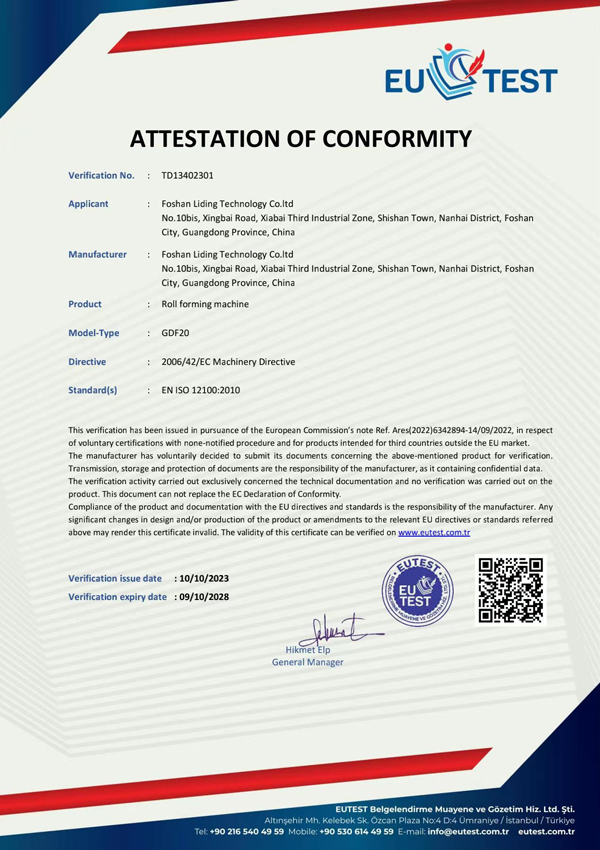
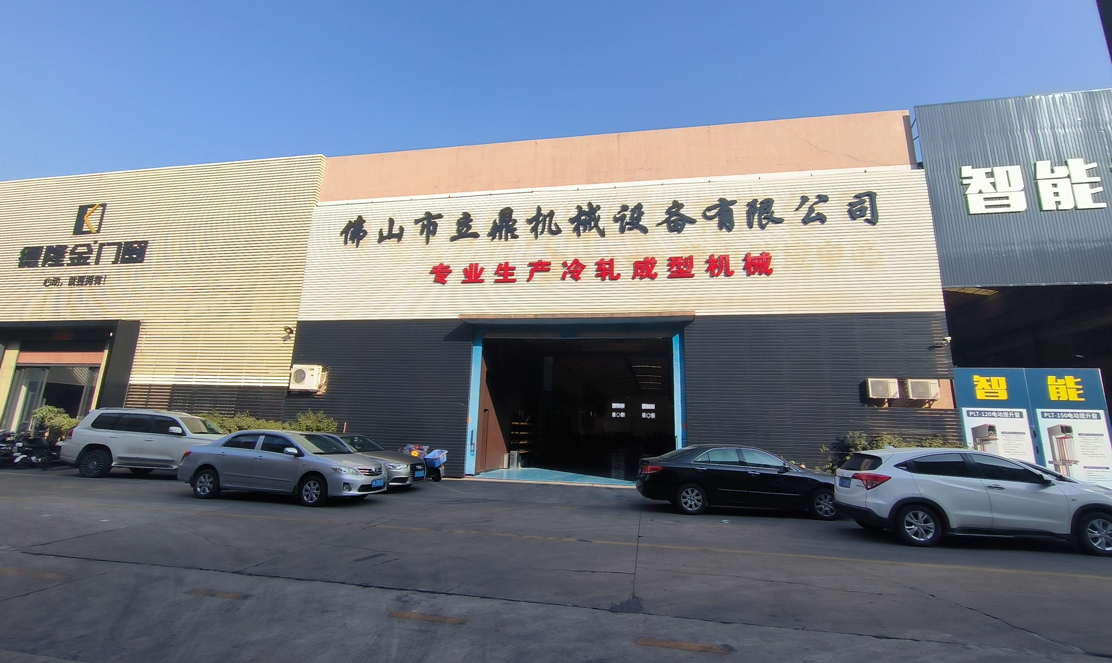
Foshan Liding Machinery Equipment Co., Ltd. was established in 2014, with a core team boasting over 25 years of experience in the cold-forming industry. We are a specialist manufacturer of metal roll forming equipment, dedicated to providing efficient, precise and reliable customised production line solutions for global HVAC systems, building structures and storage equipment sectors.
We design and manufacture high-precision cold-forming equipment covering:
We are not merely a machine supplier, but your strategic partner in product innovation and production efficiency enhancement. You provide drawings or samples; we deliver comprehensive production solutions. Our focus extends beyond the machinery itself to the quality and production costs of your end products.
Roll forming machines operating worldwide.
Countries exported to (Southeast Asia, Middle East, Europe, Russia).
Client retention and repeat purchase rate.
Average years of experience among senior engineers.
25+ years of expertise in cold bending forming with a dedicated R&D team of over 10 senior specialists.
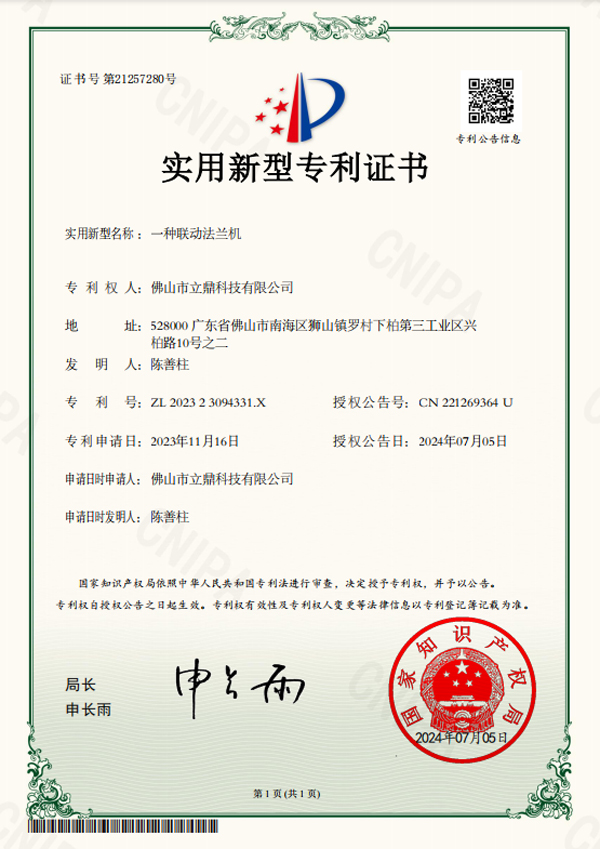
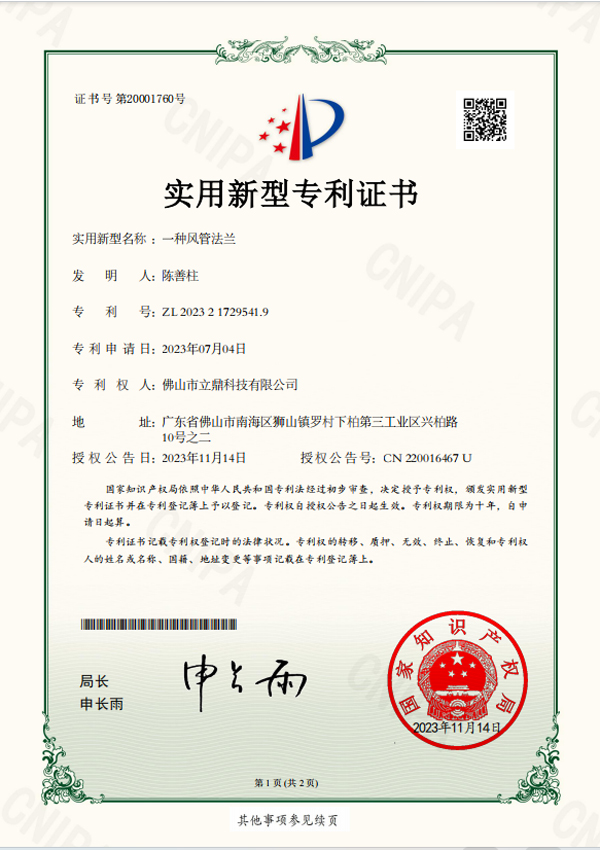
Anti-seismic bracket patented technology, ensuring safe, reliable, and compliant structures.
Tailored solutions from initial blueprint to mass production, designed specifically for your profiles.
Quick-change technology allowing multiple profiles to be manufactured on a single machine frame.
Comprehensive technical support with a guaranteed 48-hour response time worldwide.