Leave Your Message

Steel Framework For Structural Secondary Load-bearing Framing In Prefabricated Steel Industrial Factories

Advanced Roll Forming Technology & Precision Cold-Formed Steel Solutions for Global Industrial Construction

● Liding Machinery — 30+ Years of Cold-Forming Excellence

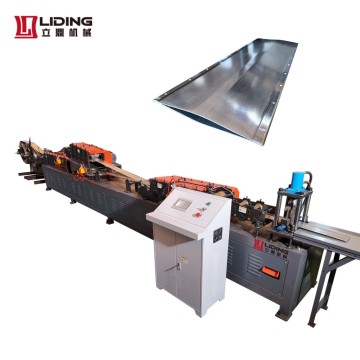
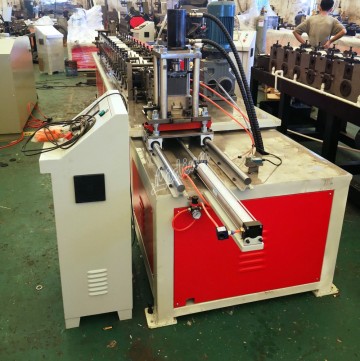
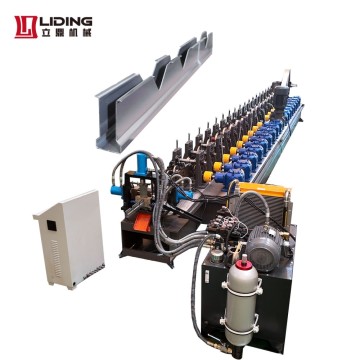
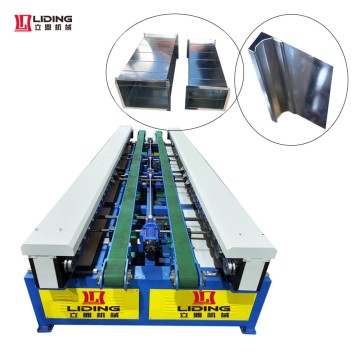
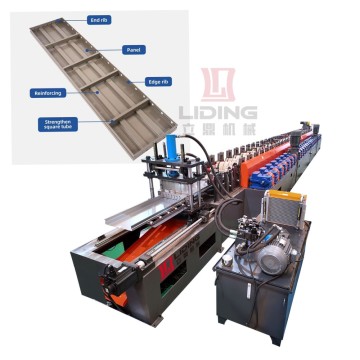
Steel Framework Production Equipment — Featured Machines

Precision roll forming machines engineered for secondary load-bearing framing components in prefabricated steel industrial factories

What Is Steel Framework for Structural Secondary Load-bearing Framing?

In the rapidly evolving landscape of modern industrial construction, steel framework for structural secondary load-bearing framing has emerged as the backbone of prefabricated steel industrial factories worldwide. Unlike primary structural members — such as main columns and primary beams — secondary load-bearing framing components distribute localized loads, provide lateral stability, support cladding systems, and enable the integration of mechanical, electrical, and plumbing (MEP) services within factory envelopes.

Secondary framing members in prefabricated steel industrial factories typically include cold-formed steel purlins (C, Z, G, U profiles), girts, eave struts, flange braces, wind columns, and a variety of custom-profiled sections. These components are precision-manufactured using advanced roll forming technology, which allows continuous production of complex cross-sectional profiles from steel coil at high speed and with tight dimensional tolerances.

⚡

The global prefabricated steel building market was valued at over USD 24 billion in 2023 and is projected to grow at a CAGR exceeding 6.5% through 2030, driven by surging demand for logistics warehouses, manufacturing plants, and large-span industrial facilities. At the heart of this growth lies the precision engineering of steel framework secondary framing systems.

Commercial & Industrial Market Landscape

The adoption of prefabricated steel industrial factories has accelerated dramatically across Asia-Pacific, the Middle East, Southeast Asia, and Eastern Europe. Key market drivers include:

  • Speed of construction: Prefabricated steel factories can be erected 40–60% faster than conventional concrete structures, reducing time-to-market for manufacturers.
  • Cost efficiency: Standardized secondary framing components reduce material waste and labor costs on-site.
  • Scalability: Modular steel framework systems allow factories to be expanded or reconfigured with minimal disruption.
  • Sustainability: Cold-formed steel is 100% recyclable, aligning with ESG and green building certification requirements (LEED, BREEAM).
  • Seismic and wind resistance: Advanced secondary framing systems with anti-seismic bracket technology provide enhanced structural resilience in high-risk zones.

The industrial real estate sector — encompassing e-commerce fulfillment centers, automotive plants, food processing facilities, and data center campuses — is among the fastest-growing consumers of prefabricated steel factory systems globally. This surge has placed enormous pressure on steel framework component manufacturers to deliver higher volumes, tighter tolerances, and greater profile versatility.

Development Trends in Steel Secondary Framing Technology

The steel framework industry is undergoing a profound technological transformation. Several key trends are reshaping the production and application of secondary load-bearing framing:

🤖
Intelligent Automation & Industry 4.0 Integration
Modern roll forming lines for secondary framing now integrate PLC-controlled servo systems, real-time dimensional feedback, and automated coil feeding. Fully automatic C/Z/G purlin production lines can achieve speeds exceeding 20 m/min with automatic punching, cutting, and stacking — eliminating manual intervention and dramatically reducing per-unit costs.
📈
High-Strength & Galvanized Steel Adoption
The shift toward high-strength galvanized steel coil (G550, S350GD+Z) for secondary framing allows thinner gauge sections to carry equivalent or greater loads, reducing overall structural weight by 15–25% while improving corrosion resistance — critical for coastal industrial zones and humid tropical climates.
🛠
Multi-Profile Modular Roll Forming Systems
Quick-changeover roll forming machines capable of producing C, Z, U, and G profiles on a single production line — with profile switching in under 15 minutes — are transforming the economics of secondary framing fabrication. This versatility enables fabricators to serve diverse project specifications without capital investment in multiple dedicated lines.
🌎
Global Supply Chain Localization
The post-pandemic restructuring of global supply chains has accelerated investment in regional roll forming capacity across Southeast Asia, the Middle East, and Africa. Localized production of steel secondary framing components reduces lead times from weeks to days and insulates project timelines from international logistics disruptions.
⚡
Anti-Seismic & Wind-Resistant Bracket Systems
Patented anti-seismic bracket technology integrated into secondary framing systems is gaining rapid adoption in earthquake-prone markets including Japan, Indonesia, Turkey, and the western United States. These systems provide compliant lateral force distribution without compromising the speed advantages of prefabricated construction.
🔬
BIM-Driven Precision Fabrication
Building Information Modeling (BIM) integration with CNC roll forming equipment enables direct translation of digital structural models into machine cutting lists and punching patterns, achieving near-zero fabrication errors and enabling just-in-time delivery of secondary framing components to construction sites.

Deep-Dive Application Scenarios

Understanding where and how steel secondary framing systems deliver the greatest value is essential for engineers, procurement managers, and factory developers. The following scenarios represent the most commercially significant applications of roll-formed steel framework in prefabricated industrial construction today.

🏢
Large-Span Logistics & E-Commerce Fulfillment Centers
Modern fulfillment centers demand clear spans of 40–80 meters with secondary framing systems supporting roof loads of 0.5–1.5 kN/m², conveyor mounting points, and solar PV panel arrays. Cold-formed Z-purlins and C-girts in nested configurations provide optimal load distribution while minimizing structural depth — maximizing usable interior clearance height for automated racking systems.
🚗
Automotive & Heavy Manufacturing Plants
Automotive assembly plants require secondary framing systems capable of supporting overhead crane rails, heavy mechanical services, and vibration-resistant connections. Custom-profiled G-purlins and heavy-gauge formwork framing systems — produced on dedicated heavy-duty roll forming lines — deliver the structural rigidity and fatigue resistance demanded by 24/7 manufacturing environments.
🌿
Food Processing & Cold Storage Facilities
Hygiene-critical food processing plants and refrigerated cold stores require secondary framing manufactured from hot-dip galvanized or pre-painted steel with smooth, cleanable profiles. Roll-formed flange profiles and HVAC duct framing components produced by GDF/PDF steel coil flange machines integrate seamlessly into the controlled-environment building envelope systems of these facilities.
💡
Data Centers & High-Tech Industrial Campuses
Data center construction has become one of the fastest-growing segments for prefabricated steel factory systems. Secondary framing must accommodate dense MEP services, precision air management systems, and seismic isolation requirements. Anti-seismic bracket systems and precision HVAC duct flange framing — produced by automated roll forming equipment — are critical enablers of rapid, compliant data center deployment.
☀
Renewable Energy Manufacturing & Assembly Plants
Solar panel and wind turbine component manufacturing facilities are rapidly expanding across Asia, Europe, and North America. These factories require large, column-free production bays with secondary framing systems supporting heavy overhead equipment, cleanroom partitioning, and integrated utility distribution. Prefabricated steel secondary framing with quick-erect modular systems enables these facilities to be commissioned in compressed timelines.
🛒
Multi-Tier Automated Warehouse & Racking Systems
The integration of automated storage and retrieval systems (AS/RS) into prefabricated steel factories demands secondary framing that provides precise column plumb tolerances, vibration damping, and compatibility with racking column/beam profiles produced on dedicated roll forming lines. Liding's warehouse racking roll forming equipment delivers the dimensional consistency required for automated storage system integration.

Engineering Considerations for Secondary Load-bearing Framing Selection

Selecting the optimal secondary framing system for a prefabricated steel industrial factory requires careful consideration of multiple interdependent engineering parameters:

  • Span-to-depth ratios: For purlin spans of 6–9 meters, Z-purlins in the 150–250mm depth range typically provide the most efficient structural performance.
  • Load combinations: Secondary framing must be designed for combined dead loads (roofing, cladding, services), live loads (maintenance access, snow), wind uplift, and seismic lateral forces per applicable national standards (AISI S100, AS/NZS 4600, EN 1993-1-3).
  • Bridging and bracing: Proper lateral restraint of cold-formed secondary members through bridging channels and anti-sag rods is critical to achieving design capacity — a requirement directly addressed by anti-seismic bracket systems.
  • Connection detailing: Bolted connections between secondary framing and primary steel must accommodate thermal movement, construction tolerances, and dynamic loading without fatigue failure.
  • Corrosion protection: Galvanized coatings (Z275 minimum for interior applications, Z450 for coastal or aggressive environments) are standard for secondary framing in industrial factory applications.

Why Roll Forming Is the Optimal Manufacturing Method

Roll forming is the defining manufacturing technology for steel secondary framing components in prefabricated industrial construction. Its advantages over alternative fabrication methods — press braking, welded fabrication, or hot rolling — are decisive at production scale:

  • Continuous production: Roll forming processes steel coil continuously, enabling production rates of 10–25 meters per minute for standard purlin profiles.
  • Dimensional consistency: Computer-controlled roll forming maintains cross-sectional tolerances within ±0.5mm across production runs of thousands of meters.
  • Material efficiency: Near-zero material waste compared to cut-and-weld fabrication methods.
  • Profile complexity: Complex cross-sectional geometries — including lipped channels, nested Z-sections, and custom HVAC flange profiles — are achievable only through roll forming.
  • Integrated processing: Modern roll forming lines incorporate inline punching, notching, embossing, and cut-to-length operations, eliminating secondary processing steps.

Liding Machinery — By the Numbers

Trusted by industrial manufacturers across 50+ countries for precision roll forming equipment

2000+
Roll forming machines operating worldwide across industrial factory projects
50+
Countries served: Southeast Asia, Middle East, Europe, Russia & beyond
85%
Client retention rate — 85% of clients return for additional production lines
30+
Years average experience of our senior cold-forming engineers

Our Advantages

Why leading prefabricated steel factory builders choose Liding roll forming equipment
🏆
01
Experience
25+ years in cold-formed steel framing, with a dedicated R&D team of over 10 specialist engineers driving continuous innovation in secondary framing production technology.
🛡
02
Patented Technology
Anti-seismic bracket patented technology ensures safe, reliable secondary load-bearing framing systems that meet the most demanding structural compliance requirements globally.
🔧
03
Customization
Fully customized on demand — from blueprint to mass production. You provide drawings or samples; we deliver a complete production line solution optimized for your specific secondary framing profiles.
👥
04
Global Service
Global technical support with a 48-hour response commitment. Our dedicated after-sales team provides ongoing technical assistance, spare parts supply, and remote commissioning support worldwide.

About Us

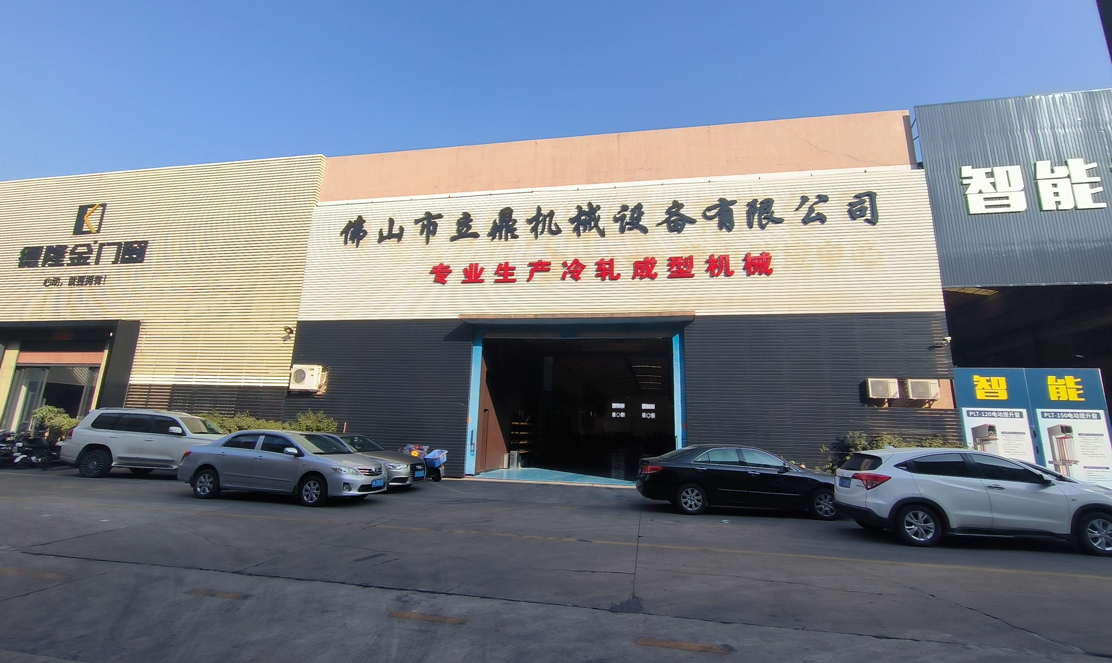
Liding Machinery Factory - Steel Framework Roll Forming Equipment Manufacturer
About the Factory

Why Choose Liding Machinery?

Liding Machinery — Our core technical team boasts over 30 years of experience in cold-forming. Foshan Liding Machinery Equipment Co., Ltd. was established in 2014, with a core team boasting over 25 years of experience in the cold-forming industry.

We are a specialist manufacturer of metal roll forming equipment, dedicated to providing efficient, precise and reliable customised production line solutions for global HVAC systems, building structures and storage equipment sectors. We are not merely a machine supplier, but your strategic partner in product innovation and production efficiency enhancement.

We design and manufacture high-precision cold-forming equipment covering:

  • HVAC ductwork machinery — flange profile machines, fire damper blade formers
  • Building structures — light steel studs, steel formwork, seismic brackets, purlins
  • Warehouse equipment — racking columns, beams, shelving panel roll forming lines

You provide drawings or samples; we deliver comprehensive production solutions. Our focus extends beyond the machinery itself to the quality and production costs of your end products. Our dedicated team offers ongoing technical support and after-sales service.

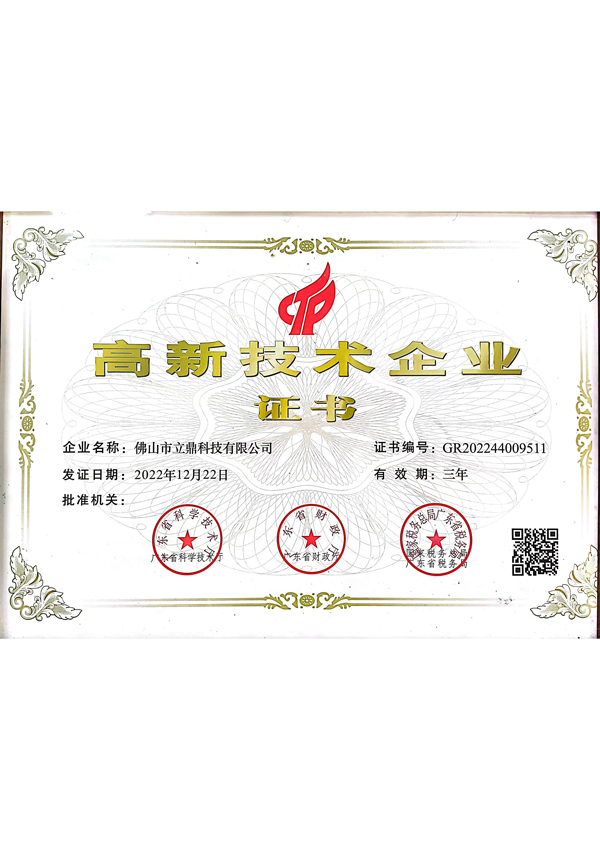
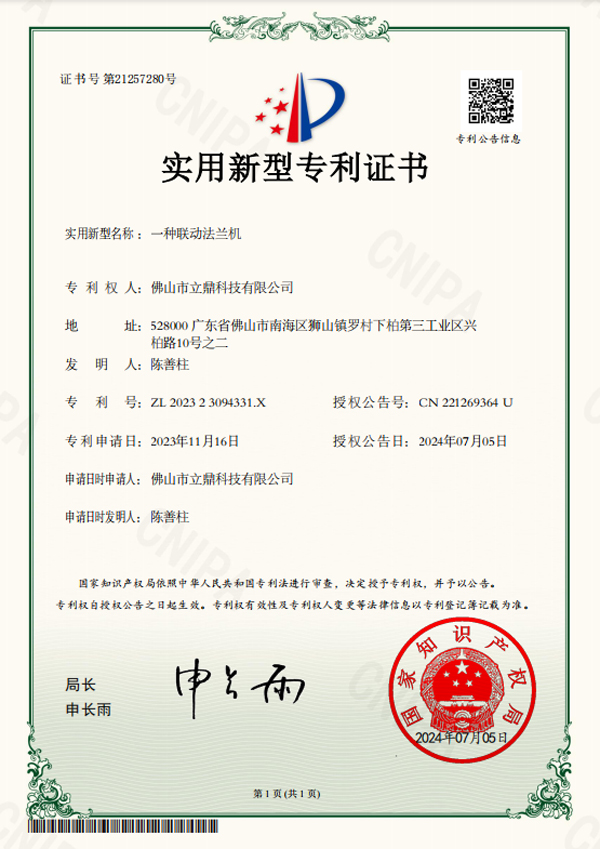
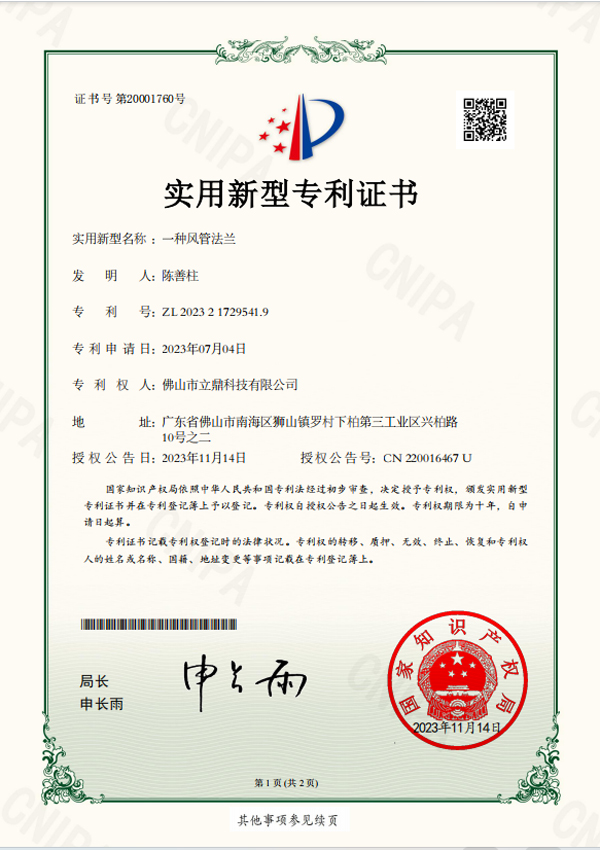
Certificate

Internationally recognized quality and compliance certifications for our roll forming equipment
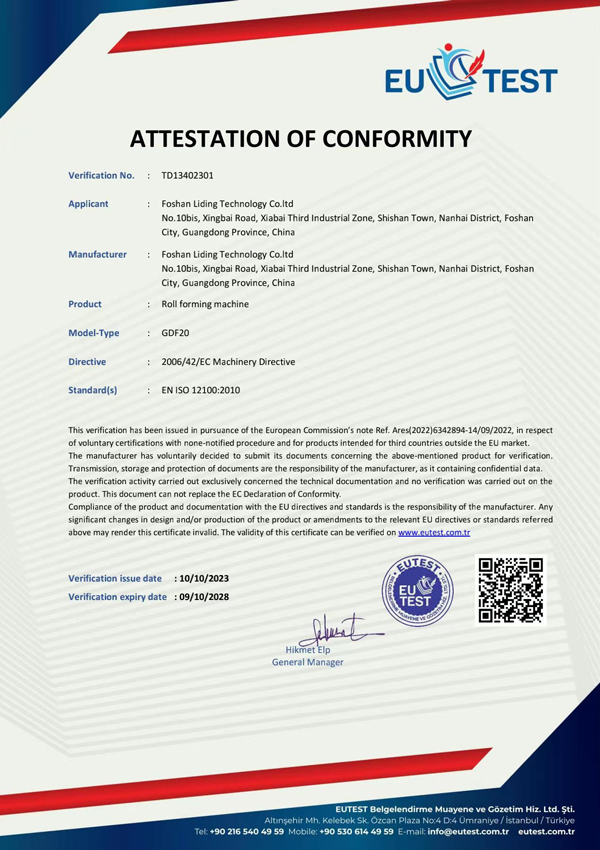
Liding Machinery Certificate 1
Liding Machinery Certificate 2
Liding Machinery Certificate 3
Liding Machinery Certificate 4

Complete Roll Forming Equipment Range

Full product series for steel framework secondary load-bearing framing production in prefabricated steel industrial factories