- Home
- About Us
- Products
- Solution
- Application
- News
- FAQ
- Contact Us
Leave Your Message
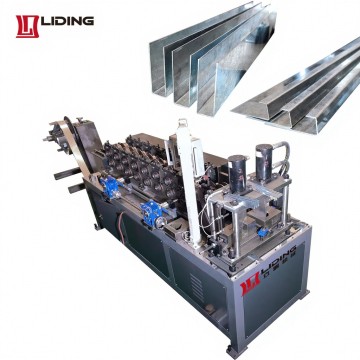
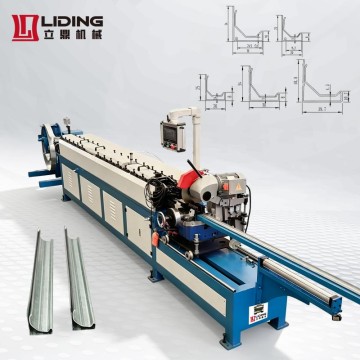
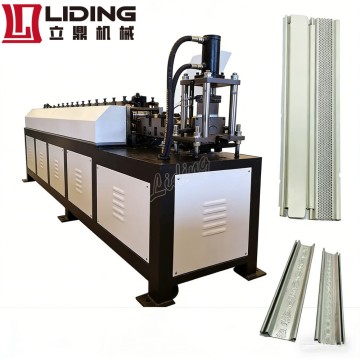
The global industrial construction sector is undergoing a rapid transition toward pre-engineered and prefabricated steel buildings (PEBs). As modern logistics hubs, heavy manufacturing plants, and smart warehouses require larger spans, higher vertical clearances, and faster erection times, conventional brick-and-mortar or cast-in-place concrete structures are being replaced. In this context, prefabricated steel industrial factories represent the pinnacle of architectural efficiency. However, the structural integrity of these massive frameworks relies not just on primary columns and rafters, but heavily on the secondary load-bearing framing.
Secondary framing consists of components such as purlins, girts, eave struts, and structural door/window headers. Among these, heavy-duty rolling shutter doors and their integrated structural support frames play a critical dual role. They act both as physical access barriers and as integral components of the building's lateral wind-load resistance system. The manufacturing of these structural profiles demands extreme precision, high yield strength, and the ability to process heavy-gauge galvanized steel sheet. This is where high-performance rolling shutter machines and customizable profile roll formers become indispensable.
"In modern industrial architecture, secondary load-bearing framing must withstand severe environmental stresses. Automated cold-forming machinery ensures that every profile meets strict structural tolerances, reducing material waste while maximizing structural load capacity."
From a commercial perspective, the demand for cold roll forming machinery has skyrocketed. Industrial developers are looking for ways to minimize lead times. Traditional methods of cutting, welding, and manually fabricating structural channels are no longer economically viable. High-speed, automated rolling shutter slat and structural channel forming lines allow manufacturers to produce ready-to-install components directly on-site or in centralized fabrication facilities. The commercial value of these machines lies in their high yield rate, low operational cost, and adaptability to various material thicknesses and profiles.
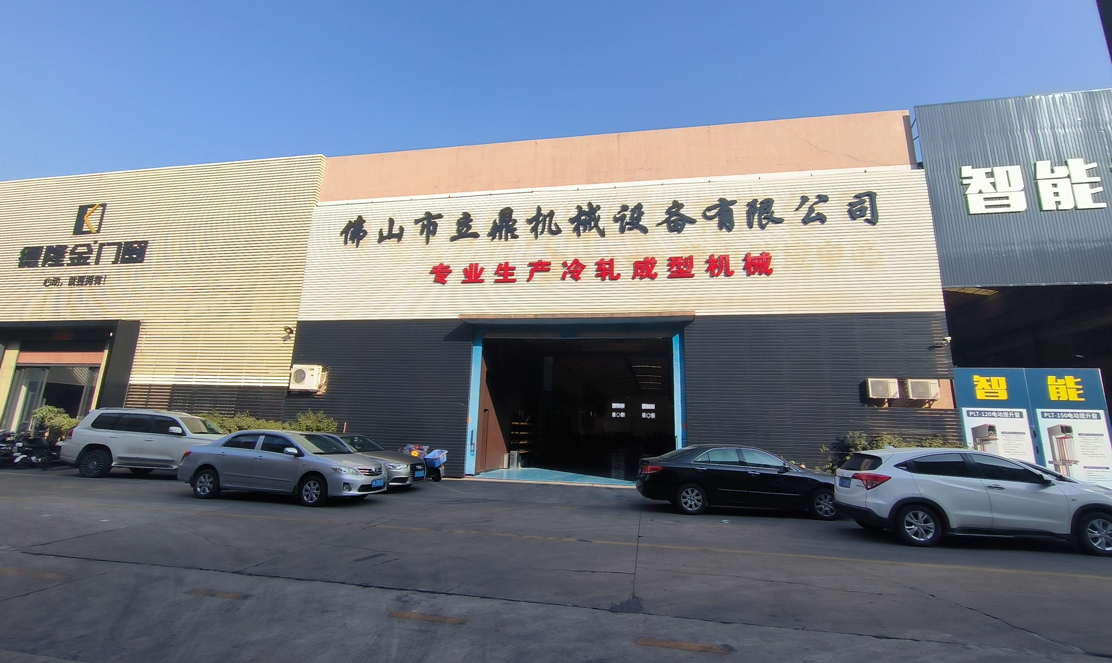
Foshan Liding Machinery Equipment Co., Ltd. was established in 2014, with a core technical team boasting over 25 to 30 years of experience in the cold-forming industry. We are a specialist manufacturer of metal roll forming equipment, dedicated to providing efficient, precise, and reliable customized production line solutions for global HVAC systems, building structures, and storage equipment sectors.
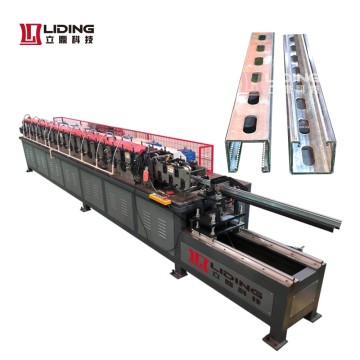
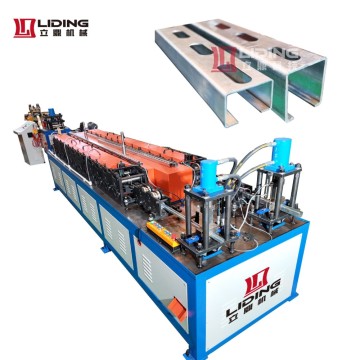
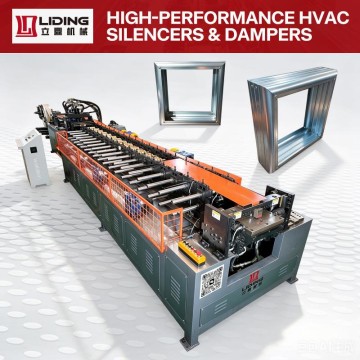
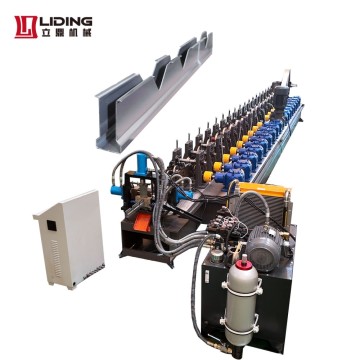
We design and manufacture high-precision cold-forming equipment covering:
We are not merely a machine supplier, but your strategic partner in product innovation and production efficiency enhancement. You provide drawings or samples; we deliver comprehensive production solutions. Our focus extends beyond the machinery itself to the quality and production costs of your end products. Our dedicated team offers ongoing technical support and after-sales service.
Over 2,000 roll forming machines operating worldwide.
Exporting to Southeast Asia, Middle East, Europe, Russia.
85% of our clients come back for additional lines.
Average experience of our senior engineers.
In large-scale industrial factories, rolling shutter doors are not merely dynamic partitions; they are designed to face extreme wind loads and structural stresses. When closed, a massive rolling shutter assembly must transfer wind pressure to the secondary structural framing—specifically the vertical jambs and horizontal headers. Therefore, the production of rolling shutter slats, guide rails, and structural framing headers must adhere to strict structural engineering standards.
A high-quality rolling shutter machine must form slats that lock together tightly, maintaining structural rigidity across spans that can exceed 10 meters. The material used is typically hot-dip galvanized steel or high-strength aluminum alloy, ranging from 0.8mm to 2.0mm in thickness for heavy-duty industrial applications. The roll forming process must ensure uniform stress distribution across the profile bends to prevent micro-cracking and material fatigue over decades of operation.
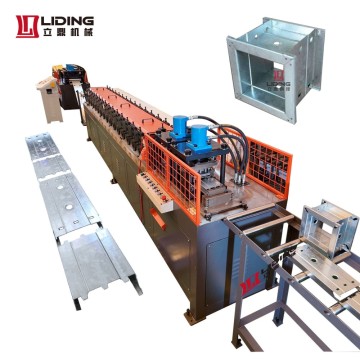
Modern PEB designs integrate the rolling shutter guide tracks directly into the primary or secondary structural steel columns. This requires the rolling shutter machine to produce custom-profiled guide channels with pre-punched mounting holes that align perfectly with structural steel bolt patterns. By combining the fabrication of C/Z purlins, solar mounting channels, and rolling shutter profiles, factories can achieve a highly integrated, modular construction workflow. Liding’s advanced roll forming technology facilitates this integration by offering quick-change tooling systems that allow manufacturers to switch between different structural profiles with minimal downtime.
In regions prone to typhoons or seismic activity, secondary framing components must possess high ductility and energy dissipation properties. The cold-forming process inherently increases the yield strength of the steel through work hardening. Liding’s machinery is designed to optimize this process, ensuring that the cold-formed channels and slats exhibit superior load-to-weight ratios compared to traditional hot-rolled steel. This allows engineers to design lighter prefabricated structures without compromising safety or structural integrity.
The future of industrial roll forming lies in digitalization, automation, and smart manufacturing. As industry 4.0 standards are adopted globally, rolling shutter machines are evolving from standalone mechanical units into smart, connected production systems.
1. Intelligent Control Systems (PLC Integration): Modern Liding roll forming lines are equipped with advanced PLC systems (such as Siemens or Mitsubishi) that allow operators to input dimensions, punching patterns, and batch quantities via user-friendly touchscreen HMI interfaces. Real-time feedback loops monitor material feed rate, forming pressure, and shearing accuracy, automatically compensating for variations in coil tension or thickness.
2. High-Precision Inline Punching & Shearing: To maintain high production speeds without sacrificing dimensional accuracy, modern machines utilize hydraulic post-punching and post-shearing systems. This ensures clean, burr-free cuts and precise hole placement, which are critical for the rapid assembly of secondary framing components on the construction site.
3. Sustainable & Green Manufacturing: Cold roll forming is inherently an eco-friendly process. Unlike hot rolling or casting, it does not require thermal energy, and it generates minimal scrap. Furthermore, the high precision of modern roll formers allows for the optimization of profile designs, enabling the use of thinner, high-strength steel to achieve the same structural performance, thereby reducing the carbon footprint of the building.
An emerging trend in prefabricated steel factories is the integration of photovoltaic (PV) solar panels directly onto the secondary roof framing. This has driven the demand for specialized C-channel and strut channel machines that can produce high-load solar support structures. By utilizing versatile roll forming lines, factory owners can manufacture both their structural framing and their solar mounting systems using the same technology base, significantly accelerating project ROI.
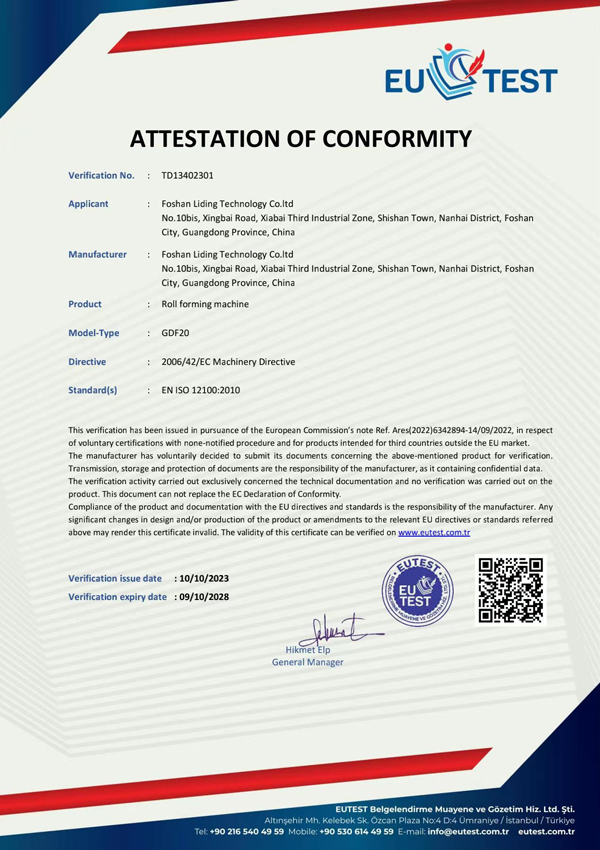
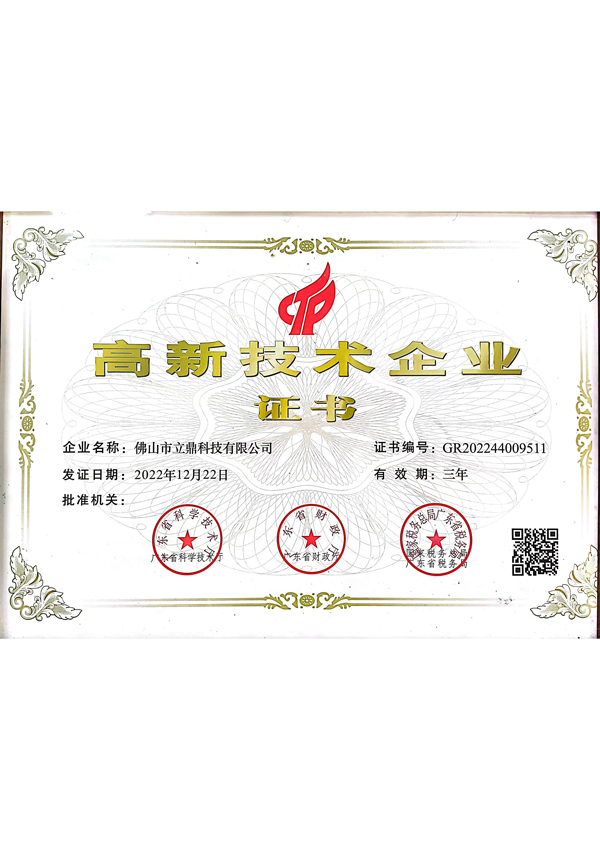
Our manufacturing processes conform to rigorous international quality management systems, ensuring that every machine leaving our facility meets global safety and performance standards.