Leave Your Message
Precision-engineered cold-forming solutions for roof framing, wall cladding support, HVAC and structural profiles in modern agricultural facilities.
Modern agricultural barns have evolved dramatically over the past two decades. Where timber frames and corrugated iron sheets once dominated rural construction, today's large-scale farming operations demand structures that are engineered for longevity, structural efficiency, and rapid deployment. At the heart of this transformation is the metal roll forming machine — a continuous cold-bending production system capable of converting raw steel coil into precision structural profiles at industrial speed.
From expansive grain storage facilities in the American Midwest to livestock housing complexes across Southeast Asia and Europe, roll-formed metal profiles now serve as the primary material for roof framing systems, wall cladding support rails, purlins, eave struts, and girts in modern agricultural infrastructure. The ability to produce custom cross-sections on demand — with tight dimensional tolerances and consistent mechanical properties — makes roll forming the undisputed manufacturing method of choice for this sector.
Global agricultural building construction is projected to exceed USD 42 billion by 2030, driven by food security investments, large-scale agribusiness expansion, and government-backed rural infrastructure programs. Metal roll forming machines are the critical production technology enabling this growth — delivering high-strength, lightweight structural components at scale.
The commercial market for metal roll forming equipment serving agricultural construction has matured significantly. Manufacturers across China, Europe, and North America now offer highly specialized roll forming lines tailored specifically for barn construction profiles. Key product categories in demand include:
Industrially, contract roll formers and steel building kit manufacturers operate high-volume lines running at speeds of 15–45 meters per minute, with automated cut-to-length systems, servo-driven punching units, and integrated PLC controls. The economics are compelling: a single modern roll forming line can replace dozens of manual fabrication workers while achieving tolerances of ±0.5 mm across thousands of meters of profile per shift.
Agricultural barns impose unique structural and environmental demands that make precision roll-formed profiles the optimal solution:
Barn environments expose structural members to moisture, animal waste gases (ammonia), fertilizer chemicals, and extreme temperature cycling. Hot-dip galvanized or Zincalume-coated roll-formed profiles provide decades of corrosion resistance without maintenance painting cycles.
Modern barns routinely span 20–60 meters without internal columns to maximize usable floor area for livestock, equipment, or grain storage. Roll-formed C/Z purlins and structural frames achieve exceptional stiffness-to-weight ratios, enabling these long spans with minimal material cost.
Pre-punched, cut-to-length roll-formed members arrive on-site ready for bolted assembly. A complete barn framing kit can be erected by a small crew in days rather than weeks, dramatically reducing labor costs and project timelines compared to traditional construction methods.
When hundreds or thousands of identical purlins, girts, or stud sections are required for a large barn complex, roll forming delivers exact repeatability. Every profile exits the machine with the same cross-section geometry, ensuring predictable structural performance and simplified engineering calculations.
Steel is 100% recyclable, and roll-formed profiles use material efficiently with minimal scrap. As agricultural operators face increasing ESG scrutiny, the low embodied carbon and full recyclability of steel barn structures provide a clear sustainability advantage over concrete or timber alternatives.
Roll forming tooling can be designed to produce virtually any open or semi-closed cross-section. Agricultural engineers can specify custom flange widths, web heights, lip dimensions, and pre-punched hole patterns — all produced automatically on a single machine with quick-changeover capability.
The roof framing system of a modern agricultural barn typically consists of primary portal frames (hot-rolled or welded steel) with secondary cold-formed Z or C purlins spanning between frames at 1.2–2.4 m centers. These purlins directly support the roof sheeting and must resist wind uplift, snow loads, and the dynamic forces of maintenance personnel accessing the roof.
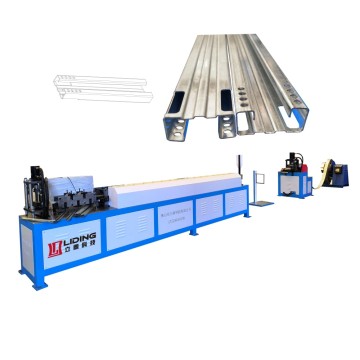
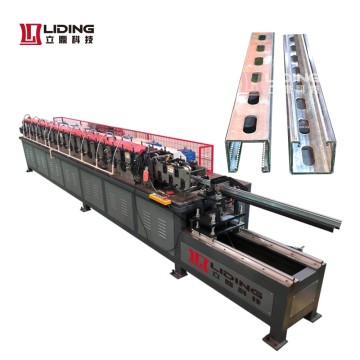
A dedicated C/Z purlin roll forming machine — such as those manufactured by Liding Machinery — can produce both C and Z profiles from the same tooling set through a quick-flip mechanism, typically in material gauges from 1.2 mm to 3.0 mm. Automated servo-driven punching units create bolt holes at user-defined intervals, eliminating secondary drilling operations entirely. Production speeds of 20–40 m/min mean a single machine can supply the purlin requirements for a 5,000 m² barn in a single working day.
Wall cladding on agricultural barns — whether single-skin steel sheeting, insulated sandwich panels, or translucent GRP panels — requires a grid of horizontal secondary members (girts) to which the cladding is fastened. These girts must be accurately sized and spaced to match the cladding panel module and wind load requirements.
Roll-formed hat sections, C channels, and Z girts are the standard solution. The same roll forming line used for roof purlins can often produce wall girts with a simple tooling change, providing excellent production flexibility for barn kit manufacturers. Pre-punched connection holes at precise intervals allow rapid field installation using self-drilling screws or bolted cleats.
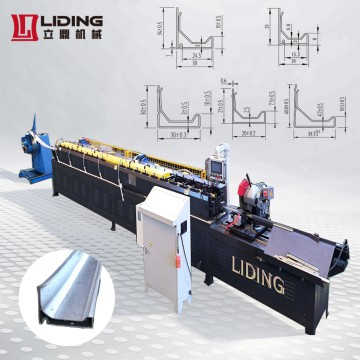
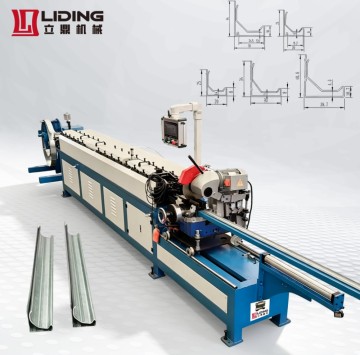
The eave strut is one of the most structurally critical profiles in a barn frame — it simultaneously acts as the top chord of the wall, the bottom chord of the roof, and a compression member resisting lateral loads. Roll-formed eave struts feature complex cross-sections with multiple bends, requiring high-precision tooling and consistent material feeding to achieve the required geometry and mechanical properties.
Modern agricultural facilities increasingly incorporate mezzanine levels for feed storage, equipment rooms, or staff facilities. Cold-formed steel joists and bridging channels produced on roll forming lines provide a lightweight, non-combustible floor framing system that can be designed and fabricated to exact span and load requirements.
A rapidly growing application is the integration of solar photovoltaic (PV) systems onto barn roofs — so-called agrivoltaic installations. This requires dedicated aluminum or steel C channel and hat-section mounting rails to support PV module frames. Liding's Changeable Solar C Channel Machine is specifically engineered for this application, producing adjustable-width C profiles compatible with major PV racking system standards. The ability to run multiple profile sizes on a single machine makes it ideal for barn solar installers who need flexibility across different roof pitches and module configurations.
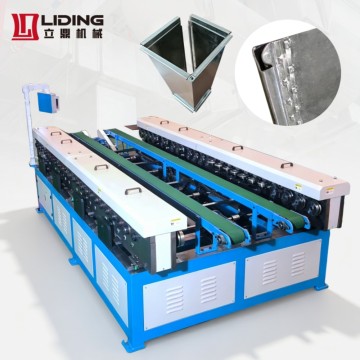
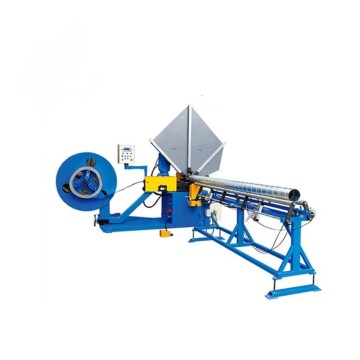
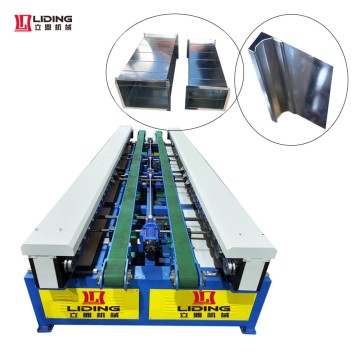
Proper ventilation is critical in livestock housing to control temperature, humidity, and airborne pathogens. Modern barn ventilation systems rely on spiral round ductwork and rectangular flat-oval duct systems — all produced on dedicated roll forming and duct forming machines. Liding's spiral duct forming machines and TDC flange forming systems are widely deployed in agricultural HVAC projects, enabling on-site duct fabrication that reduces logistics costs and allows custom sizing for each barn layout.
The intersection of smart manufacturing, sustainability mandates, and global food security investment is reshaping the roll forming equipment market for agricultural applications.
| Trend | Impact on Roll Forming Technology | Timeline |
|---|---|---|
| Industry 4.0 Integration | PLC-controlled lines with IoT connectivity, remote diagnostics, and production data analytics enabling predictive maintenance and zero-defect manufacturing | Now – 2027 |
| High-Strength Steel Adoption | Increased use of S550–S700 grade steels requiring upgraded roll tooling materials (D2/Cr12MoV) and servo-driven straightening systems to manage springback | Now – 2028 |
| Agrivoltaic Barn Roofs | Surge in demand for solar C channel and hat-section roll forming lines as barn operators monetize roof space through PV energy generation | 2024 – 2030 |
| Modular Barn Construction | Factory-prefabricated barn modules require roll forming lines with integrated stacking, bundling, and automated labeling systems for just-in-time delivery | 2025 – 2030 |
| Quick-Changeover Multi-Profile Lines | Demand for single machines capable of producing 4–8 different profile sizes (C, Z, hat, stud) via servo-adjustable roll stands, reducing capital investment for smaller manufacturers | Now – 2028 |
| Sustainability & Low-Carbon Steel | Green building certifications for agricultural facilities driving demand for roll forming lines compatible with recycled-content and low-carbon steel coil | 2025 – 2032 |
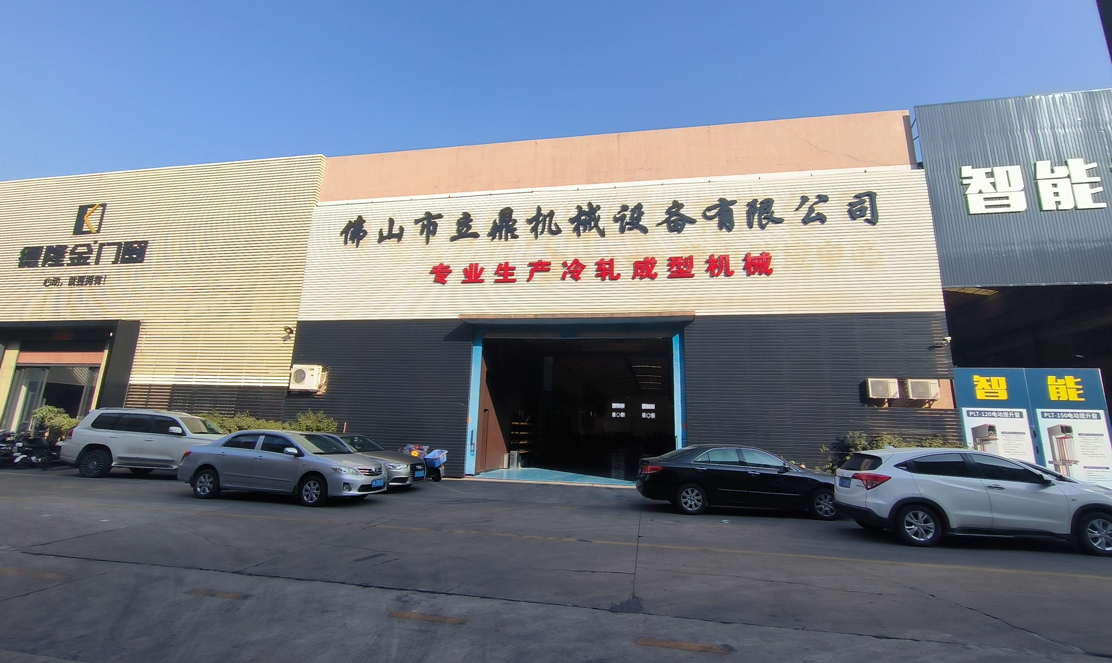
Foshan Liding Machinery Equipment Co., Ltd. was established in 2014, with a core technical team boasting over 25 years of experience in the cold-forming industry. We are a specialist manufacturer of metal roll forming equipment, dedicated to providing efficient, precise, and reliable customized production line solutions for global HVAC systems, building structures, and storage equipment sectors.
We are not merely a machine supplier — we are your strategic partner in product innovation and production efficiency enhancement.
Four core competencies that make Liding Machinery the preferred roll forming partner for agricultural barn builders globally.
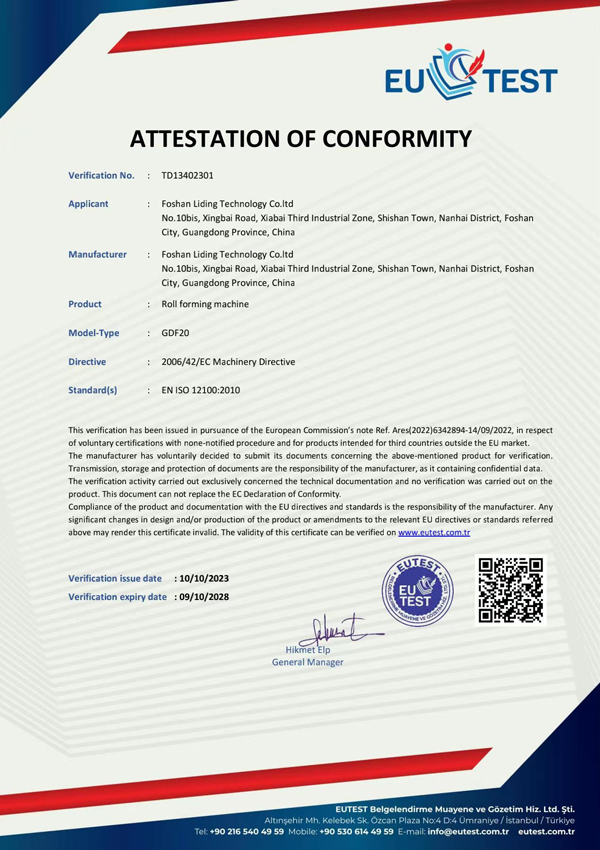
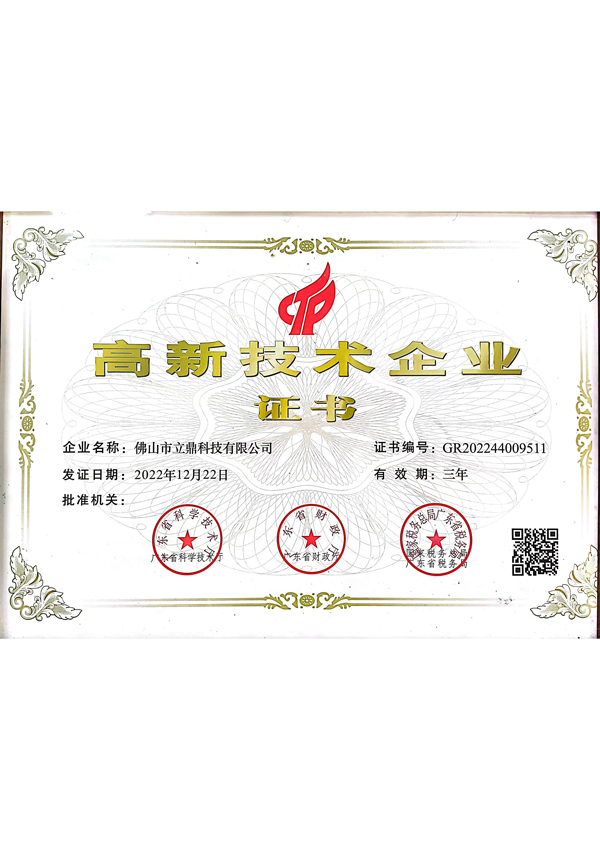
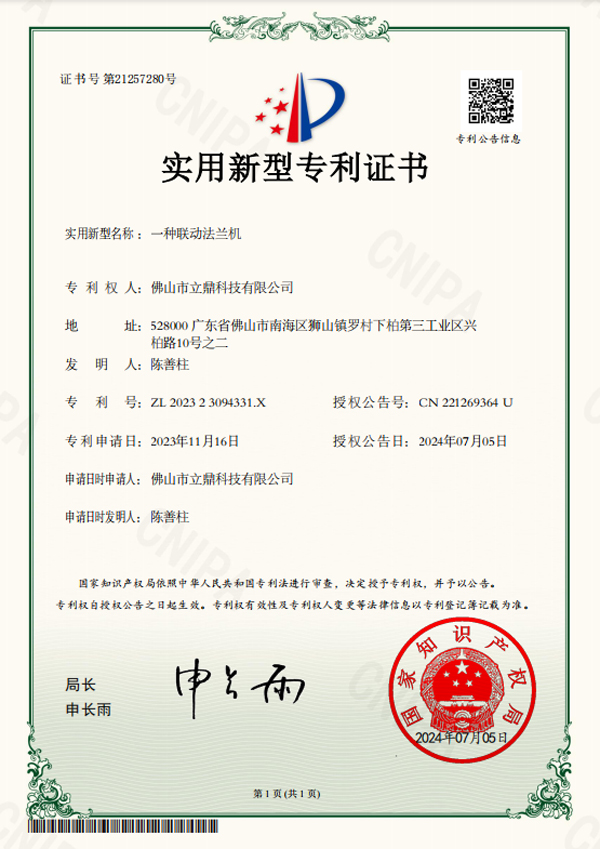
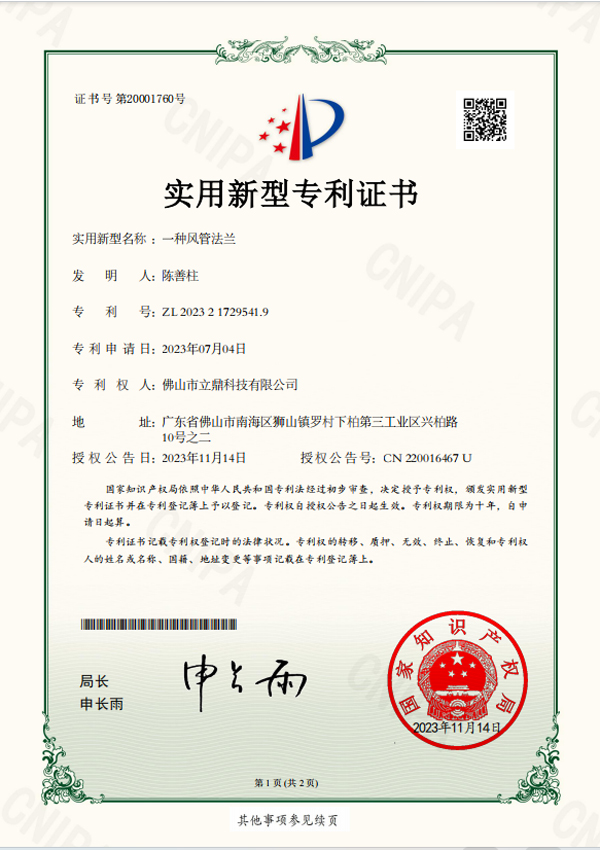
Liding Machinery's quality management systems, engineering standards, and product certifications are independently verified — giving agricultural builders worldwide confidence in every machine we supply.
Explore our full range of cold-forming equipment — from structural barn framing profiles to HVAC duct systems and solar mounting rails.