
Leave Your Message
Purpose-built machines delivering consistent, high-strength secondary load-bearing profiles for prefabricated steel factory construction.
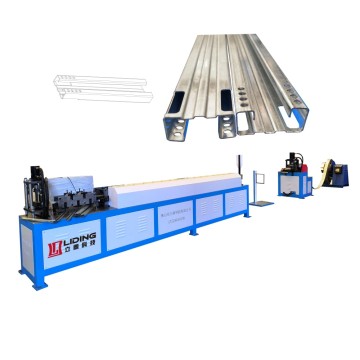
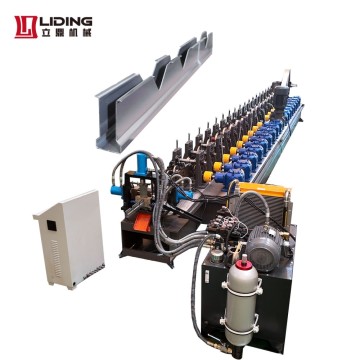
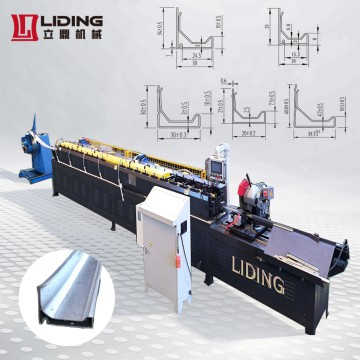

The prefabricated steel building industry has undergone a profound transformation over the past decade. Driven by accelerating urbanization, surging demand for logistics and warehousing infrastructure, and the global push toward faster, more cost-efficient construction, prefabricated steel industrial factories now represent one of the fastest-growing segments in the construction materials sector.
Within these structures, secondary load-bearing framing — comprising cold-formed steel purlins, girts, eave struts, sub-girts, and bridging channels — plays an absolutely critical role. These members transfer wind, snow, and gravity loads from cladding panels to the primary structural frame, and their dimensional accuracy, material consistency, and surface quality directly determine the structural integrity and construction efficiency of the entire building.
Roll making machines (cold roll forming machines) are the core production equipment for manufacturing these profiles. Modern high-precision roll forming lines can produce C, Z, Sigma, and Omega section purlins and girts at speeds exceeding 30 meters per minute, with dimensional tolerances within ±0.2 mm — far surpassing the consistency achievable through traditional press-brake fabrication.
Cold roll forming transforms flat steel coil stock into precise, complex cross-section profiles in a single continuous pass through a series of contoured roller dies. Unlike stamping or press-brake bending, roll forming is a continuous process with minimal material waste, capable of integrating punching, notching, and cut-to-length operations inline. For secondary structural framing production at industrial scale, this translates into dramatically lower per-unit costs, higher throughput, and superior repeatability across every component in the building system.
E-commerce fulfillment centers, cold-chain logistics hubs, automotive manufacturing plants, and photovoltaic module factories are all driving unprecedented demand for large-span steel industrial buildings. Each of these facility types requires thousands of precisely formed secondary framing members per project, making reliable, high-output roll forming machinery an indispensable capital investment for steel building system manufacturers globally.
The next generation of roll making machines is being shaped by automation, intelligence, and sustainability demands across the global steel building industry.
Modern roll forming lines for structural secondary framing now integrate servo-driven feeding systems, CNC-controlled flying cut-off presses, and automatic stacking units. Servo control eliminates the mechanical limitations of traditional gearbox systems, enabling rapid length changes and hole-pattern variations without stopping the line. This is critical for prefabricated building manufacturers who must produce multiple profile lengths and punching configurations within a single production run.
Leading roll forming machine manufacturers now offer cassette-type roll tooling systems that allow operators to switch between C-purlin, Z-purlin, Sigma section, and Omega profile production within minutes rather than hours. For steel building system manufacturers serving diverse project requirements, this flexibility dramatically improves equipment utilization rates and reduces the capital investment required to serve multiple market segments simultaneously.
Industry 4.0 connectivity is transforming roll forming operations. Embedded sensors monitor roller bearing temperatures, forming forces, material thickness variations, and production counts in real time. Cloud-connected PLC systems enable remote diagnostics, predictive maintenance scheduling, and production data analytics — reducing unplanned downtime and extending equipment service life in demanding 24/7 industrial production environments.
The shift toward higher-strength galvanized steel coils (S550–S700 grade) for secondary structural framing demands roll forming machines with reinforced frame structures, hardened and precision-ground roller dies, and advanced springback compensation systems. Machines engineered for high-tensile materials not only extend the structural performance of the finished framing members but also reduce material consumption per linear meter — a key sustainability advantage.
Modern structural framing roll forming lines integrate servo-driven inline punching units that create bolt holes, service penetrations, bridging clip holes, and end-notches in a single pass. This eliminates secondary drilling and cutting operations, reduces labor costs, and ensures perfect hole-position repeatability across every component — a critical requirement for the modular assembly systems used in prefabricated building construction.
As prefabricated steel building systems become increasingly integrated with Building Information Modeling (BIM) workflows, roll forming machines must be capable of receiving digital production data directly from design software. CNC roll forming lines that accept DXF or XML production files from BIM platforms enable seamless digital manufacturing workflows, eliminating manual data entry errors and accelerating project delivery timelines.
Roll-formed secondary structural members are deployed across a wide spectrum of prefabricated steel industrial building applications, each with distinct technical requirements.
In single-span and multi-span steel industrial factories with spans of 18–60 meters, cold-formed Z and C purlins serve as the primary roof secondary framing members, transferring roof cladding loads to primary rafters. Roll forming machines producing 200–300mm depth purlins in 1.5–3.0mm galvanized steel at 20–40m/min output rates are the backbone of steel building component manufacturers. Inline punching of bridging clip holes, anti-sag rod holes, and rafter connection bolt patterns is standard in modern production lines.
Cold-formed girts — horizontal secondary framing members spanning between primary columns — support wall cladding panels and transfer wind pressure and suction loads to the primary structural frame. Roll-formed C and Z section girts in depths from 100mm to 250mm are produced on the same flexible roll forming lines as roof purlins, with quick-change tooling enabling rapid transitions between profile sizes to match project-specific engineering requirements.
The eave strut — a unique section that simultaneously functions as the outermost roof purlin and the topmost wall girt — is one of the most geometrically complex secondary framing profiles in steel building systems. Specialized roll forming tooling produces this asymmetric section with the precision required for tight fit-up with both roof and wall cladding systems, eliminating the need for site-fabricated solutions and ensuring weathertight eave details in prefabricated factory buildings.
The explosive growth of rooftop solar installations on industrial factory buildings has created a new and rapidly expanding application for roll-formed secondary structural members. Custom-profile sub-purlins and hat-section rails, produced on flexible roll forming lines, provide the precise mounting substrate for photovoltaic panel racking systems while integrating with the primary purlin structure. This application demands tight dimensional tolerances and consistent hole patterns across very high production volumes.
Refrigerated distribution centers and cold-chain logistics facilities present unique challenges for secondary structural framing: the need to accommodate thick insulated panel systems, vapor barriers, and condensation management details. Roll-formed secondary framing for these applications often requires special profile geometries — deeper sections, thermal break provisions, and specific hole patterns for insulation panel fastener systems — that can only be economically produced through purpose-configured roll forming lines.
Automotive assembly plants, component manufacturing facilities, and heavy industrial workshops require secondary structural framing systems capable of supporting overhead crane rail systems, heavy mechanical and electrical services, and large industrial doors and openings. Roll-formed Sigma and Omega section purlins and girts, produced in thicker gauges (2.5–4.0mm) on heavy-duty roll forming machines, provide the enhanced load capacity and connection versatility required in these demanding industrial environments.
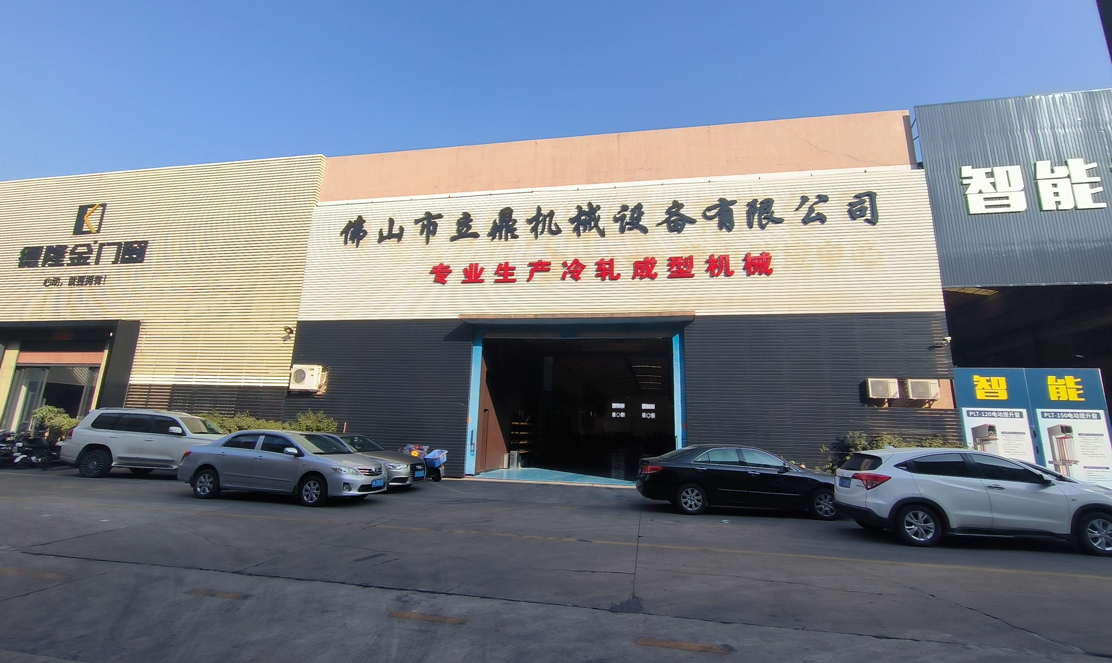
Foshan Liding Machinery Equipment Co., Ltd. was established in 2014, with a core technical team boasting over 30 years of cumulative experience in the cold-forming industry. We are a specialist manufacturer of metal roll forming equipment, dedicated to providing efficient, precise, and reliable customized production line solutions for global HVAC systems, building structures, and storage equipment sectors.
We are not merely a machine supplier — we are your strategic partner in product innovation and production efficiency enhancement. You provide drawings or samples; we deliver comprehensive, turnkey production solutions engineered to your exact profile requirements and output targets.
A track record of global excellence in roll forming machine manufacturing.
Four pillars that define Liding Machinery's leadership in secondary structural framing roll forming equipment.
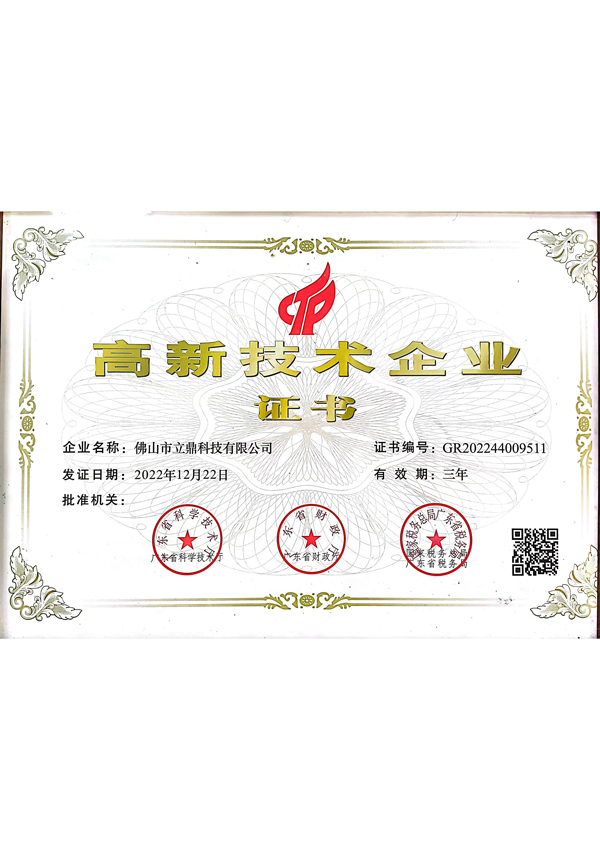
25+ years of experience in cold-bending forming, with a dedicated R&D team of over 10 engineers continuously advancing roll tooling design, machine rigidity, and forming process optimization for structural steel profiles.
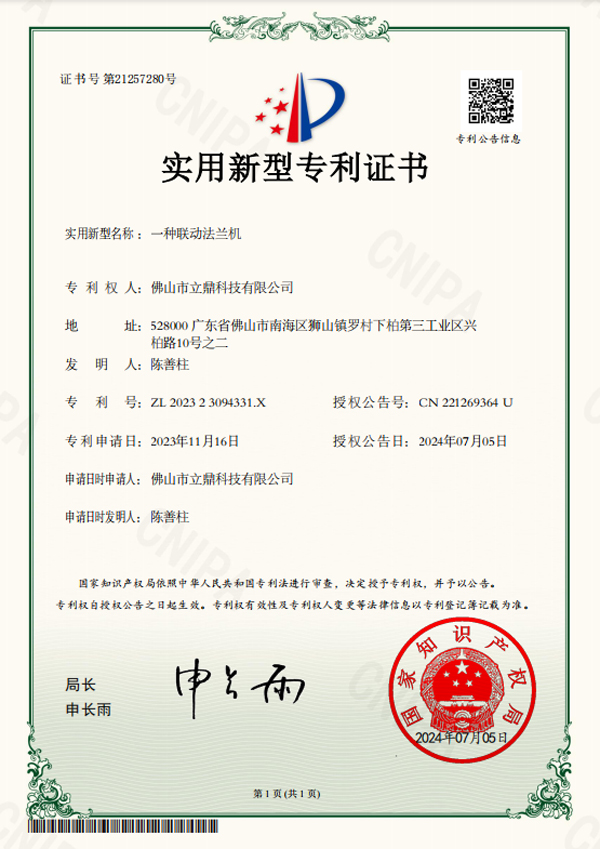
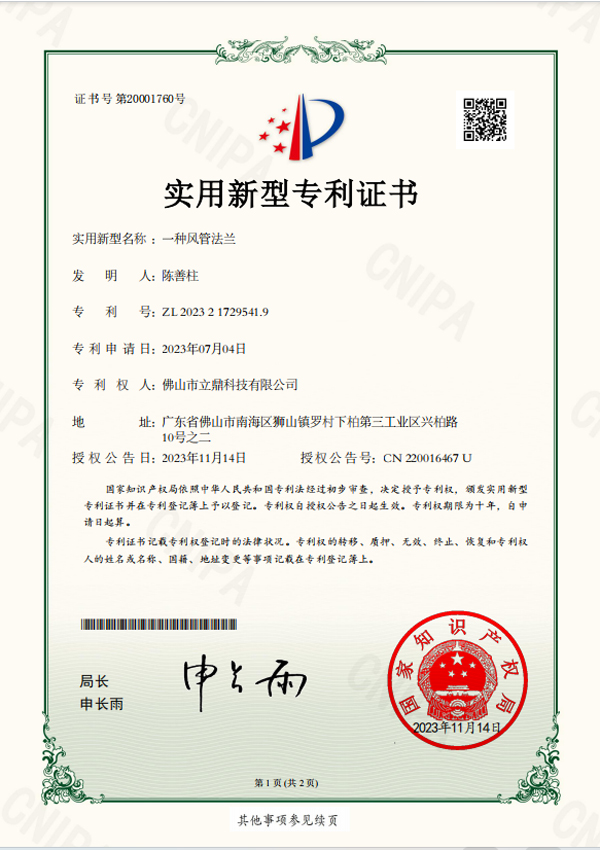
Anti-seismic bracket patented technology — safe, reliable, and independently validated. Our patented innovations in structural forming technology provide our clients with a genuine competitive advantage in their end markets.
Fully customized on demand — a complete production line solution from blueprint to mass production. Whether you require C/Z purlin lines, Sigma section formers, or multi-profile quick-change systems, we engineer the solution around your exact requirements.
Global technical support with a 48-hour response commitment. Our modular machine architecture enables quick changeover between profile sizes, maximizing equipment versatility and minimizing production downtime for our clients worldwide.
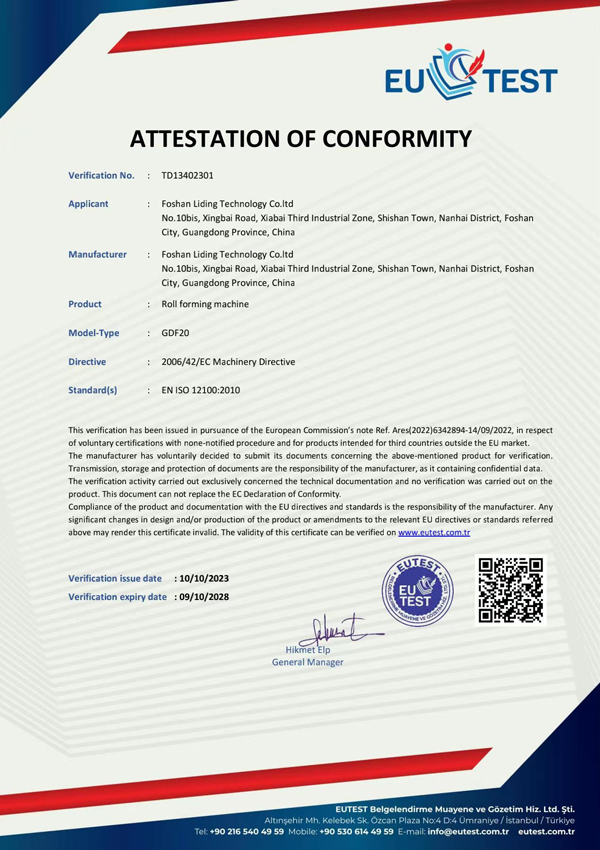
Our manufacturing processes and roll forming equipment meet internationally recognized quality and safety standards.
Explore our full portfolio of precision roll forming machines for structural, HVAC, and industrial applications — all engineered for high-output, long-service production environments.
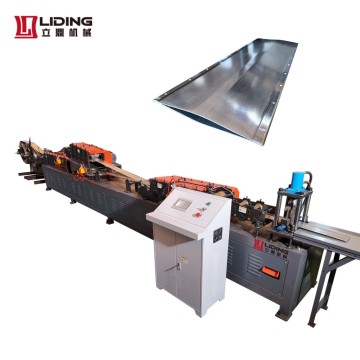
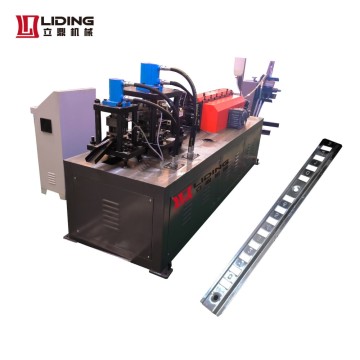
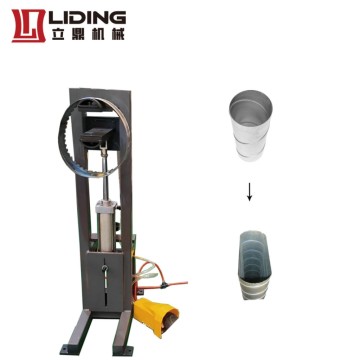
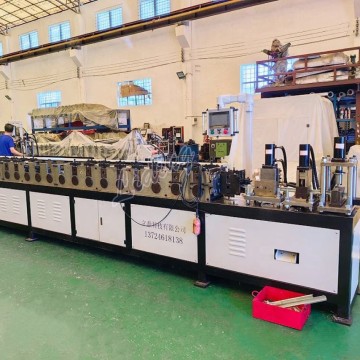
Contact Liding Machinery today to discuss your secondary load-bearing framing roll forming requirements. Our engineering team will design a customized production solution — from coil decoiling to finished stacked profiles — engineered for your exact profile specifications, production targets, and budget.
Get a Custom Solution →