
Leave Your Message
Specialized roll forming equipment engineered for passive fire protection systems and HVAC air safety isolation components used in high-rise commercial buildings.
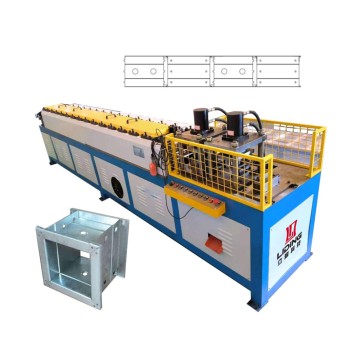 Liding LD-FD05 Fire Damper Frame Roll Forming Machine — Passive Fire Containment
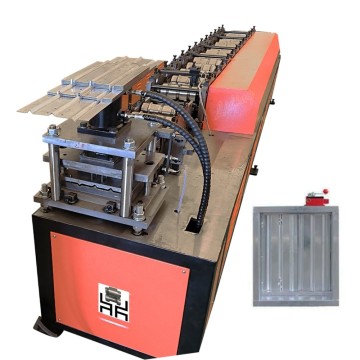 HVAC Fire Damper VCD Blade Shutter Roll Forming Machine — Air Safety Isolation
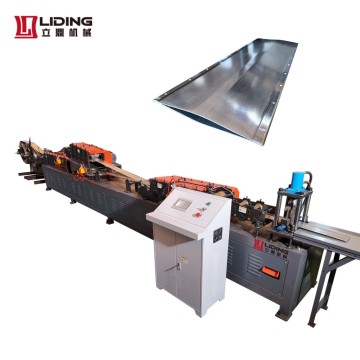 LiDing Auto Galvanized Steel Fire Damper Blade Roll Forming Machine — VCD Blade Maker
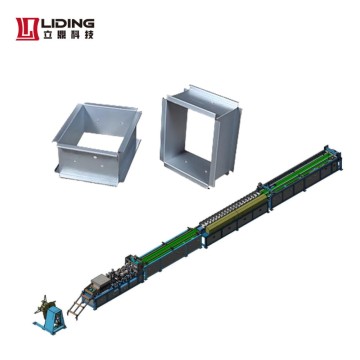 High-Speed VCD & Fire Damper Frame Production Line LD-FD06 — 23KW Fully Automatic
As urban skylines continue to rise and high-rise commercial office buildings become the dominant form of modern workspace, the demand for robust passive fire containment systems and reliable air safety isolation infrastructure has never been more critical. Passive fire protection (PFP) refers to building components that are inherently resistant to fire spread — without requiring activation — and includes fire dampers, smoke control dampers, fire-rated ductwork, and compartmentalization barriers. At the core of manufacturing these life-safety components lies a highly specialized category of industrial equipment: the roll forming machine.
🔥 Key Insight: According to global fire safety industry reports, the passive fire protection market is projected to surpass USD 6.2 billion by 2028, with HVAC fire damper systems accounting for one of the fastest-growing segments — driven by tightening building codes across North America, Europe, the Middle East, and Asia-Pacific.
Roll forming machines are continuous metal-forming systems that progressively bend sheet metal — typically galvanized steel — through a series of precision roller dies to produce uniform cross-sectional profiles. In the context of passive fire containment and air safety isolation for high-rise commercial offices, roll forming machines are essential for producing:
High-rise commercial office buildings present unique fire and smoke control challenges that low-rise structures do not face. The vertical stacking of occupied floors, the extensive HVAC distribution networks required to serve dozens of floors simultaneously, and the high occupant density all create complex scenarios where fire and toxic smoke can propagate rapidly through ductwork systems if proper passive containment measures are not in place.
Building codes such as NFPA 90A (USA), BS EN 1366-2 (Europe), and GB 50016 (China) mandate the installation of fire dampers at every ductwork penetration through fire-rated assemblies. Each damper must be manufactured to precise dimensional tolerances — typically ±0.5mm or better — to ensure proper seating, reliable blade closure, and compliance with UL 555 or equivalent certification standards. This is where high-precision roll forming machines become indispensable: they deliver the dimensional consistency and production throughput required to manufacture thousands of fire damper components with the accuracy that life-safety applications demand.
The global market for HVAC fire damper components is characterized by a growing number of specialist manufacturers in China, India, Turkey, and Eastern Europe supplying both domestic construction booms and international export markets. Key market drivers include:
The intersection of smart building technology, advanced materials science, and Industry 4.0 automation is reshaping how roll forming machines are designed, operated, and integrated into fire safety component manufacturing.
In a typical 40-story commercial office tower, there may be thousands of fire-rated wall and floor penetrations where HVAC ductwork passes through. Each penetration requires a UL-listed or CE-marked fire damper — a device that automatically closes upon detection of heat or smoke to prevent fire and smoke from spreading through the ductwork system. The fire damper frame, which is the structural housing welded or mechanically fastened into the wall or floor opening, must be manufactured to exact dimensions matching the duct size and the fire-rated assembly thickness.
Roll forming machines such as the Liding LD-FD05 Fire Damper Frame Roll Forming Machine produce these frames from galvanized steel coil at high speed, with integrated punching stations that create the mounting holes, access door cutouts, and sleeve flanges required for installation. The ability to produce custom-length frames via servo-controlled cut-to-length systems means that a single production run can supply frames for dozens of different duct sizes across a single construction project.
Volume Control Dampers (VCDs) are installed throughout the HVAC distribution systems of high-rise commercial offices to regulate airflow to individual zones. In fire and smoke control mode, these dampers work in concert with building management systems (BMS) to create pressure differentials that prevent smoke migration from fire-affected floors to occupied floors — a critical life-safety function in high-rise evacuation scenarios.
The louver blades within VCDs must be manufactured with extreme precision: blade straightness, edge quality, and dimensional consistency directly affect both aerodynamic performance during normal operation and sealing effectiveness during fire events. The HVAC Square Volume Control Fire Damper VCD Blade Shutter Roll Forming Machine produces these blades from galvanized steel coil with consistent cross-sectional profiles, clean sheared edges, and precise length control — ensuring that blade sets fit perfectly within their frames and achieve the required leakage class ratings.
💡 Technical Insight: A single high-rise commercial office project may require 500–2,000+ fire and smoke dampers of varying sizes. Roll forming machines capable of rapid size changeover — from 150mm to 1200mm duct widths — are essential for efficiently supplying such projects without excessive lead times or inventory costs.
Passive fire containment in high-rise commercial offices is not limited to HVAC damper systems. The fire-rated partition walls, ceiling systems, and shaft enclosures that compartmentalize the building into fire-rated zones are constructed from light steel framing systems — C-studs, U-tracks, and furring channels — that are produced on roll forming machines. These framing profiles are filled with fire-rated insulation and clad with multiple layers of fire-rated gypsum board to achieve the required fire resistance ratings (typically 60, 90, or 120 minutes).
The Liding Changeable Solar C Channel Machine and Customizable Width Adjustable Metal C-Channel Roll Forming Machine (LDC-04) exemplify the type of flexible roll forming equipment used to produce these structural framing components — with width-adjustable tooling that can produce C-profiles across a broad range of stud widths from a single machine setup.
The structural concrete elements of high-rise commercial office buildings — floor slabs, shear walls, and core walls — provide the primary passive fire containment barriers between floors and between the building core and occupied spaces. Steel formwork systems, produced on roll forming machines, are used during construction to form these concrete elements to precise dimensions and surface finishes.
The Liding Heavy-Duty Steel Formwork Roll Forming Machine produces heavy-gauge steel formwork panels for wall and platform construction — enabling construction contractors to achieve the precise slab and wall thicknesses required for fire resistance ratings while maintaining the structural integrity needed for high-rise loading conditions.
High-rise commercial offices require numerous fire-rated access panels and inspection doors in walls and ceilings — providing maintenance access to fire dampers, smoke detectors, and HVAC components while maintaining the fire resistance integrity of the surrounding assembly. The Liding Hidden Door Upright Forming Machine produces the precision steel upright profiles used in these concealed door systems — where dimensional accuracy is critical for the door to sit flush with the surrounding wall surface while maintaining the required fire-rated seal.
Trusted by fire safety component manufacturers and HVAC equipment producers across more than 50 countries worldwide.
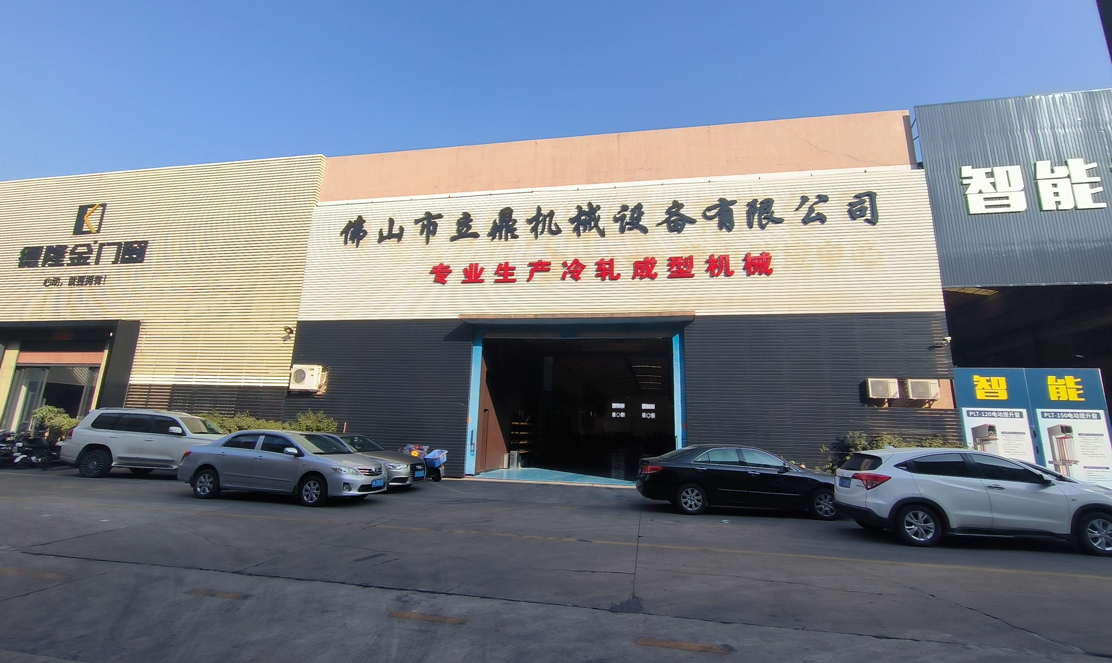
Foshan Liding Machinery Equipment Co., Ltd. was established in 2014, with a core technical team boasting over 25–30 years of experience in the cold-forming industry. We are a specialist manufacturer of metal roll forming equipment, dedicated to providing efficient, precise, and reliable customized production line solutions for global HVAC systems, building structures, and storage equipment sectors.
We are not merely a machine supplier — we are your strategic partner in fire safety component product innovation and production efficiency enhancement.
We design and manufacture high-precision cold-forming equipment covering:
You provide drawings or samples — we deliver comprehensive production solutions. Our focus extends beyond the machinery itself to the quality and production costs of your end products. Our dedicated team offers ongoing technical support and after-sales service with a 48-hour response commitment.
Our roll forming machines and manufacturing processes are certified to international quality and safety standards — ensuring our equipment produces fire safety components that meet global compliance requirements.
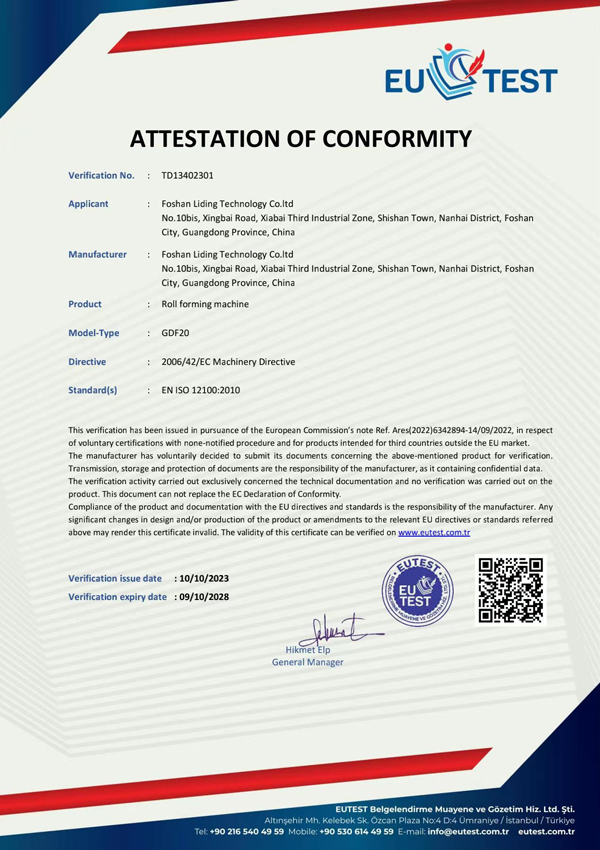

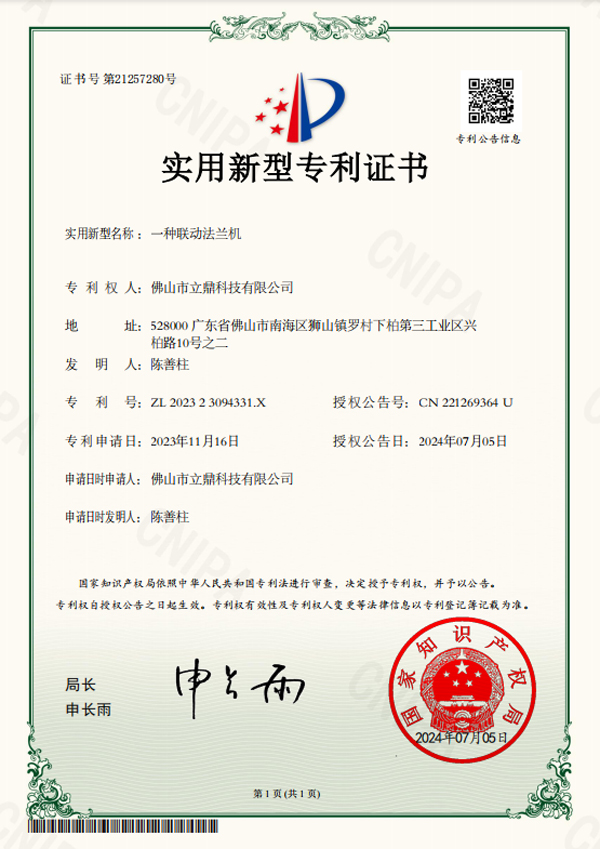
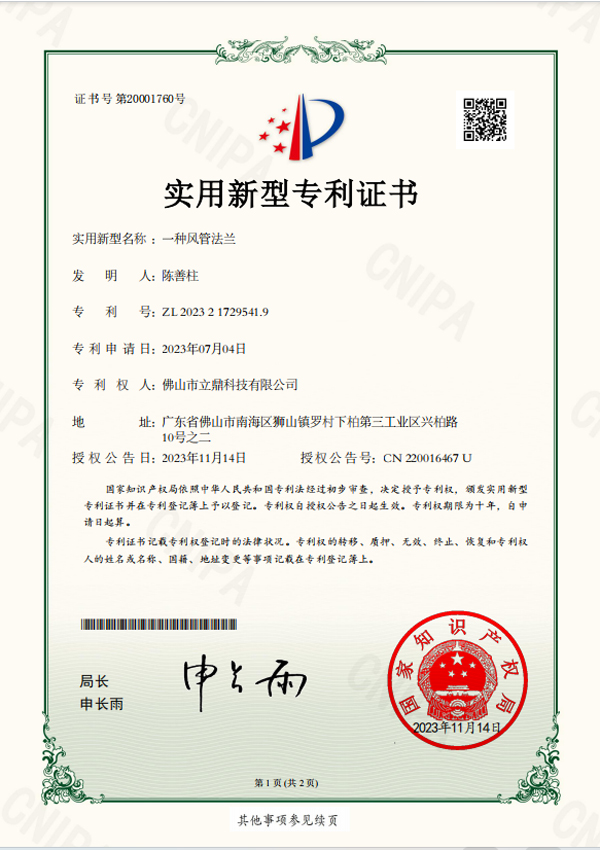
Explore our full range of roll forming machines engineered for passive fire containment, air safety isolation, HVAC component manufacturing, and building structure production.
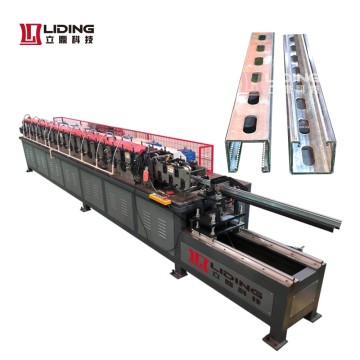 Liding Changeable Solar C Channel Machine — Fire-Rated Partition & HVAC Framing
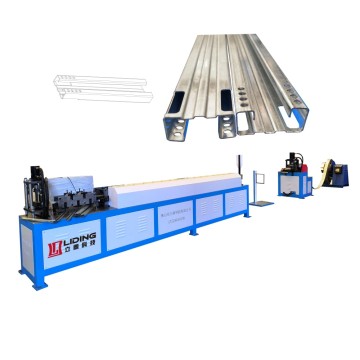 Liding Hidden Door Upright Forming Machine — Fire-Rated Access Panel Systems
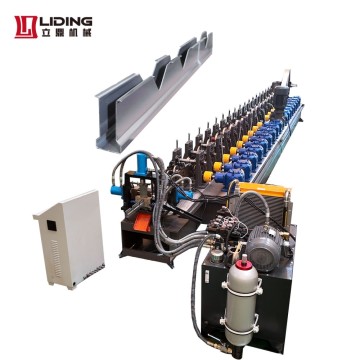 Liding Heavy-Duty Steel Formwork Roll Forming Machine — Fire-Rated Concrete Wall Construction
Liding LD-FD05 Fire Damper Frame Roll Forming Machine — High-Rise Passive Fire Containment
HVAC VCD Blade Shutter Roll Forming Machine — Air Safety Isolation in Commercial Offices
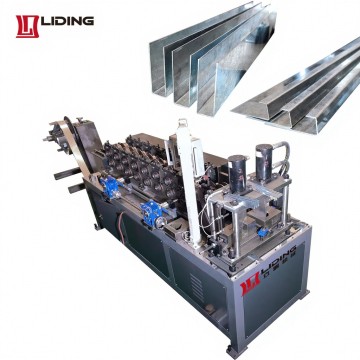 Customizable Width Adjustable Metal C-Channel Roll Forming Machine — HVAC & Fire Safety Framing LDC-04
LiDing Auto Galvanized Steel Fire Damper Blade Roll Forming Machine — Smoke Control VCD Systems
High-Speed VCD & Fire Damper Frame Production Line LD-FD06 — 23KW Fully Automatic for High-Rise Offices
Contact Liding Machinery today for a customized roll forming solution engineered specifically for your passive fire containment and air safety isolation component manufacturing requirements. From initial drawings to full production line commissioning — we deliver complete solutions.
Explore Fire Damper Roll Forming Machines