Leave Your Message
Engineered for structural precision in prefabricated steel industrial factory construction
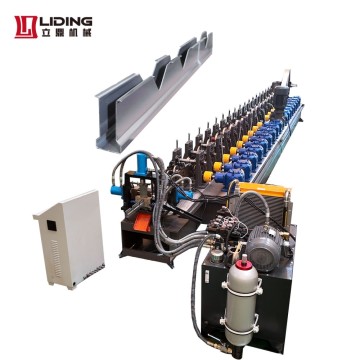
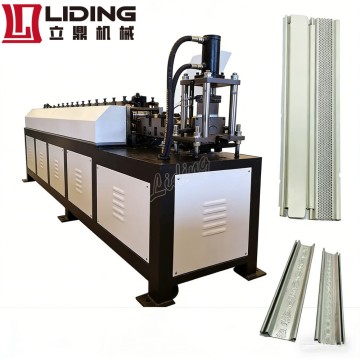
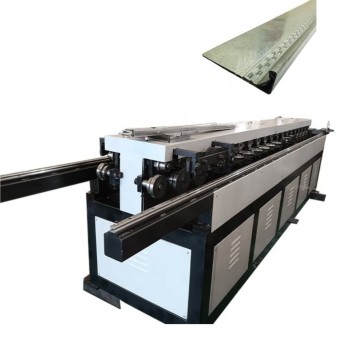
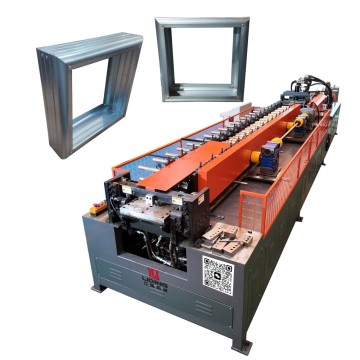
The global prefabricated steel building industry has experienced unprecedented growth over the past decade. Driven by rapid urbanization, rising labor costs, and increasing demand for faster construction cycles, prefabricated steel industrial factories now account for a significant share of new industrial construction worldwide — particularly across Southeast Asia, the Middle East, and Eastern Europe.
At the core of this transformation lies the roll forming machine — a cold-forming technology that continuously shapes metal coil stock into precise structural profiles at high speed and with minimal material waste. For secondary load-bearing framing systems such as purlins, girts, eave struts, bridging channels, and wall studs, roll forming delivers unmatched consistency, scalability, and cost efficiency.
Roll forming machines for structural secondary framing are no longer simple bending tools — they are intelligent, servo-driven, CNC-controlled production lines capable of producing dozens of profile variants from a single machine platform, dramatically reducing changeover time and capital expenditure for manufacturers.
Key technological and market trends shaping the future of roll forming for prefabricated industrial steel structures
Modern roll forming lines for secondary framing now integrate CNC servo systems with real-time IoT monitoring. Operators can remotely adjust profile dimensions, production speed, and cut lengths from a central dashboard — enabling predictive maintenance and zero-downtime production scheduling critical for large-scale factory construction projects.
Prefabricated steel factory projects typically require multiple framing profiles — C-purlins, Z-purlins, U-channels, hat sections, and sigma profiles — within the same project. Quick-changeover roll forming systems with modular tooling cassettes allow manufacturers to switch between profiles in under 30 minutes, drastically improving production flexibility and reducing tooling investment.
The shift toward high-strength cold-formed steel (HSCS) with yield strengths of 550–700 MPa is accelerating in industrial factory construction. Advanced roll forming machines are being engineered with reinforced roll stations, hardened tooling materials, and precision-ground rolls to handle these demanding materials without profile distortion or dimensional drift.
Factory framing components increasingly require pre-punched bolt holes, service penetrations, and notched end connections for direct bolted assembly on-site. In-line servo-driven punching and notching units are now standard on high-end framing roll forming lines, eliminating secondary operations and reducing per-piece labor cost by up to 40%.
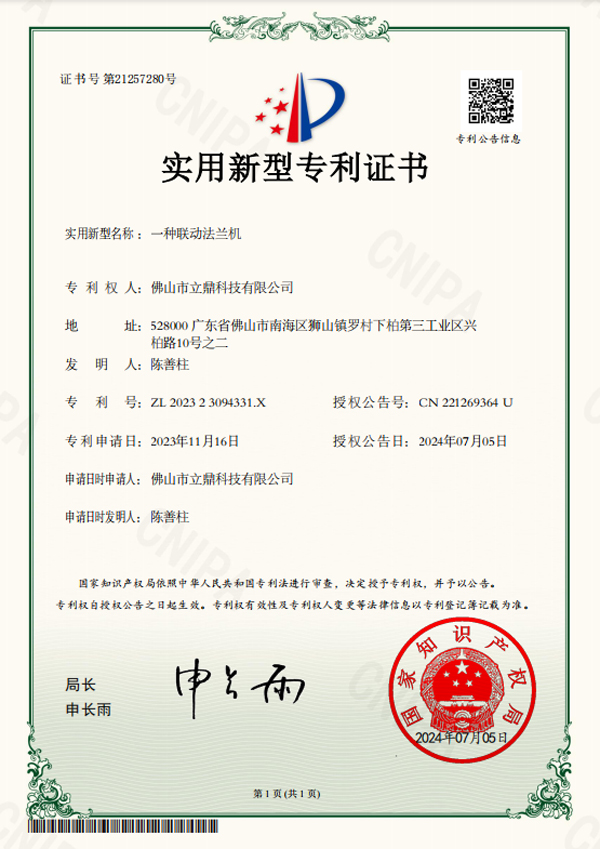
With increasing construction activity in seismic zones across Asia, the Middle East, and Latin America, demand for roll-formed secondary framing profiles with seismic-resistant geometry is surging. Liding's patented anti-seismic bracket forming technology delivers certified structural performance with every profile, backed by engineering documentation suitable for international building code compliance.
Sustainability mandates are reshaping industrial manufacturing globally. Roll forming is inherently a near-zero-waste process — material utilization rates exceed 97%. Combined with servo-electric drive systems replacing hydraulic power, modern framing roll forming lines consume 30–45% less energy than equivalent press-brake or stamping operations, aligning with ESG targets for factory developers and EPC contractors.
How roll forming machines power structural secondary framing across prefabricated steel industrial factory projects
In prefabricated steel industrial factories with clear spans of 30–60 meters, roof purlin systems form the primary secondary load-bearing framing layer between primary rafters and roof cladding. Roll-formed C and Z purlins — typically in 1.5–3.0mm galvanized steel — are produced at speeds of 15–25 m/min with consistent dimensional accuracy (±0.5mm), enabling direct bolted installation without site adjustment. High-volume purlin lines with automatic stacking and bundling reduce labor requirements by over 60% compared to press-brake fabrication.
Wall girts span horizontally between factory columns to support wall cladding panels and provide lateral stability. Eave struts at the roof-wall junction serve dual structural roles: supporting roof edge loads and providing wall top restraint. Roll forming machines produce these profiles with integrated lip returns and pre-punched bolt patterns, enabling rapid field assembly. The ability to produce variable-depth profiles on a single adjustable roll forming line is critical for projects requiring multiple girt depths across different wall heights.
Modern industrial factories increasingly incorporate mezzanine levels for office space, storage, or production support functions. Roll-formed hat sections, sigma profiles, and deep C-joists provide the secondary framing for these intermediate decks. The ability to produce long, dimensionally consistent sections — up to 12 meters without splicing — is a key advantage of roll forming over alternative fabrication methods, reducing structural connections and improving load distribution efficiency.
Heavy industrial factories housing overhead cranes, conveyor systems, and process equipment require dedicated secondary framing for equipment support brackets, runway beam supports, and utility distribution frames. Roll-formed structural channels and custom open sections provide the dimensional precision and material efficiency required for these safety-critical applications, with in-line punching ensuring consistent bolt-hole patterns for reliable load transfer.
Architectural industrial facilities — logistics hubs, data center campuses, and advanced manufacturing plants — increasingly specify curtain wall façade systems that require precision roll-formed aluminum or steel sub-framing. These secondary framing members must meet tight dimensional tolerances (±0.2mm) to ensure proper curtain wall panel alignment and weathertightness. CNC roll forming lines with servo-controlled punch units are the only practical production method for the volume and precision required.
The off-site prefabrication model — where complete wall panels, roof cassettes, and floor modules are assembled in a factory before delivery to site — is transforming industrial construction delivery timelines. Roll forming machines enable the high-volume, high-precision production of framing components required for modular construction, with production rates 3–5x faster than traditional fabrication. Integration with BIM-driven CNC programming allows direct translation of structural design data into machine production parameters with zero manual re-entry.
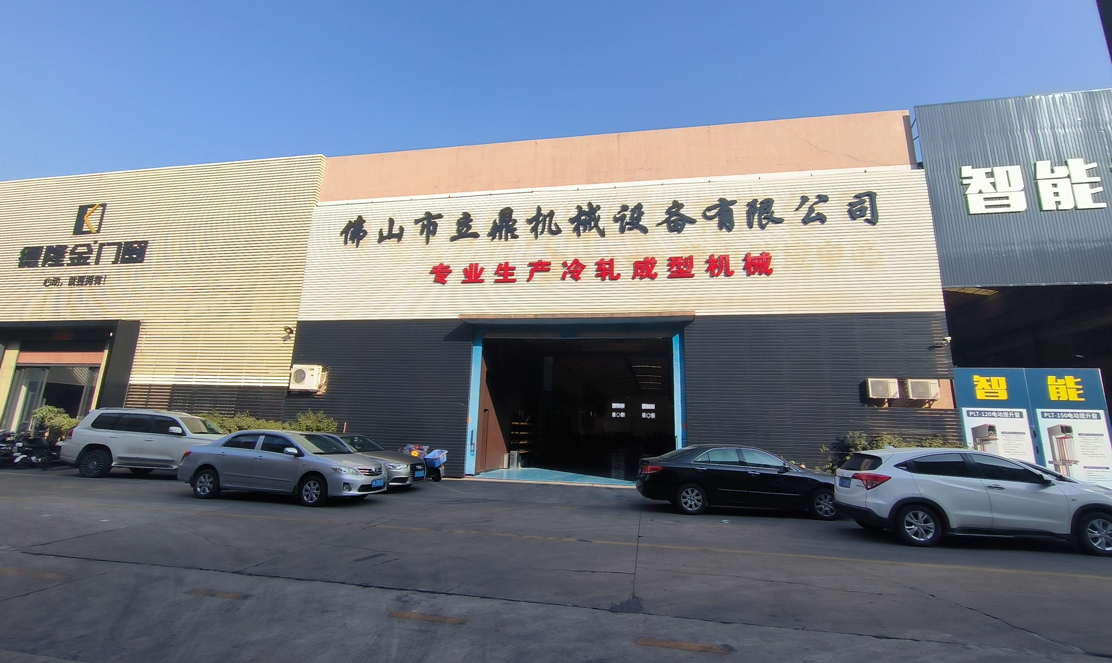
Foshan Liding Machinery Equipment Co., Ltd. was established in 2014, with a core engineering team boasting over 25 years of hands-on experience in the cold-forming industry. We are a specialist manufacturer of metal roll forming equipment, dedicated to providing efficient, precise, and reliable customized production line solutions for global markets.
Our expertise spans HVAC ductwork machinery, building structures including light steel studs, steel formwork, seismic brackets and purlins, as well as warehouse equipment such as racking columns, beams, and shelving panels. We are not merely a machine supplier — we are your strategic partner in product innovation and production efficiency enhancement.
What sets Liding Machinery apart in the global roll forming industry
25+ years of experience in cold-bending forming, with a dedicated R&D team of over 10 engineers continuously advancing roll forming technology for structural applications.
Anti-seismic bracket patented technology delivers safe, reliable structural performance — backed by engineering certifications suitable for international building code compliance.
Fully customized production lines built to your specifications — from blueprint to mass production. Every solution is engineered to optimize your specific profile geometry and production volume requirements.
Global technical support with a guaranteed 48-hour response time. Our after-sales team provides remote diagnostics, spare parts supply, and on-site commissioning support worldwide.
Business and economic advantages driving global adoption in prefabricated steel industrial factory construction
At production volumes above 5,000 meters per month, roll forming reduces per-meter fabrication cost by 35–55% compared to press-brake bending. Continuous forming eliminates setup time per piece, and automated cut-to-length systems remove manual handling labor — critical advantages for high-volume factory framing component supply contracts.
Structural secondary framing components must meet tight dimensional tolerances to ensure proper fit-up with primary steel frames and cladding systems. Roll forming delivers dimensional repeatability of ±0.5mm across production runs of thousands of meters — a level of consistency impossible to achieve with manual or semi-automated fabrication methods.
Industrial factory construction projects are under constant schedule pressure. A single roll forming line can produce 8,000–15,000 meters of purlin or girt profiles per shift — enough to frame a 5,000 m² factory roof structure in a single day. This production capacity directly translates to faster project completion and earlier revenue generation for factory developers.
Modern roll forming machines for structural framing can process galvanized steel, pre-painted steel, Zincalume, stainless steel, and aluminum coil stock. This material flexibility allows manufacturers to serve diverse project specifications — from standard industrial sheds to corrosion-resistant coastal facilities and food-grade production environments — from a single production line investment.
Factory-produced roll-formed framing components arrive on-site pre-cut, pre-punched, and labeled for direct installation. This eliminates on-site cutting waste, reduces site safety risks, and dramatically simplifies site logistics — particularly valuable for remote industrial facility construction where waste disposal and material transportation costs are significant.
For EPC contractors and steel building system manufacturers competing in global markets, the ability to produce structural framing components locally — rather than importing fabricated sections — provides significant cost, lead-time, and supply chain resilience advantages. A Liding roll forming line investment typically achieves full ROI within 12–18 months at standard production volumes.
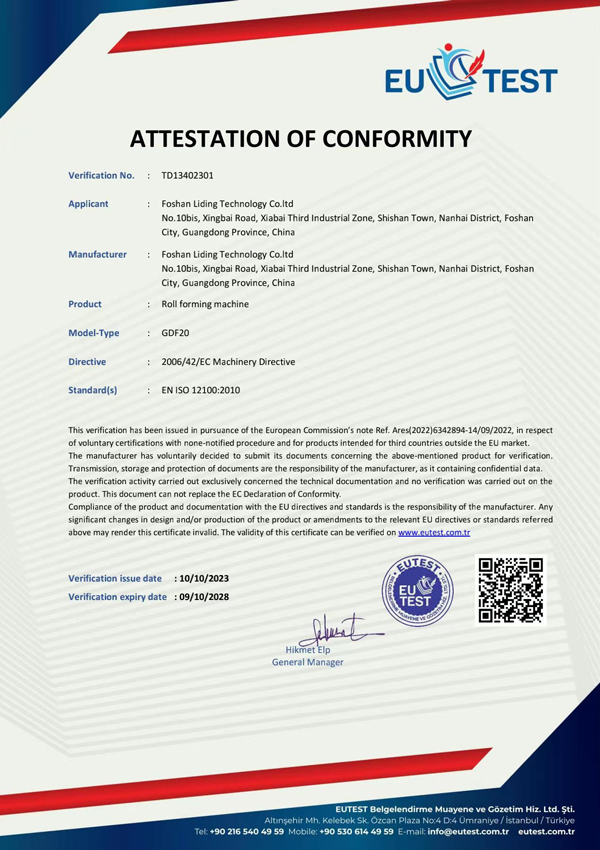
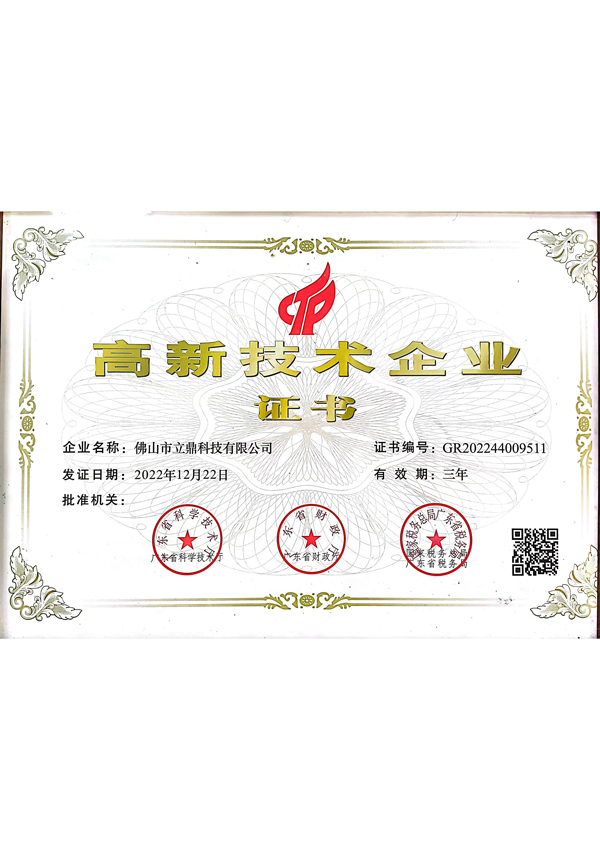
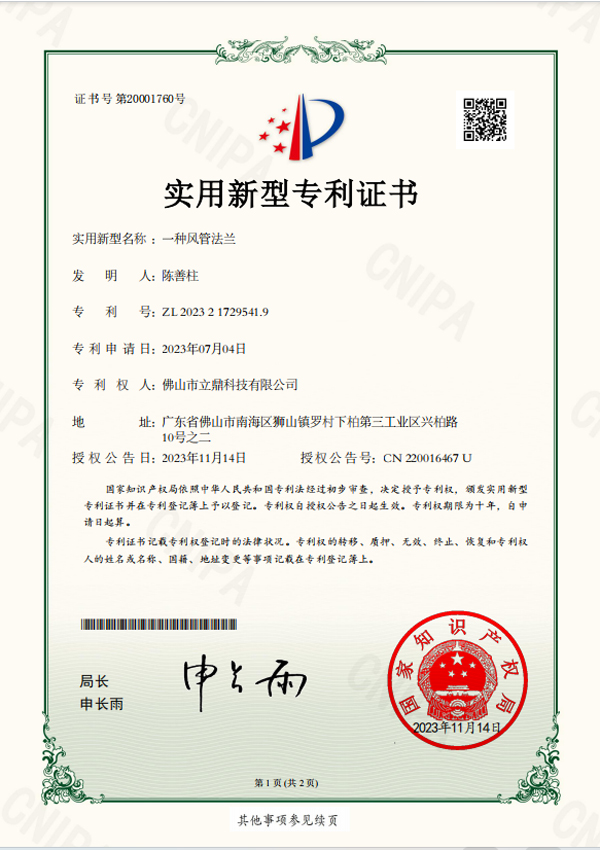
Internationally recognized certifications backing every Liding roll forming machine
Explore our full range of precision roll forming machines for industrial factory construction and building systems