
Leave Your Message
Marine and offshore platforms — including FPSOs, semi-submersible rigs, jack-up platforms, LNG carriers, and naval vessels — operate under some of the most extreme environmental conditions on Earth. Constant salt spray, high humidity, wide temperature fluctuations, and relentless mechanical vibration create a perfect storm of corrosion and fatigue challenges for any mechanical component.
Air regulation dampers are integral to the HVAC systems aboard these platforms, controlling airflow for ventilation, fire suppression, and pressure balancing in enclosed spaces. Their exterior casings must withstand decades of service without failure. Inferior casings risk corrosion-induced air leakage, damper malfunction, and ultimately, compromised crew safety and regulatory non-compliance.
⚙️ Key Insight: Industry studies indicate that up to 40% of HVAC system failures on offshore platforms are attributable to casing degradation — making precision-formed, corrosion-resistant enclosures a mission-critical investment, not merely a cost item.
Roll forming has emerged as the dominant manufacturing process for producing the exterior casings of air regulation dampers destined for marine and offshore use. Unlike stamping or press-brake bending, roll forming delivers continuous, uniform cross-sections with superior dimensional consistency — essential when damper casings must mate precisely with ductwork flanges and structural penetrations across a vessel.
Modern CNC roll forming machines enable the production of complex profiles in galvanized steel, stainless steel (304/316L), and marine-grade aluminum alloys at high throughput speeds — typically 15–40 meters per minute — while maintaining tolerances within ±0.1 mm. This combination of speed, precision, and material flexibility makes roll forming the preferred choice for shipbuilders, offshore fabricators, and HVAC contractors serving the marine sector globally.
The integration of servo-driven controls, automatic length cutting, and in-line punching further reduces downstream fabrication steps, shortening lead times for offshore projects where schedule delays carry enormous financial penalties.
The global marine HVAC equipment market is projected to exceed USD 2.8 billion by 2030, with offshore oil & gas and LNG infrastructure accounting for a significant share. Several macro-trends are reshaping how roll forming machines are specified and deployed for damper casing production.
Deepwater and ultra-deepwater oil & gas developments in the Gulf of Mexico, North Sea, West Africa, and Southeast Asia continue to drive demand for certified marine HVAC components. Each new FPSO or platform requires thousands of meters of damper casing profiles, all demanding roll-formed precision and corrosion resistance.
The maritime industry's decarbonization agenda is accelerating LNG carrier and dual-fuel vessel construction. These vessels demand more sophisticated HVAC and ventilation systems — with air regulation dampers playing a key role in managing boil-off gas ventilation and cargo hold atmospheres. Roll-formed stainless steel casings are increasingly specified to meet IMO and class society requirements.
Roll forming machine manufacturers are integrating IoT-enabled monitoring, AI-assisted fault detection, and digital twin simulation into their production lines. For marine damper casing fabricators, this translates to real-time quality assurance, predictive maintenance, and seamless integration with ERP systems — dramatically reducing scrap rates and improving delivery reliability for offshore clients.
Super-duplex stainless steel, coated high-strength steel, and fiber-reinforced composite-clad metals are entering the damper casing specification landscape. Modern roll forming lines must accommodate these advanced materials with precision roller geometry and controlled forming forces — a capability that differentiates leading machine manufacturers from commodity suppliers.
Class societies (DNV, Lloyd's Register, ABS, BV) and flag state authorities are raising the bar on HVAC component certification for offshore platforms. Damper casings must now demonstrate compliance with fire integrity, pressure resistance, and dimensional stability standards — all of which depend on the precision and repeatability of the roll forming process.
South Korea, China, and Japan collectively account for over 85% of global shipbuilding output. The concentration of shipyards in these regions, combined with growing offshore wind installation activity, has created a massive and growing market for high-performance roll forming machines capable of producing marine-grade HVAC damper casings at industrial scale.
From FPSO accommodation modules to naval combatant vessels, roll-formed damper casings serve critical functions across a spectrum of marine and offshore applications. Understanding these scenarios clarifies why machine capability — not just price — determines total project success.
Floating Production Storage and Offloading (FPSO) vessels house hundreds of personnel in accommodation modules where HVAC reliability is non-negotiable. Air regulation dampers with roll-formed galvanized or stainless casings control airflow between zones, ensuring positive pressure in safe areas and rapid isolation during gas detection events. The casings must maintain dimensional integrity under the continuous vibration of production machinery.
Naval combatants and support vessels require HVAC systems that maintain NBC (Nuclear, Biological, Chemical) protection capability. Air regulation dampers with precision roll-formed casings provide the airtight sealing and rapid actuation required for collective protection systems. Marine-grade aluminum alloy casings are preferred for topside applications to minimize weight and magnetic signature.
Offshore platforms are divided into fire and blast zones requiring automatic damper closure to prevent fire spread through ductwork. Roll-formed stainless steel casings with intumescent seals are specified for these fire damper assemblies. The precision of roll forming ensures consistent wall thickness and flange geometry — critical for achieving the fire integrity ratings (typically 60 or 120 minutes) required by SOLAS and offshore regulations.
LNG and LPG carriers require precise atmosphere control in cargo holds and interbarrier spaces to manage flammable gas concentrations. Air regulation dampers with roll-formed duplex stainless steel casings provide the corrosion resistance needed in the cryogenic and salt-laden environment while maintaining the dimensional precision required for gas-tight sealing against class-approved flanges.
The booming offshore wind sector presents a rapidly growing application for marine-grade air regulation dampers. Monopile and jacket foundations house electrical switchgear and transformer equipment requiring ventilation systems with corrosion-resistant damper casings. The remote and maintenance-hostile nature of offshore wind installations places a premium on long-service-life roll-formed components.
Subsea processing modules installed on the seabed or on semi-submersible platforms require HVAC systems with exceptional pressure resistance and corrosion protection. Roll-formed heavy-gauge stainless steel casings for air regulation dampers in these modules must withstand hydrostatic pressure differentials and the thermal cycling associated with deepwater operations — demanding the highest levels of forming precision and material quality control.
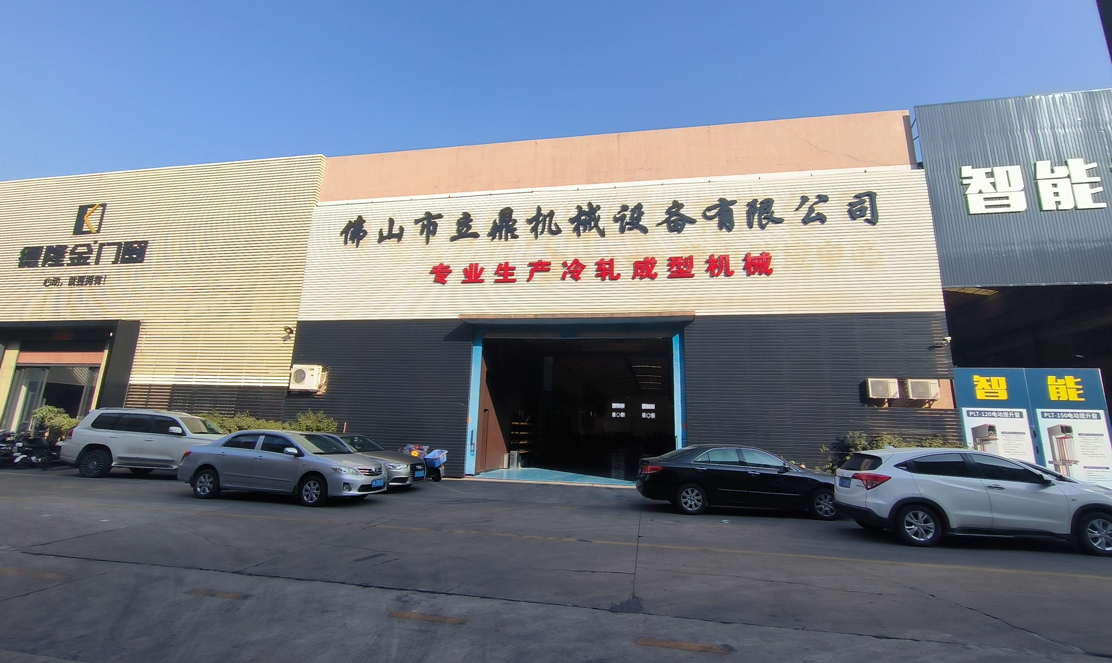
Foshan Liding Machinery Equipment Co., Ltd. was established in 2014, with a core technical team boasting over 25 years of hands-on experience in the cold-forming industry. We are a specialist manufacturer of metal roll forming equipment, dedicated to delivering efficient, precise, and reliable customized production line solutions for global HVAC systems, marine and offshore platforms, building structures, and storage equipment sectors.
We are not merely a machine supplier — we are your strategic partner in product innovation and production efficiency enhancement. Our engineering team understands the unique demands of marine-grade damper casing production: tight dimensional tolerances, material traceability, and the ability to process corrosion-resistant alloys at production scale.
25+ years of experience in cold-bending forming, with a dedicated R&D team of over 10 engineers continuously advancing roll forming technology for marine and offshore applications.
Anti-seismic bracket patented technology — safe, reliable, and backed by intellectual property that protects the performance of your production line investment.
Customized on demand — a full-line solution from blueprint to mass production. We engineer roll forming lines specifically for marine-grade damper casing profiles in any specified alloy.
Quick changeover modular tooling enables one machine platform to serve multiple profile families. Global technical support with a 48-hour response time ensures maximum uptime for your offshore fabrication schedule.
Our roll forming machines and manufacturing processes are supported by internationally recognized certifications, providing the quality assurance required by marine classification societies and offshore regulatory bodies.
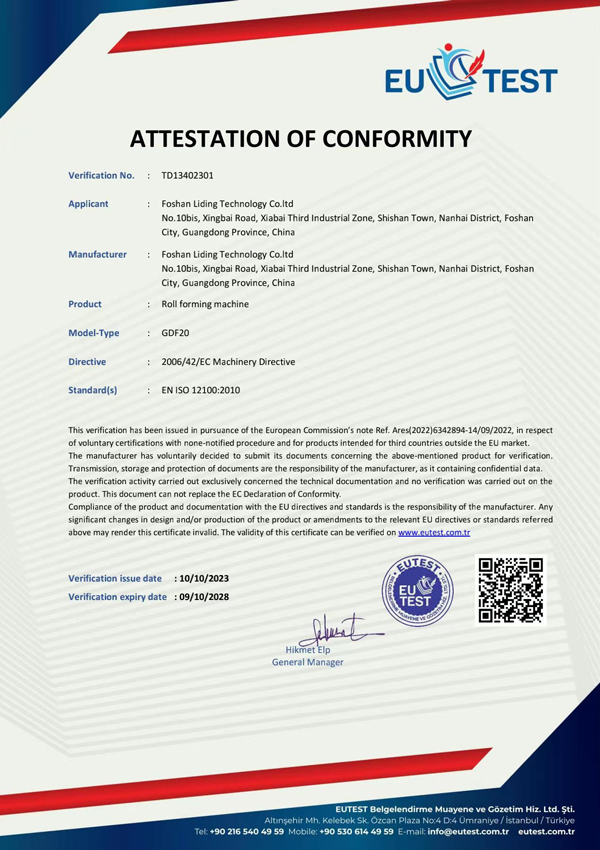
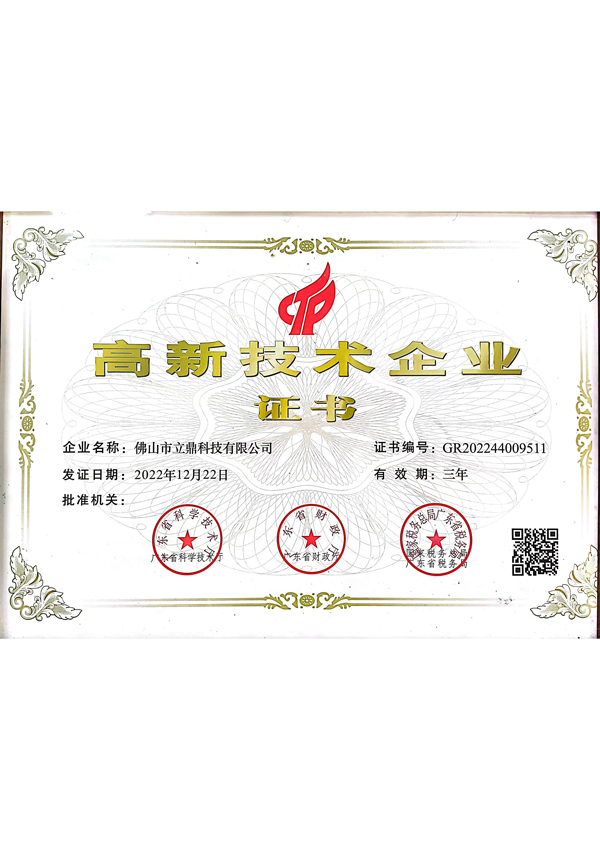
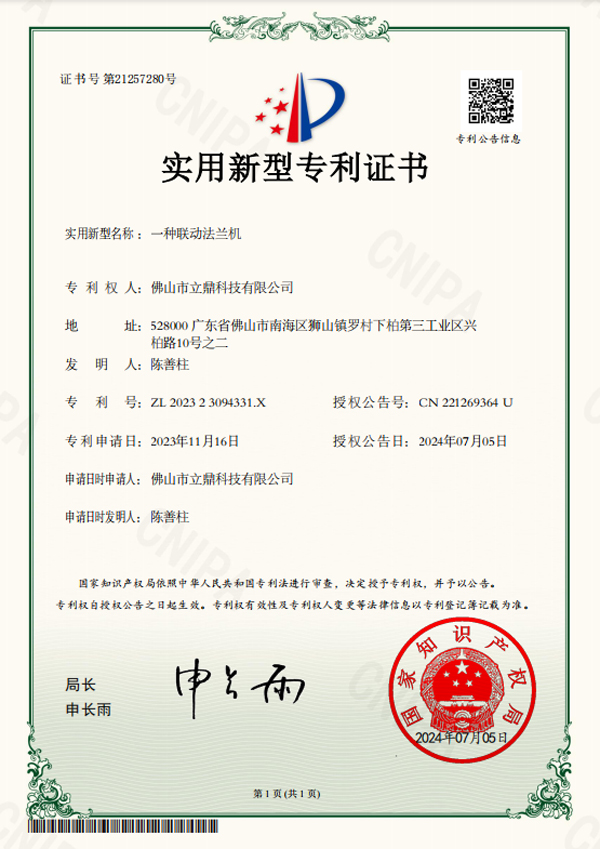
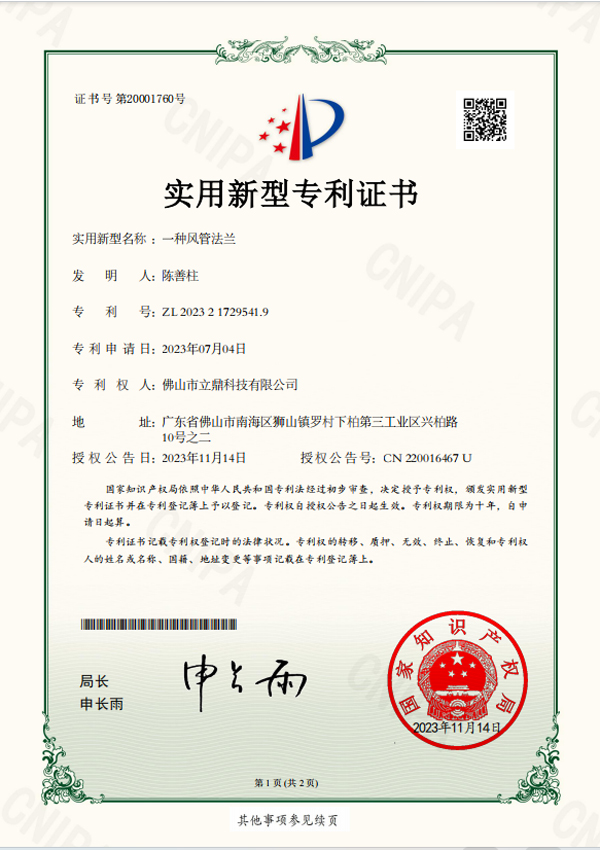
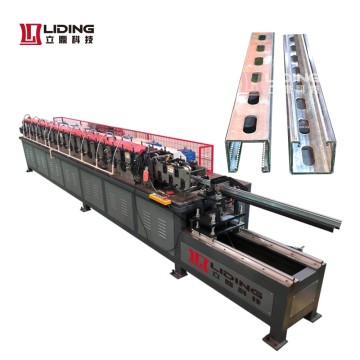
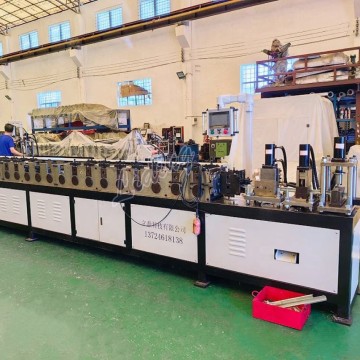
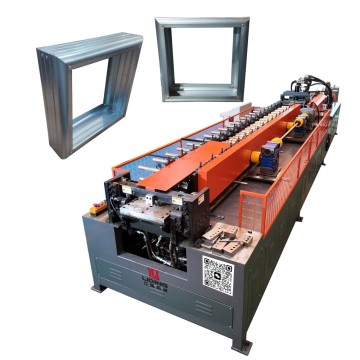
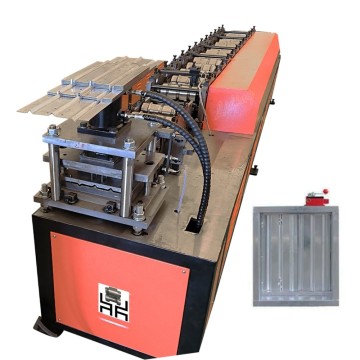
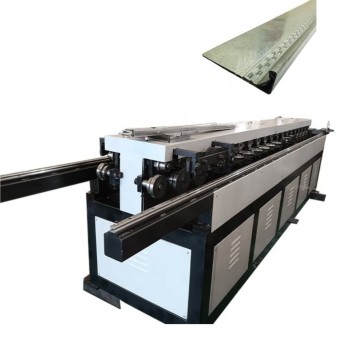
Explore our full range of precision roll forming machines engineered for the production of durable exterior casings, frames, flanges, and blades for air regulation dampers deployed in marine and offshore platform HVAC systems.
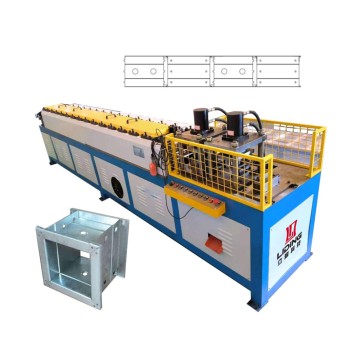
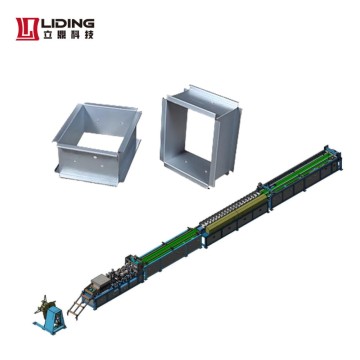
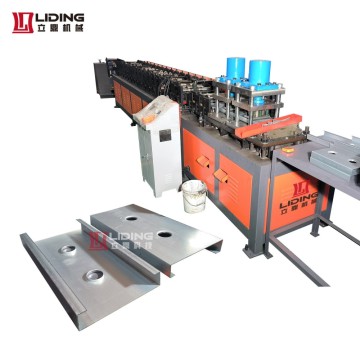
Contact Liding Machinery today to discuss your specific roll forming requirements for marine and offshore air regulation damper exterior casings. Our engineering team will provide a customized production line solution — from material specification to full commissioning support.
Explore Our Solutions →