Leave Your Message
Core equipment for structural framing profiles used in prefabricated steel industrial factory construction
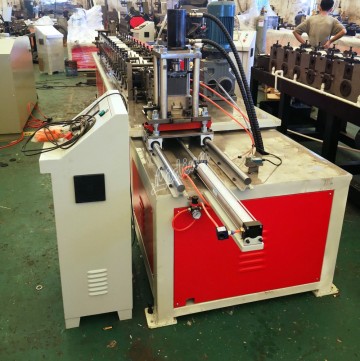
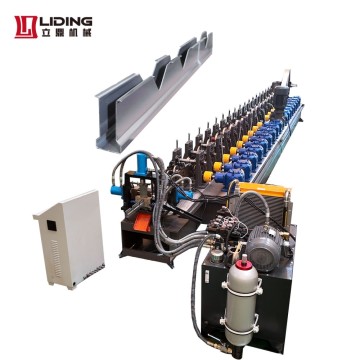

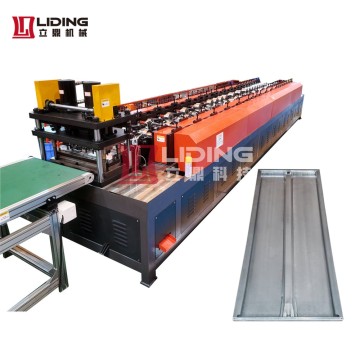
Understanding the commercial and industrial landscape driving demand for structural secondary framing roll forming equipment
The global prefabricated steel industrial factory sector is undergoing a transformative expansion. Driven by rapid industrialization in Southeast Asia, the Middle East, and Sub-Saharan Africa, alongside large-scale infrastructure investments in Europe and North America, demand for high-efficiency, precision-manufactured structural steel components has never been greater. At the heart of this transformation is roll forming equipment — the backbone technology enabling the mass production of secondary load-bearing framing profiles that define the structural integrity of modern prefabricated steel factories.
Secondary load-bearing framing — encompassing purlins (C, Z, U, G profiles), girts, eave struts, wall panels, ceiling systems, and structural formwork — plays a critical role in transferring loads from roof and wall cladding to primary steel frames. Unlike primary structural members, secondary framing must be produced in high volumes with tight dimensional tolerances, making automated roll forming production lines the only viable manufacturing solution at scale.
The global prefabricated steel building market is projected to exceed USD 180 billion by 2030, with secondary framing components accounting for 30–40% of total steel tonnage in a typical industrial factory project. Roll forming machine manufacturers are positioned at the center of this supply chain revolution, offering production speeds of up to 20–40 meters per minute for structural profiles.
Six key trends reshaping how roll forming equipment is specified, deployed, and operated in prefabricated steel industrial construction
Modern structural framing lines increasingly deploy servo motor drive systems, enabling real-time speed adjustment, faster changeover between profile sizes, and energy savings of 20–35% compared to hydraulic systems. PLC-controlled quick-change tooling now allows a single machine to produce C, Z, U, and G purlins without manual die swaps.
The shift toward S550–S700 high-strength structural steels in factory construction is driving demand for roll forming equipment with reinforced roll stations, higher-torque drive systems, and precision-ground tooling capable of maintaining profile geometry in materials with yield strengths previously only processed by hot rolling.
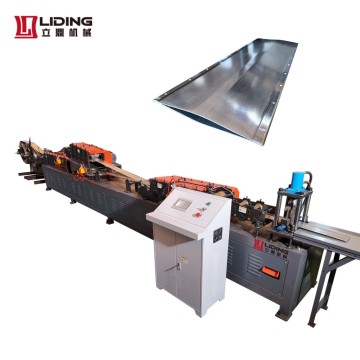
Standalone roll forming lines are giving way to fully integrated production systems combining in-line punching for bolt holes, notching for purlin laps, embossing for stiffening ribs, and servo flying cut-off — all in a single pass. This eliminates secondary operations and reduces factory floor footprint by up to 40%.
Engineering, Procurement & Construction (EPC) contractors building prefabricated industrial parks across Africa, the Middle East, and Southeast Asia are standardizing on roll-formed secondary framing due to its cost predictability, rapid site installation, and compatibility with BIM-driven design workflows.
Leading roll forming OEMs are embedding IoT-enabled production monitoring, predictive maintenance sensors, and remote diagnostics into their equipment. Real-time production data — including roll wear, coil weight consumed, and pieces produced — is transmitted to cloud dashboards for factory managers and remote engineers.
Cold-formed roll forming produces zero combustion emissions, and the resulting steel profiles are 100% recyclable. As green building certifications (LEED, BREEAM) increasingly specify recycled-content structural steel, roll-formed secondary framing aligns perfectly with sustainable industrial construction mandates worldwide.
How roll-formed secondary framing components are specified and installed across different factory construction typologies
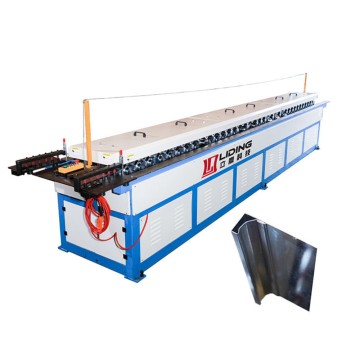
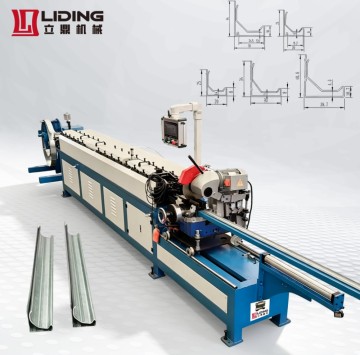
In single-story industrial factories with clear spans of 20–60 meters, Z-purlins and C-purlins produced by high-speed roll forming lines form the primary secondary framing layer. These profiles — typically 1.5–3.0mm thick, 120–300mm deep — are installed at 1.2–2.4m centers across primary portal frames. A single automated G/C/Z purlin line operating at 20 m/min can produce enough framing for a 5,000m² factory roof in a single production shift, dramatically reducing project lead times.
Heavy-duty steel formwork roll forming machines produce ribbed and flat steel deck profiles used as permanent formwork for composite concrete-steel floors and tilt-up wall panels in industrial factories. These profiles — produced from 0.8–2.5mm galvanized steel at widths up to 1250mm — replace traditional timber formwork, reducing installation time by 60% and providing a finished structural substrate that contributes to the composite section's load-bearing capacity.
V-type ceiling panel and wall panel roll forming machines supply the light-gauge steel framing for office partitions, cleanroom enclosures, and suspended ceiling systems within industrial factories. In pharmaceutical, food processing, and electronics manufacturing facilities, these systems must meet stringent flatness and dimensional tolerances — achievable only through precision roll forming with servo-controlled feed systems.
Modern industrial factories increasingly integrate automated storage and retrieval systems (AS/RS) directly into the building structure. Roll-formed racking columns, beams, and shelf panels produced on dedicated storage rack forming lines provide the precise dimensional consistency required for automated pallet systems, with tolerance requirements as tight as ±0.5mm across 6-meter column lengths.
In seismically active regions (Japan, Turkey, Chile, Indonesia), secondary framing must incorporate cold-formed seismic brace channels and anti-seismic bracket profiles. Liding's patented anti-seismic bracket roll forming technology produces these critical safety components with certified dimensional accuracy, enabling factory structures to meet local seismic design codes without the cost premium of hot-rolled alternatives.
For steel building manufacturers and EPC contractors producing more than 2,000 tonnes of secondary framing annually, in-house roll forming investment typically achieves full ROI within 18–36 months. Key savings drivers include: elimination of fabricator margins (15–25%), reduction in lead times from 6–8 weeks to 2–3 days, full profile customization capability, and the ability to respond to project design changes without supply chain disruption. Liding's fully automated production lines further reduce operating costs through minimal labor requirements — typically 1–2 operators per line versus 8–12 for equivalent press brake capacity.
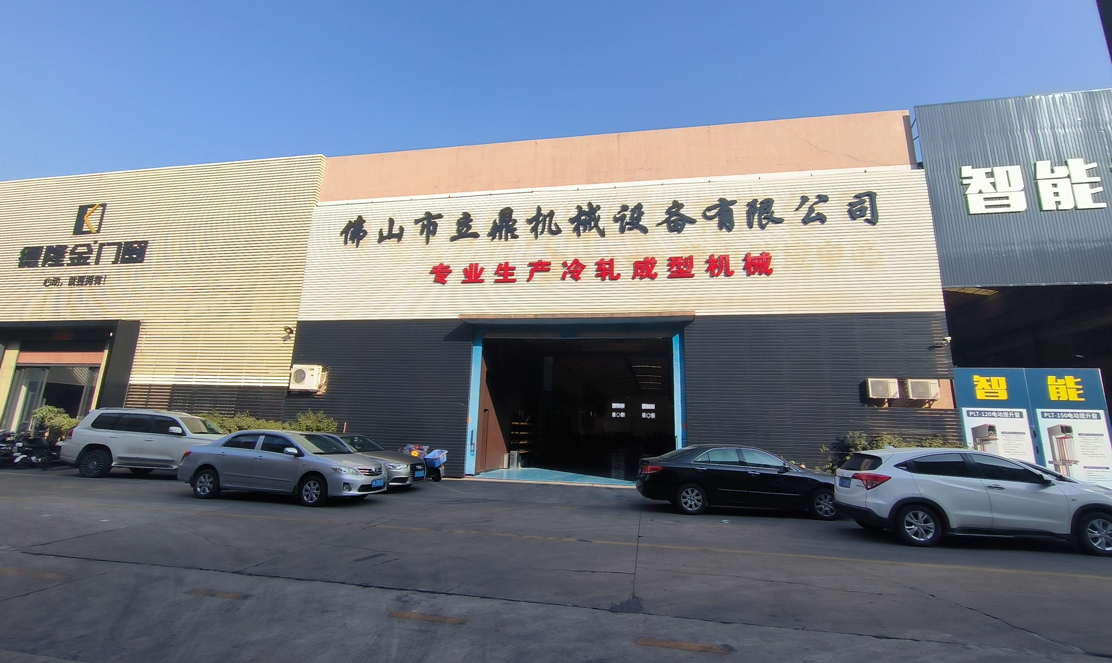
About Liding Machinery
Foshan Liding Machinery Equipment Co., Ltd. was established in 2014, with a core technical team boasting over 25–30 years of hands-on experience in the cold-forming industry. We are a specialist manufacturer of metal roll forming equipment, dedicated to providing efficient, precise, and reliable customized production line solutions for global customers across HVAC systems, building structures, and storage equipment sectors.
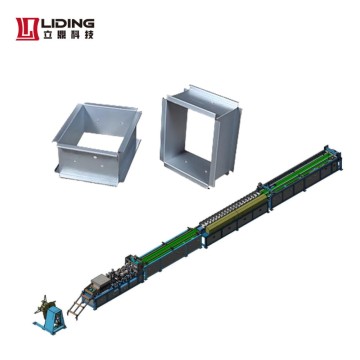
We design and manufacture high-precision cold-forming equipment covering: HVAC ductwork machinery; building structures including light steel studs, steel formwork, seismic brackets, and purlins; and warehouse equipment including racking columns, beams, and shelving panels.
We are not merely a machine supplier — we are your strategic partner in product innovation and production efficiency enhancement. You provide drawings or samples; we deliver comprehensive, turnkey production solutions.
Global reach, proven performance, and industry-leading expertise in roll forming for structural steel framing
Why global steel building manufacturers and EPC contractors choose Liding roll forming equipment for their structural secondary framing production
25–30 years of deep experience in cold-bending forming technology, supported by an in-house R&D team of over 10 engineers continuously advancing roll tooling design and machine architecture.
Proprietary anti-seismic bracket patented technology delivers safe, reliable structural framing components that meet international seismic design standards — a critical requirement for industrial factories in earthquake-prone regions.
Fully customized on demand — from blueprint review and tooling design through to machine commissioning and operator training. A complete turnkey solution from concept to mass production for any structural framing profile.
Worldwide technical support with a guaranteed 48-hour response time. Remote diagnostics, on-site commissioning, and modular quick-changeover systems mean your production line maximizes uptime across any time zone.
Why Choose Us
Internationally recognized certifications validating the quality, safety, and performance of Liding roll forming equipment for structural steel framing applications
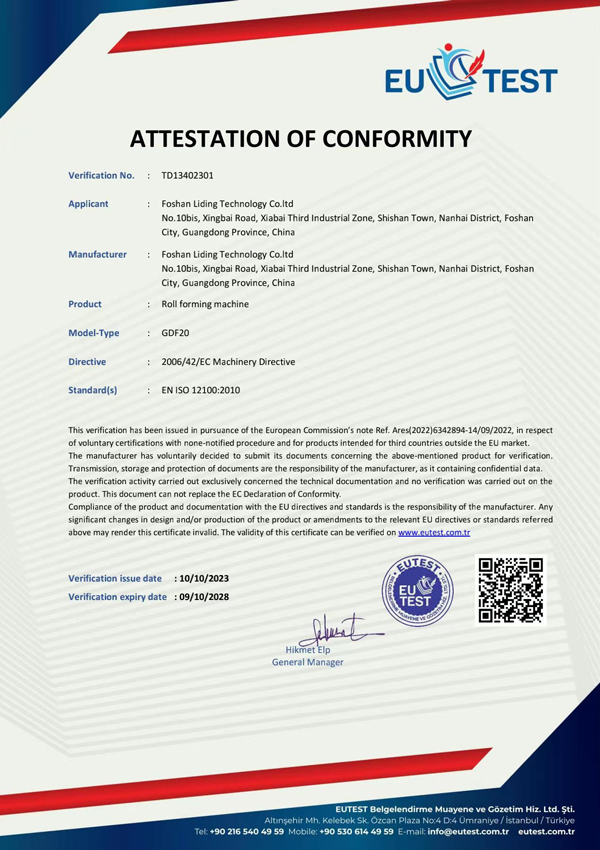
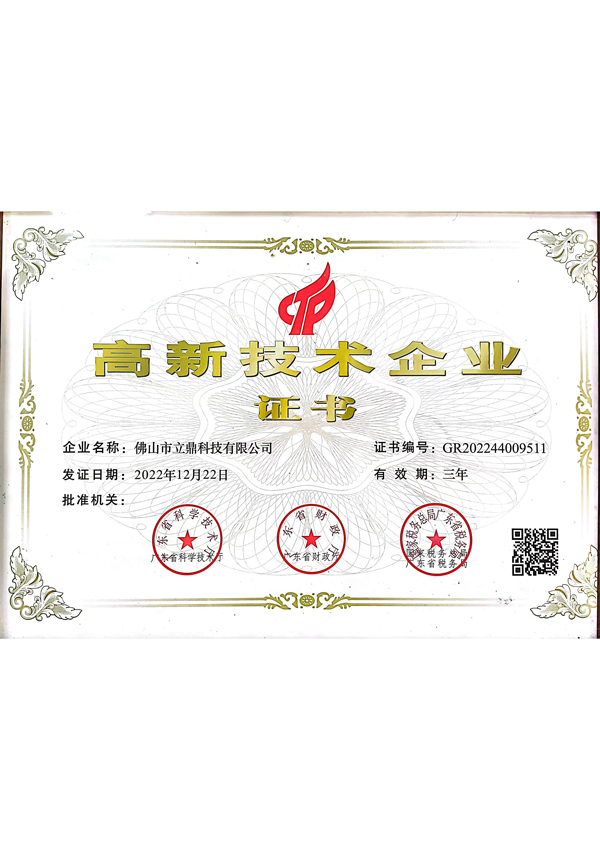
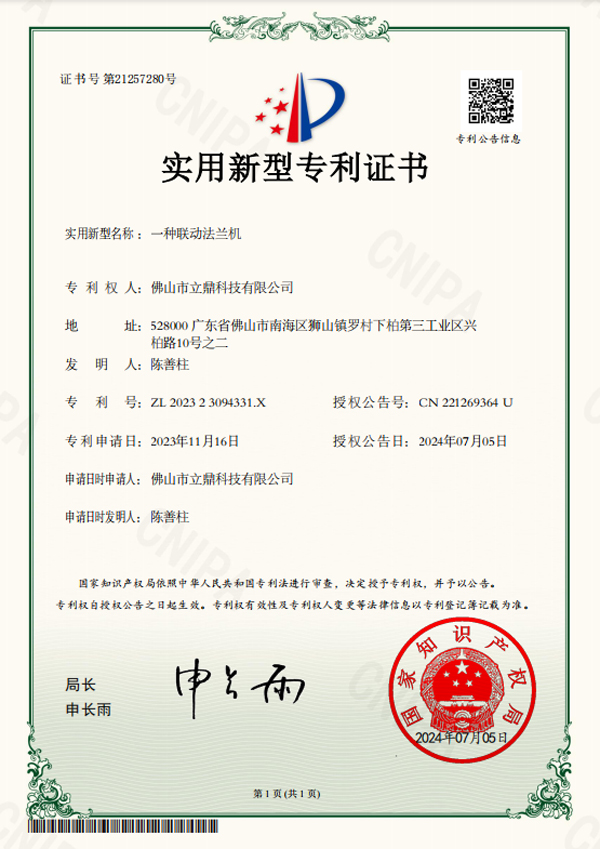
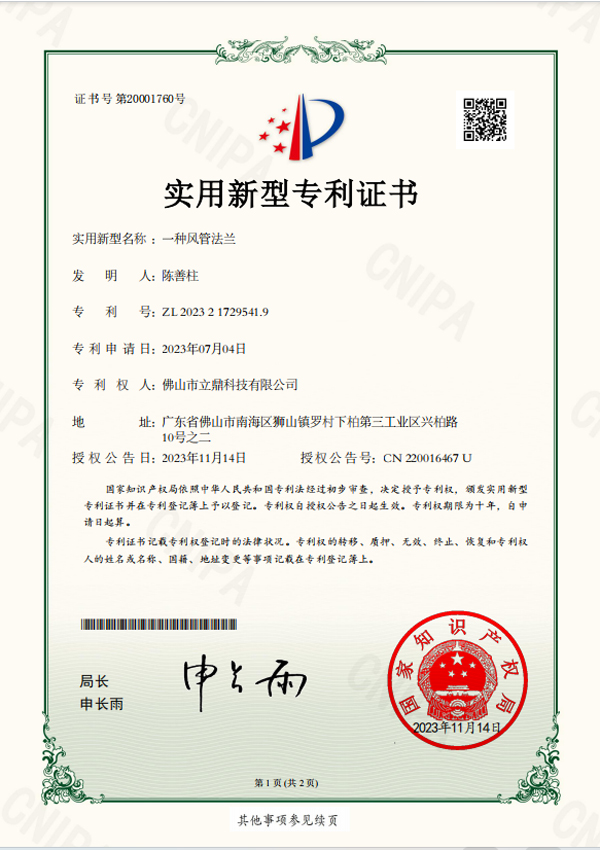
Explore Liding's full portfolio of cold-forming production lines for structural framing, HVAC systems, and industrial storage — serving prefabricated steel factory builders worldwide