Leave Your Message
Precision profile forming solutions for roof framing, wall cladding and structural support
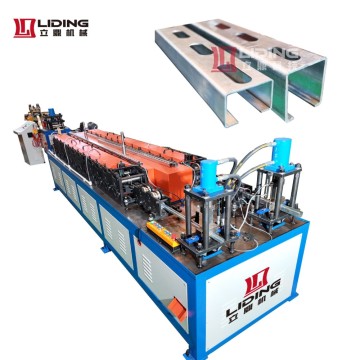
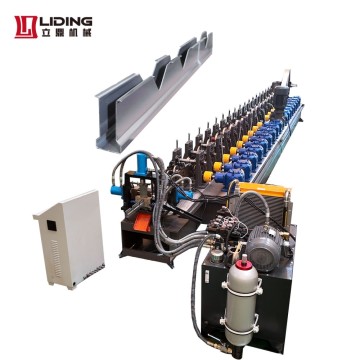
The construction of modern agricultural barns has undergone a dramatic transformation over the past two decades. Driven by escalating demands for larger clear-span structures, faster build cycles, tighter budgets and increasingly stringent building codes, the agricultural sector has turned overwhelmingly to cold-formed steel profiles as the structural backbone of choice. At the heart of this shift sits the profile forming machine — a highly engineered piece of cold-roll forming equipment that continuously shapes flat steel coil stock into precise, load-bearing cross-sections used in roof framing, wall cladding support, purlins, girts, eave struts and secondary framing members.
Unlike traditional timber or hot-rolled steel construction, cold-formed profiles produced by modern roll forming lines offer an exceptional strength-to-weight ratio, dimensional consistency measured in fractions of a millimetre, and the ability to be manufactured at the job site or in a prefabrication facility and delivered as ready-to-assemble components. For barn builders, feed-lot operators, poultry integrators and grain storage developers, this translates directly into reduced material waste, lower labour costs and faster project completion.
🏗️ Key Insight: Industry data indicates that cold-formed steel barn structures can be erected 30–45% faster than equivalent timber-frame builds, with lifecycle maintenance costs up to 60% lower — making profile forming machines a strategic capital investment for any agricultural construction business.
The global agricultural building market is valued at over USD 28 billion and is expanding at a compound annual growth rate (CAGR) of approximately 5.2% through 2030. Emerging economies across Southeast Asia, Sub-Saharan Africa, South America and the Middle East are driving the most aggressive growth, fuelled by government-backed food security programmes, rapid rural infrastructure investment and the modernisation of livestock and grain handling facilities.
Within this landscape, manufacturers of profile forming machines — particularly those specialising in agricultural structural profiles such as C-purlins, Z-purlins, sigma sections, hat channels and omega profiles — are experiencing robust order books. The demand is not limited to new barn construction; retrofit and expansion projects, where existing timber or masonry barns are being re-roofed or re-clad with steel, represent a significant and growing portion of the market.
On the industrial side, large-scale integrators in the poultry, pork and dairy sectors are standardising their barn construction specifications globally, which is creating demand for high-volume, automated roll forming lines capable of producing thousands of linear metres of profile per shift with zero human intervention in the forming process. These buyers are increasingly specifying servo-driven machines with automatic length cutting, automatic stacking, and ERP/MES integration — a clear signal that the profile forming machine sector is maturing from craft manufacturing toward Industry 4.0 production methodology.
Hydraulic systems are being replaced by servo-electric drives, delivering 20–35% energy savings, quieter operation and sub-millimetre length accuracy without manual calibration.
Modular cassette-style roll tooling allows a single machine to switch between C-purlin, Z-purlin and sigma profiles in under 30 minutes, maximising asset utilisation for fabricators serving diverse barn types.
Real-time production monitoring, predictive maintenance alerts and remote diagnostics via cloud-connected PLC systems are becoming standard on premium lines, reducing unplanned downtime by up to 40%.
Modern machines are engineered to process G550 high-strength galvanised and Zincalume-coated coils without surface damage, enabling thinner, lighter profiles that still exceed structural load requirements.
Trailer-mounted forming lines allow contractors to produce exact-length profiles directly at the construction site, eliminating transport damage, reducing logistics costs and enabling same-day corrections to design changes.
Direct integration between structural BIM models and machine control software allows cut-list data to be pushed automatically to the forming line, virtually eliminating manual data entry errors on complex barn projects.
In portal-frame agricultural barns, the primary rafter and column members are typically hot-rolled or welded fabrications. However, for spans up to 24 metres and eave heights below 6 metres — which covers the vast majority of poultry houses, small dairy barns and hay storage buildings worldwide — cold-formed C and Z sections produced by profile forming machines are now used as primary rafter members. Double-nested C-sections bolted back-to-back create a rectangular hollow section with exceptional bending stiffness at a fraction of the cost of equivalent hot-rolled beams.
This is the highest-volume application for profile forming machines in the agricultural sector. Roof purlins — the horizontal members that span between primary rafters to support the roof cladding — are almost universally cold-formed C or Z sections in modern barn construction. A single large poultry house of 150m × 18m may require 2,000–3,500 linear metres of purlin, all of which can be produced in a single shift on a modern high-speed forming line running at 25–45 metres per minute.
📊 Production Efficiency: A fully automated C/Z purlin forming line with servo feeding, automatic punching and flying cut-off can produce a complete purlin set for a 5,000 m² barn in approximately 6–8 production hours, compared to 3–4 days of manual fabrication from flat plate.
Wall girts perform for wall cladding exactly what purlins do for the roof — they provide the intermediate horizontal support structure to which steel sheeting, composite panels or translucent polycarbonate panels are fixed. Profile forming machines producing C-sections, hat channels or omega profiles are the standard equipment for this application. In livestock barns where corrosive ammonia atmospheres are present, machines capable of processing pre-painted or heavy-gauge galvanised coil are particularly valued, as they allow the girt to be formed from a material that will resist corrosion for 25+ years without repainting.
The eave strut — the member that sits at the junction of the roof and wall, simultaneously acting as the top wall girt and the bottom roof purlin — is a critical structural element in agricultural barns. Its geometry is more complex than a standard purlin, often incorporating stiffening lips and asymmetric flanges. Modern profile forming machines with 18–24 forming stations and precision roll tooling can produce these complex sections in a single pass, eliminating the need for secondary fabrication operations.
Large modern agricultural barns — particularly those used for indoor aquaculture, vertical farming, cannabis cultivation and high-density poultry production — increasingly incorporate internal mezzanine levels for equipment, feed storage and worker access. Cold-formed sections from profile forming machines provide the most cost-effective structural solution for these internal floor and partition framing systems, particularly where the loading requirements are moderate and speed of construction is paramount.
Agri-voltaic installations — where photovoltaic panels are mounted on agricultural barn rooftops — are one of the fastest-growing applications in the agricultural construction sector globally. The structural sub-framing for these solar arrays, including C-channel rails, Z-brackets and mounting clips, is produced almost exclusively on cold-roll forming lines. The same profile forming machine used to produce the barn's roof purlins can often be retooled to produce the solar mounting profiles, providing fabricators with exceptional production flexibility.
High-volume C/Z purlin production for broiler and layer houses up to 200m long. Automated length cutting and pre-punched fixing holes reduce on-site labour by over 50%.
Corrosion-resistant girt profiles in galvanised or Zincalume steel, engineered to withstand the aggressive ammonia and moisture environment of open-sided dairy facilities.
Wide-span sigma and Z-section purlins for flat-floor grain storage buildings, providing the clear-span interior space required for mechanical grain handling equipment.
C-channel and hat-section solar mounting profiles produced on the same forming line as structural barn profiles, maximising machine utilisation and minimising capital investment.
Mezzanine and equipment support framing in high-humidity environments, using hot-dip galvanised or stainless-clad profiles produced to tight dimensional tolerances.
Lightweight hat and omega channel profiles for grow-rack support structures and glazing bar systems in controlled-environment agriculture facilities.
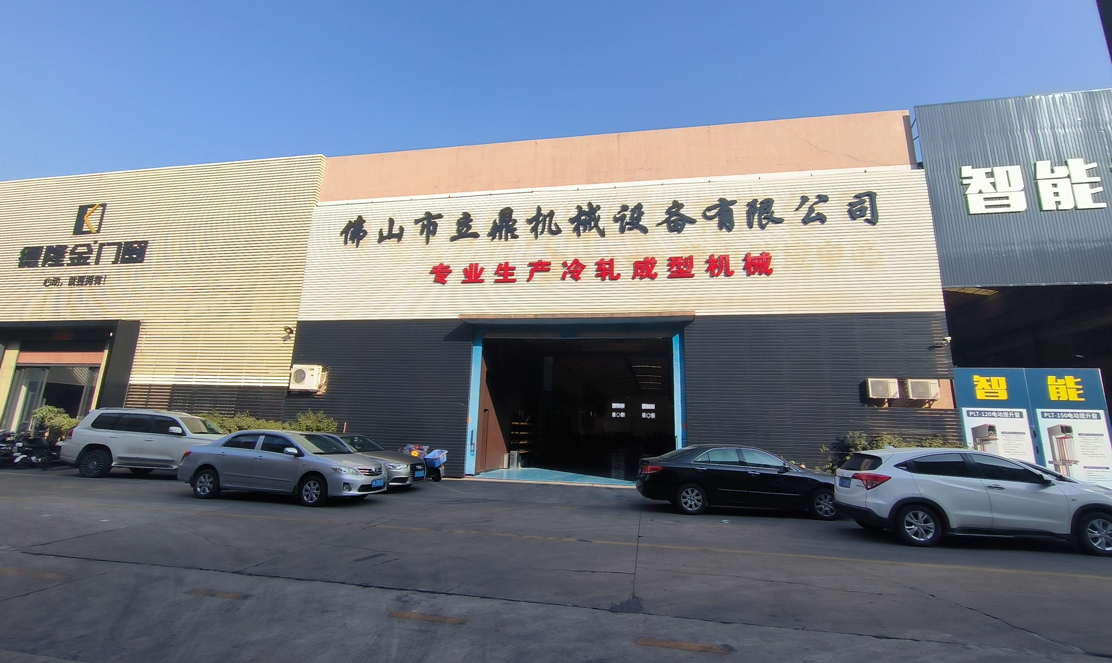
Foshan Liding Machinery Equipment Co., Ltd. was established in 2014, with a core technical team boasting over 25–30 years of hands-on experience in the cold-forming industry. We design and manufacture high-precision cold-forming equipment covering HVAC ductwork machinery, building structures including light steel studs, steel formwork, seismic brackets and purlins, as well as warehouse equipment including racking columns, beams and shelving panels.
We are a specialist manufacturer of metal roll forming equipment, dedicated to providing efficient, precise and reliable customised production line solutions for global HVAC systems, building structures and storage equipment sectors. You provide drawings or samples; we deliver comprehensive production solutions.
Our focus extends beyond the machinery itself to the quality and production costs of your end products. Our dedicated team offers ongoing technical support and after-sales service. We are not merely a machine supplier — we are your strategic partner in product innovation and production efficiency enhancement.
Trusted by agricultural and industrial builders worldwide
Over 2,000 roll forming machines operating worldwide
Exporting to Southeast Asia, Middle East, Europe and Russia
85% of our clients return for additional production lines
Years of average experience among our senior engineers
25+ years of experience in cold-bending forming, backed by a dedicated R&D team of over 10 engineers continuously advancing profile accuracy and machine reliability.
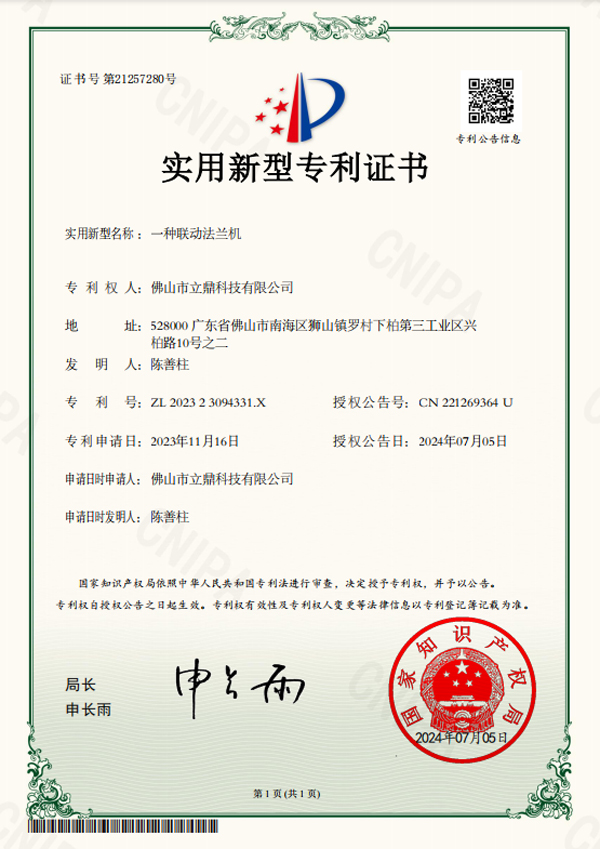
Anti-seismic bracket patented technology ensures safe, reliable structural performance — critical for agricultural barns in seismic zones and high-wind regions.
Customised on demand — a full-line solution from blueprint to mass production. We engineer every machine to your exact profile geometry and production throughput requirements.
Global technical support with a 48-hour response commitment. Quick-changeover modular tooling makes one machine versatile across multiple agricultural profile types.
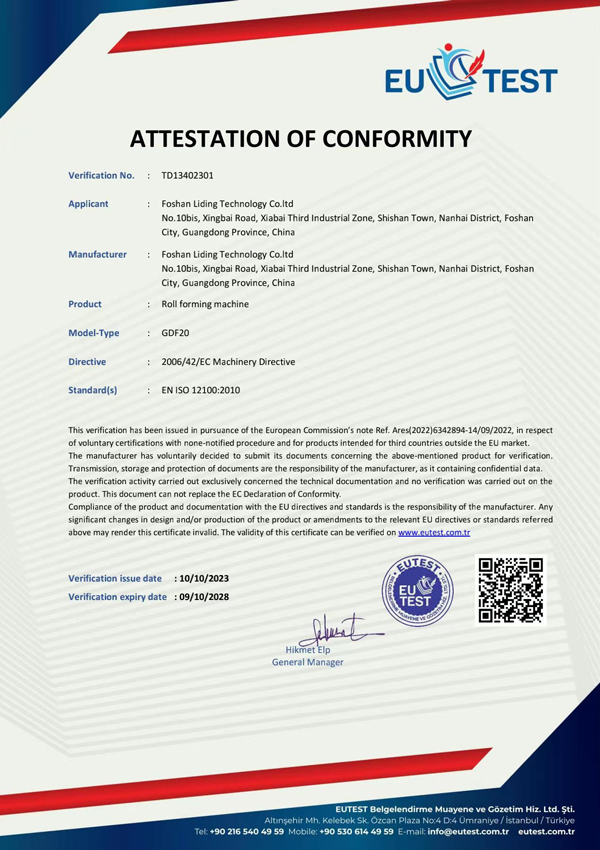
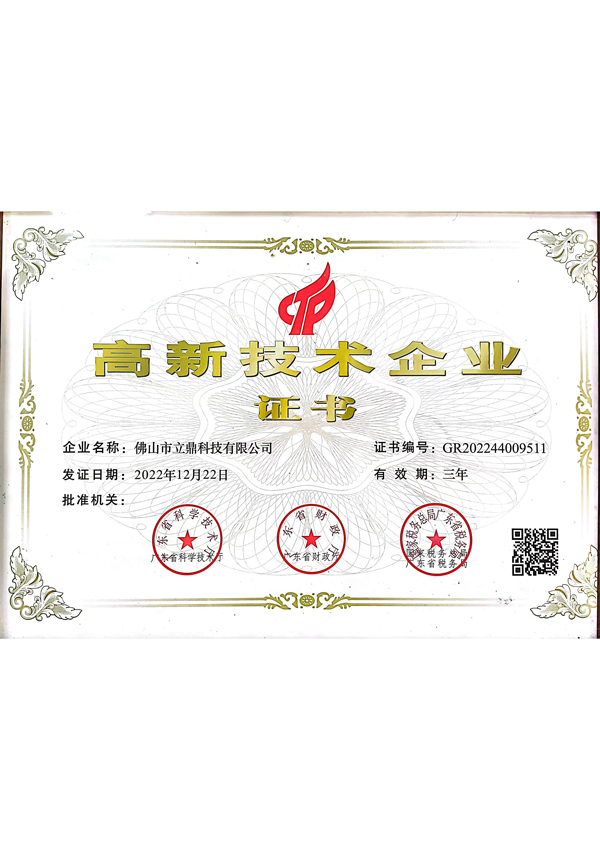
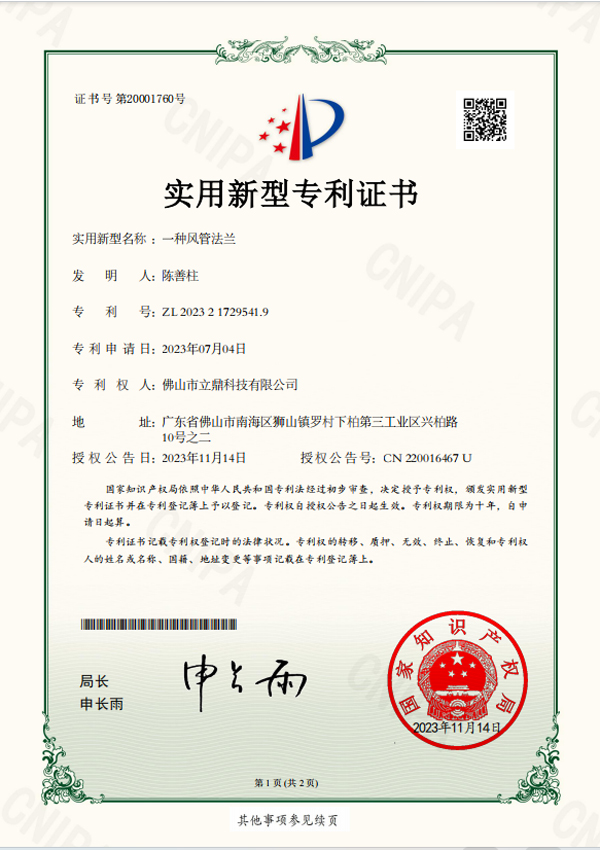
Our profile forming machines are manufactured and certified to international quality standards
Explore our full portfolio of cold-roll forming solutions for agricultural, HVAC and structural applications