Leave Your Message
Precision machines engineered for vertical industrial heavy pallet storage in multi-level logistics warehouses
The global logistics and warehousing industry is undergoing a structural revolution. As e-commerce volumes surge, supply chains compress, and urban land costs escalate, the demand for vertical industrial heavy pallet storage in multi-level logistics distribution warehouses has never been greater. At the heart of this transformation lies a critical piece of manufacturing technology: the pipe roll forming machine.
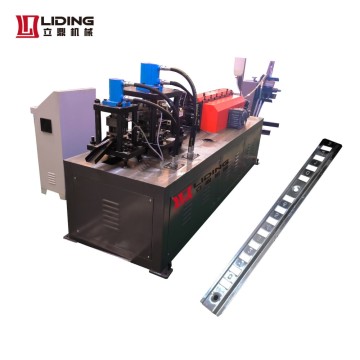
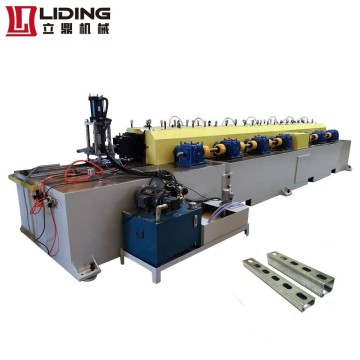
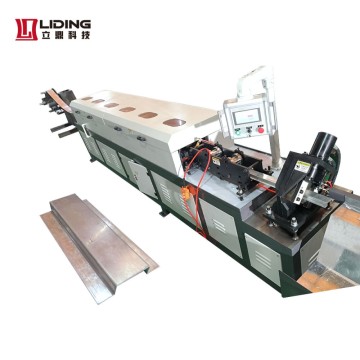
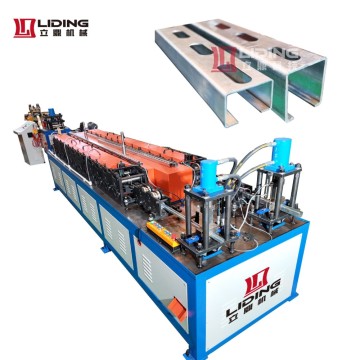
Pipe roll forming machines produce the structural steel profiles — uprights, beams, cross-members, and bracing tubes — that form the skeletal framework of modern high-bay racking systems. These machines continuously bend and shape flat steel coil into precise tubular and open-section profiles at high speed, enabling cost-effective, large-volume production of the components that carry tens of thousands of kilograms of palletized goods, floor after floor, in distribution centers worldwide.
⚠ Key Market Insight: The global warehouse racking market is projected to exceed USD 12 billion by 2030, driven by the rapid expansion of automated multi-level distribution centers in Asia-Pacific, North America, and Europe. Pipe roll forming technology is the manufacturing foundation enabling this growth.
The shift from single-story flat warehouses to multi-level, high-bay storage facilities is being driven by converging industrial and commercial forces:
All of these trends translate directly into demand for high-output, precision pipe roll forming machines capable of producing the structural steel profiles that make vertical heavy pallet storage systems possible.
The upright column is the vertical spine of any pallet racking system. In heavy-duty applications, uprights must carry loads of 10,000 kg or more per leg while maintaining strict straightness tolerances. Pipe roll forming machines produce these columns — typically in perforated C-section, box-section, or closed-tube profiles — from high-tensile steel coil (S350 to S700 grade). The roll forming process ensures consistent wall thickness, precise hole punching patterns for beam connector clips, and accurate cross-sectional geometry across thousands of meters of production run without operator intervention.
Pallet rack beams connect uprights horizontally and directly support pallet loads. Roll-formed box beams and step beams must exhibit high moment-of-inertia profiles to resist bending under heavy loads. Pipe roll forming lines integrate inline punching, notching, and end-forming stations to produce finished beam components ready for assembly, dramatically reducing secondary fabrication costs.
Multi-level warehouses increasingly incorporate mezzanine floors for pick stations, conveyor integration, and secondary storage levels. Roll-formed open-grid panels, checkered-plate profiles, and ribbed decking sheets are all produced on specialized roll forming lines. These panels must meet strict load-bearing standards while remaining lightweight enough for efficient installation at height.
In earthquake-prone regions — Japan, Southeast Asia, California, Turkey — warehouse racking must incorporate seismic bracing frames. Pipe roll forming machines produce the diagonal and horizontal brace tubes with precision-formed end connections that allow rapid field assembly of certified seismic racking systems. Liding's patented anti-seismic bracket technology is specifically designed for this critical application.
AS/RS and robotic picking systems operate on precision-formed rail profiles that guide stacker cranes and autonomous mobile robots (AMRs) through narrow aisles. These rail profiles demand exceptionally tight dimensional tolerances (±0.1 mm) that only high-precision roll forming equipment can achieve consistently in production volumes.
Where pipe roll forming machine output components are deployed in vertical industrial storage environments
Uprights up to 12 m tall, produced on heavy-duty pipe roll forming lines, form the primary structure of selective pallet racking in large distribution centers handling mixed SKU loads.
Precision-formed closed-section rail and column profiles enable stacker crane travel with sub-millimeter guidance accuracy in fully automated, lights-out warehouse environments.
Galvanized and coated roll-formed profiles resist corrosion in high-humidity, low-temperature environments, supporting dense multi-level racking in pharmaceutical and food cold stores.
Compact, high-density multi-tier racking systems built from roll-formed profiles maximize cubic storage in urban micro-fulfillment centers, reducing last-mile delivery distances.
Heavy-duty cantilever and drive-in racking systems, with uprights and arms produced on pipe roll forming machines, store long steel, aluminum, and timber materials in manufacturing facilities.
Multi-level logistics distribution parks use roll-formed mezzanine structures and pallet flow racking to accelerate goods throughput, reducing dwell time and improving supply chain velocity.
As warehouse operators push for taller racking at lower material cost, racking manufacturers are transitioning from S350 to S550–S700 ultra-high-strength steel. Modern pipe roll forming machines must be engineered with hardened roll tooling, reinforced machine frames, and adaptive servo-driven forming stations to handle these harder materials without springback issues or dimensional drift.
The most competitive racking manufacturers are integrating their pipe roll forming lines with MES (Manufacturing Execution Systems), real-time dimensional monitoring via laser measurement, and automated coil feeding, stacking, and packaging. This Industry 4.0 approach reduces labor costs by up to 60% while improving dimensional consistency and traceability for quality certification.
Rather than dedicated single-profile machines, the market is shifting toward quick-changeover roll forming systems that can produce upright columns, beams, braces, and decking profiles on a single line with tooling changes completed in under 30 minutes. This flexibility allows racking manufacturers to respond rapidly to diverse customer specifications without excessive capital investment.
Roll forming is inherently a near-zero-waste process — material utilization rates exceed 98% compared to 70–80% for punching or laser cutting. As sustainability regulations tighten globally, this advantage is driving increased adoption of roll forming over alternative fabrication methods. Additionally, the ability to process pre-galvanized and pre-painted coil eliminates downstream coating operations, further reducing environmental impact.
To reduce import costs and lead times, logistics operators in Southeast Asia, the Middle East, and Africa are increasingly sourcing pipe roll forming machines to establish local racking component manufacturing. This trend is creating significant export opportunities for machine manufacturers like Liding, which provides complete turnkey production line solutions including training, tooling, and ongoing technical support.
| Application | Profile Type | Steel Grade | Key Machine Feature |
|---|---|---|---|
| High-Bay Pallet Racking Upright | Perforated C-Section / Box | S350–S550 | Inline punching, servo feed |
| Step Beam / Box Beam | Closed Rectangular Tube | S350 | End-forming, notching station |
| AS/RS Crane Rail | Precision Closed Profile | S500–S700 | ±0.1 mm tolerance control |
| Mezzanine Decking Panel | Ribbed / Open-Grid Sheet | S250–S350 | Wide-width forming, galv. coil |
| Seismic Brace Tube | Round / Square Tube | S350–S420 | Precision end-connection forming |
| Cantilever Arm | Tapered C-Channel | S420 | Variable-section roll tooling |
For a racking manufacturer producing 500 tonnes of upright and beam profiles per month, the transition from purchasing cut-and-bent structural steel to in-house roll forming typically delivers the following commercial benefits:
With typical payback periods of 18–36 months for well-specified pipe roll forming lines, the investment case for racking manufacturers is compelling, particularly as global demand for vertical heavy pallet storage infrastructure continues its strong growth trajectory.
Trusted by warehouse racking manufacturers and logistics infrastructure builders worldwide
Roll forming machines operating worldwide in warehouse, HVAC, and structural applications
Countries served — Southeast Asia, Middle East, Europe, Russia, and beyond
Client retention rate — 85% of customers return for additional production lines
Years of average experience of our senior cold-forming engineers
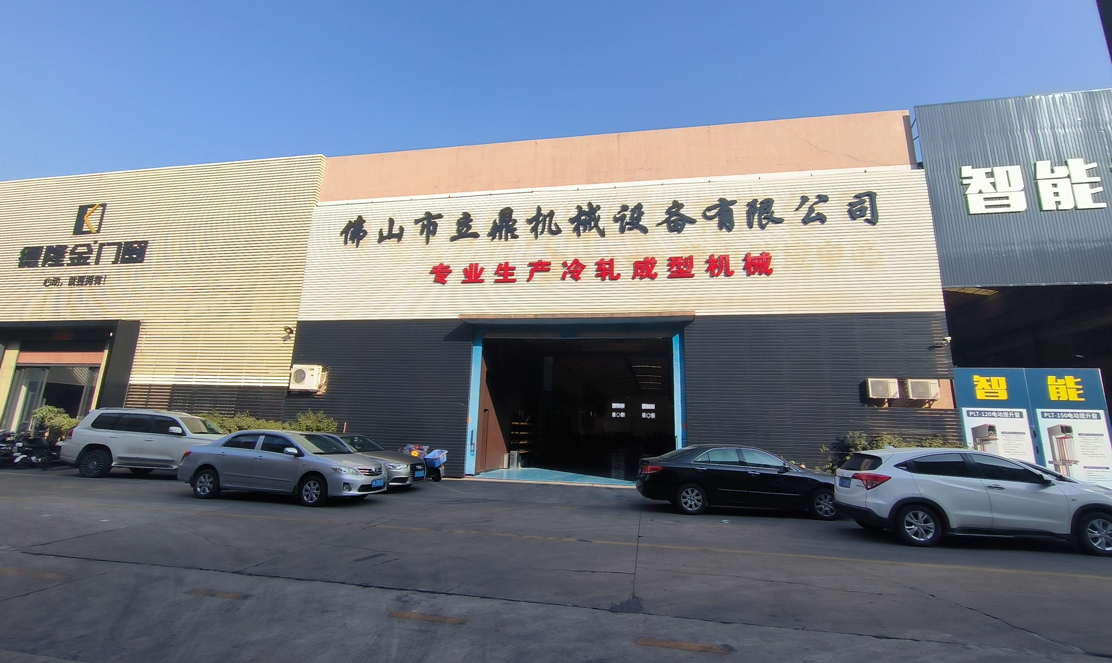
Foshan Liding Machinery Equipment Co., Ltd. was established in 2014, with a core technical team boasting over 25–30 years of experience in the cold-forming industry. We are a specialist manufacturer of metal roll forming equipment, dedicated to providing efficient, precise, and reliable customized production line solutions for global HVAC systems, building structures, and storage equipment sectors.
We are not merely a machine supplier — we are your strategic partner in product innovation and production efficiency enhancement for vertical industrial heavy pallet storage manufacturing.
Four pillars of excellence in pipe roll forming machine manufacturing for warehouse storage systems
25+ years of cold-bending forming expertise. An R&D team of over 10 engineers continuously advancing roll forming technology for heavy-duty warehouse racking applications.
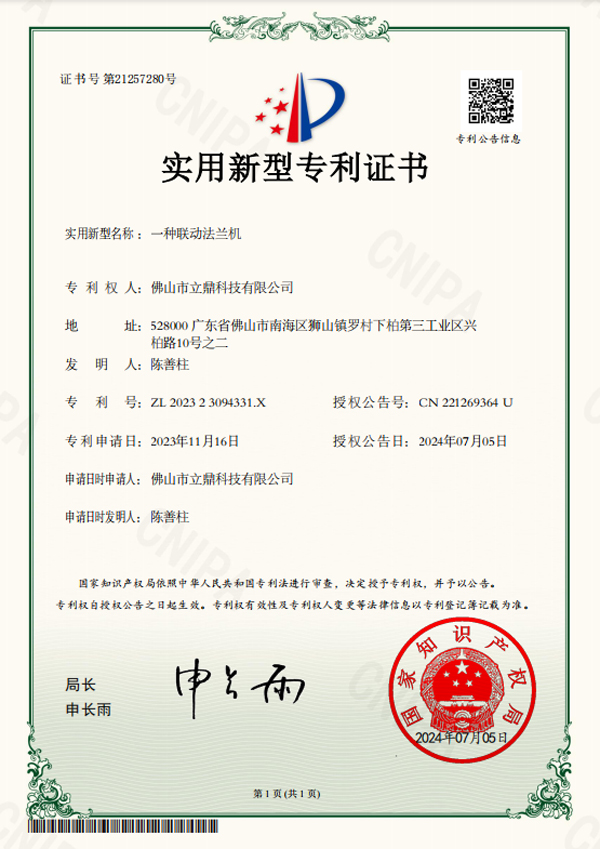
Proprietary anti-seismic bracket patented technology ensures safe, certified racking structures in earthquake-prone logistics distribution zones worldwide.
Full-line solutions from blueprint to mass production. We customize every machine parameter — roll tooling, punching patterns, cut lengths — to match your exact racking profile specifications.
Global technical support with a 48-hour response guarantee. Modular design enables quick changeover between upright, beam, and brace profiles on a single versatile production line.
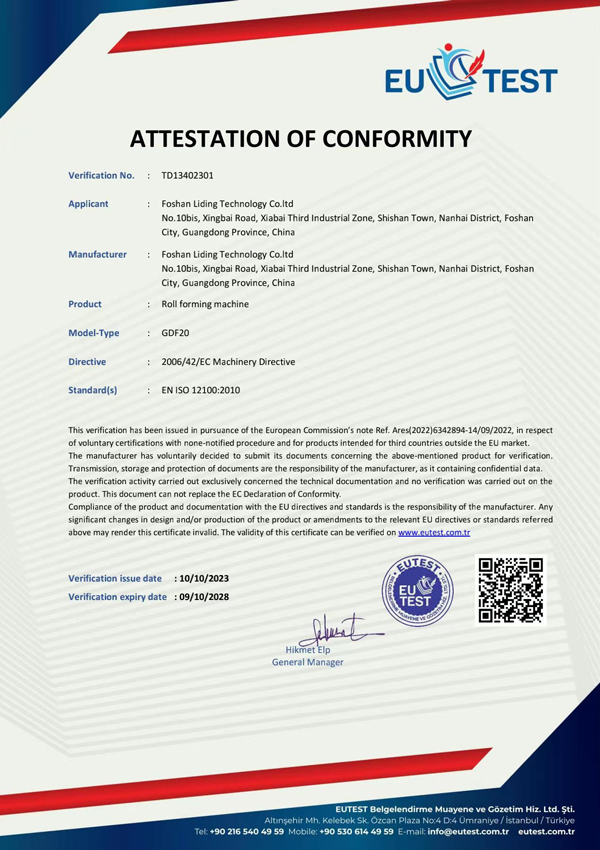
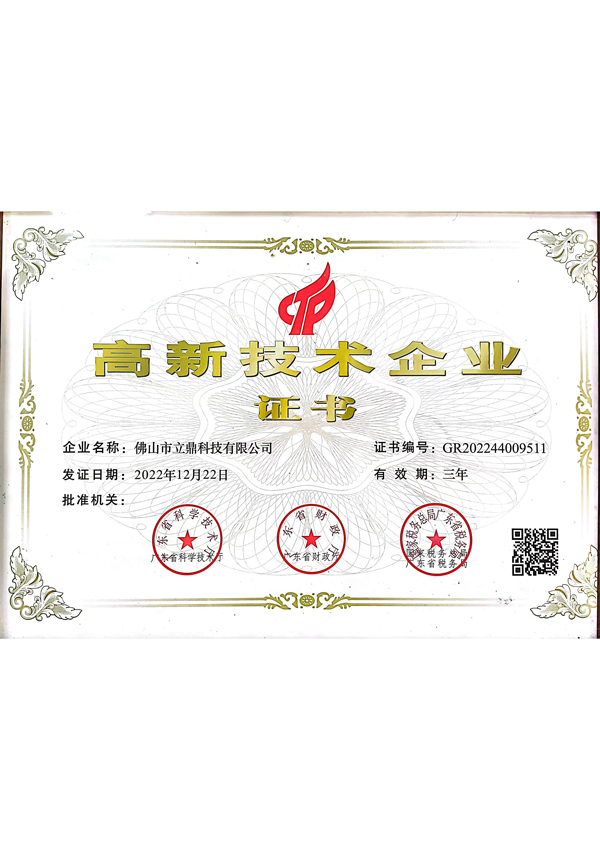
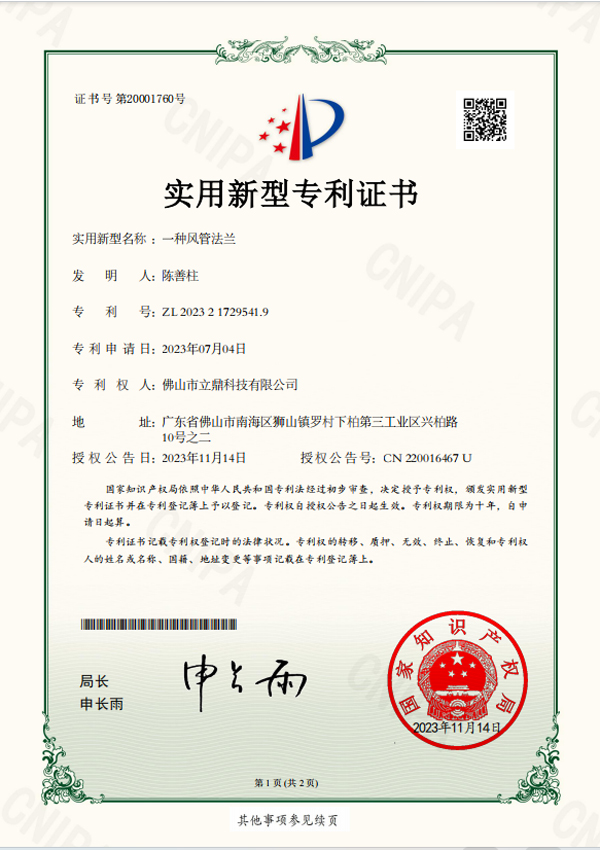
Internationally recognized quality certifications supporting global warehouse racking equipment supply
From warehouse racking uprights to HVAC ductwork and building structure profiles — full-spectrum cold-forming solutions