
Leave Your Message
Precision roll forming machines engineered for emergency ventilation dampers, frames, and structural components used in underground transit infrastructure.
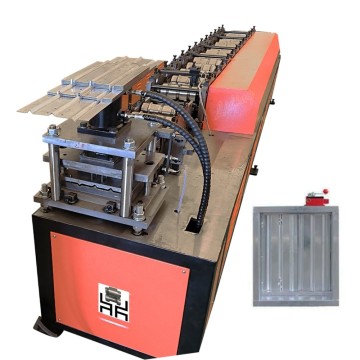 HVAC Square Volume Control Fire Damper VCD Blade Shutter Roll Forming Machine | High-Accuracy Automatic Louver Blade Maker
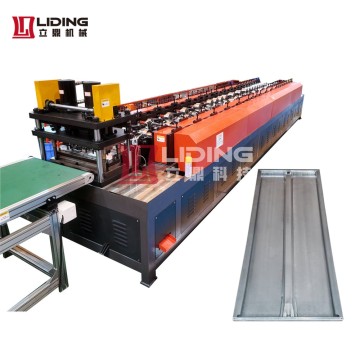 Storage Rack Shelf Box Panel Making Roll Forming Machine | Laminate Forming Line
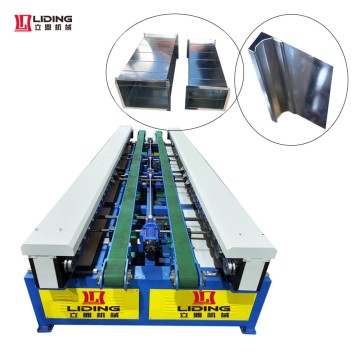
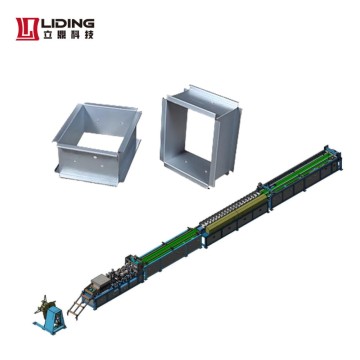 High-Speed Volume Control Dampers Frame Roll Forming Machine | 23KW Fully Automatic VCD & Fire Damper Frame Production Line LD-FD06
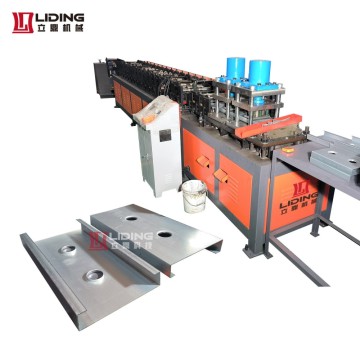 High-Speed High-Accuracy HVAC Fire Damper Frame Roll Forming Machine | 25KW Automatic VCD Frame Production Line LD-FD05
Understanding the industrial intersection of structural roll forming and life-safety air management systems
As global urbanization accelerates, underground metro networks are expanding at an unprecedented pace. Cities across Asia, Europe, the Middle East, and North America are investing billions into subway infrastructure, creating massive demand for the mechanical components that keep these environments safe. At the heart of this industrial ecosystem sits a category of equipment that rarely makes headlines but is absolutely indispensable: the pallet rack machine — a high-precision cold roll forming system capable of producing the structural steel profiles, rack columns, beam sections, and support brackets that form the backbone of subway ventilation and smoke extraction systems.
In an underground station, emergency smoke extraction is not optional — it is a life-safety imperative governed by international codes including NFPA 130, EN 45545, and local fire safety standards. The ductwork, damper frames, support racking, and cable management structures that constitute these systems must meet exacting dimensional tolerances, material consistency, and structural integrity requirements. This is precisely where roll forming technology — and specifically, pallet rack roll forming machines — plays a decisive industrial role.
A pallet rack machine is a type of cold roll forming equipment that continuously shapes flat steel coil stock into complex cross-sectional profiles — including C-channels, Z-purlins, box sections, teardrop columns, step beams, and custom structural members — with extremely high dimensional accuracy and production speed. Unlike stamping or press-brake forming, roll forming produces profiles of theoretically unlimited length with consistent cross-sections, minimal material waste, and excellent surface finish.
In the context of underground subway stations, the output of pallet rack machines serves multiple critical functions:
The global market for underground transit ventilation systems is experiencing robust growth. According to industry analyses, the global fire and smoke damper market is projected to exceed USD 1.8 billion by 2028, with underground transportation infrastructure representing one of the fastest-growing application segments. Simultaneously, the roll forming machine market — which produces the components enabling this growth — is forecast to reach USD 3.2 billion globally by 2027.
Several macroeconomic and regulatory drivers are converging to accelerate demand:
Understanding exactly how pallet rack machine output integrates into subway smoke extraction systems requires examining several specific application scenarios:
Where roll-formed structural profiles and damper components directly enable life-safety systems
In bored-tunnel sections between stations, jet fans mounted on roll-formed steel platforms create longitudinal airflow to push smoke away from passengers during evacuation. The mounting structures — fabricated from rack-type column and beam profiles — must withstand both operational vibration loads and emergency dynamic conditions. Pallet rack machines produce the precise teardrop-hole column profiles that allow rapid, tool-free adjustment of fan mounting heights during installation.
Modern subway stations are divided into smoke control zones separated by fire-rated barriers. Volume control dampers and fire dampers installed in these barriers require steel frames manufactured to tolerances of ±0.5mm or better. High-speed VCD frame roll forming lines — running at 20–40 meters per minute — produce these frames continuously from galvanized steel coil, with integrated punching and cutting stations ensuring each frame is ready for direct assembly without secondary operations.
In station concourses and platform areas, large-diameter smoke exhaust ducts are suspended from the ceiling structure using roll-formed trapeze hanger systems. The horizontal members of these trapeze assemblies — typically unistrut or hat-channel profiles — are produced on roll forming machines and carry significant point loads from duct weight, seismic events, and thermal expansion forces. The dimensional consistency of roll-formed profiles is critical to ensuring that all hanger components are interchangeable across the entire station.
Emergency smoke extraction systems require dedicated, fire-rated power supplies and control networks that must remain functional for the duration of an evacuation — typically 60–120 minutes of fire exposure. The cable trays and conduit support systems that protect these circuits are fabricated from roll-formed steel sections, mounted on rack-style support structures that maintain cable separation from other building services and provide the required fire resistance when combined with appropriate coatings or mineral wool protection.
In seismically active regions — including Japan, Taiwan, Turkey, Iran, and the western United States — all mechanical systems in underground stations must be supported on certified seismic bracing systems. These systems use roll-formed strut channels, diagonal braces, and connection hardware assembled into three-dimensional support cages that prevent equipment displacement during ground motion events. The anti-seismic bracket profiles produced on specialized roll forming machines with patented cross-sectional geometries provide the required stiffness-to-weight ratios at competitive material costs.
Smoke extraction fans, air handling units, and damper actuators in subway stations require periodic maintenance access. Roll-formed steel grating supports, access platform frames, and equipment plinths — all produced on pallet rack forming lines — provide the structural infrastructure for safe maintenance operations. The modularity of rack-system components means that platforms can be reconfigured as equipment is replaced or upgraded over the station's operational life.
Technology and market forces driving the next generation of roll forming solutions for transit safety infrastructure
Modern roll forming lines for subway component production increasingly incorporate servo-driven forming stations, automatic coil loading, inline dimensional inspection using laser measurement, and MES connectivity for real-time production data — eliminating manual intervention and ensuring 100% dimensional traceability.
Transit projects require dozens of different profile types across a single station. Modular roll forming machines with tool-cassette quick-change systems can switch between profile specifications in under 15 minutes, dramatically reducing setup costs and enabling just-in-time production scheduling for complex projects.
The use of advanced high-strength steels (AHSS) and hot-dip galvanized coatings in subway structural components is growing rapidly, driven by weight reduction targets and corrosion resistance requirements in humid underground environments. Roll forming machines are being upgraded with higher-capacity forming stations to handle these harder materials.
Building Information Modeling (BIM) workflows are enabling transit engineers to specify custom structural profiles optimized for specific load cases — and to transmit these specifications directly to CNC-controlled roll forming machines via digital interfaces, collapsing the design-to-fabrication cycle from weeks to hours.
International standards bodies are continuously updating fire safety requirements for underground transit, including stricter smoke toxicity limits, faster damper response times, and higher structural integrity ratings under fire conditions. Component manufacturers who invest in certified roll forming production lines gain significant competitive advantage in public tender processes.
Major transit projects in developing markets are increasingly requiring local content in component manufacturing. Roll forming machine suppliers who can establish local production capabilities — through technology transfer, joint ventures, or turnkey factory solutions — are capturing premium positioning in these high-growth markets.
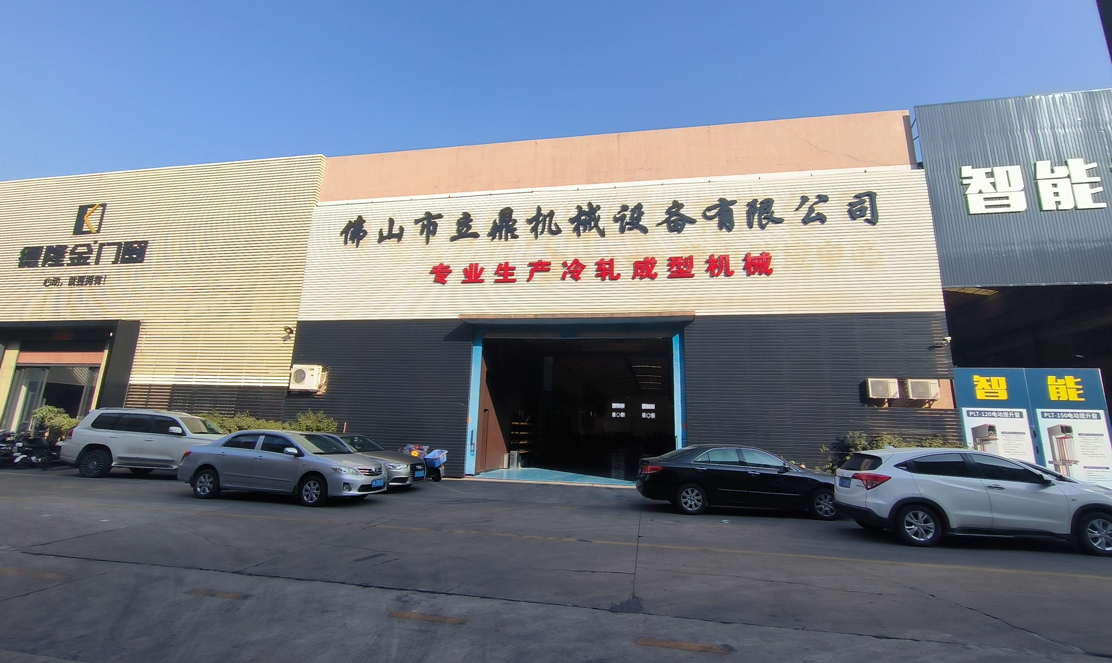
You provide drawings or samples; we deliver comprehensive production solutions tailored to the exacting requirements of underground transit infrastructure — from fire damper frame lines to full pallet rack forming systems.
Our focus extends beyond the machinery itself to the quality and production costs of your end products. We understand that in the subway safety infrastructure market, dimensional accuracy, material consistency, and production reliability are non-negotiable — and we engineer our machines accordingly.
Our dedicated team offers ongoing technical support and after-sales service with a guaranteed 48-hour response time, ensuring your production lines maintain maximum uptime even on critical project schedules.
Foshan Liding Machinery Equipment Co., Ltd. was established in 2014, with a core team boasting over 25 years of experience in the cold-forming industry. We are a specialist manufacturer of metal roll forming equipment, dedicated to providing efficient, precise and reliable customised production line solutions for global HVAC systems, building structures and storage equipment sectors. We are not merely a machine supplier, but your strategic partner in product innovation and production efficiency enhancement.
Liding Machinery – Our core technical team boasts over 30 years of experience in cold-forming. We design and manufacture high-precision cold-forming equipment covering HVAC ductwork machinery, building structures (light steel studs, steel formwork, seismic brackets, purlins), and warehouse equipment (racking columns, beams, shelving panels).
What makes Liding the preferred roll forming machine partner for subway safety infrastructure manufacturers worldwide
25 years of experience in cold bending forming, with a research and development team of over 10 engineers continuously advancing roll forming technology for HVAC and structural applications.
Anti-seismic bracket patented technology — safe, reliable, and certified for use in underground transit environments where structural integrity under dynamic loads is a regulatory requirement.
Customized on demand — a full-line solution from blueprint to mass production. We work directly with subway contractors and HVAC system integrators to develop profile specifications that meet project-specific requirements.
Quick changeover, versatile one-machine multi-profile capability — enabling fabricators to produce the full range of structural profiles required for a subway station ventilation project from a single production line investment.
Global technical support with 48-hour response time — critical for production facilities operating on tight construction schedules where machine downtime directly impacts project delivery milestones.
Internationally recognized quality and safety certifications supporting our global supply chain credentials
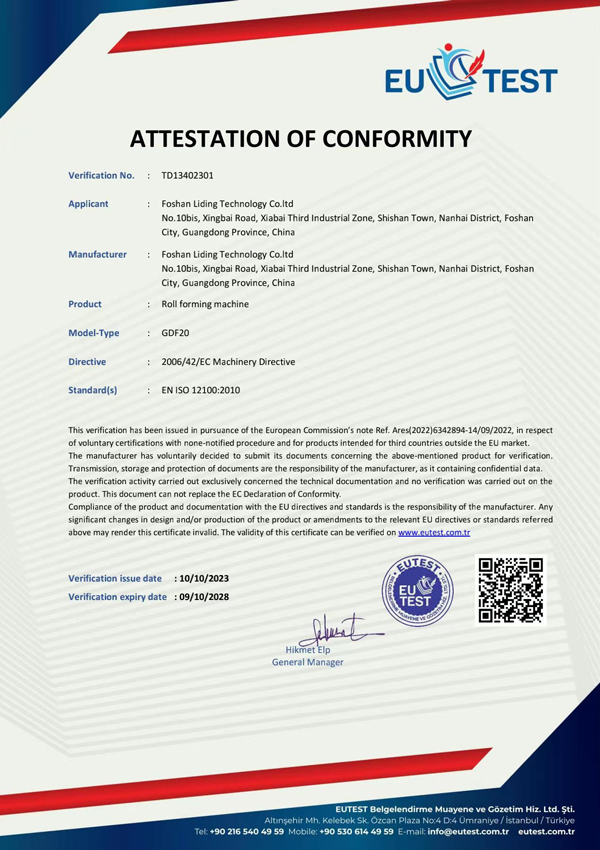
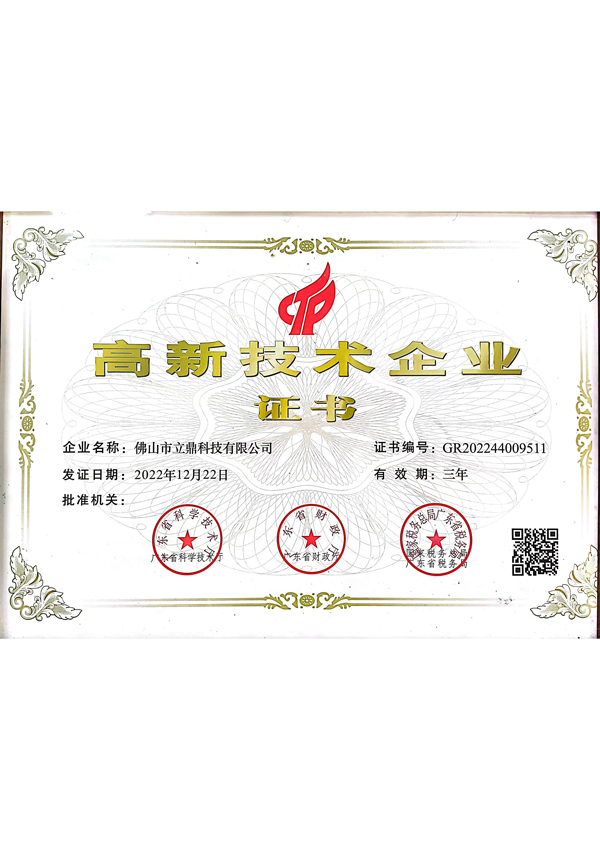
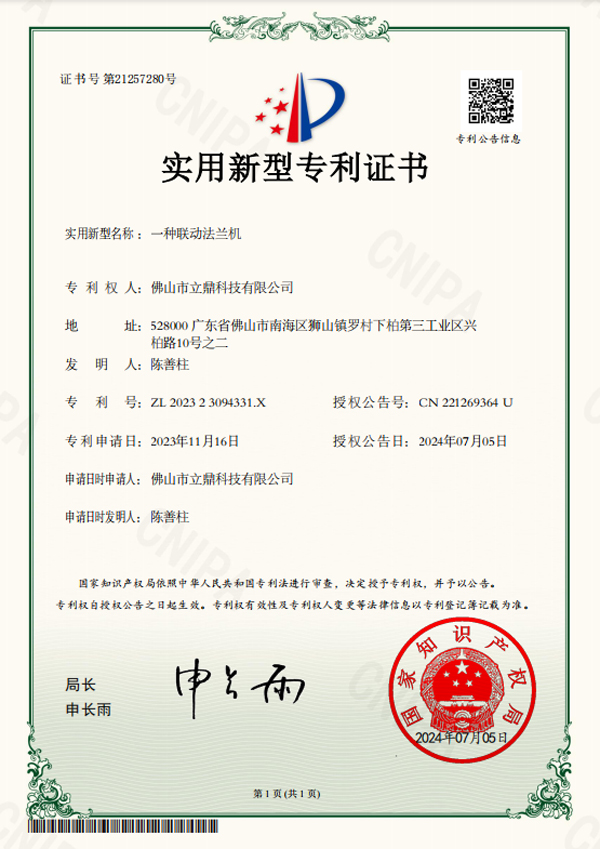
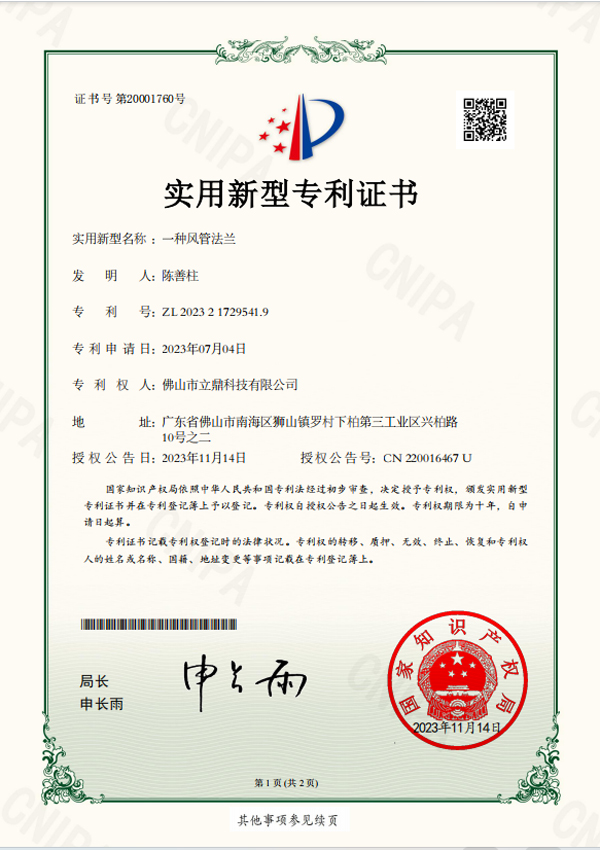
Partner with Liding Machinery to develop precision roll forming solutions for emergency smoke extraction damper frames, structural support racking, and HVAC system components for underground transit projects worldwide.
Request a Custom Production SolutionFull-spectrum cold forming solutions for HVAC systems, structural building components, and storage infrastructure — serving subway, commercial, and industrial applications globally.
HVAC Square Volume Control Fire Damper VCD Blade Shutter Roll Forming Machine | High-Accuracy Automatic Louver Blade Maker
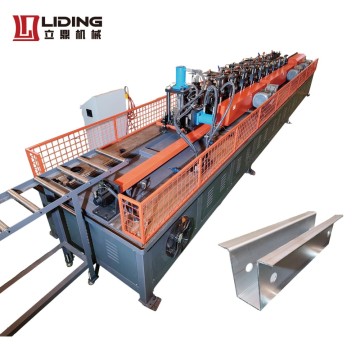 Liding Changeable Omega Bracket Roll Forming Machine
Storage Rack Shelf Box Panel Making Roll Forming Machine | Laminate Forming Line
High-Speed Volume Control Dampers Frame Roll Forming Machine | 23KW Fully Automatic VCD & Fire Damper Frame Production Line LD-FD06
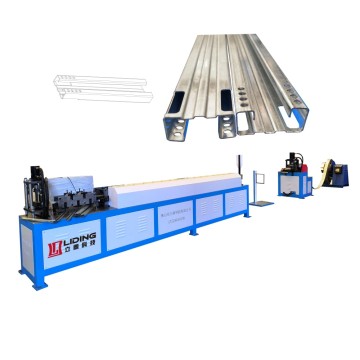 Liding Hidden Door Upright Forming Machine
High-Speed High-Accuracy HVAC Fire Damper Frame Roll Forming Machine | 25KW Automatic VCD Frame Production Line LD-FD05
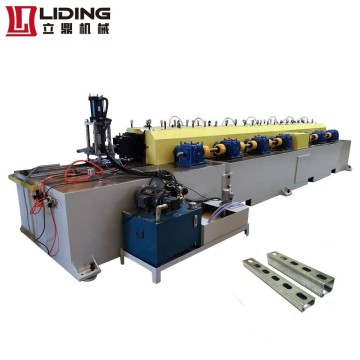 Liding LD-S01 Unistrut Channel Roll Forming Machine
 High Quality PDF Steel Coil Flange Profile Machine