Leave Your Message
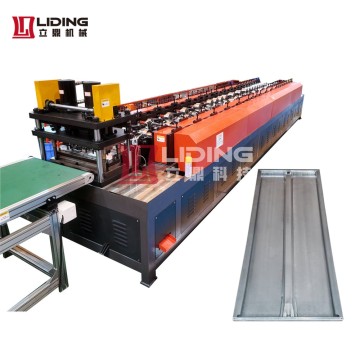
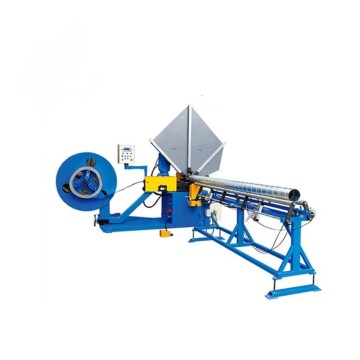
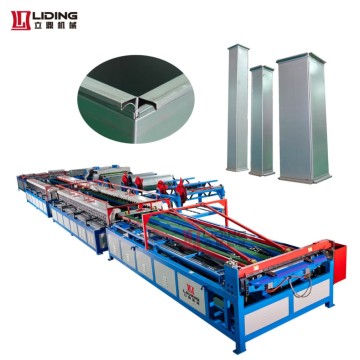
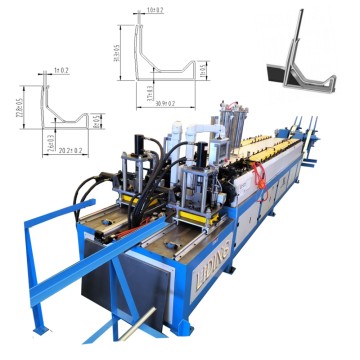
Precision metal forming machines engineered for the production of durable exterior casings used in air regulation dampers across marine vessels and offshore platforms.
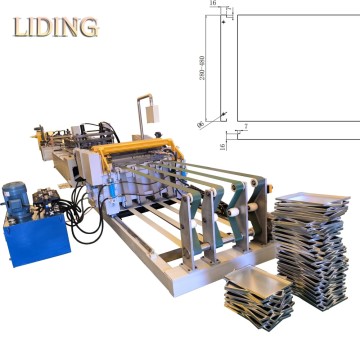
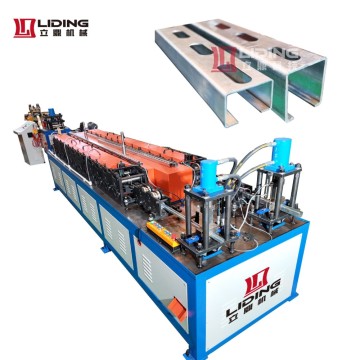

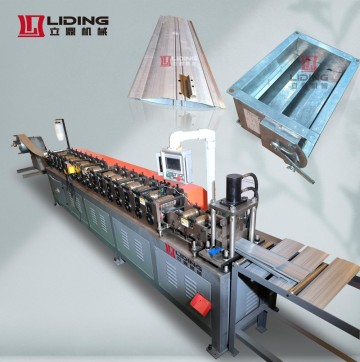
In the demanding environments of marine vessels and offshore oil & gas platforms, air regulation dampers serve as a frontline defense for ventilation control, fire suppression airflow management, and pressure balancing across compartments. The exterior casing of these dampers must withstand relentless exposure to saltwater corrosion, extreme temperature fluctuations, mechanical vibration, and high-pressure differentials — conditions that are simply non-negotiable in maritime engineering.
The precision metal forming machine has emerged as the cornerstone manufacturing technology for producing these durable exterior casings. Unlike conventional fabrication methods, modern roll forming and cold-press forming machines deliver the dimensional consistency, material integrity, and production throughput that offshore contractors and marine OEMs demand. With international standards such as IMO (International Maritime Organization) SOLAS regulations, DNV-GL classification requirements, and ABS certification protocols governing marine HVAC and fire damper specifications, manufacturers must rely on forming equipment that guarantees repeatable accuracy within tight tolerances.
🔩 Key Insight: The global marine HVAC and damper equipment market is projected to exceed USD 3.8 billion by 2030, driven by new shipbuilding orders, offshore platform upgrades, and increasingly stringent fire safety regulations. Metal forming machines that can produce corrosion-resistant, high-strength damper casings are at the epicenter of this growth.
The industrial reality of producing exterior casings for air regulation dampers in marine and offshore settings is far more complex than standard HVAC manufacturing. Offshore platforms — whether fixed jacket structures, semi-submersibles, FPSOs (Floating Production Storage and Offloading units), or drill ships — require HVAC damper systems that integrate seamlessly with blast-resistant and fire-rated bulkheads. The exterior casing must be fabricated from marine-grade stainless steel (316L or duplex grades), galvanized carbon steel, or aluminum alloys — all materials that demand forming machines with robust tooling and precise pressure control.
Major marine equipment manufacturers in South Korea, China, Norway, Singapore, and the UAE have increasingly invested in automated roll forming lines to replace manual sheet metal fabrication. The shift is driven by three core commercial imperatives: cost reduction through material efficiency, quality assurance to meet classification society approvals, and scalability to fulfill large shipbuilding contracts involving hundreds or thousands of identical damper units per vessel class.
From a commercial standpoint, the supply chain for marine damper casings involves a tiered ecosystem: steel mills supplying certified marine-grade coil stock, metal forming machine manufacturers providing the production equipment, fabricators running the forming lines, and system integrators assembling the complete damper units for installation. Liding Machinery positions itself as a critical link in this chain — supplying precision forming equipment that enables fabricators to produce certified, dimensionally accurate casings at industrial scale.
The convergence of digitalization, material science advances, and tightening maritime regulations is reshaping how metal forming machines are designed and deployed for offshore damper casing production.
Modern roll forming lines for marine damper casings increasingly incorporate servo-driven axes, PLC-controlled punch and cut systems, and IoT-enabled production monitoring. Real-time thickness measurement sensors and automatic roll gap adjustment ensure consistent wall thickness across high-volume runs — critical for pressure-rated offshore damper casings that must pass hydrostatic testing.
The push toward duplex stainless steel and super-austenitic alloys in offshore environments demands forming machines with higher tonnage capacity and hardened tooling. Duplex 2205, used extensively in subsea and topside HVAC applications, requires forming forces up to 40% greater than standard 304 stainless — necessitating purpose-built roll forming equipment with reinforced frames and precision-ground rolls.
Offshore platforms require damper casings in multiple cross-sectional profiles — rectangular, circular, oval, and custom flanged variants — often within the same production batch. Quick-change tooling systems and modular roll forming stands enable fabricators to switch between profiles in under 30 minutes, dramatically improving production flexibility for marine contracts with diverse specification requirements.
Environmental regulations affecting shipyards and offshore fabrication yards are driving demand for near-net-shape forming processes. Cold roll forming produces minimal material scrap compared to laser cutting or plasma cutting of casing blanks, making it the preferred process for sustainability-conscious marine OEMs seeking to reduce both material costs and carbon footprint in their manufacturing operations.
Leading forming machine manufacturers now offer digital twin capabilities that simulate the roll forming process for new damper casing profiles before physical tooling is manufactured. This dramatically reduces tooling development lead times from weeks to days and ensures first-article approval on marine classification society inspections — a significant competitive advantage in time-critical shipbuilding projects.
Offshore fabrication yards and ship repair facilities increasingly demand compact forming lines that can be deployed within constrained workshop footprints. Modular forming systems — where individual stations can be reconfigured or relocated — are gaining traction as marine contractors seek to bring casing fabrication in-house rather than relying on external suppliers, improving supply chain resilience and lead time control.
Understanding where and how metal forming machines are applied in the production of air regulation damper casings for marine and offshore environments reveals the true breadth of this technology's industrial significance.
LNG carriers operate in cryogenic temperature environments where standard carbon steel casings would fail due to embrittlement. Roll forming machines configured for 316L stainless steel and aluminum alloy 5083 coil stock produce cryogenic-rated damper casings for cargo hold ventilation and gas detection system airflow control. The precision forming ensures leak-tight flanged joints that meet IGC Code requirements for gas carrier construction.
FPSOs require fire-rated blast dampers at every HVAC penetration through A-class and B-class fire divisions. The exterior casings for these dampers must be formed from 3mm–6mm thick carbon steel plate or stainless steel, with reinforced corner joints and integral mounting flanges. Hydraulic press forming and CNC punch-and-fold systems work in tandem with roll forming lines to produce the complex multi-face casing geometries required for blast-rated damper assemblies.
Naval warships and submarines demand HVAC damper casings that are pressure-tight, EMI-shielded, and capable of surviving shock loads from underwater explosions (UNDEX). Metal forming machines producing these casings must achieve wall thickness tolerances of ±0.05mm and surface flatness within 0.2mm/m. Multi-pass roll forming with in-line straightening and stress-relief processes ensures the dimensional stability required for naval classification approvals.
Accommodation modules on fixed offshore platforms house crew quarters, control rooms, and emergency response centers — all requiring HVAC systems with fire and smoke dampers whose casings must meet NORSOK and API standards. Roll forming lines producing these casings handle galvanized steel and hot-dip aluminized steel coils, forming rectangular casings with integral TDC flanges for ductwork connection — enabling rapid installation during platform commissioning.
The burgeoning offshore wind energy sector presents a new and rapidly growing application for marine-grade damper casings. Wind turbine transformer platforms and offshore substations require ventilation dampers with casings that resist marine atmospheric corrosion over 25-year service lives. Forming machines producing duplex stainless steel casings with electropolished surfaces are increasingly specified for these applications, where maintenance access is severely limited and component longevity is paramount.
The global ship repair market — valued at over USD 35 billion annually — generates substantial demand for replacement damper casings during dry-docking operations. Mobile or compact roll forming units deployed within shipyard workshops enable on-demand production of replacement casings to match existing vessel specifications, eliminating the lead times associated with ordering from remote suppliers and reducing vessel off-hire time during repair campaigns.
Producing exterior casings for air regulation dampers in marine and offshore environments imposes specific technical demands on the metal forming equipment used in their manufacture.
Marine-grade stainless steels and duplex alloys require forming machines with roll forming forces exceeding 150kN per stand and hydraulic cutting forces of 200kN+ to cleanly shear thick-gauge marine steel without edge cracking or work hardening artifacts that could compromise corrosion resistance.
Classification society approvals require casing dimensions within ±0.5mm for critical face dimensions and ±1mm for overall length. Servo-controlled forming stations with closed-loop feedback from laser measurement systems ensure this level of precision across production runs of hundreds of identical casing units.
Roll forming tooling in contact with stainless steel and duplex alloy coils must be manufactured from D2 or M2 tool steel with PVD or TiN coatings to prevent galling and tool wear. Hardened tooling with surface hardness of 60–62 HRC ensures consistent forming quality across the high-cycle production volumes typical of marine shipbuilding contracts.
Marine contracts require damper casings in multiple sizes and profiles. CNC-controlled forming lines with recipe management systems allow operators to store and recall forming parameters for each casing variant, enabling rapid changeover between profiles with automatic roll gap and pitch adjustment — critical for mixed-production schedules in busy fabrication yards.
In-line dimensional verification using laser profilometers, surface inspection cameras, and automatic rejection systems ensures that only conforming casings proceed to downstream assembly. Digital quality records generated by the forming line support classification society documentation requirements and traceability obligations for offshore safety-critical components.
Offshore and shipyard customers operating in remote locations require forming machines with remote diagnostic capabilities. IoT-enabled control systems transmit real-time production data, fault codes, and predictive maintenance alerts to Liding's technical support team, enabling rapid remote troubleshooting and minimizing production downtime in geographically isolated fabrication facilities.
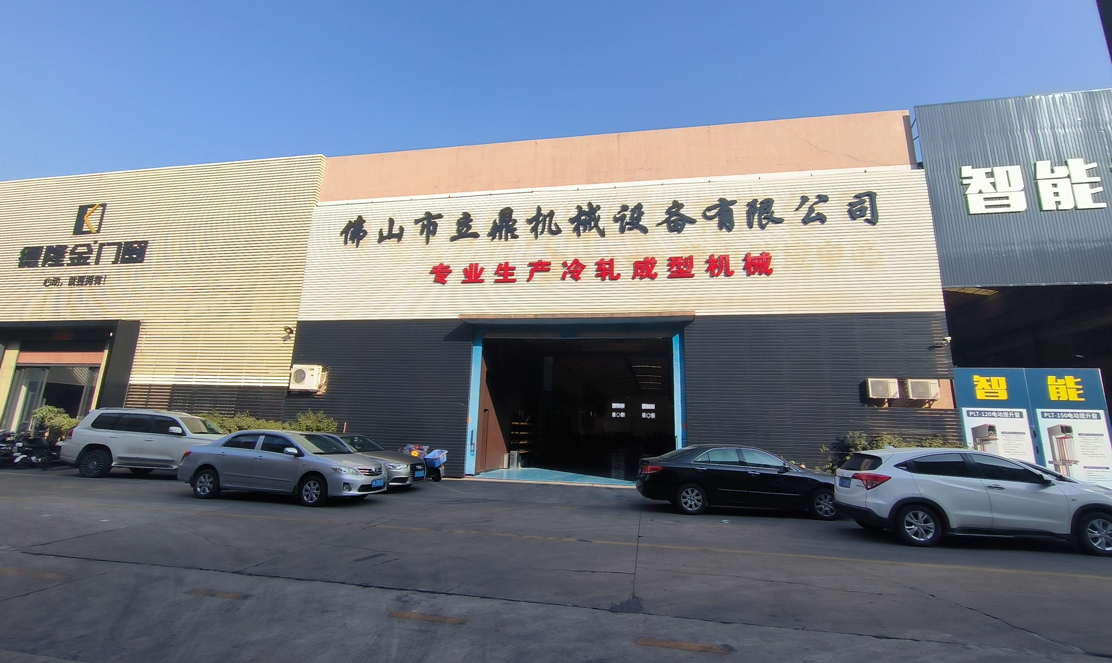
Foshan Liding Machinery Equipment Co., Ltd., established in 2014, is a specialist manufacturer of metal roll forming equipment with a core team boasting over 25–30 years of experience in the cold-forming industry. We are not merely a machine supplier — we are your strategic partner in product innovation and production efficiency enhancement for the most demanding marine and offshore applications.
What sets Liding Machinery apart as the preferred metal forming machine supplier for marine and offshore damper casing manufacturers worldwide.
Our forming machines and manufacturing processes are backed by internationally recognized certifications, ensuring compliance with marine and offshore industry quality requirements.
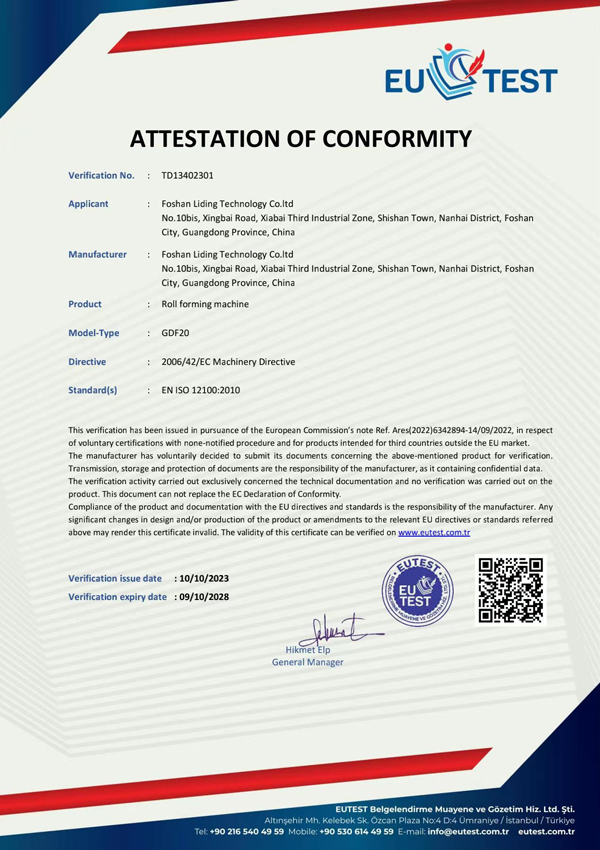
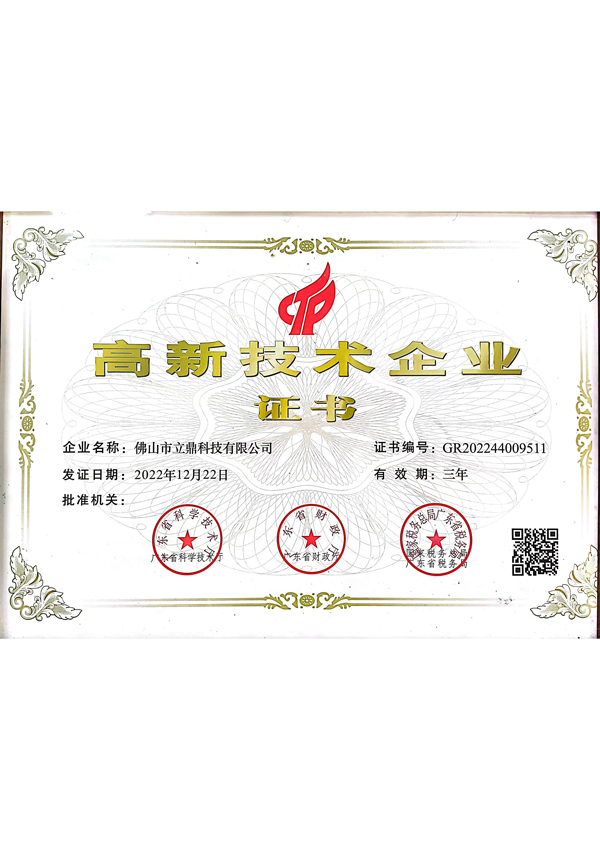
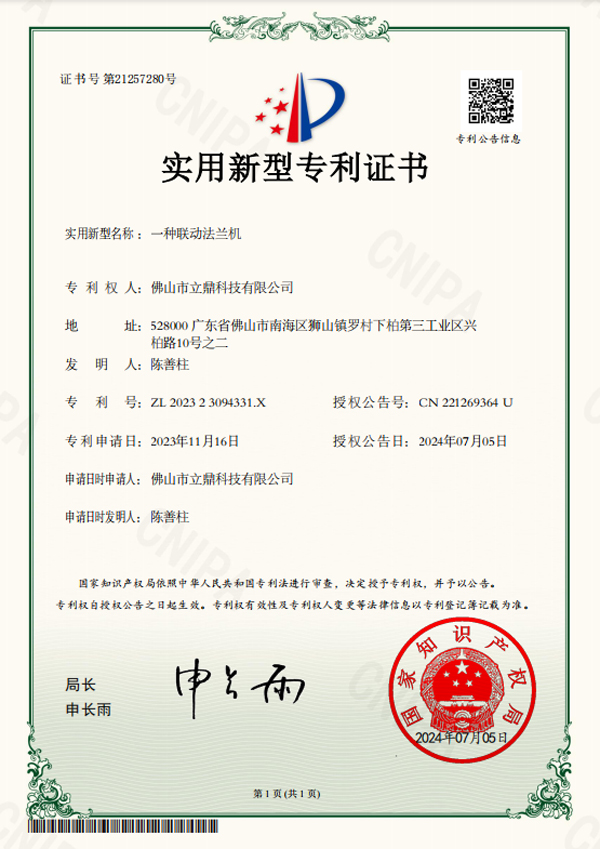
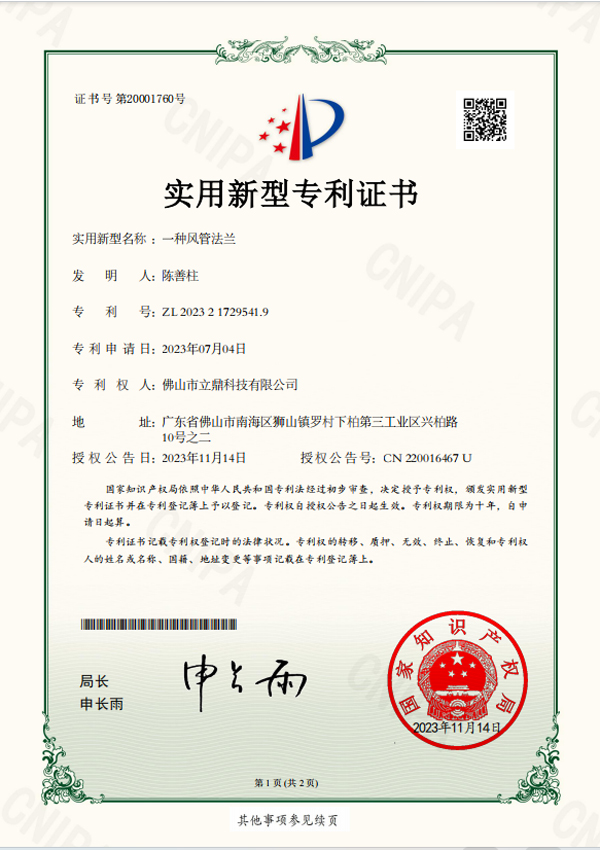
Contact Liding Machinery today to discuss your specific requirements for metal forming machines producing durable exterior casings for air regulation dampers in marine and offshore platforms. Our engineering team will provide a customized production line solution tailored to your material specifications, output requirements, and classification society compliance needs.
Explore Damper Forming Solutions →Explore our full range of precision roll forming and metal forming machines for HVAC ductwork, damper systems, structural components, and storage solutions — all engineered for demanding industrial environments.