- Home
- About Us
- Products
- Solution
- Application
- News
- FAQ
- Contact Us
Leave Your Message
High-speed, high-accuracy roll forming production lines engineered to manufacture structural HVAC framing, damper assemblies, and high-volume ducting components.
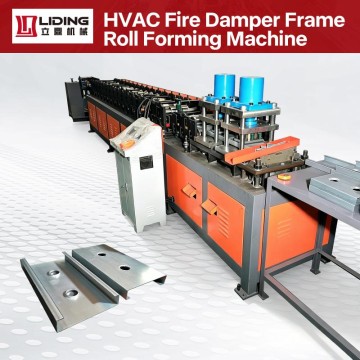
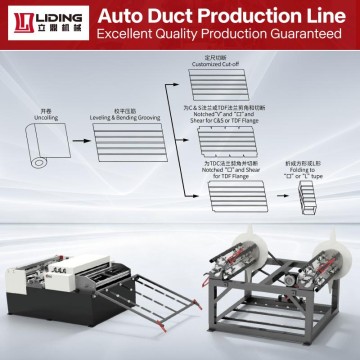
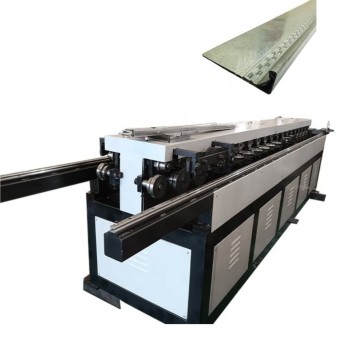
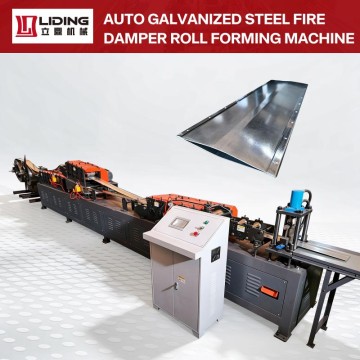
In modern industrial architectural engineering, the construction of prefabricated steel industrial factories and Pre-Engineered Metal Buildings (PEMB) has undergone a profound paradigm shift. While primary structural framing—such as rigid portal frames, heavy welded H-columns, and structural rafters—bears primary gravity and lateral seismic loads, the secondary load-bearing framing system carries the vital responsibility of anchoring building envelope claddings and mechanical, electrical, and plumbing (MEP) infrastructures.
Secondary framing components, including cold-formed steel (CFS) C-channels, Z-purlins, wall girts, strut channels, seismic bracing brackets, and ceiling suspension grids, are subjected to complex, dynamic loading patterns when supporting heavy-duty industrial HVAC equipment. High-capacity modular air handling units (AHUs), extensive spiral or rectangular duct networks, industrial air plenum boxes, and heavy smoke-extraction fire damper assemblies induce both static dead weight and continuous dynamic aerodynamic stresses upon these secondary cold-formed steel framing networks.
Industrial manufacturing plants, such as EV battery gigafactories, photovoltaic cleanrooms, and aerospace assembly hangars, require continuous, high-volume air turnover, positive pressurization, and stringent temperature-humidity stability. Consequently, secondary structural framing must achieve:
Understanding the mechanical interface between cold-formed roll profile machinery and large-span prefabricated steel facilities.
Modern automated logistics hubs feature clear heights exceeding 18 to 24 meters. High-velocity spiral round duct networks and modular destratification ventilation systems hang suspended across secondary truss purlins. Cold-rolled strut channels (Unistrut-type) and width-adjustable C-profiles formed with micron-level tolerances ensure zero sagging and rapid bolt-together installation across 100,000+ square meter footprints.
Semiconductor fabrication plants and battery cell production lines require ultra-low dewpoint cleanrooms (-40°C dew point) and ISO Class 1-5 air purity. The structural ceiling grid acts as a secondary load-bearing matrix supporting heavy Fan Filter Units (FFU), airtight plenum boxes, and fire-resistant acoustic silencers. Cold-rolled structural profiles must feature zero oil residue, superior flatness, and precise locking seams.
Environments with corrosive fumes and high thermal gradients demand automated roll-formed stainless steel and thick-gauge galvanized rectangular ducts. Dual-spec GDF flange profiles and multi-blade fire damper frame roll forming systems produce rigid, leak-proof airtight joints conforming to SMACNA Class 3 air leakage standards, preventing toxic gas accumulation while securing fire partition integrity.
Advancing automated metal-forming precision from raw steel coil to finished load-bearing framing and aerodynamic conduits.
The manufacturing efficiency of secondary load-bearing structural members and HVAC distribution profiles relies directly on the precision of automated cold roll forming lines. Unlike traditional press brakes and manual folding stations, continuous roll-forming lines integrate hydraulic decoiling, servo leveling, multi-station progressive roll forming, CNC hydraulic punching, and high-speed flying cutoff systems into a seamless digital workflow.
Equipped with intelligent PLC control architectures, variable frequency drives (VFD), and precision encoder feedback, modern roll-forming equipment shapes high-tensile galvanized steel (yield strength up to G550 MPa) without inducing micro-fractures, spring-back deformation, or zinc layer flaking. This guarantees the structural integrity of C-channels and seismic brackets when anchored into prefabricated steel rafters and girts.
| Structural Component / Profile | Target Secondary Framing Function | Raw Material Thickness (mm) | Line Forming Speed (m/min) | Core Technological Advantage |
|---|---|---|---|---|
| Customizable C-Channel / Strut Channel | MEP Trapeze Hangers & Seismic Bracing Brackets | 1.5 – 3.0 mm Galvanized / HR Steel | 15 – 35 m/min | Servo-controlled width adjustment, automated multi-pattern CNC slot punching |
| GDF / TDF Integrated Duct Flanges | High-pressure rectangular duct transverse jointing | 0.8 – 1.2 mm Galvanized Sheet | 12 – 20 m/min | Airtight roll-formed flange profiles eliminating loose clips; SMACNA seal class compliant |
| Fire Damper Outer Box & Blade Profiles | Life-safety thermal smoke barrier secondary containment | 1.0 – 2.0 mm Galvanized / Stainless | 10 – 18 m/min | Integrated 4-corner robotic folding, high-speed single/double interlocking blade formation |
| Spiral Round Ventilation Ducts | Low-resistance, high-velocity factory air distribution | 0.4 – 1.5 mm Strip Steel | Up to 60 m/min | Four-ply lockseam spiral forming with high hoop strength and low dead-weight ratio |
| Acoustic Air Plenum & Silencer Shells | Noise attenuation & airflow expansion chambers | 0.8 – 1.5 mm Pre-coated Steel | 10 – 15 m/min | Precision perforated skin roll-forming with automated hemmed corners for acoustic liners |
The integration of HVAC mechanical equipment and secondary structural framing is evolving rapidly towards complete digitalization and automation.
1. Direct BIM-to-Machine CAM Automation: Engineering teams no longer generate disconnected fabrication drawings. Building Information Modeling (BIM) data feeds directly into CNC roll-forming PLC systems, auto-punching seismic mounting holes and cut-to-length coordinates for immediate, zero-waste on-site assembly.
2. High-Strength Lightweighting (G550 CFS): Transitioning to ultra-high-yield galvanized steel sheets allows secondary structural framing and HVAC duct brackets to reduce dead weight by up to 30% while increasing load-bearing safety factors under seismic shear loads.
3. Modular Off-Site Pre-assembly: Entire MEP utility corridors—complete with secondary C-channel trapeze grids, rectangular ducts, fire dampers, and cable trays—are pre-assembled in factory environments and craned into steel structures, cutting jobsite labor by over 60%.
For global engineering procurement and construction (EPC) contractors, selecting automated, high-precision roll forming lines directly dictates structural compliance, project lead times, and long-term operating safety across prefabricated steel industrial factories.
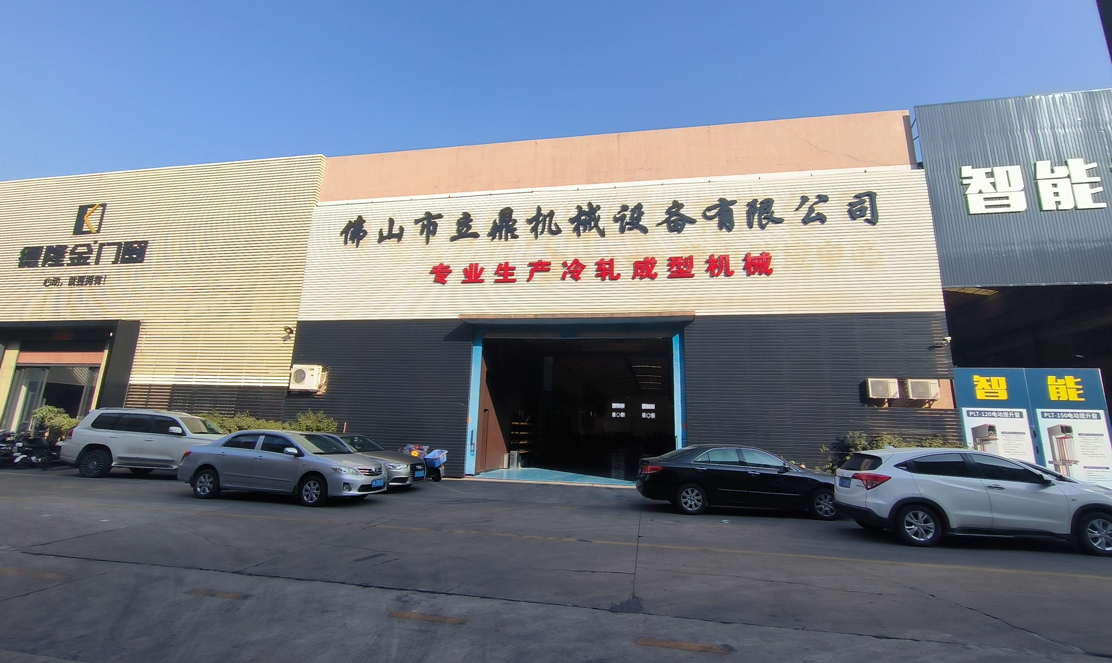
Liding Machinery – Our core technical team boasts over 30 years of experience in cold-forming.
We design and manufacture high-precision cold-forming equipment covering:
Foshan Liding Machinery Equipment Co., Ltd. was established in 2014, with a core team boasting over 25 years of experience in the cold-forming industry. We are a specialist manufacturer of metal roll forming equipment, dedicated to providing efficient, precise and reliable customised production line solutions for global HVAC systems, building structures and storage equipment sectors. We are not merely a machine supplier, but your strategic partner in product innovation and production efficiency enhancement.
• You provide drawings or samples; we deliver comprehensive production solutions.
• Our focus extends beyond the machinery itself to the quality and production costs of your end products.
• Our dedicated team offers ongoing technical support and after-sales service.
Over 2,000 roll forming machines operating worldwide.
Exporting to Southeast Asia, Middle East, Europe, Russia.
85% of our clients come back for additional lines.
Average experience of our senior engineers.
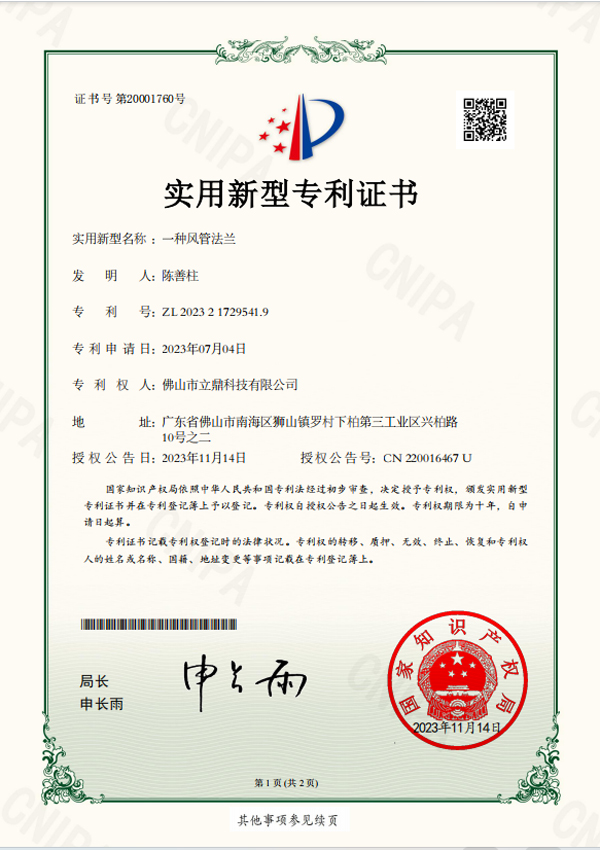
Proven engineering reliability, proprietary patented forming technologies, and comprehensive worldwide service.
25 years of experience in cold bending forming, with a research and development team of over 10 people.
Anti-seismic bracket patented technology, safe, reliable, and compliant with international building codes.
Customized on demand, delivering a full turnkey line solution from engineering blueprint to mass production.
Quick changeover tooling, versatile for one machine, backed by global technical support with 48-hour response time.
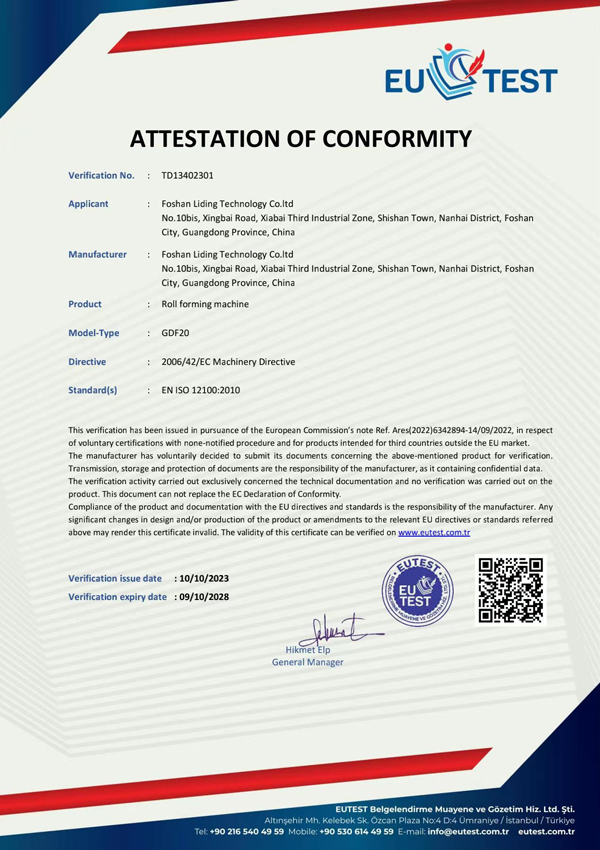
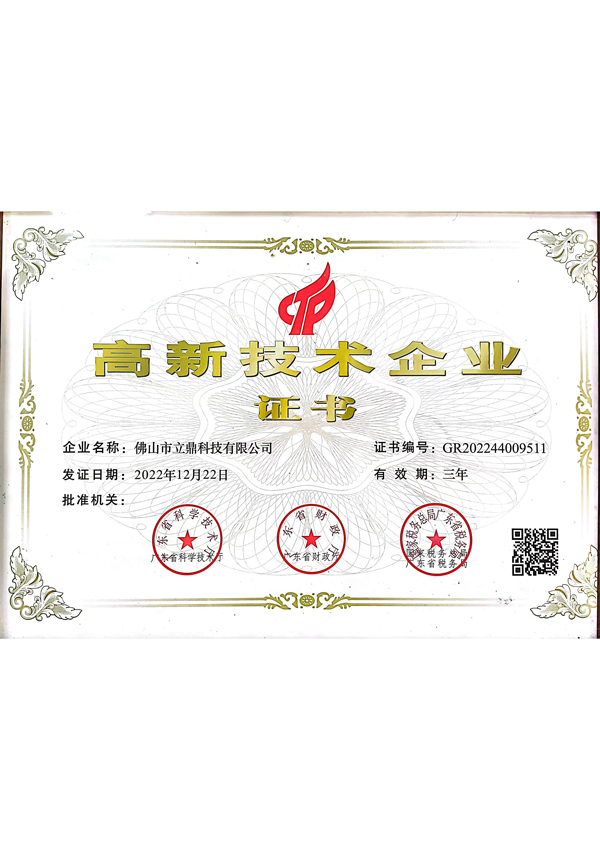
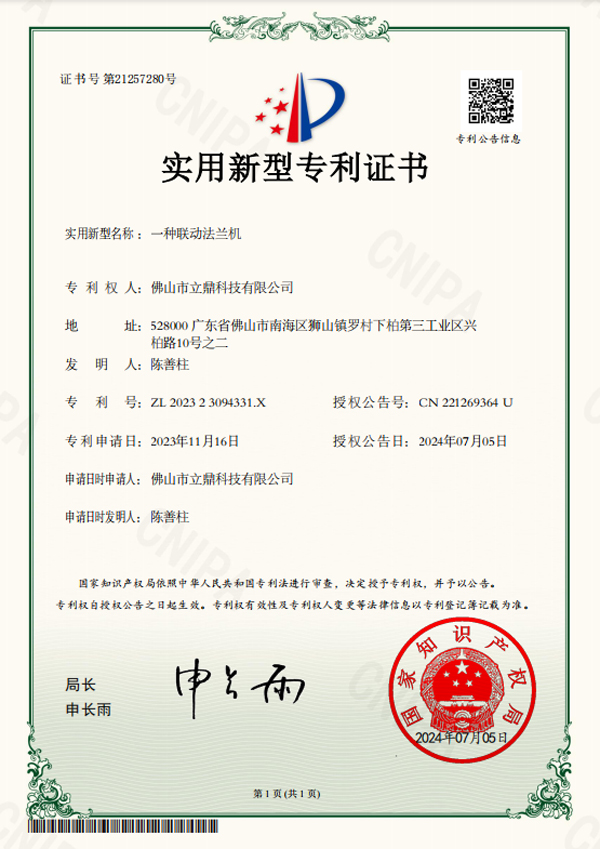
Expert answers regarding cold-forming machinery, secondary framing calculations, and HVAC integration.
Cold-formed C-channels act as intermediate load-transfer members. When suspended HVAC ductwork experiences aerodynamic drag or dynamic air turbulence, the C-channel trapeze assembly redistributes these loads across multiple roof purlins, preventing localized deflection or buckling of the main steel frame rafters.
Yes. Liding roll-forming systems utilize high-grade Cr12MoV vacuum-quenched roller dies and robust gear-drive stands engineered specifically to form high-tensile steel (up to G550 yield strength and 3.0mm thickness) without micro-cracking the zinc coating or compromising profile geometry.
Integrated GDF (German Duct Flange) profiles are roll-formed directly onto the duct body or as separate push-on profiles, saving up to 40% in fabrication labor, eliminating manual welding and anti-rust painting, and drastically reducing air leakage to meet strict SMACNA/Eurovent Class C standards.
With over 2,000 machines operational across 50+ countries, all Liding lines feature world-standard electrical components (Siemens, Schneider, Delta PLC), pre-shipment trial video verifications, standardized modular replacement parts, and a 48-hour global technical support commitment.
Explore our comprehensive portfolio of roll-forming machinery engineered for prefabricated steel factories, ventilation systems, and structural framing.