- Home
- About Us
- Products
- Solution
- Application
- News
- FAQ
- Contact Us
Leave Your Message
Automated solutions engineered for high-security roll-up door profiles, heavy-duty slats, and perimeter framing
Addressing the structural limits of conventional cold bending in high-security environments
The modern logistics and transportation sectors are undergoing a profound operational transformation. Facilities such as commercial parking garages, high-velocity airport freight hubs, automated distribution hubs, and intermodal cargo terminals require security doors that can withstand continuous operational cycles, extreme atmospheric forces, and severe physical impacts. Automated secure entry roll-up doors serve as critical perimeter barriers, safeguarding multi-million dollar logistics networks, air cargo bays, and high-density commercial assets.
Historically, commercial roll-up door slats and structural perimeter frames were manufactured using standard cold roll forming techniques applied to mild carbon steel or medium-gauge aluminum. However, as operational demands escalate—requiring higher wind-load tolerances (capable of enduring category 4 typhoon or hurricane pressure differentials), anti-tamper security ratings, blast-resistance, and high-frequency opening cycles exceeding 500 operations per day—conventional cold-formed materials exhibit clear mechanical limitations. Cold-worked steels suffer from residual springback, localized micro-cracking, and lower strength-to-weight ratios, forcing manufacturers to increase material thickness. This substantially increases the total curtain weight, overloading motor drives, increasing energy consumption, and triggering frequent maintenance downtime.
In high-security airport logistics docks, where rapid automated doors must cyclically open and seal within seconds to maintain climate-controlled air freight zones while protecting against unauthorized tarmac breaches, hot-formed roll-up door profiles deliver an uncompromised balance: extreme physical toughness, minimal curtain mass, perfect dimensional geometry, and extended fatigue life.
Thermo-mechanical transformation, inline quenching, and zero-defect geometric control
High-frequency electromagnetic induction units heat continuous steel strips to austenitic phase (>900°C) with uniform thermal penetration within milliseconds.
Precision-engineered heat-resistant alloy rollers profile the soft austenitic steel into complex interlocking slat geometries with zero material micro-fracturing.
Integrated high-pressure liquid/water cooling channels instantly freeze the molecular structure, converting austenite to fully hard martensite steel.
The core mechanism of a Hot Forming Machine for Automated Secure Entry Roll-up Doors relies on a synchronized thermo-mechanical production line. The equipment integrates a high-capacity uncoiler, continuous high-frequency induction heating tunnels, servo-driven hot profiling stations, inline automated laser punching/notching units, and a specialized press-quenching or rapid-water-jacket cooling zone.
| Parameter / Feature | Conventional Cold Roll Forming | Advanced Hot Forming Machine |
|---|---|---|
| Target Material Grade | Standard Galvanized Steel, Mild Carbon (Yield < 350 MPa) | Ultra-High Strength Steel / Boron Steel (Yield > 1500 MPa) |
| Material Springback Variance | High (±1.5mm to ±3.0mm) | Negligible (< ±0.2mm) |
| Profile Tensile Strength | approx. 400 - 550 MPa | Up to 1600+ MPa |
| Curtain Weight Optimization | Heavy (requires thicker gauge to achieve structural strength) | Lightweight (30–40% mass reduction for identical load capacity) |
| Application Suitability | Standard residential / Light commercial entry doors | Airport freight docks, high-velocity secure commercial gates |
Where extreme mechanical demands meet automated access infrastructure
International air cargo terminals operate on stringent timeline commitments. Air freight facilities require extra-wide automated roll-up doors (often spanning 8 to 14 meters) operating continuously day and night. These doors face severe wind suction caused by jet blast from taxiing aircraft, high humidity, and continuous automated guided vehicle (AGV) traffic.
Hot-formed roll-up door profiles provide the structural rigidity necessary to handle extreme negative wind pressures without bending out of side guide rails. Furthermore, the lightweight nature of UHSS hot-formed slats allows high-speed automated motors to operate at speeds exceeding 2.0 meters per second, preserving indoor air conditioning and thermal containment for perishable air cargo.
Urban commercial parking structures in major financial hubs demand automated security entry gates that combine high cycle durability with burglary protection. Standard security gates wear out quickly when subjected to hundreds of vehicle passages per hour during peak commute times.
Hot-formed roll-up security doors utilize ultra-tough double-walled interlocking slats that provide anti-burglary certification (such as RC3/RC4 ratings). The increased fatigue resistance of hot-formed profiles prevents micro-fissures around hinge pivot points, reducing maintenance costs and eliminating unscheduled gate outages in automated commercial garages.
Smart manufacturing, IoT thermal management, and sustainable production lines
The industrial machinery market for roll-up door manufacturing is undergoing rapid smart transformation. Key evolutionary drivers shaping the next generation of hot forming machines include:
Modern hot forming lines integrate real-time closed-loop infrared pyrometer feedback systems. By continuously monitoring strip temperature at every roller pass, the PLC system automatically adjusts line speed and induction power to guarantee uniform material grain transformation.
To reduce operational carbon footprints, machine manufacturers are introducing eco-friendly hybrid heating modules. Regenerative braking on servo-uncoilers combined with targeted high-efficiency induction coils slashes electricity consumption by up to 28% compared to traditional gas-fired reheating furnaces.
Logistics door manufacturers often require multiple profile heights (e.g., 75mm, 100mm, and 125mm slats). Modern hot forming lines utilize cassette-type quick-change station blocks, reducing profile changeover times from 6 hours down to under 30 minutes.
Integrated inline vision inspection systems check profile keyway tolerances, punch hole centerlines, and coating integrity at speeds up to 35 meters per minute, automatically rejecting out-of-spec sections before final assembly.
Over 30 years of technical mastery in cold & hot roll-forming engineering
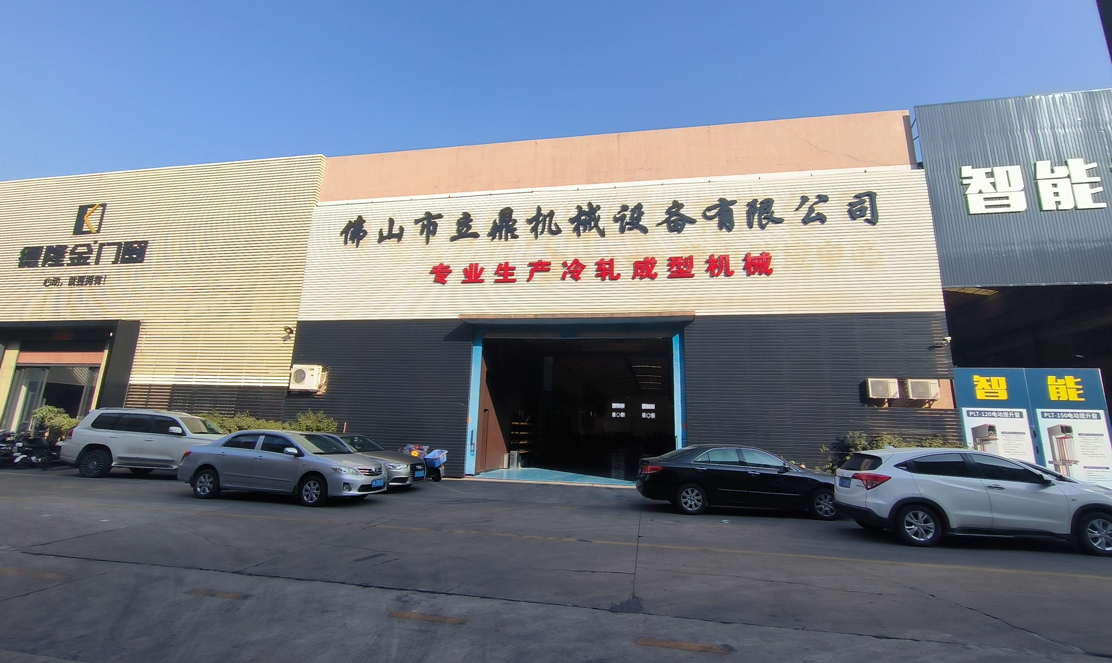
Established in 2014, Foshan Liding Machinery Equipment Co., Ltd. brings together a core engineering team boasting over 25 to 30 years of specialized experience in metal bending and forming technologies. We design and manufacture high-precision, customized production line solutions for global HVAC ductwork systems, building structural components, storage equipment, and heavy-duty automated entry doors.
We are not merely a machinery vendor—we act as your end-to-end strategic partner. From initial CAD drawing evaluation and material stress analysis to full turnkey line installation and operator training, Liding Machinery ensures your factory achieves optimal throughput with minimal operational overhead.
Roll forming lines operating globally
Countries & regions exported (Southeast Asia, Europe, Middle East, Russia)
Client repeat order and line extension rate
Years average experience of senior engineering staff
Over 25 years of specialized experience in cold and hot metal deformation, supported by an in-house R&D team of expert engineers.
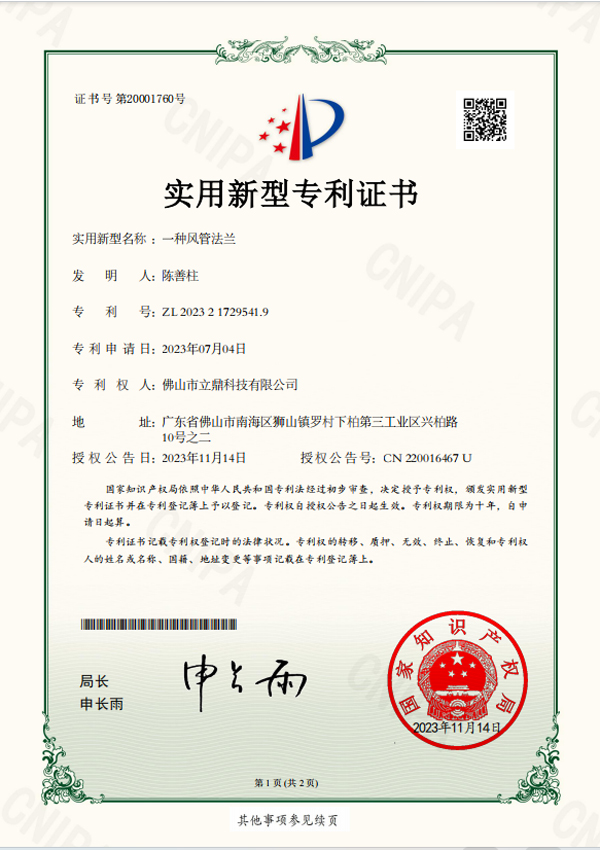
Patented anti-seismic bracket and heavy-duty profile forming tech, ensuring long-term structural reliability under extreme load conditions.
Complete tailor-made machine design from raw coil specifications to automated punching, bending, cutting, and stacking.
Rapid remote diagnostics and on-site engineering service with a guaranteed 48-hour response protocol worldwide.
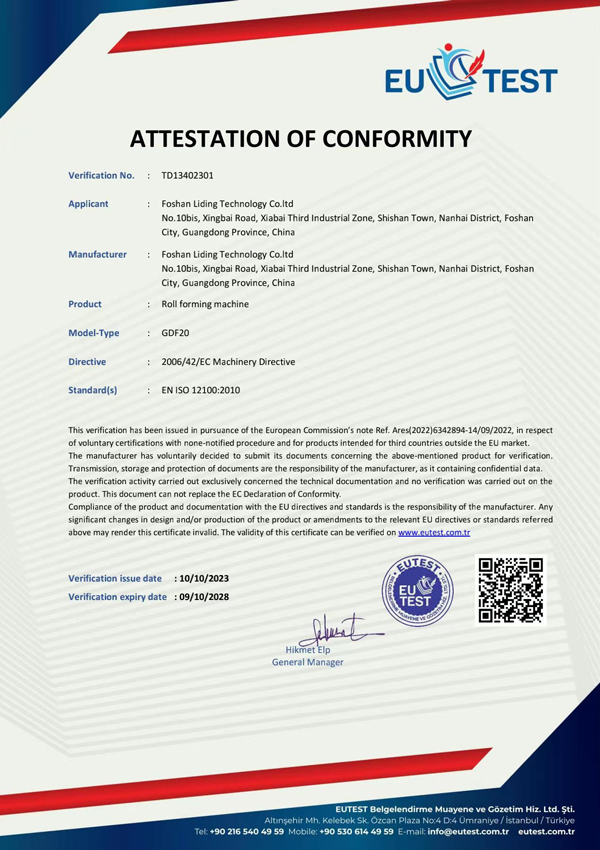
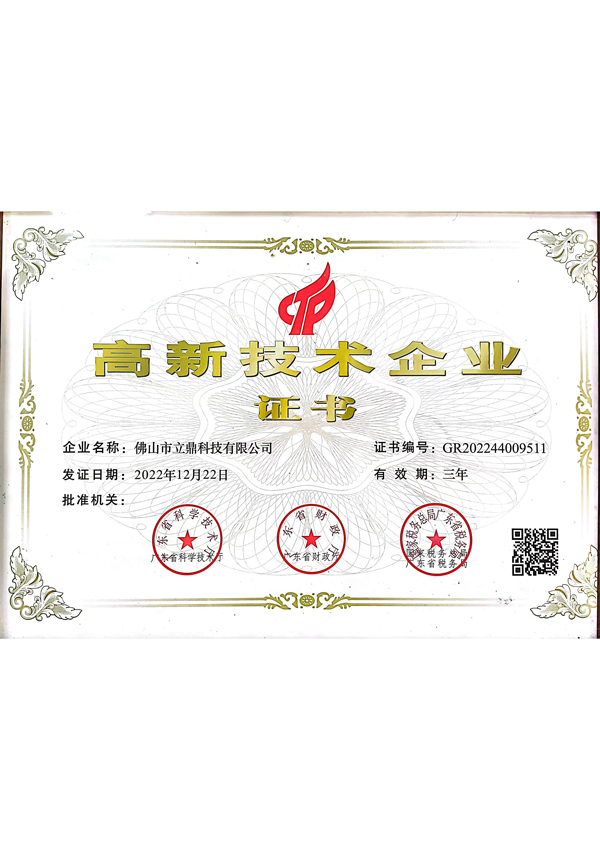
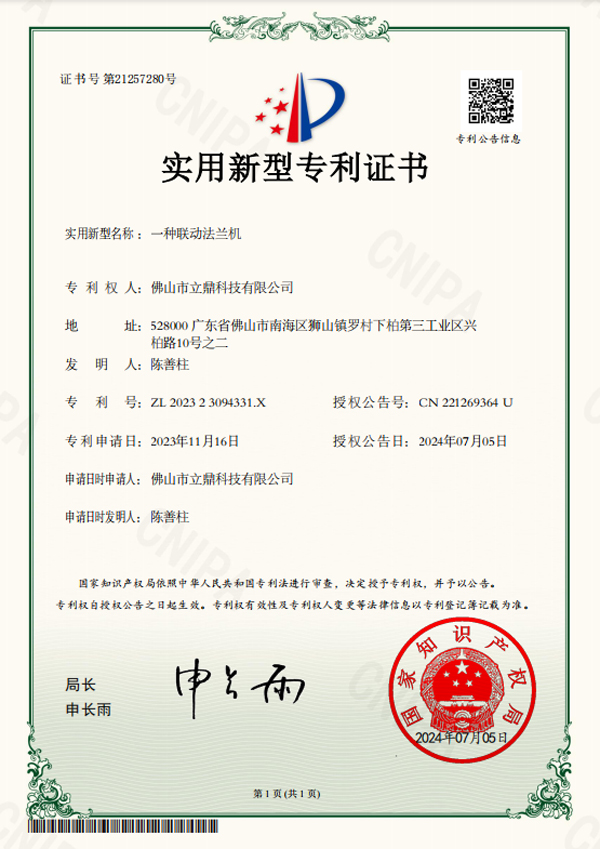
Explore our full line of specialized forming machines for doors, HVAC systems, and warehouse infrastructure