Leave Your Message
High-performance roll forming machines engineered for structural secondary framing components in prefabricated steel industrial facilities.
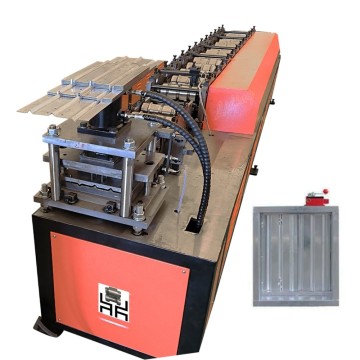
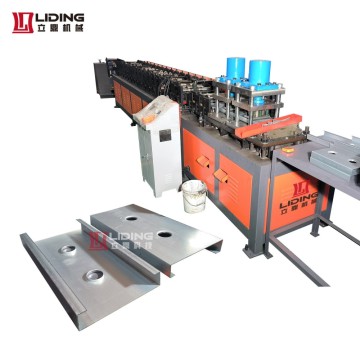
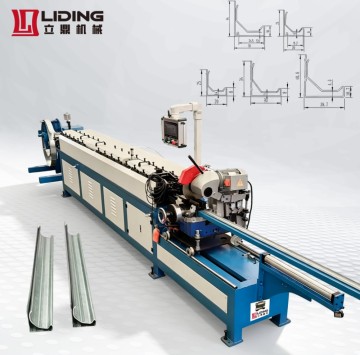
The global prefabricated steel construction industry is undergoing a profound transformation. As industrial facilities demand faster build cycles, stricter structural performance standards, and greater cost efficiency, the manufacturing processes that produce structural secondary load-bearing framing components have become a strategic focus for builders, engineers, and factory equipment suppliers alike. At the heart of this evolution sits the modern roll forming machine — a precision-engineered production system that continuously shapes flat metal coil stock into complex cross-sectional profiles with extraordinary speed and dimensional accuracy.
🏭 Secondary load-bearing framing — including purlins, girts, eave struts, C-channels, Z-sections, and omega profiles — accounts for 30–45% of the total structural steel tonnage in a typical prefabricated industrial factory. The precision and efficiency of the forming machines that produce these components directly determine overall project quality and cost.
In prefabricated steel industrial buildings, the structural system is typically divided into primary framing (main columns and rafters) and secondary framing. Secondary load-bearing framing refers to the intermediate structural members that span between primary frames to support roofing panels, wall cladding, crane systems, mezzanine floors, and equipment platforms. These components include:
The dimensional precision of these components is non-negotiable. Tolerances are typically held to ±0.5mm or tighter, as errors accumulate across dozens or hundreds of bays in a large industrial facility. Modern CNC-controlled roll forming machines are the only production method capable of delivering these tolerances at industrial production volumes.
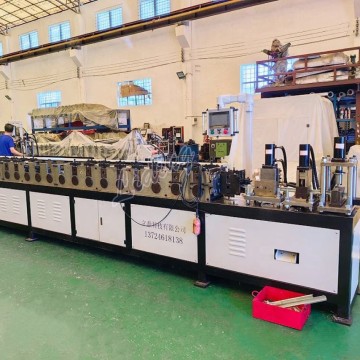
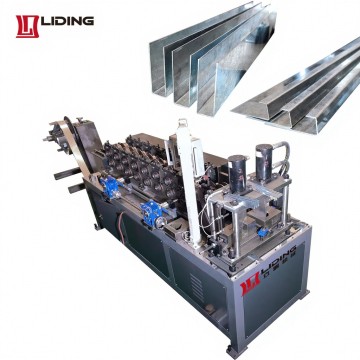
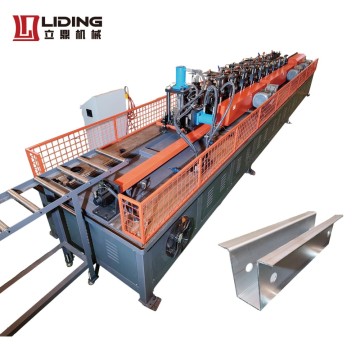
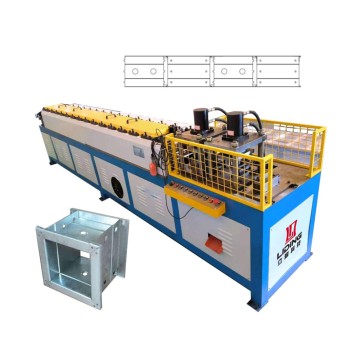
Roll forming is a continuous metal-forming process in which a flat metal strip — typically galvanized steel, cold-rolled steel, or high-strength structural steel coil — is progressively shaped through a series of paired roller dies mounted on a forming mill. Each successive set of rollers incrementally bends the strip closer to the final cross-sectional profile. The process is highly efficient, capable of forming complex profiles at speeds ranging from 15 to 80 meters per minute depending on material thickness and profile complexity.
Modern forming machines for secondary structural framing incorporate several advanced subsystems:
Understanding where the industry stands today and the commercial forces driving demand for advanced forming equipment.
The global prefabricated steel building market was valued at approximately USD 14.8 billion in 2023 and is projected to reach USD 24.3 billion by 2031, growing at a CAGR of 6.4%. This growth is driven by rapid industrialization in Southeast Asia, the Middle East, Africa, and Latin America, where the demand for large-span industrial factories, logistics warehouses, cold storage facilities, and manufacturing plants is surging. Each of these structures requires thousands of linear meters of precisely formed secondary framing components.
A key commercial trend reshaping the forming machine market is the localization of steel component manufacturing. Rather than importing finished structural components, industrial builders in emerging markets are increasingly investing in their own in-house roll forming production lines. This shift is driven by import cost reduction, supply chain resilience, lead time compression, and the ability to customize profiles to local building codes. A single integrated purlin and girt roll forming line can supply enough secondary framing for 50,000–200,000 m² of industrial floor space per year, making the capital investment highly attractive for mid-to-large scale steel building contractors.
The explosion of e-commerce logistics infrastructure globally has created an unprecedented demand for large-span prefabricated steel warehouses and distribution centers. These facilities — with clear spans of 30m to 60m or more — rely heavily on high-volume secondary framing production. The ability to produce C-purlin, Z-purlin, and eave strut profiles in large quantities with tight tolerances and short lead times has made advanced forming machines an essential capital asset for steel building contractors serving the logistics sector.
Next-generation forming lines are incorporating AI-based process control that continuously monitors roller force, strip tension, and dimensional output, automatically adjusting machine parameters to compensate for material variation and maintain zero-defect production. Predictive maintenance algorithms analyze vibration and thermal data to schedule maintenance before failures occur.
The adoption of Grade 550 and Grade 700 high-strength structural steel in secondary framing is accelerating, driven by the need to reduce section weight while maintaining load capacity. Modern forming machines are being engineered with reinforced roller stations, higher-torque servo drives, and advanced springback compensation systems to accurately form these challenging materials.
The market is moving decisively toward CNC quick-changeover forming lines capable of switching between C-purlin, Z-purlin, eave strut, and girt profiles within minutes rather than hours. Motorized spacer adjustment, automated roller positioning, and digital recipe management are eliminating the skilled-labor bottleneck of traditional manual changeover.
Forming machines are increasingly equipped with IoT connectivity, enabling remote diagnostics, production data analytics, and cloud-based quality management. Manufacturers can monitor OEE (Overall Equipment Effectiveness) in real time, receive remote technical support, and integrate forming line data with ERP and BIM systems for seamless digital project delivery.
Environmental performance is becoming a commercial differentiator. Energy-efficient servo-electric drive systems are replacing hydraulic power units, reducing energy consumption by 30–50%. Integrated scrap management systems minimize material waste, and compatibility with recycled steel coil stock supports the circular economy credentials of prefabricated steel construction.
Direct integration between BIM (Building Information Modeling) design software and forming machine CNC controls is eliminating manual data re-entry, reducing programming errors, and enabling automated generation of cut lists, punching patterns, and production schedules directly from the structural engineering model.
From logistics mega-hubs to high-tech manufacturing campuses, forming machines for secondary framing serve a diverse and demanding range of industrial applications.
Modern e-commerce distribution centers require clear spans of 40–80m with heights up to 15m. These facilities consume enormous quantities of Z-purlins (roof), C-girts (walls), and eave struts. A dedicated purlin roll forming line can produce 8–15 tonnes of finished secondary framing per shift, supplying a 50,000m² warehouse project within weeks rather than months.
Automotive body shops and assembly plants demand the highest structural precision and seismic performance. Secondary framing in these facilities must accommodate heavy overhead crane loads, vibration from production equipment, and strict deflection limits. Forming machines producing high-strength purlin and girt profiles with integrated crane beam support brackets are critical to meeting these requirements.
Cold storage and food processing plants impose unique demands on secondary framing: corrosion resistance, thermal bridging minimization, and compatibility with insulated panel systems. Forming machines producing thermally broken C-sections and Z-sections from pre-painted or hot-dip galvanized coil are essential for these applications.
The global data center construction boom is creating significant demand for prefabricated steel secondary framing. Data centers require extremely precise structural geometry to support raised floor systems, overhead cable management, and heavy cooling equipment. Forming machines producing dimensionally accurate C-channel and omega profiles are integral to modular data center construction.
In agricultural markets across Southeast Asia, Africa, and Latin America, prefabricated steel farm buildings, grain storage facilities, and rural processing plants represent a massive volume opportunity. Cost-optimized forming machines producing simple C and Z purlin profiles from locally sourced galvanized coil are enabling affordable, durable agricultural infrastructure at scale.
Within large industrial factories, mezzanine floors, equipment platforms, and interior partition structural systems rely on C-channel and omega-section forming machines. The ability to produce variable-depth profiles on a single adjustable machine allows contractors to optimize structural efficiency floor by floor, minimizing steel tonnage while meeting load requirements.
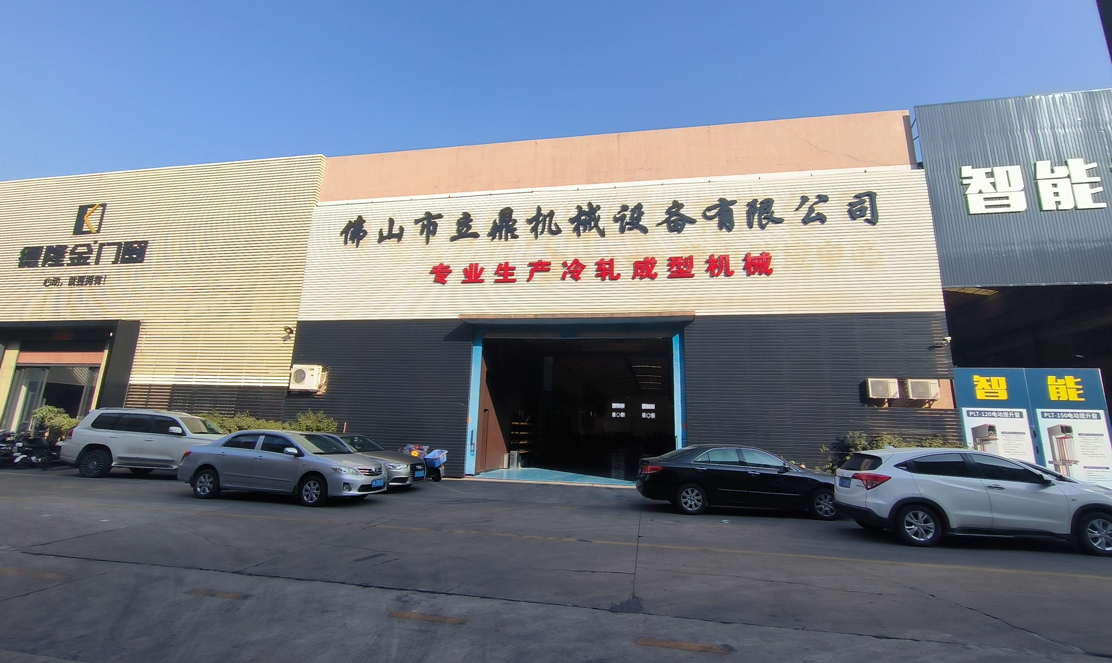
Foshan Liding Machinery Equipment Co., Ltd. was established in 2014, with a core technical team boasting over 25–30 years of experience in the cold-forming industry. We are a specialist manufacturer of metal roll forming equipment, dedicated to providing efficient, precise, and reliable customized production line solutions for global HVAC systems, building structures, and storage equipment sectors.
We are not merely a machine supplier — we are your strategic partner in product innovation and production efficiency enhancement. Our expertise in secondary load-bearing framing forming machines means we understand not just the machine, but the structural engineering context in which your components will perform.
25+ years of experience in cold bending forming, with a research and development team of over 10 dedicated engineers specializing in structural secondary framing profiles.
Anti-seismic bracket patented technology, safe and reliable. Our intellectual property portfolio reflects continuous innovation in forming machine design and structural component engineering.
Customized on demand — a full-line solution from blueprint to mass production. Every forming line is engineered to your specific profile requirements, material specifications, and production volume targets.
Quick changeover, versatile one-machine multi-profile capability. Modular tooling design enables rapid switching between C-purlin, Z-purlin, and girt profiles with minimal downtime.
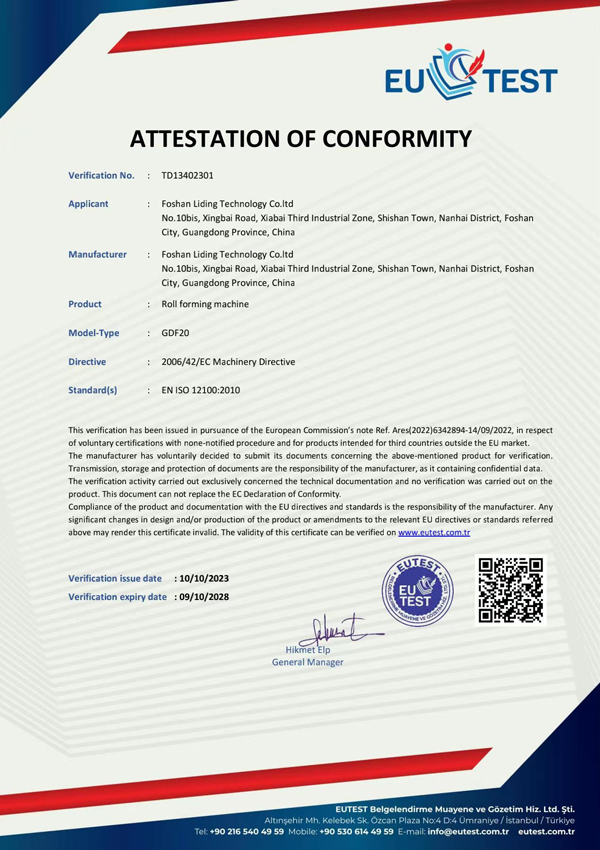
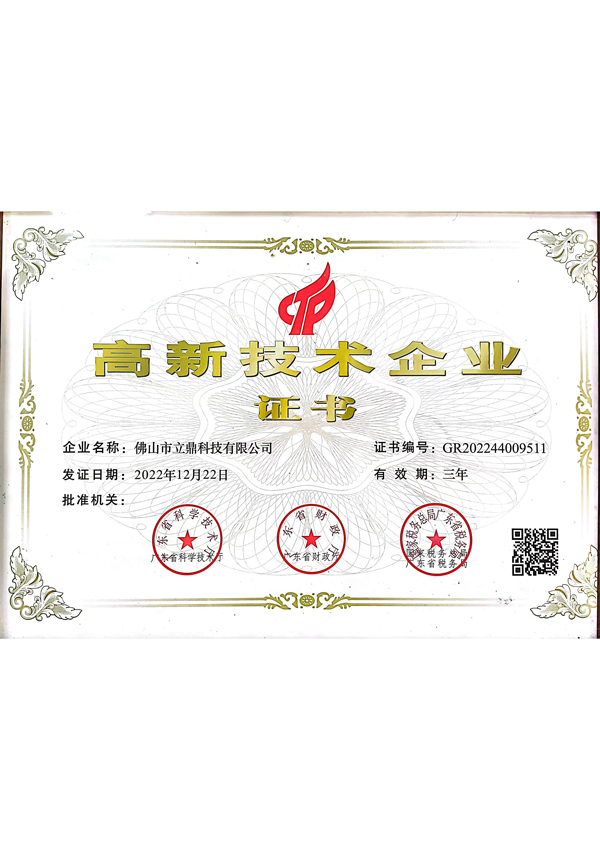
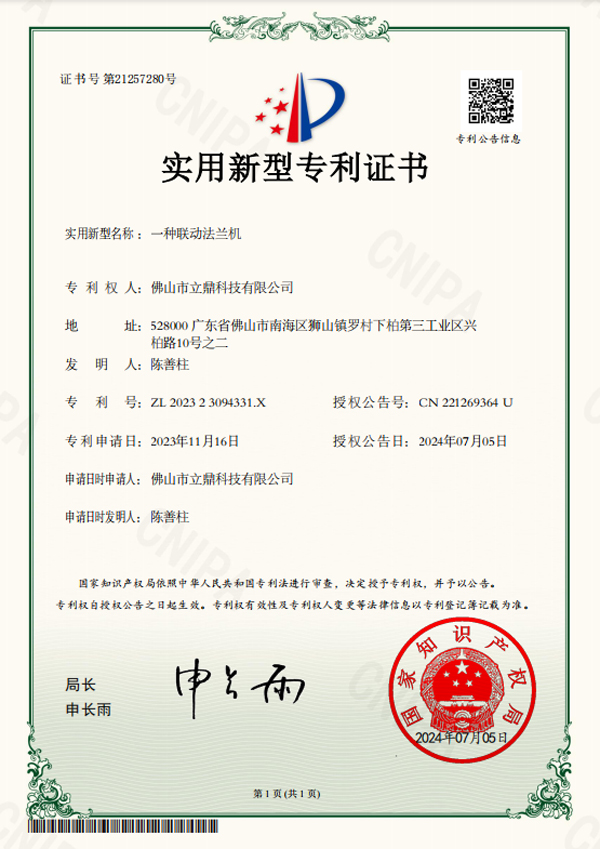
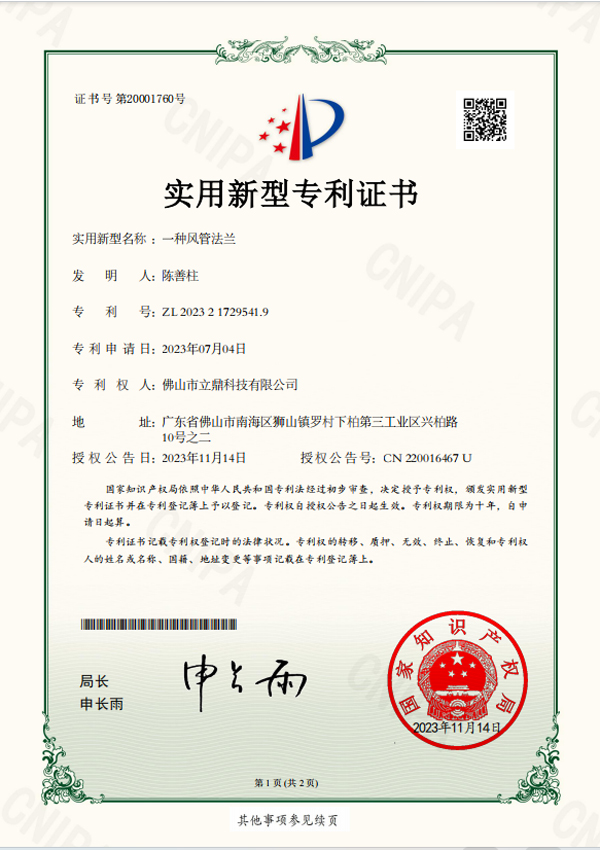
Explore our full range of precision roll forming machines designed for structural secondary load-bearing framing and related industrial applications.