Leave Your Message
High-performance roll forming equipment engineered for the precision demands of underground ventilation and emergency smoke extraction systems.
Understanding why precision-manufactured ductwork is the backbone of every modern subway emergency ventilation system.
Underground subway stations represent one of the most demanding environments for HVAC and ventilation engineering. With thousands of passengers moving through confined, enclosed spaces daily, the ability to rapidly control air flow — and more critically, to evacuate toxic smoke during a fire emergency — is a matter of life and death. The duct machine, specifically the roll forming equipment used to fabricate ventilation ducts, damper frames, and airflow control components, sits at the very foundation of this life-safety infrastructure.
Key Safety Fact: According to international tunnel fire safety standards (NFPA 130, EN 45545), a subway station smoke extraction system must achieve full platform air purge within 6 minutes of activation. This requires precisely dimensioned, tightly sealed ductwork that only high-tolerance roll forming machines can produce at scale.
Modern subway systems — from the London Underground and Shanghai Metro to the Seoul and New York subway networks — rely on longitudinal ventilation, transverse ventilation, or hybrid systems. Each of these configurations demands thousands of linear meters of rectangular and spiral round ducts, fire-rated damper assemblies, plenum boxes, and silencer units. These components must be manufactured to exacting tolerances: even a 1mm gap in a joint can reduce system efficiency by a measurable percentage and introduce smoke leakage paths that compromise evacuation corridors.
The global underground rail network is expanding at an unprecedented rate. As of 2024, over 200 cities worldwide operate metro systems, with an estimated 150+ new metro lines under construction or in planning phases across Asia, the Middle East, Europe, and Latin America. Each new metro line requires a complete ventilation infrastructure build-out, generating substantial demand for duct fabrication equipment.
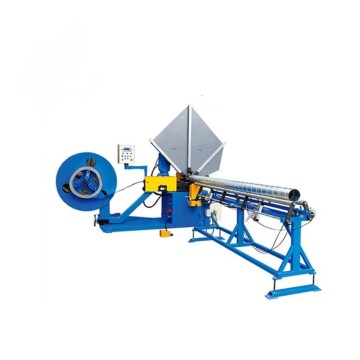
The industrial ductwork machinery market serving the underground transit sector has evolved significantly over the past decade. Manual fabrication methods — once dominant in developing markets — are rapidly being displaced by automated CNC roll forming lines that deliver consistent quality, higher output rates, and lower per-unit labor costs. A modern automated spiral duct forming machine can produce over 300 meters of finished duct per hour, a feat impossible with traditional methods.
Contractors specializing in subway HVAC and smoke control systems increasingly require their duct component suppliers to operate advanced roll forming machinery that can handle galvanized steel, stainless steel, and even high-temperature alloys used in fire-rated ductwork assemblies. The quality and precision of the forming equipment directly determines the fire rating certification that the finished ductwork assembly can achieve.
The platform smoke extraction system is the most critical life-safety system in any subway station. It requires large-diameter spiral round ducts (typically 800–2000mm) to move high volumes of smoke rapidly. Spiral round duct forming machines must produce perfectly circular, leak-free sections to meet the static pressure requirements of these systems — typically 1000–3000 Pa operating pressure.
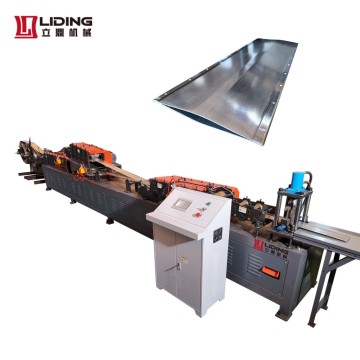
Tunnel sections between stations require longitudinal ventilation ducts that run the full length of the tunnel bore. These systems use large rectangular or oval ducts fabricated from heavy-gauge galvanized steel. The VCD (Volume Control Damper) blade and frame components, produced by dedicated damper roll forming machines, must operate reliably at temperatures exceeding 280°C during fire events.
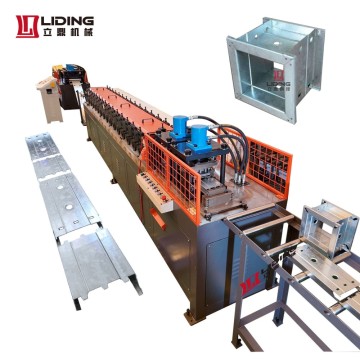
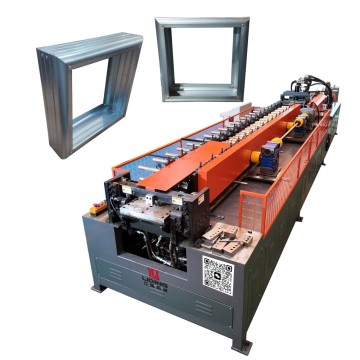
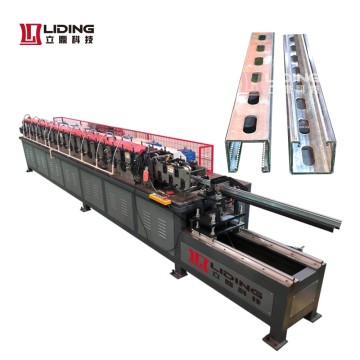
Every duct penetration through a fire-rated wall or floor requires a certified fire damper assembly. The frame and blade components of these dampers are fabricated using specialized roll forming machines that produce the precise geometries required for proper blade seating and smoke-tight closure. Integrated square VCD and fire damper frame lines can produce complete damper component sets in a single production pass.
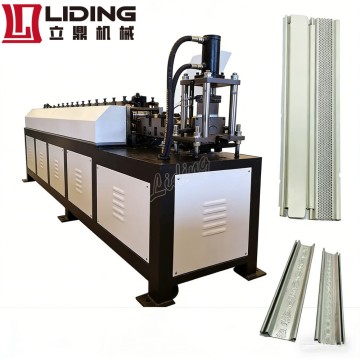
Beyond emergency functions, subway HVAC systems must manage acoustic comfort in station environments. Air plenum boxes and in-line silencer units — fabricated by dedicated roll forming machines like the LD-SF01 — attenuate the noise generated by high-velocity air movement through ducts and fan units, maintaining passenger comfort while preserving full system airflow capacity.
Stairwells, evacuation corridors, and cross-passages must be maintained at positive air pressure during a fire event to remain smoke-free for passenger evacuation. This requires a dedicated network of supply air ducts fabricated to precision standards. Roll forming machines producing these duct sections must maintain dimensional tolerances within ±0.5mm to ensure proper flange connections and system integrity.
Station concourses, ticketing halls, and equipment rooms require comprehensive air distribution networks. These areas use a combination of spiral round ducts for main distribution and rectangular ducts for branch runs. The ability of modern roll forming equipment to rapidly switch between profiles — without extensive tooling changeovers — is critical to the project delivery schedules of subway construction contractors.
The duct machine industry serving underground transit infrastructure is undergoing rapid transformation driven by automation, digitalization, and increasingly stringent safety standards.
Next-generation duct forming machines integrate CNC control systems with IoT connectivity, enabling remote monitoring of production parameters, predictive maintenance scheduling, and real-time quality data logging. This is particularly valuable for subway infrastructure projects where documentation and traceability of safety-critical components is mandated by transit authorities.
Increasing requirements for fire-rated ductwork in underground environments — particularly for smoke control applications — are driving development of roll forming machines capable of processing thicker, harder alloy steel grades used in Class A and Class B fire-rated duct assemblies, without sacrificing forming speed or dimensional accuracy.
Subway ventilation projects require a wide variety of duct profiles, sizes, and configurations. Modern roll forming lines increasingly feature modular quick-change tooling systems that allow a single machine to transition between rectangular, oval, and specialized profiles with minimal downtime — dramatically improving the economics of small-batch, high-variety production runs typical of subway projects.
Transit authorities worldwide are implementing sustainability mandates for their supply chains. Energy-efficient servo-driven roll forming machines — which consume 30–40% less electricity than conventional hydraulic-drive systems — are gaining significant market share among duct fabricators supplying the subway sector. Material utilization optimization through precision forming also reduces steel waste and project costs.
Building Information Modeling (BIM) is now standard practice on major subway construction projects. Advanced duct forming machine systems can receive dimensional data directly from BIM models via digital interfaces, eliminating manual measurement transcription errors and enabling true digital-to-physical fabrication workflows that dramatically reduce rework on site.
The combined effect of rapid urbanization in the Global South, network expansion in established systems, and major refurbishment programs for aging infrastructure is creating sustained, multi-decade demand for duct fabrication equipment serving the underground transit sector. Markets in Southeast Asia, the Middle East, South Asia, and Latin America represent the fastest-growing segments of this demand.
Precision-engineered roll forming solutions designed to meet the performance demands of life-safety ventilation infrastructure.
When a subway ventilation contractor specifies duct fabrication equipment for an emergency smoke extraction project, the choice of roll forming machine directly impacts the quality, certification, and long-term reliability of the finished installation. Liding Machinery has built its reputation on delivering exactly this level of engineering integrity.
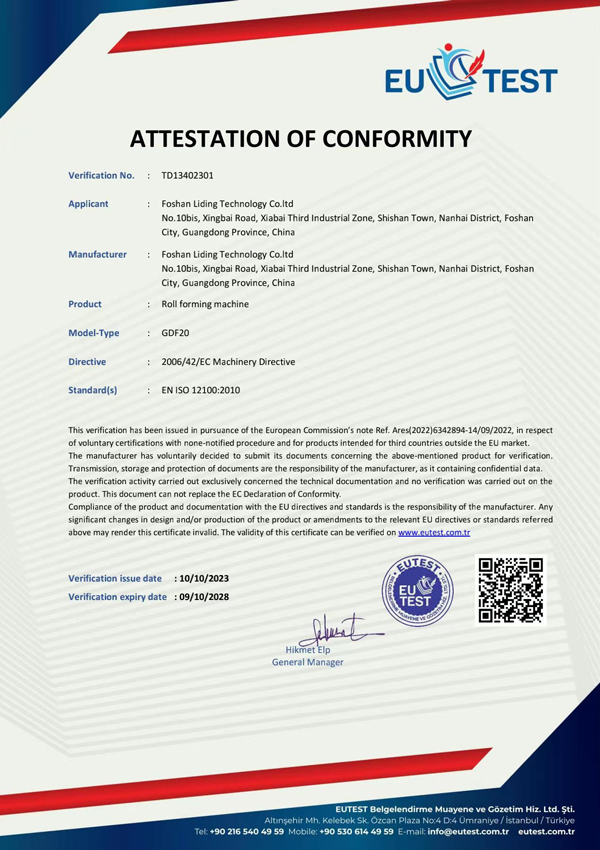
Our spiral round duct forming machines produce seamless, leak-tested duct sections that meet the pressure integrity requirements of smoke extraction systems rated to EN 12101 and NFPA 90A standards. Our fire damper frame and blade production lines are engineered to the dimensional tolerances required for UL-listed and CE-marked damper assemblies, ensuring that the components produced on our machines can achieve the fire-rating certifications required by transit authority specifications.
The full product range — from spiral round duct machines to VCD damper blade lines, plenum box forming systems, and silencer production equipment — provides subway HVAC contractors with a single-source supply chain for their complete duct fabrication infrastructure. Combined with Liding's 30+ years of cold-forming expertise and comprehensive after-sales support, this makes us the partner of choice for subway ventilation projects across Southeast Asia, the Middle East, Europe, and beyond.
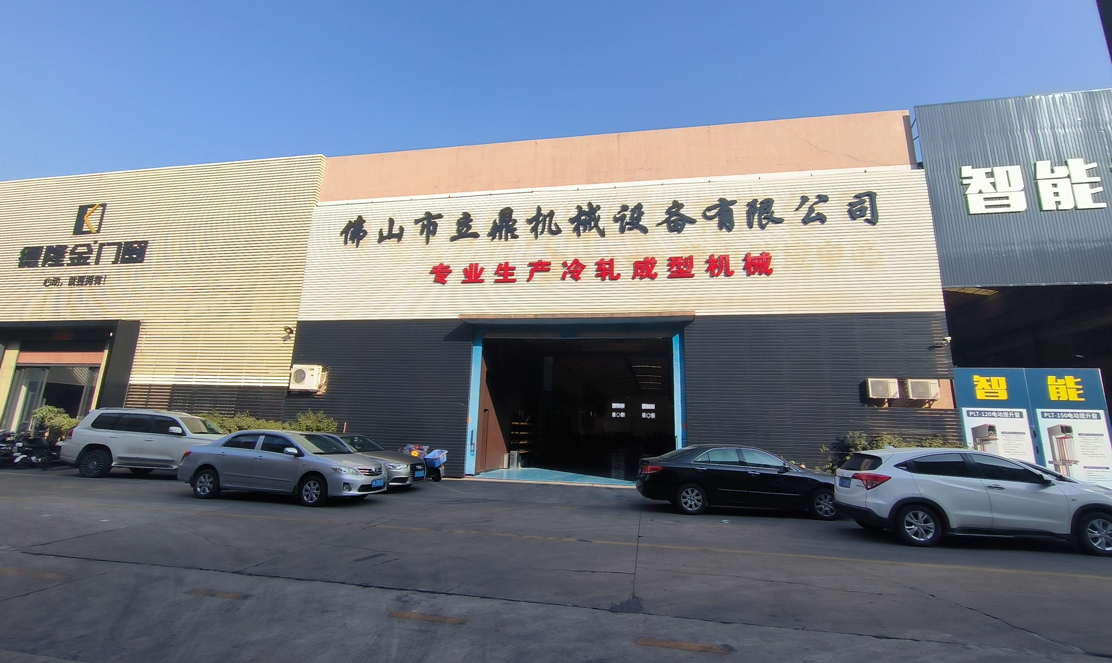
Over 2,000 roll forming machines operating worldwide.
Exporting to Southeast Asia, Middle East, Europe, Russia.
85% of our clients return for additional production lines.
Average years of experience of our senior engineers.
25+ years of experience in cold bending forming, with a dedicated R&D team of over 10 engineers continuously innovating for HVAC and safety-critical applications.
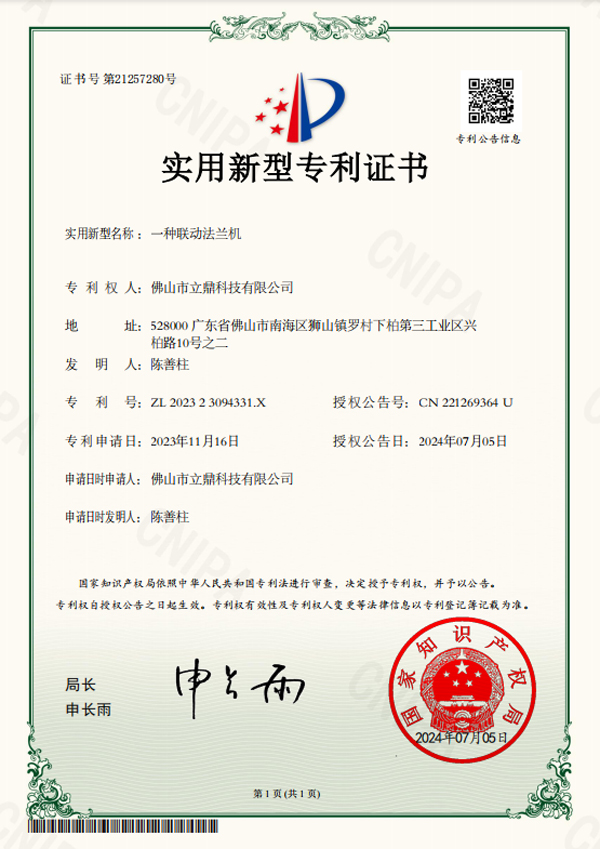
Anti-seismic bracket patented technology — safe, reliable, and proven in demanding underground infrastructure environments worldwide.
Customized on demand — a full-line solution from blueprint to mass production, tailored to your exact duct profile, material, and output requirements.
Quick changeover modular tooling — versatile one-machine multi-profile capability for the wide variety of duct types demanded by subway projects.
Global technical support with 48-hour response time — ensuring your production lines remain operational throughout the critical phases of subway construction projects.
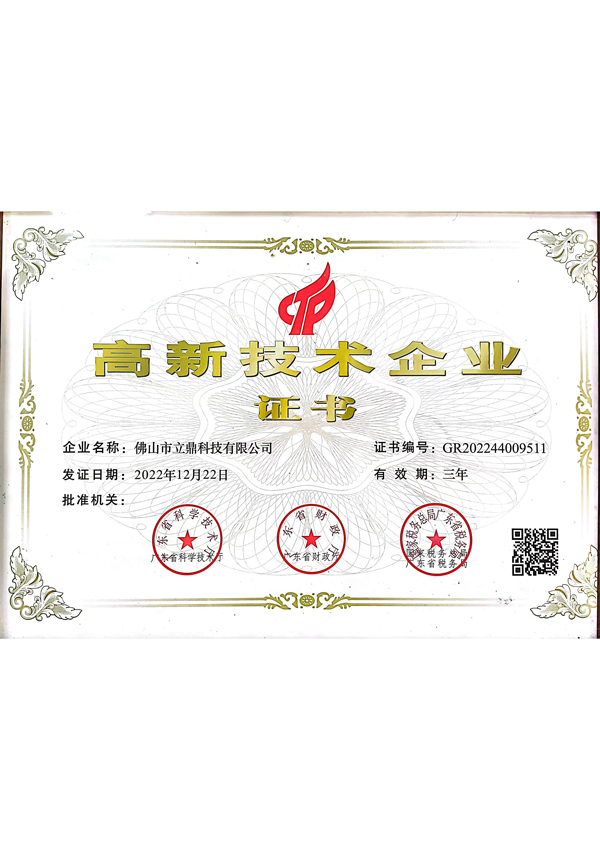
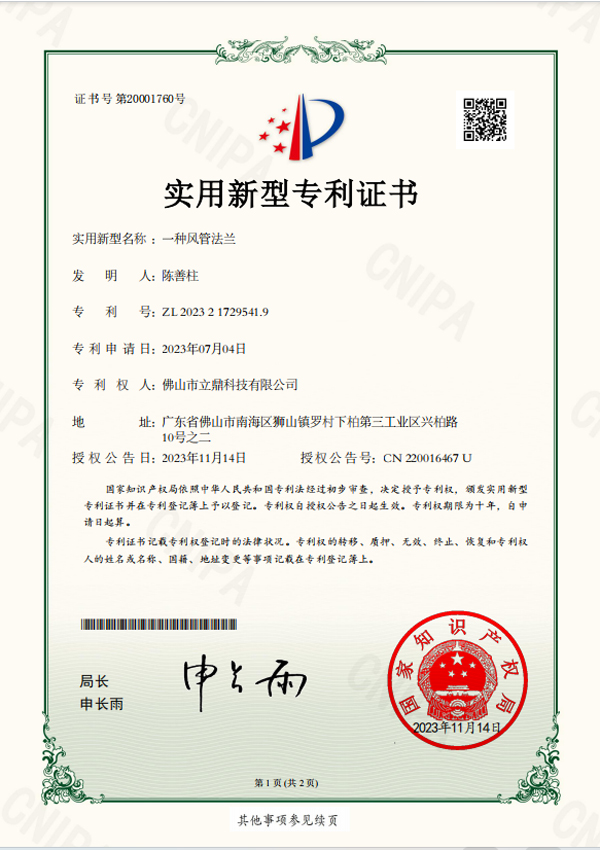
Our equipment and processes are backed by internationally recognized quality and compliance certifications.
Explore our full line of precision cold-forming machinery for HVAC, building structures, and industrial applications.