Leave Your Message
Engineered for automated airflow management in centralized building ventilation systems — explore our core HVAC ductwork machinery solutions.
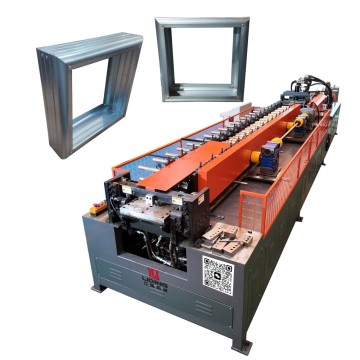
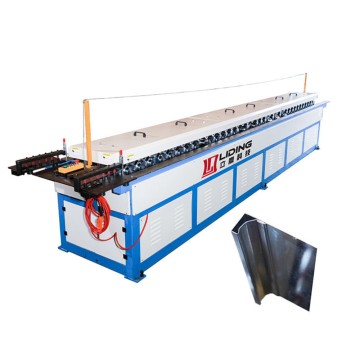
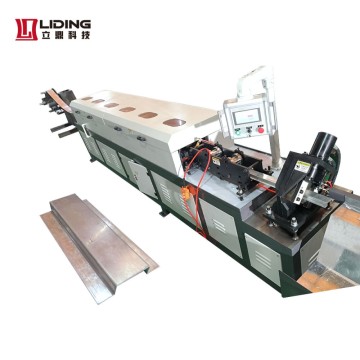
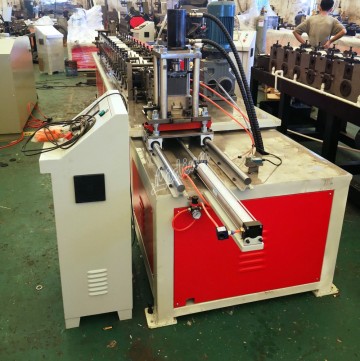
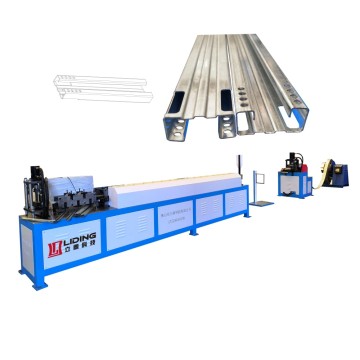
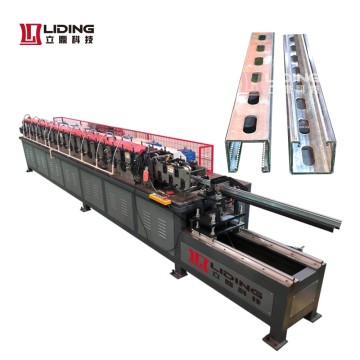
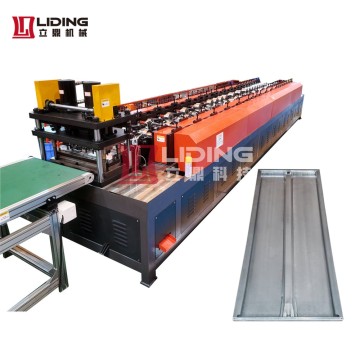
A duct machine — in the context of automated airflow management — refers to a category of precision roll forming and fabrication equipment specifically engineered to manufacture the structural components of HVAC (Heating, Ventilation, and Air Conditioning) ductwork systems. These machines produce rectangular ducts, round ducts, spiral pipes, flanges, fittings, and associated accessories that form the backbone of centralized building ventilation networks.
In modern centralized ventilation systems, automated airflow management depends entirely on the dimensional accuracy, material consistency, and joint integrity of every duct segment. A duct machine that delivers micron-level forming precision directly translates into lower air leakage rates, reduced energy consumption, and longer system service life — making the choice of forming equipment a critical upstream decision for HVAC contractors, MEP engineers, and building developers worldwide.
🔧 Key Insight: The global HVAC ductwork equipment market is projected to surpass USD 18 billion by 2030, driven by smart building mandates, net-zero carbon targets, and rapid urbanization across Asia-Pacific and the Middle East.
The demand for high-performance duct machines in centralized building ventilation systems is accelerating across multiple commercial and industrial verticals. Large-scale infrastructure projects — including airport terminals, metro stations, data centers, pharmaceutical cleanrooms, and hyperscale commercial complexes — all require centralized HVAC ductwork systems that must be manufactured at scale, with consistent quality and tight tolerances.
In the commercial real estate sector, green building certification programs such as LEED, BREEAM, and China's Three-Star Green Building Standard are placing increasingly stringent requirements on duct leakage performance. Class A and Class B duct systems must demonstrate leakage rates below defined thresholds, which is only achievable when duct components are formed on precision CNC roll forming lines — not cut and assembled by hand.
The industrial sector presents an equally compelling growth story. Manufacturing plants, chemical processing facilities, and food-grade production environments all rely on centralized ventilation for fume extraction, temperature control, and clean-air compliance. In these settings, duct machines must handle a wider range of materials — including stainless steel, galvanized steel, and aluminum — while maintaining the same dimensional accuracy as standard HVAC applications.
Several converging technology trends are reshaping what building owners, contractors, and duct fabricators demand from modern duct forming machines:
Modern duct machines integrate PLC and servo-driven CNC control systems that enable unmanned operation for extended production runs. Automatic coil feeding, punching, forming, cutting, and stacking reduce labor costs by up to 60% compared to semi-manual lines.
Fabricators serving diverse building types require machines that can switch between duct profiles — rectangular, oval, spiral — within minutes. Modular roll-set cassettes and tooling libraries enable rapid changeover without specialized tooling technicians.
Next-generation servo-electric roll forming machines consume 30–40% less energy than hydraulic equivalents. This aligns with factory-level carbon reduction targets and reduces operating costs across the production lifecycle.
Smart duct machines now feature embedded sensors and cloud-connected dashboards that track real-time production metrics — forming speed, material consumption, dimensional deviation, and maintenance alerts — enabling predictive maintenance and zero-defect production strategies.
The construction industry's shift toward off-site prefabrication is driving demand for high-throughput duct forming lines that can produce complete duct assemblies in factory conditions for just-in-time delivery to construction sites — eliminating on-site cutting waste and installation errors.
Pharmaceutical, semiconductor, and food processing industries require duct machines capable of forming 316L stainless steel and food-grade aluminum with smooth internal surfaces that minimize particulate accumulation — a specialized capability that commands significant market premium.
Duct machines for automated airflow management serve a broad spectrum of centralized building ventilation applications — each with unique performance demands.
Skyscrapers with centralized VAV (Variable Air Volume) systems require thousands of precisely formed duct segments. Automated duct forming lines with servo-driven cut-to-length control ensure every piece meets tight dimensional tolerances for leak-free assembly at height.
Infection control in hospitals demands positive/negative pressure ventilation zones with zero cross-contamination. Duct machines producing smooth-walled, fully sealed rectangular ducts with integrated silencer sections are critical for maintaining clinical air quality standards.
Data centers consume enormous cooling energy. Precision-formed ductwork with minimal leakage reduces cooling losses, directly improving PUE (Power Usage Effectiveness). Duct forming machines with ±0.5mm dimensional accuracy are the baseline requirement for Tier III and Tier IV data centers.
Heavy manufacturing environments require robust galvanized steel ductwork capable of handling high-velocity exhaust air, welding fumes, and thermal cycling. Industrial duct machines must process heavier gauge materials (up to 2.0mm) while maintaining forming consistency across long production runs.
Hypermarkets, distribution warehouses, and fulfillment centers feature expansive single-level floor plans requiring extensive ductwork networks. High-speed duct forming lines capable of producing 20+ meters per minute are essential for meeting project timelines in this segment.
Airport HVAC systems must maintain precise temperature and humidity across vast concourse spaces with variable occupancy loads. The ductwork must be seismically rated, acoustically optimized, and fabricated to international standards — all requirements that depend on the precision of the forming equipment upstream.
Powering centralized ventilation systems across 50+ countries with precision-engineered roll forming solutions.
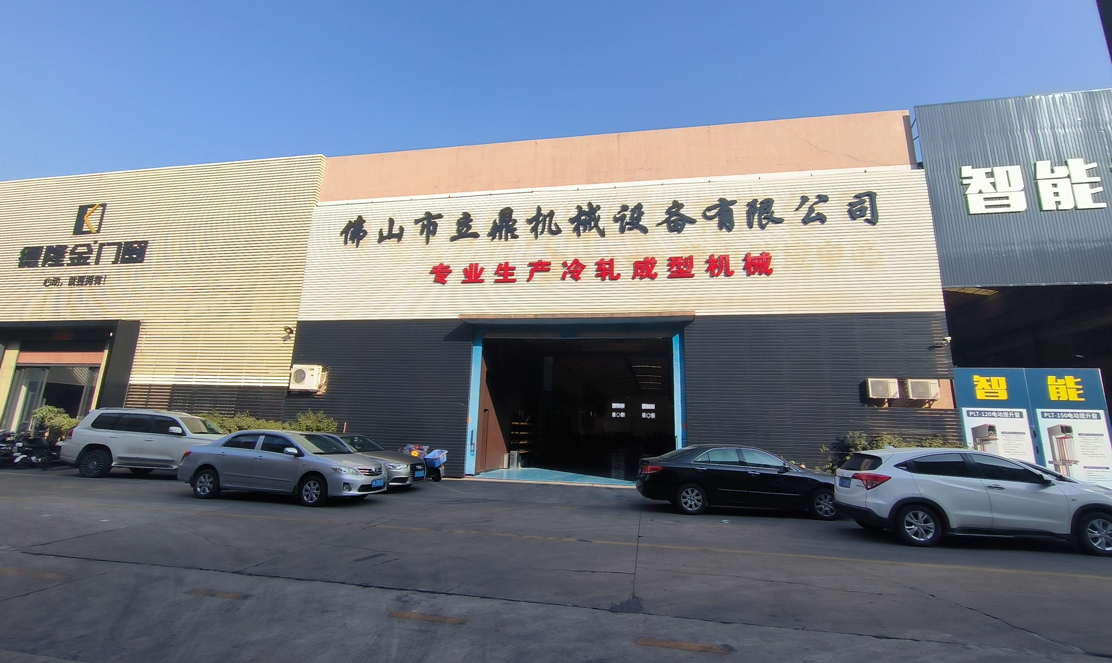
Foshan Liding Machinery Equipment Co., Ltd. was established in 2014, with a core technical team boasting over 25–30 years of hands-on experience in the cold-forming industry. We are a specialist manufacturer of metal roll forming equipment, dedicated to providing efficient, precise, and reliable customized production line solutions for global HVAC systems, building structures, and storage equipment sectors.
We are not merely a machine supplier — we are your strategic partner in product innovation and production efficiency enhancement. You provide drawings or samples; we deliver comprehensive production solutions. Our focus extends beyond the machinery itself to the quality and production costs of your end products.
Liding Machinery designs and manufactures high-precision cold-forming equipment covering the full spectrum of building system components. Our HVAC ductwork machinery portfolio includes automated duct forming lines, plenum box and silencer forming machines, flange roll forming systems, and spiral duct production equipment — all engineered to meet the exacting demands of centralized building ventilation system contractors.
Beyond HVAC, our manufacturing capabilities extend to building structural components including light steel studs, steel formwork systems, seismic support brackets, and structural purlins — as well as warehouse and logistics equipment such as racking columns, beams, and shelving panel forming lines. This breadth of expertise means that when you partner with Liding, you gain access to cross-domain engineering knowledge that translates into better machine designs, more robust production lines, and lower total cost of ownership.
Every duct machine we manufacture is designed around three core principles. First, precision — our forming rolls are machined to tolerances of ±0.05mm, ensuring that every duct profile produced on our lines meets international standards for dimensional accuracy and airtightness. Second, reliability — we select premium components from globally recognized suppliers for servo drives, PLCs, and cutting systems, ensuring that our machines deliver consistent performance across multi-shift production environments. Third, intelligence — our latest generation of duct forming machines features integrated HMI touchscreens, recipe storage for rapid profile changeover, and optional IoT connectivity for remote monitoring and predictive maintenance.
This philosophy has earned Liding Machinery a reputation as one of the most trusted duct machine manufacturers in the global HVAC fabrication industry, with over 2,000 machines operating across more than 50 countries on six continents.
Four pillars that define why HVAC contractors and duct fabricators worldwide choose Liding Machinery.
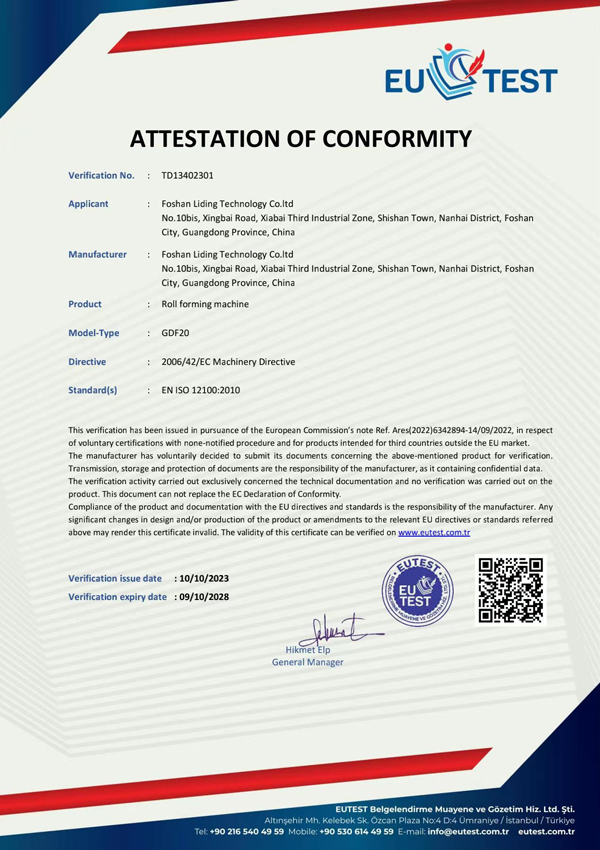
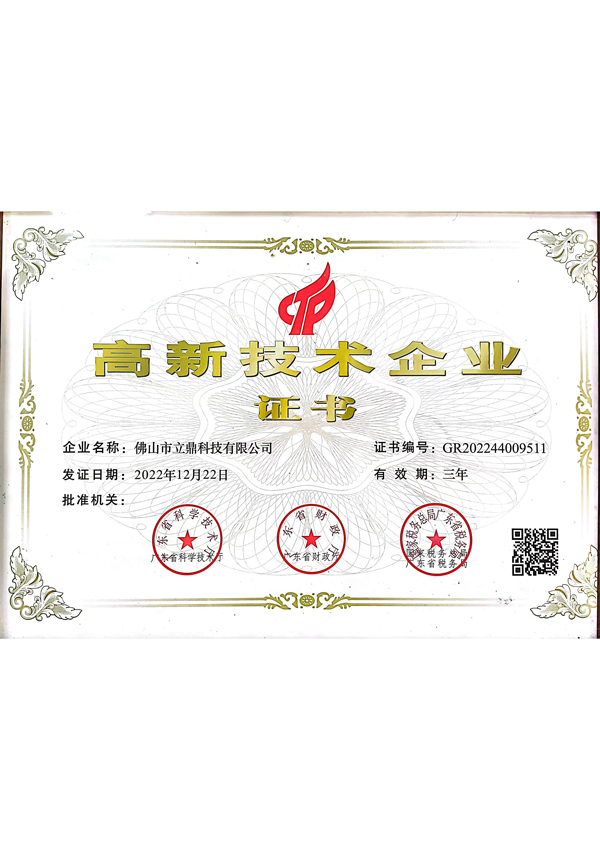
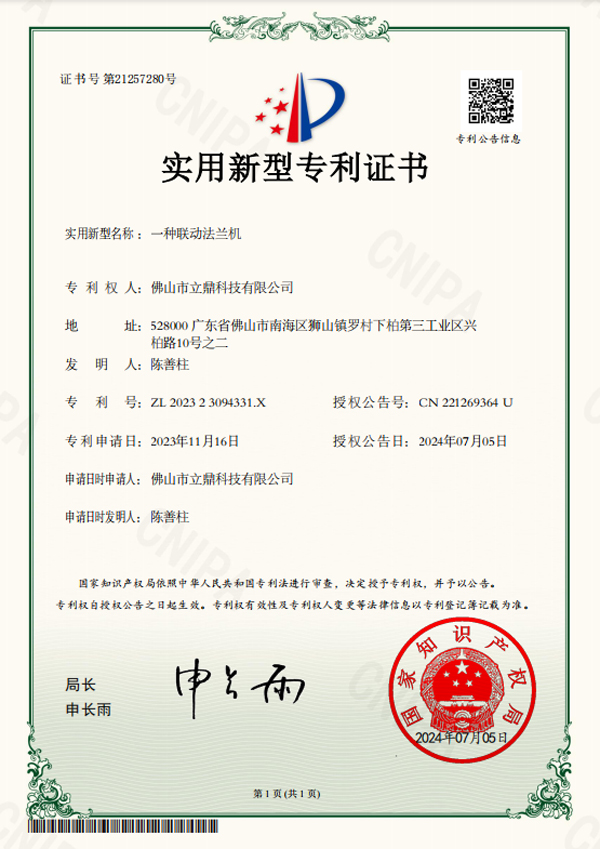
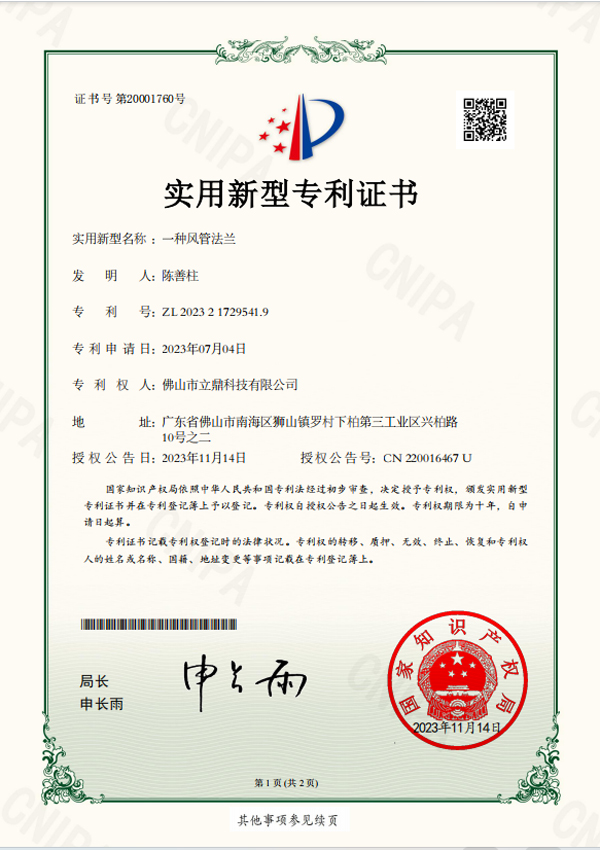
Our duct machines and manufacturing processes are backed by internationally recognized quality certifications.
From HVAC duct components to structural building profiles — explore our full portfolio of precision roll forming solutions.