Leave Your Message
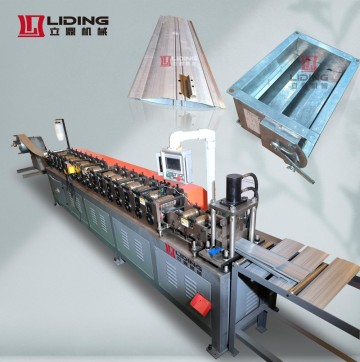
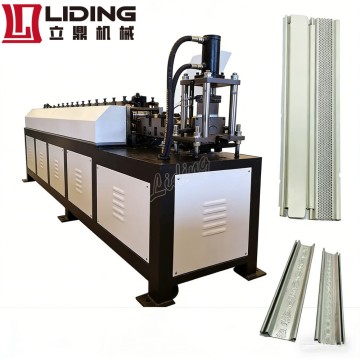
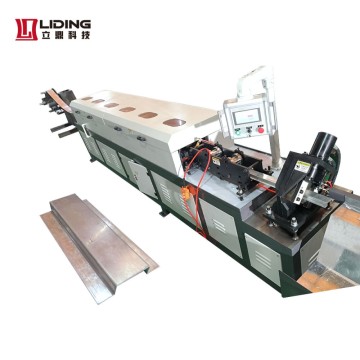
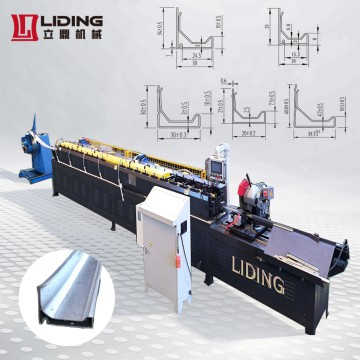
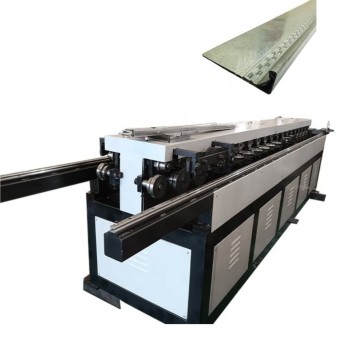
Explore our precision roll forming solutions engineered specifically for corrosion-resistant, high-strength exterior casing fabrication used in marine and offshore HVAC damper systems.
In marine environments and offshore platforms — including FPSOs, drilling rigs, LNG carriers, and naval vessels — air regulation dampers play a mission-critical role in ventilation, fire suppression, and climate control. The exterior casing of these dampers must withstand extreme saline corrosion, high-pressure differentials, mechanical vibration, and temperature fluctuations that would defeat standard inland HVAC components.
Cold rolling machines have become the gold standard for fabricating these casings, offering dimensional accuracy, superior surface finish, and the ability to work with high-spec alloys such as 316L stainless steel, marine-grade aluminium, and galvanized steel — all without introducing the heat distortion associated with hot rolling or welded fabrication methods.
🔩 Cold-rolled damper casings achieve tolerances as tight as ±0.1mm — a non-negotiable standard for offshore HVAC sealing performance.
The cold rolling process work-hardens the metal profile during forming, resulting in higher tensile strength without additional heat treatment. For offshore operators, this means lighter yet stronger casings that reduce topside weight loads — a critical engineering constraint on floating structures.
The global offshore HVAC and ventilation equipment market was valued at over USD 2.8 billion in 2023 and is projected to surpass USD 4.5 billion by 2030, driven by escalating deepwater exploration, offshore wind farm construction, and the expanding LNG fleet. Within this, damper and airflow control components represent a rapidly growing sub-segment, with manufacturers under intense pressure to supply certified, traceable, and corrosion-resistant products at competitive cost.
Cold rolling machine manufacturers are responding by engineering systems specifically capable of processing marine-specification coil stock — including pre-coated stainless strips, zinc-aluminium alloy coils, and duplex steel — into complex casing profiles with multi-bend geometries in a single continuous pass. This dramatically reduces fabrication steps, labour cost, and material waste compared to traditional stamping or welded box fabrication.
Asia-Pacific — particularly China, South Korea, and Singapore — dominates offshore vessel construction, and the region accounts for over 60% of global cold roll forming machine consumption for marine HVAC applications. European and Middle Eastern offshore operators are increasingly specifying cold-rolled casing systems to meet ATEX, NORSOK, and DNV GL certification requirements.
Trusted by manufacturers across marine, offshore, and industrial HVAC sectors on 5 continents.
Cold rolling machines produce the structural backbone of air flow control in the world's most demanding operational environments.
Floating Production Storage and Offloading units require fire, blast, and gas-tight damper casings throughout their accommodation modules, process decks, and machinery spaces. Cold-rolled 316L stainless steel casings deliver the dimensional stability needed for reliable sealing under hydrostatic pressure differentials and structural flexing.
HVAC damper systems on drilling platforms must meet NORSOK and API standards. Cold-rolled exterior casings allow precise integration with platform HVAC ducting, maintaining airtight performance in hazardous zone Class 1 Div 2 environments where even minor leakage is unacceptable.
The boom in offshore wind energy has created significant demand for marine-rated ventilation dampers in electrical substation modules. Cold-rolled aluminium and galvanized steel casings are preferred for their lightweight properties combined with resistance to salt-fog and UV degradation per IEC 60721-3-4 classifications.
Cryogenic and low-temperature zones on LNG carriers demand casing materials with excellent low-temperature impact toughness. Cold rolling enables processing of austenitic stainless grades that maintain ductility at -163°C, forming complex casing profiles that fit the tight spatial constraints of cargo hold ventilation systems.
Military naval applications demand HVAC damper casings with TEMPEST-compliant shielding and NBC (nuclear, biological, chemical) overpressure sealing capability. Cold-rolled stainless casings with interlocking edge profiles provide the EMI shielding continuity and hermetic sealing performance required by MIL-DTL specifications.
Modular accommodation units deployed on offshore installations — built to SOLAS and IMO standards — incorporate large quantities of fire and smoke dampers with cold-rolled casings. Liding's roll forming lines enable module fabricators to produce uniform, high-volume casing profiles that integrate directly with the structural steel framing of the module.
The convergence of stricter offshore regulations, digitalisation, and green energy transition is reshaping how cold rolling machines are specified and deployed.
The global offshore wind capacity is forecast to reach 380 GW by 2035. Each offshore substation and wind turbine tower requires certified HVAC damper systems — creating a sustained high-volume demand for cold-rolled marine-grade casing production lines that can operate at scale with minimal waste.
Modern cold rolling machines are increasingly equipped with servo-driven axes, inline laser measurement, and IIoT connectivity. For marine damper casing production, this means real-time dimensional verification, predictive maintenance alerts, and digital twin integration — reducing scrap rates and ensuring every casing meets classification society requirements.
As offshore operators move toward duplex stainless steels and super-alloys for extended asset lifespans, cold rolling machine manufacturers are engineering higher-rigidity roll stations, carbide tooling, and enhanced lubrication systems that can handle yield strengths exceeding 600 MPa without compromising profile accuracy.
DNV GL, Lloyd's Register, Bureau Veritas, and ABS are tightening material traceability and dimensional certification standards for offshore HVAC components. Cold rolling production lines with integrated MES (Manufacturing Execution Systems) now provide full batch traceability — from coil heat number through to finished casing dimensions — satisfying type approval documentation requirements.
Supply chain disruptions post-2020 have accelerated the trend toward regional fabrication of marine HVAC components. Cold rolling machines enable local manufacturers in the Middle East, Southeast Asia, and Scandinavia to produce export-quality damper casings domestically, reducing lead times from 16 weeks to under 4 weeks for offshore project schedules.
Cold rolling is inherently a near-net-shape process — material utilisation rates typically exceed 96%, versus 70–80% for machined or stamped casings. For marine-grade stainless and aluminium alloys that cost 5–8× standard mild steel, this material efficiency translates directly to significant BOM cost reductions and improved carbon footprint metrics for ESG-conscious offshore operators.
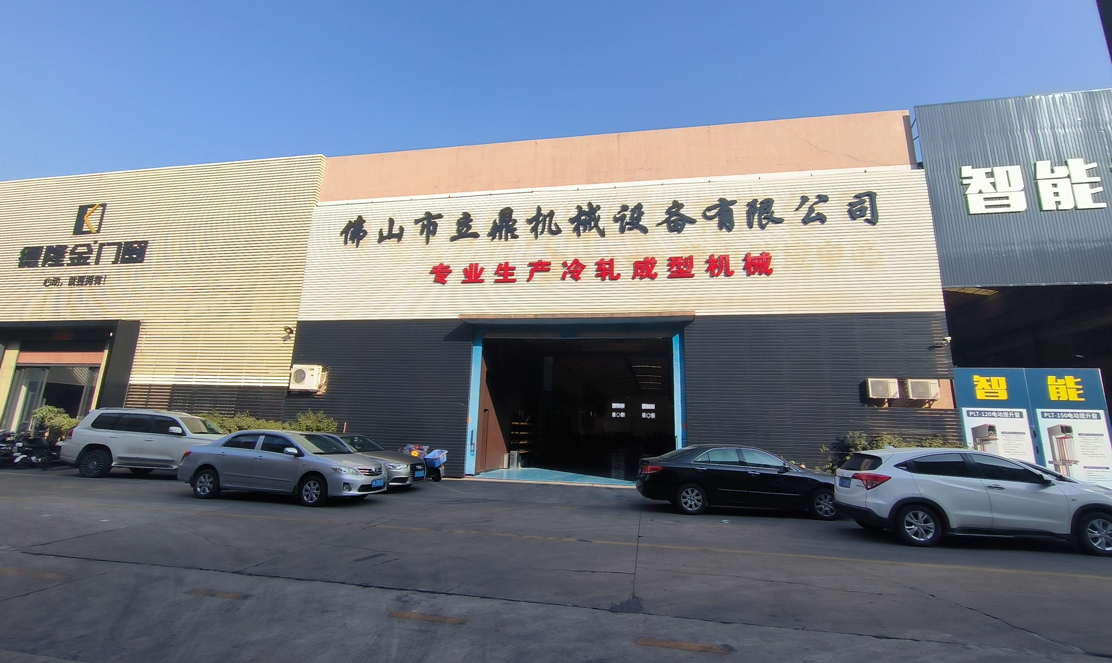
Foshan Liding Machinery Equipment Co., Ltd. was established in 2014, with a core technical team boasting over 25–30 years of hands-on experience in the cold-forming industry. We are a specialist manufacturer of metal roll forming equipment dedicated to providing efficient, precise, and reliable customised production line solutions for global HVAC systems, building structures, and marine storage equipment sectors.
We are not merely a machine supplier — we are your strategic partner in product innovation, process engineering, and production efficiency enhancement. You provide drawings or samples; we deliver comprehensive production solutions that cover everything from raw coil specification to finished profile quality.
Four pillars that set Liding cold rolling machines apart in marine and offshore damper casing fabrication.
25+ years of cold-bending forming expertise with a dedicated R&D team of over 10 engineers. Our anti-seismic bracket patented technology ensures safe, certified, and reliable performance for marine applications.
Custom-engineered on demand — from blueprint to mass production. We design complete production lines tailored to your specific damper casing profile, material specification, and output volume requirements.
Quick changeover tooling and modular roll station architecture allow a single machine platform to produce multiple damper casing profiles — maximising your capital investment and production flexibility.
Global technical support with a guaranteed 48-hour response time. Our international service network covers Southeast Asia, the Middle East, Europe, and Russia — ensuring minimal downtime wherever you operate.
Cold rolling is not just a manufacturing method — it is an engineering decision that defines the service life, certification pathway, and total cost of ownership of your damper system.
Cold rolling achieves profile tolerances of ±0.1mm, essential for damper blade-to-casing clearances that determine sealing efficiency and prevent blade jamming in service. Hot-rolled or welded casings simply cannot match this consistency at production volumes.
The cold working process increases tensile strength by 15–25% compared to the annealed base material — without heat treatment. For a marine damper casing, this means thinner wall sections can be specified without compromising structural integrity, reducing casing weight and material cost simultaneously.
Cold rolling preserves the passive oxide layer on stainless steel and aluminium alloys that provides corrosion resistance. Welding and hot forming disrupt this layer, requiring costly post-fabrication treatments. Cold-rolled casings arrive ready for offshore installation with their corrosion protection intact.
A Liding cold rolling line can produce up to 25 metres of finished damper casing profile per minute in a continuous coil-to-profile operation. For offshore project schedules where fabrication windows are measured in weeks, not months, this throughput rate is a decisive competitive advantage.
Modern roll forming machines can produce intricate casing cross-sections — including reinforcing ribs, mounting flanges, and interlocking edges — in a single continuous forming pass. This eliminates multiple downstream operations and reduces the dimensional variation accumulation that occurs with multi-stage stamping or folding processes.
Cold-rolled casing production lines integrated with inline inspection systems generate the dimensional records, material certificates, and process documentation required for DNV GL, ABS, Lloyd's Register, and Bureau Veritas type approval — streamlining the certification process for offshore procurement teams.
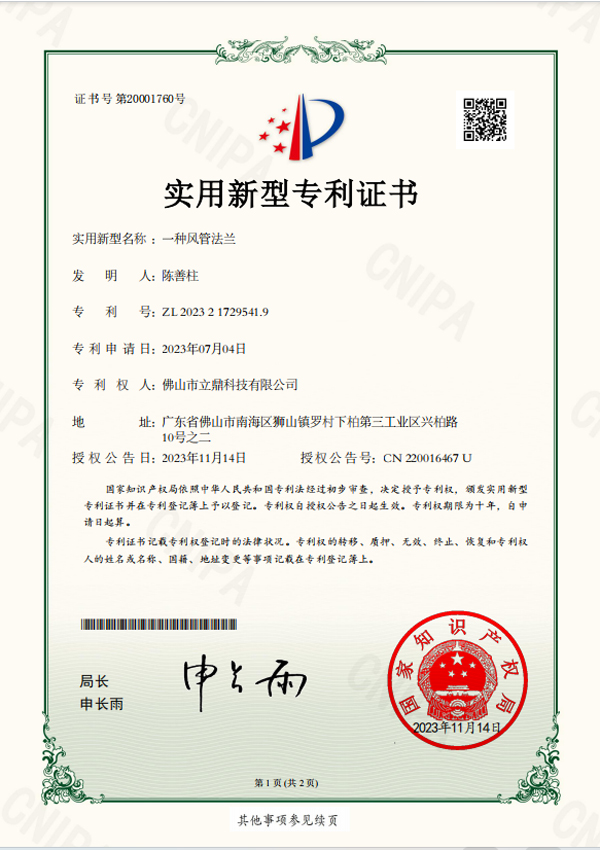
Our machines and processes are backed by internationally recognised quality certifications — providing the documentation assurance required for marine and offshore procurement.
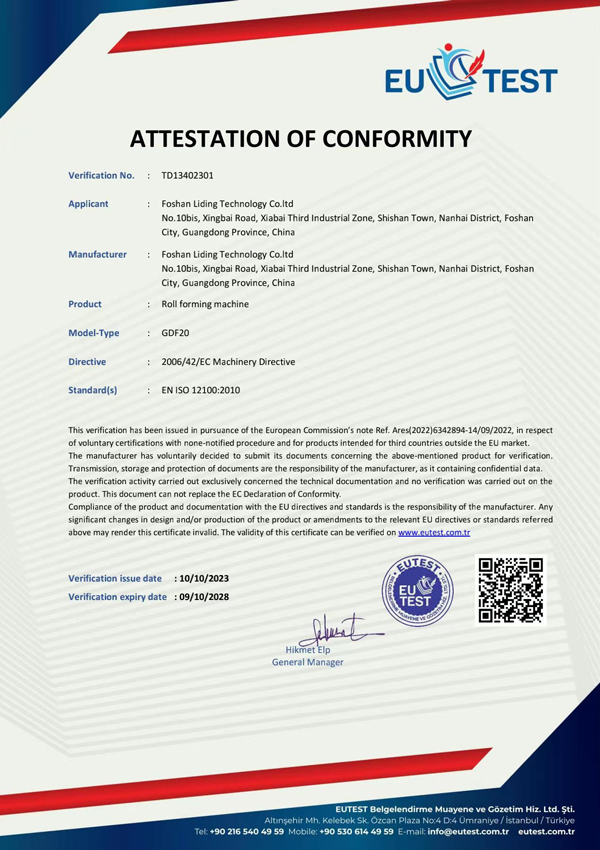
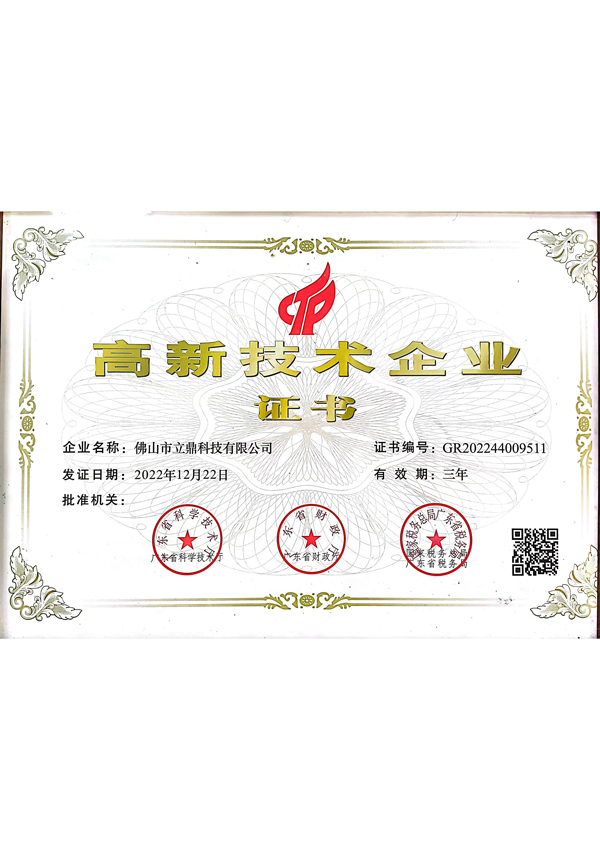
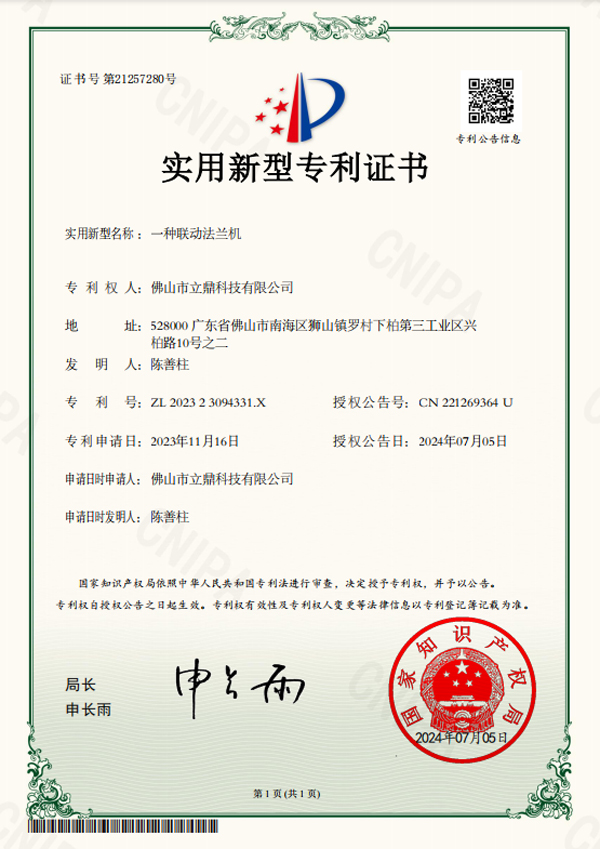
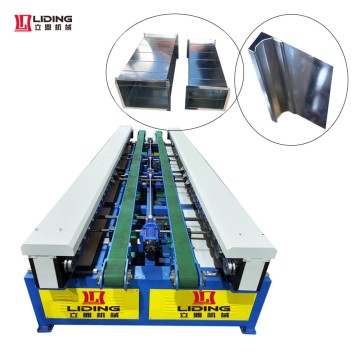
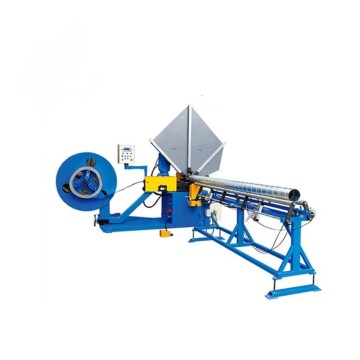
From marine damper casing production lines to complete HVAC duct fabrication systems — Liding provides the full manufacturing solution for your offshore and industrial projects.