- Home
- About Us
- Products
- Solution
- Application
- News
- FAQ
- Contact Us
Leave Your Message
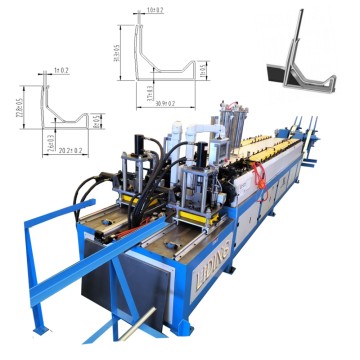
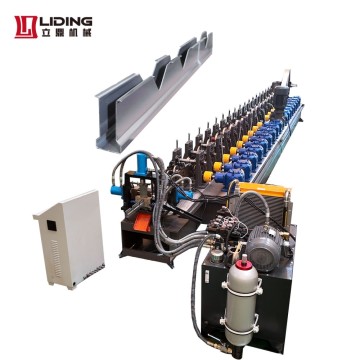
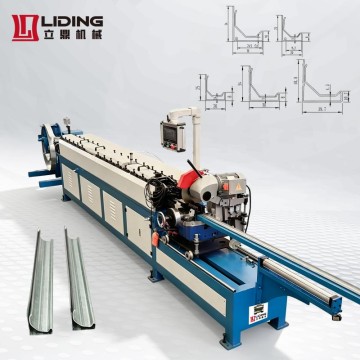
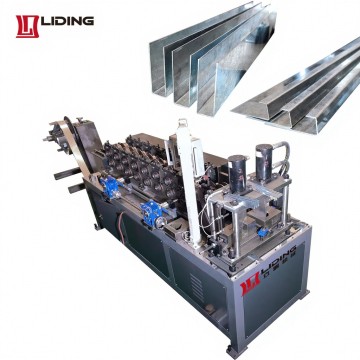
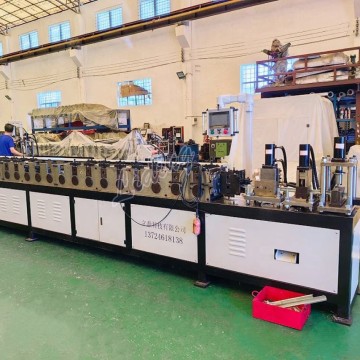
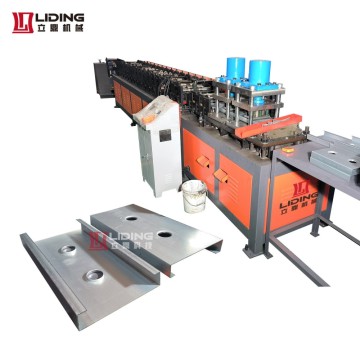
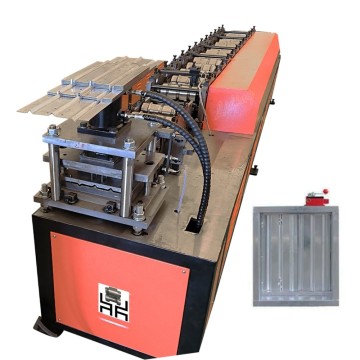
In the modern landscape of smart logistics and rapid commercial transit, the efficiency of entry systems dictates the operational tempo of global trade hubs. Automated secure entry roll-up doors are no longer mere barriers; they are highly engineered, dynamic components of automated warehouse networks, high-traffic commercial garages, and demanding airport logistics docks. To manufacture these heavy-duty, wind-resistant, and thermally isolated profiles, industrial manufacturers rely on state-of-the-art cold rolling machines designed to process high-tensile steel and aluminum with micro-millimeter precision.
Airport logistics docks and commercial parking structures face continuous cycles of opening and closing daily. These environments require entry systems that combine fast operation with absolute structural integrity. A roll-up door in an airport cargo terminal must withstand high wind loads caused by jet blasts and open-field air currents, while also preventing unauthorized access to restricted customs zones. Achieving these demanding safety standards begins at the manufacturing level, where specialized cold roll forming lines shape raw metal coils into interlocking door slats, reinforced guide rails, and heavy-duty bottom beams.
Cold roll forming allows for the continuous profiling of metal without altering its molecular structure. This retention of grain direction maximizes the yield strength of the slats, ensuring they resist denting and structural fatigue over millions of operational cycles.
In commercial garages, space optimization and noise reduction are critical. Modern roll-up doors are designed with compact roll-up diameters, requiring slats that nest tightly together when retracted. The cold rolling machine must produce slats with highly precise interlocking hinges. Any deviation in the profile geometry will lead to friction, squealing, and accelerated wear on the motor drive system. Furthermore, in urban environments, these doors are frequently integrated with smart license plate recognition (LPR) systems and RFID access controls, necessitating fast-acting, lightweight yet secure slats that can open at speeds exceeding 1.5 meters per second.
Airport cargo facilities operate on a massive scale under strict security regulations. The doors installed at these docks are often exceptionally wide and tall to accommodate large freight containers and heavy transport machinery. Here, the focus shifts to wind-load capacity, security reinforcement, and thermal insulation. The roll forming equipment must be capable of producing double-walled slats that can be filled with polyurethane foam. Additionally, airport logistics docks demand integrated wind locks on the slat ends, which require precise in-line punching and notch cutting during the roll-forming process. The cold rolling line must execute these operations dynamically without slowing down the production throughput.
Designing a cold rolling machine for automated secure entry doors requires a deep understanding of metal deformation mechanics. Different raw materials—such as hot-dip galvanized steel, stainless steel, and structural aluminum alloys—behave differently under bending stress. The roll forming line must be engineered with the correct number of forming stations (often ranging from 18 to 30 stages) to gradually shape the metal sheet without causing micro-cracking or paint peeling on pre-coated coils.
Key engineering requirements for modern roll-up door profiles include:
Modern roll forming lines utilize servo-driven adjustments and PLC control systems to change profile dimensions automatically, minimizing downtime and allowing for custom batch production of varying door heights and widths.
As smart manufacturing gains traction, the cold roll forming industry is transitioning toward fully automated, intelligent production lines. Key advancements include:
Traditionally, changing from one slat profile to another required hours of manual roller swapping. Modern cold rolling machines feature cassette-type quick-change systems or fully automated CNC-controlled rollers. By adjusting the distance between rollers via servo motors, the machine can switch between different slat thicknesses and widths in minutes, allowing manufacturers to respond rapidly to custom project specifications.
High-end cold rolling lines incorporate laser measurement sensors and vision inspection systems that scan the output profile in real-time. If the system detects a deviation in angle or width due to material variations in the steel coil, the PLC automatically adjusts the straightening unit or the downstream forming stations to correct the profile on the fly, eliminating scrap and ensuring consistent assembly tolerances.
Traditional start-stop cutting systems consume significant energy and limit production speed. Modern roll forming lines utilize flying shear technology powered by high-speed servo-hydraulic systems. The cutting blade matches the exact speed of the moving profile, executing a clean, burr-free cut without stopping the line, maximizing throughput and reducing wear on hydraulic components.
Liding Machinery – Our core technical team boasts over 30 years of experience in cold-forming. We design and manufacture high-precision cold-forming equipment covering HVAC ductwork machinery, building structures (light steel studs, steel formwork, seismic brackets, purlins), and warehouse equipment (racking columns, beams, shelving panels).
Foshan Liding Machinery Equipment Co., Ltd. was established in 2014, with a core team boasting over 25 years of experience in the cold-forming industry. We are a specialist manufacturer of metal roll forming equipment, dedicated to providing efficient, precise and reliable customised production line solutions for global HVAC systems, building structures and storage equipment sectors. We are not merely a machine supplier, but your strategic partner in product innovation and production efficiency enhancement.
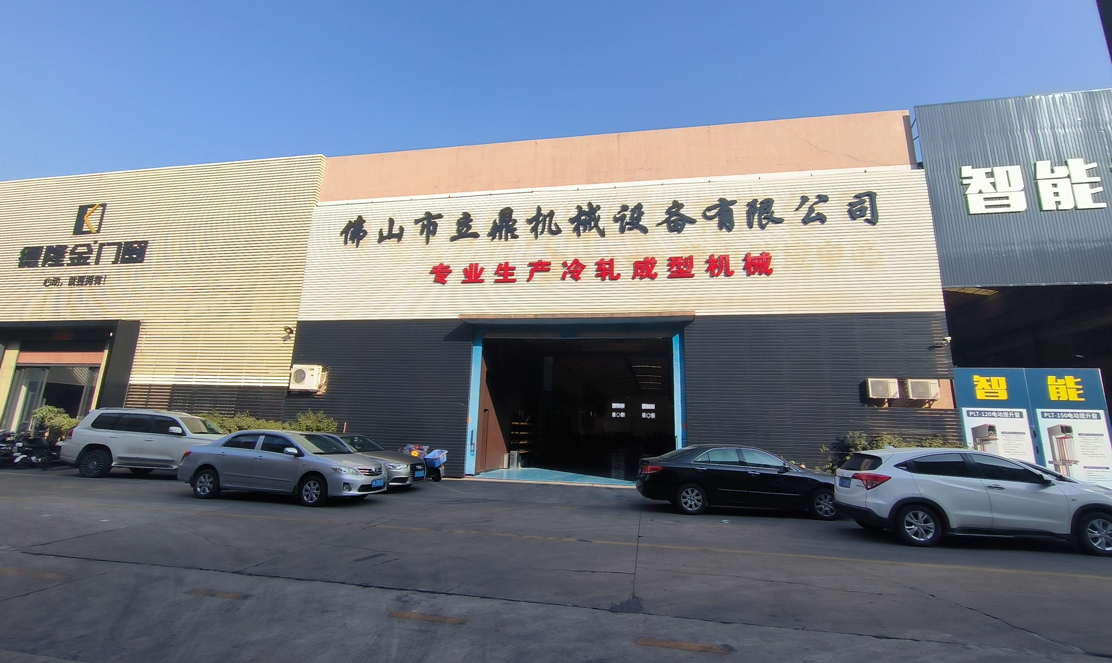
You provide drawings or samples; we deliver comprehensive production solutions. Our focus extends beyond the machinery itself to the quality and production costs of your end products. Our dedicated team offers ongoing technical support and after-sales service.
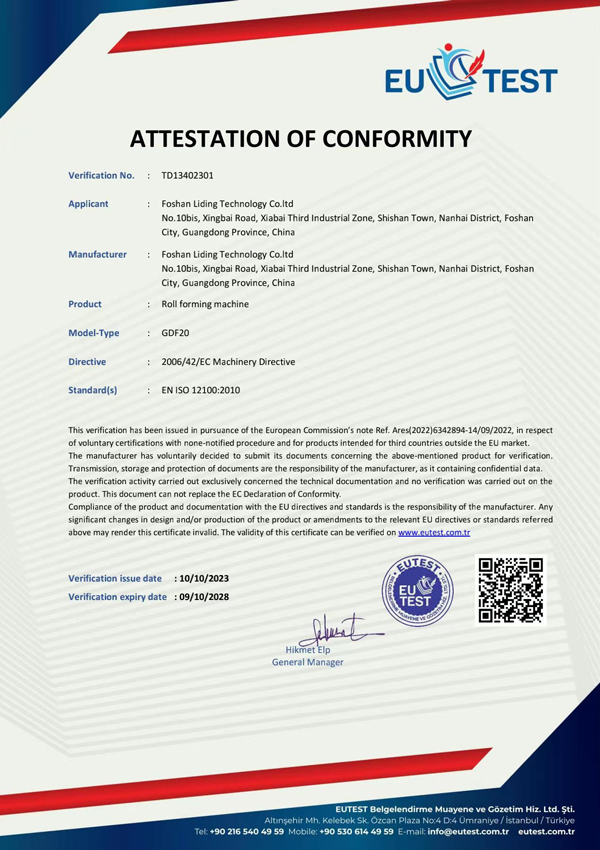
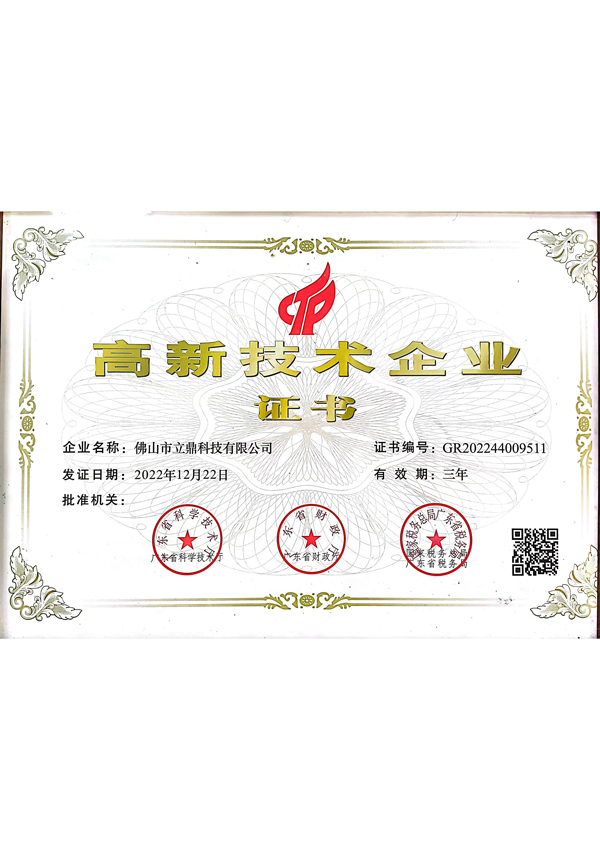
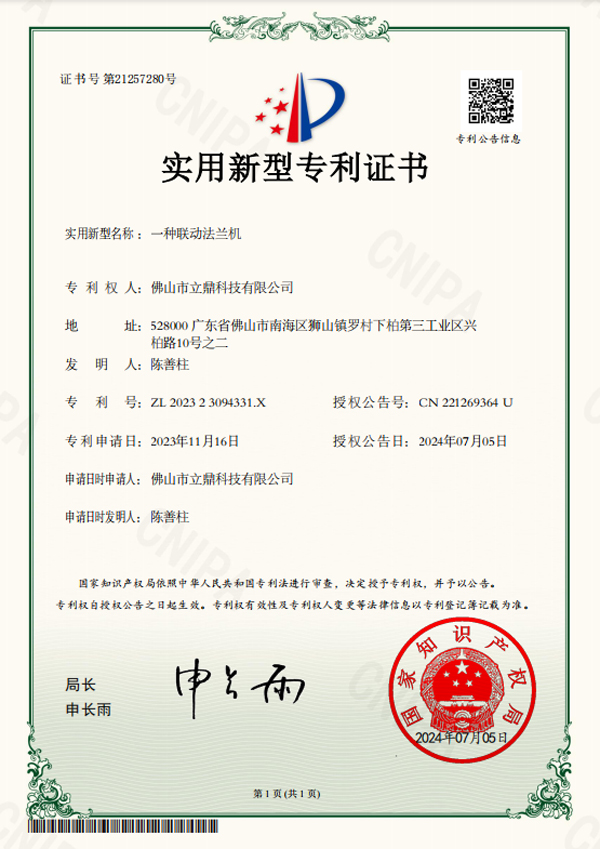
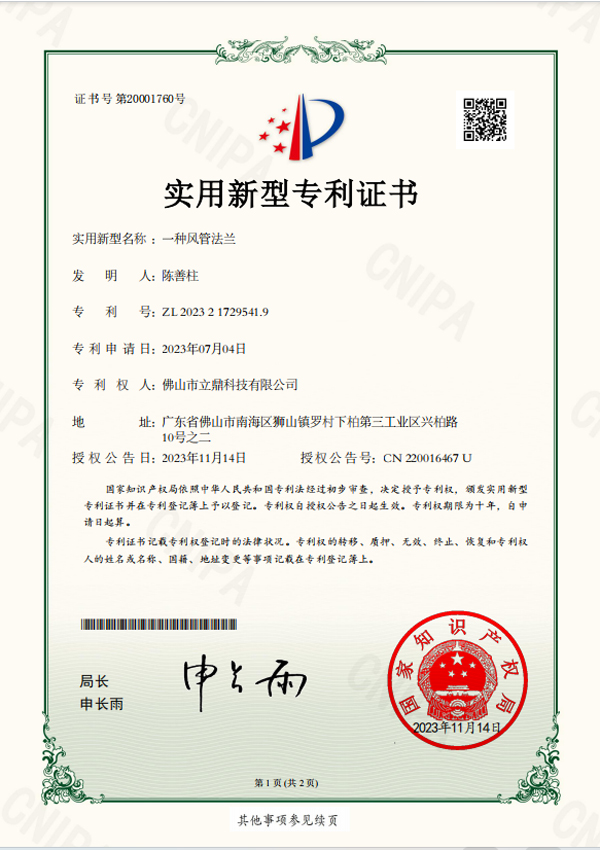
Our commitment to quality is backed by international certifications and rigorous testing. We maintain high standards of precision engineering across all our cold roll forming machines, guaranteeing reliability and long-term performance.
In logistics, time is the ultimate currency. Airport logistics docks operate on tight schedules where cargo planes must be unloaded, processed through customs, and dispatched via freight trucks within strict windows. If a roll-up door at a loading bay fails due to a structural defect or profile misalignment, it can halt the entire flow of goods, resulting in costly flight delays and cargo spoilage. Investing in high-quality cold rolling machines ensures that the doors protecting these vital supply chain nodes are built to withstand the physical and environmental stresses of continuous industrial operation.
Moreover, the integration of smart building management systems (BMS) in modern commercial garages and logistics parks requires roll-up doors to communicate with central security networks. This level of automation demands absolute consistency in the weight and balance of the door slats. Roll forming machines equipped with precision punching and profiling units ensure that each slat is identical down to the tenth of a millimeter, allowing for smooth integration with high-speed automated motors, safety sensors, and emergency override systems.
By partnerning with an experienced roll forming manufacturer like Liding Machinery, global door manufacturers can achieve the high production speeds, profile accuracy, and material versatility needed to satisfy the growing demands of modern commercial and logistics infrastructure. From heavy-duty steel formwork to custom HVAC and secure roll-up door profiles, our engineering team delivers the machinery that shapes the structures of tomorrow.