
Leave Your Message
Explore our leading cold roll forming machines engineered for automated roll-up door slat and guide rail production in commercial garages and airport logistics docks.
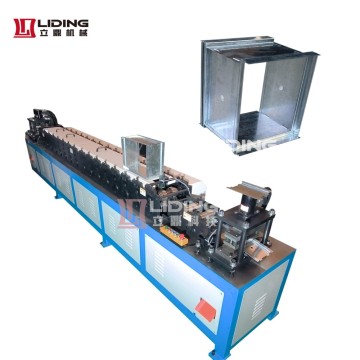 Roll-up Door Frame
HVAC Square Volume Control Damper (VCD) Frame Roll Forming Machine | 30mm Thick Side Plate Automatic Production Line
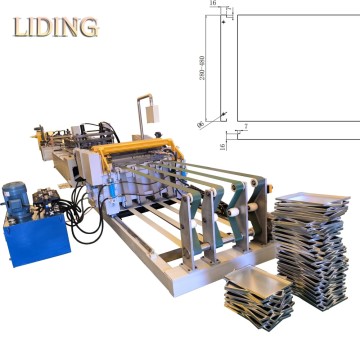 Door Panel Forming
Shelf Box Panel Making Machine | Metal Supermarket Storage Rack Upright & Laminate Roll Forming Machine
 Garage Door Slat
Liding LD-FW008 V-Type Steel Formwork Machine
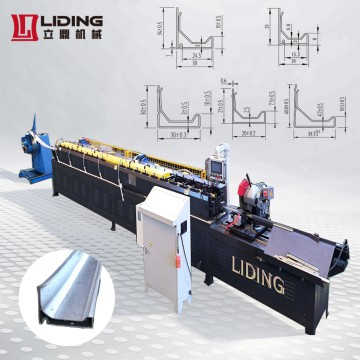 Logistics Dock
Heavy-duty TDC Flange Forming Machine with Gearbox Drive for HVAC Duct
A cold roll forming machine is a continuous metal-shaping system that feeds steel or aluminum coil stock through a progressive series of precision roller dies, gradually bending the flat strip into a complex cross-sectional profile — all at ambient temperature, without heat. For automated secure entry roll-up doors used in commercial garages and airport logistics docks, these machines produce the individual slats, guide rails, bottom bars, locking channel reinforcements, and interlocking profiles that form the complete door curtain assembly.
Unlike stamping or press-brake operations, cold roll forming delivers continuous, high-speed production with consistent dimensional accuracy across every meter of output. This is critical for roll-up door slats, where even minor profile deviations accumulate over the full curtain height and compromise sealing, structural integrity, and automated operator alignment.
The global industrial door market — encompassing roll-up, sectional, and high-speed doors — was valued at approximately USD 6.8 billion in 2023 and is projected to exceed USD 11 billion by 2031 at a CAGR of over 6.2%. The fastest-growing application segments are commercial garage facilities (multi-story parking structures, fleet maintenance depots) and airport logistics infrastructure (cargo terminals, fuel storage docks, ground support equipment bays).
Demand is being driven by three converging forces: urbanization and logistics network expansion, the proliferation of automated access control systems requiring precisely manufactured door components, and increasingly stringent security and fire-rating standards in both civil aviation and commercial real estate codes.
For door manufacturers, this market growth translates directly into pressure for higher production capacity, tighter profile consistency, and faster changeover between product variants — all of which favor investment in advanced cold roll forming lines over legacy manufacturing methods.
Roll-up door slats require interlocking male/female hinge geometries, weather-seal grooves, stiffening ribs, and sometimes foam-injection channels — all in a single pass. Cold roll forming handles this complexity elegantly: each forming station adds one or two bends, and the cumulative tooling investment is amortized over millions of linear meters of production. Compared to multi-stage stamping, tooling cost per unit drops by 60–80% at volume.
Because no heat is applied, cold forming induces beneficial work hardening in the steel, increasing yield strength by 15–25% compared to the base coil. For garage door slats — which must resist wind load, impact, and forced-entry attempts — this is a structural advantage, not merely a manufacturing convenience. Material utilization rates exceed 98%, versus 85–90% for blanking-and-forming operations.
Modern roll forming lines for door slat production integrate directly with servo-driven flying cutoff saws, automatic stacking systems, and even inline foam-injection stations for insulated door panels. The result is a fully automated production cell that can run lights-out across a shift, reducing direct labor costs by up to 70% compared to semi-manual fabrication.
Airport logistics facilities and commercial garage operators increasingly demand custom door widths, slat profiles, and surface finishes. Quick-change tooling cassette systems allow a single forming machine to switch between three or four slat profiles in under 30 minutes, supporting just-in-time manufacturing without dedicated lines for each SKU.
Cold roll forming machines produce the structural components for roll-up doors across a wide spectrum of demanding commercial and industrial environments.
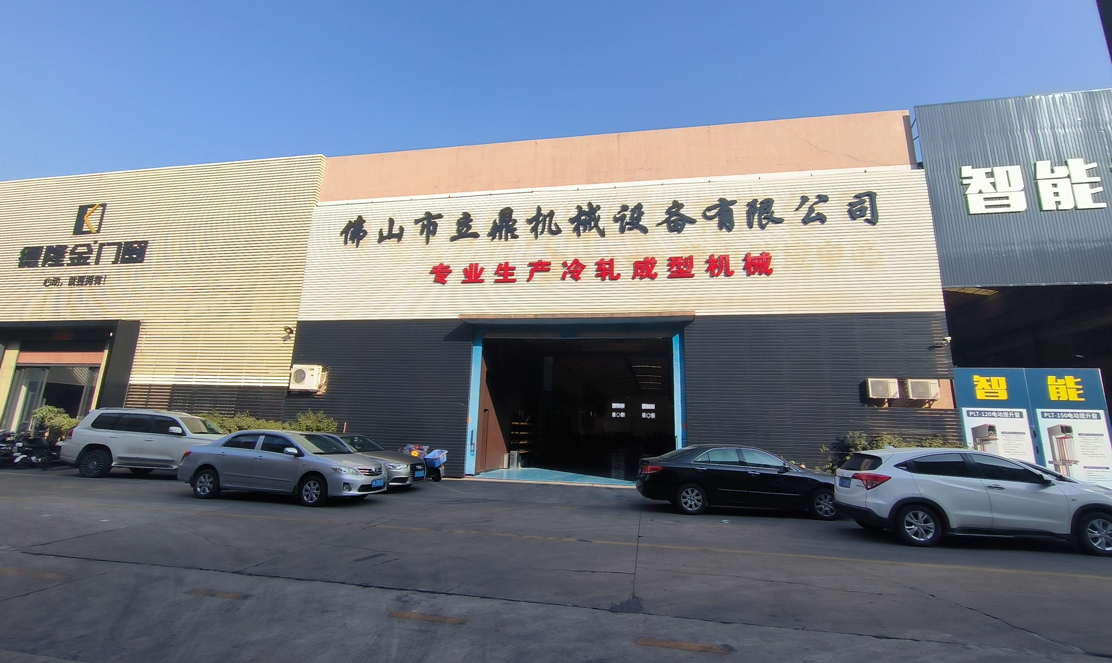
Foshan Liding Machinery Equipment Co., Ltd. was established in 2014, with a core technical team boasting over 25 years of experience in the cold-forming industry. We are a specialist manufacturer of metal roll forming equipment, dedicated to providing efficient, precise and reliable customised production line solutions for global HVAC systems, building structures and storage equipment sectors.
We are not merely a machine supplier — we are your strategic partner in product innovation and production efficiency enhancement.
Trusted by roll-up door manufacturers, HVAC fabricators, and building product companies across the globe.
Four pillars that make Liding Machinery the preferred cold roll forming partner for roll-up door manufacturers worldwide.
A complete cold roll forming production line for commercial garage and airport logistics dock roll-up door slats typically comprises the following integrated stations:
The majority of cold roll forming machine manufacturing for roll-up door applications is concentrated in China (Guangdong, Jiangsu, Shandong provinces), with secondary clusters in Italy, Germany, and Taiwan. Chinese manufacturers — including Liding Machinery — have significantly closed the technology gap with European competitors while offering 40–60% lower capital costs, making them the preferred source for manufacturers in emerging markets and for mid-tier production volumes.
Key sourcing considerations for door manufacturers evaluating cold roll forming investments include: tooling steel grade and hardness (D2/Cr12MoV at HRC 58–62 minimum for long-life slat tooling), PLC brand compatibility (Siemens, Mitsubishi, or Omron for global spare parts availability), after-sales support infrastructure in the buyer's region, and the supplier's application engineering capability to develop and validate new slat profiles from customer drawings.
The next evolution in cold roll forming for roll-up door production is the integration of AI-driven process control: vision systems that inspect every slat in real time for dimensional deviation, surface defects, and profile completeness, feeding corrections back to the forming mill's servo drives within milliseconds. Early adopters in the European door manufacturing sector report scrap rate reductions of 35–50% and a complete elimination of customer field complaints related to curtain misalignment.
Simultaneously, the emergence of smart roll-up door systems — integrating IoT sensors, biometric access control, and energy management functions directly into the door curtain — is creating demand for slat profiles with integrated cable channels, sensor mounting features, and conductive pathways. These complex profiles are only manufacturable cost-effectively via cold roll forming, reinforcing the technology's centrality to the next generation of commercial access security products.
Our cold roll forming machines for roll-up door and secure entry applications are manufactured and certified to international quality standards.
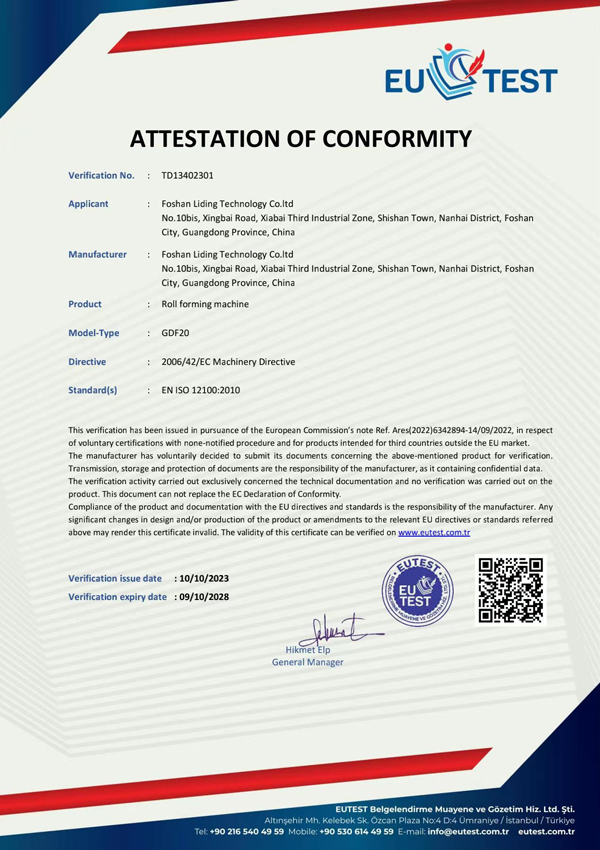
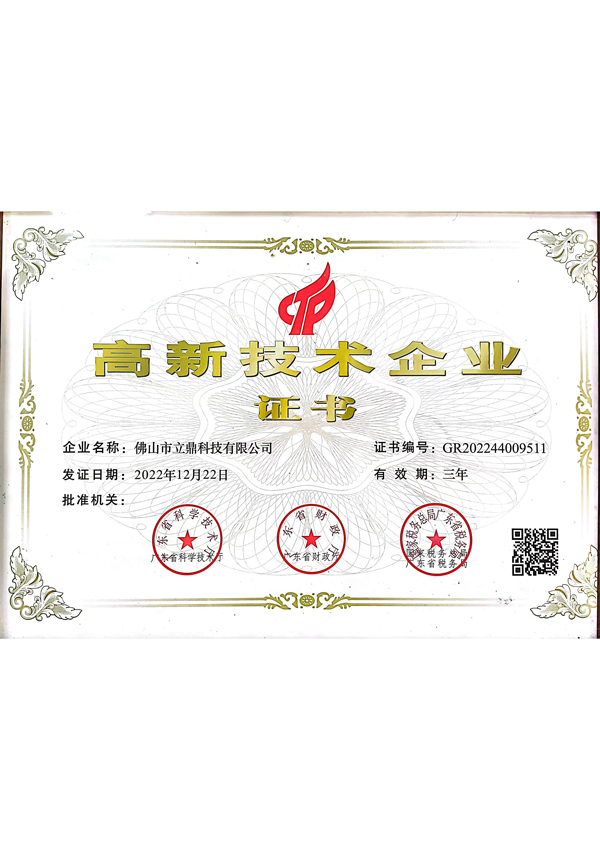
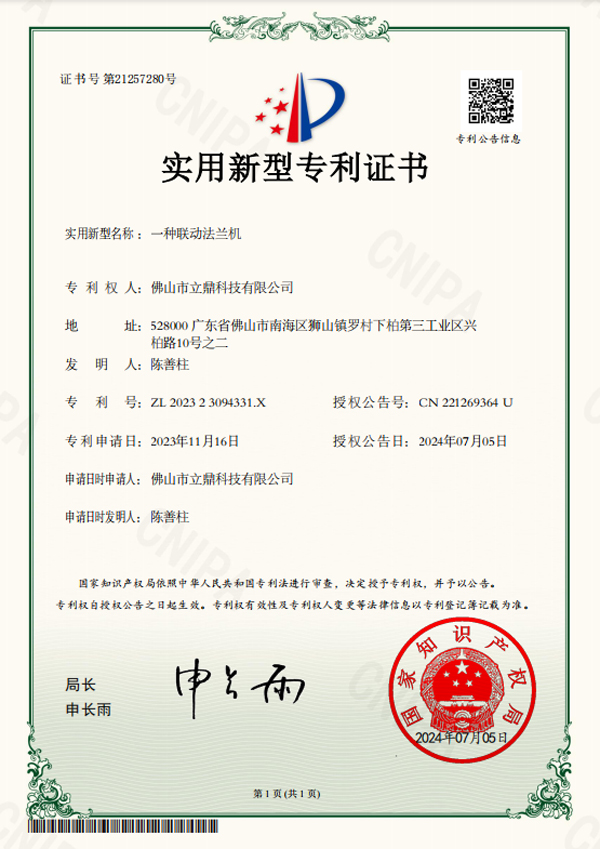
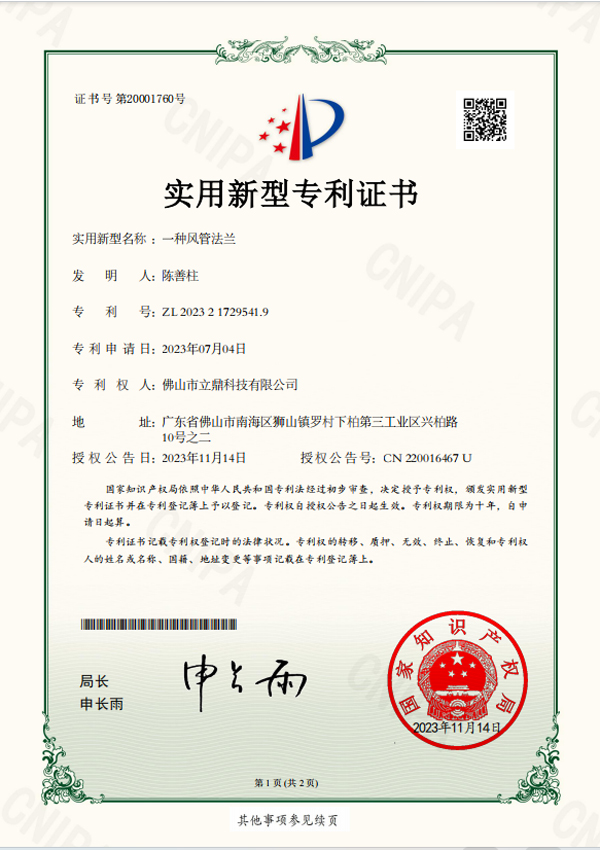
Discover our full range of precision cold roll forming machines for HVAC, structural, storage, and secure entry door applications.
HVAC Damper Frame
HVAC Square Volume Control Damper (VCD) Frame Roll Forming Machine | 30mm Thick Side Plate Automatic Production Line
Panel Forming
Shelf Box Panel Making Machine | Metal Supermarket Storage Rack Upright & Laminate Roll Forming Machine
Steel Formwork
Liding LD-FW008 V-Type Steel Formwork Machine
TDC Flange
Heavy-duty TDC Flange Forming Machine with Gearbox Drive for HVAC Duct
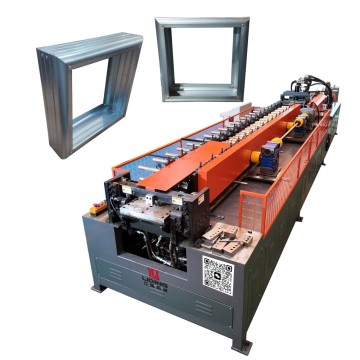 Plenum Box
High-Accuracy Automatic HVAC Air Plenum Box & Silencer Roll Forming Machine | 15KW Ductwork Noise Control Equipment LD-SF01
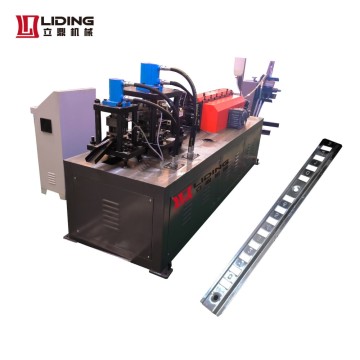 Storage Racking
Shelf Roll Storage Racking Machine | Pallet Rack Upright Roll Forming Machine
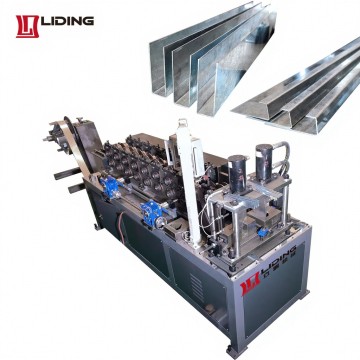 C-Channel Profile
Customizable Width Adjustable Metal C-Channel Roll Forming Machine | HVAC & Building Construction C Profile Maker LDC-04
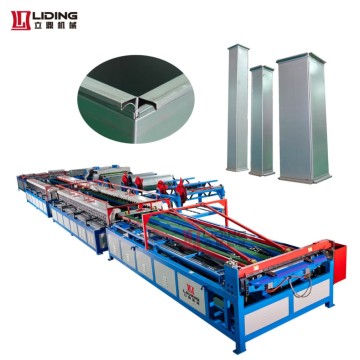 Duct Production
High Quality Liding Brand Duct Making Machine Air Duct Production Line for Square Ducts
Contact Liding Machinery's application engineers today. Share your slat profile drawings or door specifications, and we'll deliver a complete cold roll forming solution — from tooling design to production line commissioning.
Request a Custom Solution →