- Home
- About Us
- Products
- Solution
- Application
- News
- FAQ
- Contact Us
Leave Your Message
High-precision manufacturing systems optimized for centralized building ventilation components
In modern industrial and commercial architecture, centralized building ventilation systems are no longer just basic duct networks designed to circulate air. They have evolved into highly complex, automated airflow management ecosystems. These modern systems dynamically regulate indoor air quality (IAQ), control thermal comfort, optimize energy consumption, and guarantee structural safety in emergencies like fires. Achieving this level of automation requires high-precision HVAC components—such as volume control dampers (VCDs), fire damper frames, leak-proof flanges, and robust structural supports. The manufacturing backbone behind these components is the advanced cold forming machine.
Cold roll forming is a continuous bending operation where a long strip of metal is passed through consecutive sets of rolls, each performing an incremental part of the bend, until the desired cross-sectional profile is obtained. Unlike traditional pressing or folding methods, cold forming guarantees absolute dimensional accuracy, exceptional structural integrity, and high-speed production capacity. For automated airflow management, where even a millimeter of deviation can cause pressure drops or air leakage, cold forming technology is indispensable.
Industrial Insight: Centralized ventilation systems in high-rise buildings and smart factories demand airtightness levels that meet international standards (such as DW144 and SMACNA). Precision roll-formed flanges and damper frames directly prevent energy loss, contributing up to a 15% reduction in HVAC operational costs.
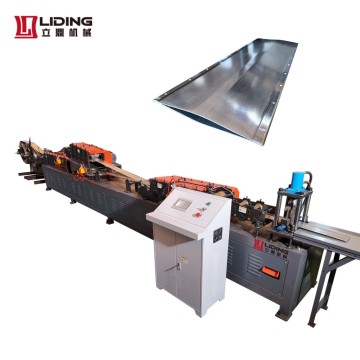
At the heart of automated airflow management are Volume Control Dampers (VCDs). These devices regulate the volume of air flowing through a duct system by rotating internal blades. The blades must possess an aerodynamic profile to minimize resistance when open, while ensuring a perfect, airtight seal when closed. Cold forming machines shape galvanized steel or aluminum into complex, double-skinned hollow blades with integrated interlocking edges. The roll forming process ensures that every blade is identical, minimizing friction during motorized adjustments and preventing motor fatigue in automated HVAC systems.
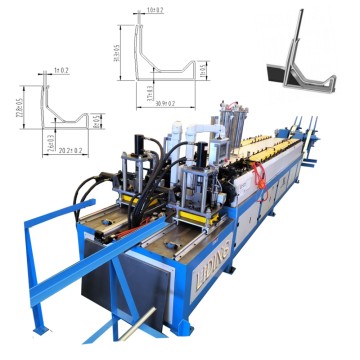
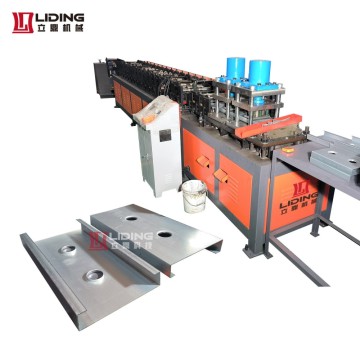
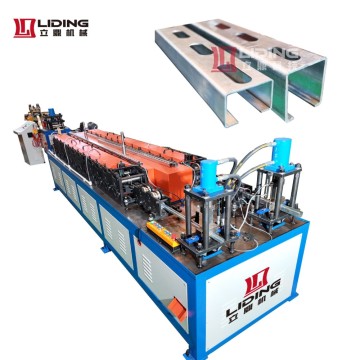
Fire and smoke dampers are critical safety devices installed in ductwork where it passes through fire-rated barriers. In the event of a fire, automated sensors trigger the damper to close, preventing the spread of toxic fumes and fire. The frame of the fire damper must resist extreme thermal stress without warping. Cold forming machines produce heavy-duty, single-piece frames with pre-punched holes and locking joints. By rolling the profile from a single coil of steel, joints are eliminated, ensuring the frame remains perfectly square and structural integrity is maintained under thermal expansion.
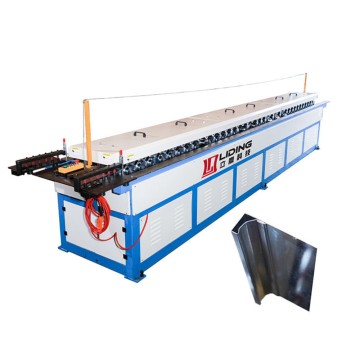
Duct connection joints are the most common source of leakage in centralized ventilation systems. Transverse Duct Connector (TDC) and Transverse Duct Flange (TDF) profiles formed directly onto the duct ends create an airtight seal. Using a 2-in-1 TDC/TDF flange roll forming machine, manufacturers can produce consistent, integrated flanges that eliminate the need for separate slip-on flanges. This reduces assembly time on-site, minimizes material waste, and ensures the duct network maintains the high pressures required for centralized airflow distribution.
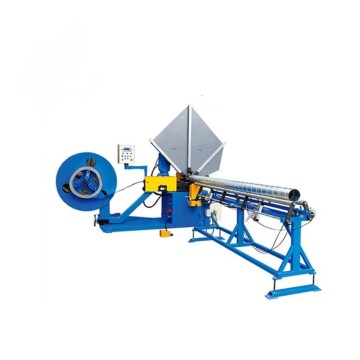
Centralized ventilation in large industrial complexes relies on high-velocity air distribution. Spiral round ducts, formed from continuous metal strips with mechanical lock seams, offer superior strength and structural rigidity compared to rectangular ducts. The spiral seam acts as an external reinforcement, allowing thinner gauge metals to be used while maintaining resistance to high negative or positive pressures. This makes them ideal for transporting large volumes of air in automated ventilation networks.
The global cold forming machinery market is experiencing a significant shift driven by Industry 4.0 and green building initiatives. Several key trends are shaping the future of HVAC component manufacturing:
Foshan Liding Machinery Equipment Co., Ltd. was established in 2014, with a core team boasting over 25 years of experience in the cold-forming industry. We are a specialist manufacturer of metal roll forming equipment, dedicated to providing efficient, precise and reliable customised production line solutions for global HVAC systems, building structures and storage equipment sectors.
We are not merely a machine supplier, but your strategic partner in product innovation and production efficiency enhancement. You provide drawings or samples; we deliver comprehensive production solutions. Our focus extends beyond the machinery itself to the quality and production costs of your end products.
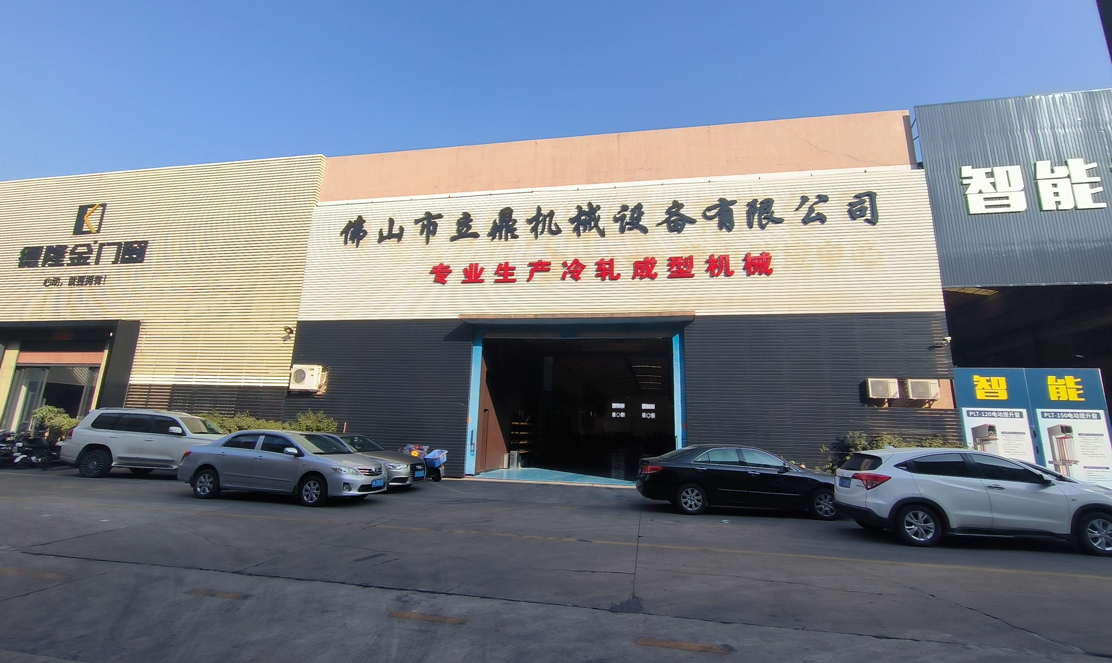
Why leading global ventilation manufacturers choose Liding Machinery
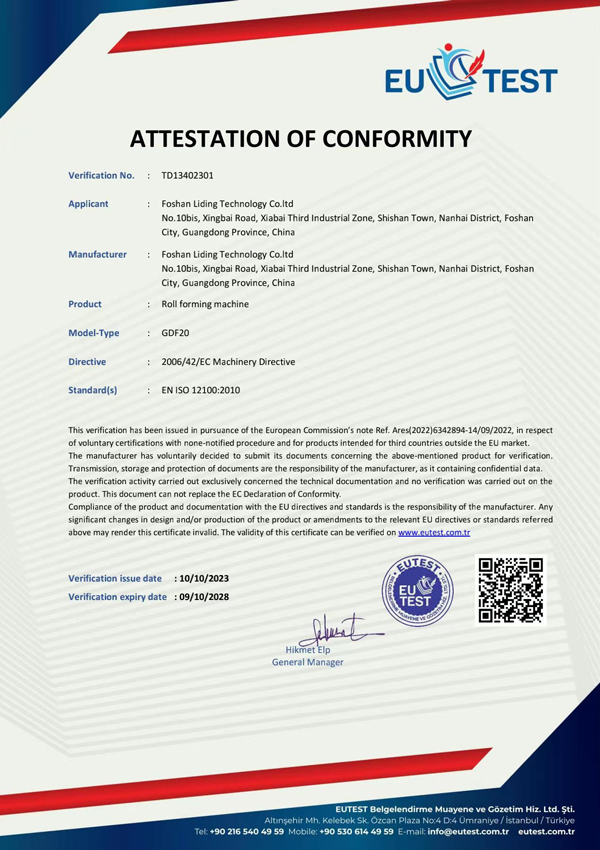
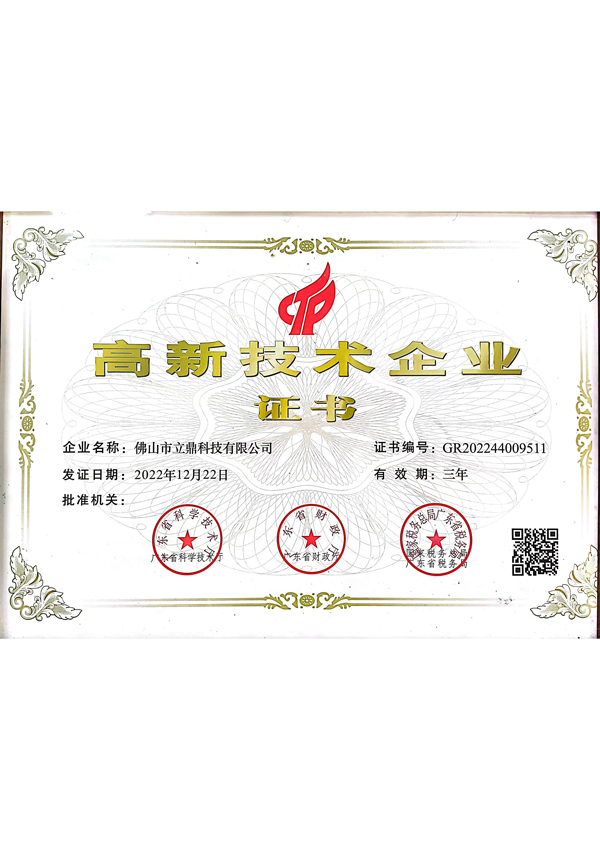
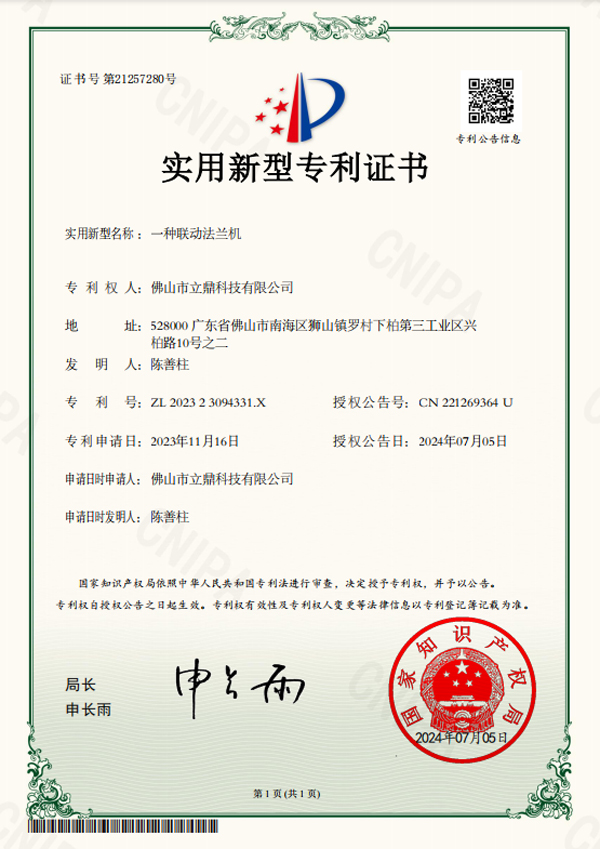
Certified manufacturing systems ensuring high precision and durability
Explore our full range of automated airflow management and structural component production lines