You know, the metal forming industry is pretty pivotal when it comes to manufacturing. Back in 2022, the global market for Metal Forming Machines was sitting at around $14 billion. And honestly, that number is expected to shoot up as demand keeps climbing, especially in sectors like auto and aerospace. Big names like AMADA, Mitsubishi Electric, and Trumpf are constantly pushing the envelope—coming up with new tech to keep up with all that growth.
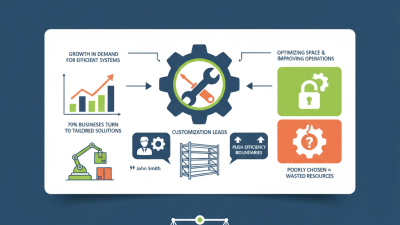
Basically, these machines are essential for turning raw metal into pretty much any shape you need. But, here's the tricky part—buying the right one can be a bit of a headache. So many folks struggle to figure out what the best options are. Interestingly, reports show that about 72% of buyers are placing a lot of weight on energy efficiency and automation features. So, staying updated on the latest trends? Super important.
Now, I get it—everyone talks about saving costs, but rushing to cut expenses without thinking about quality can backfire. Picking a top-notch Metal Forming Machine might cost more upfront, sure, but in the long run, it can save you a ton. As the industry keeps changing, it’s more important than ever to keep yourself in the loop on new tech and market trends. That way, you can make smarter choices. Finding that sweet spot between price, quality, and efficiency really is the secret to staying ahead and doing well in this competitive world.
Overview of Metal Forming Machines: Importance and Applications
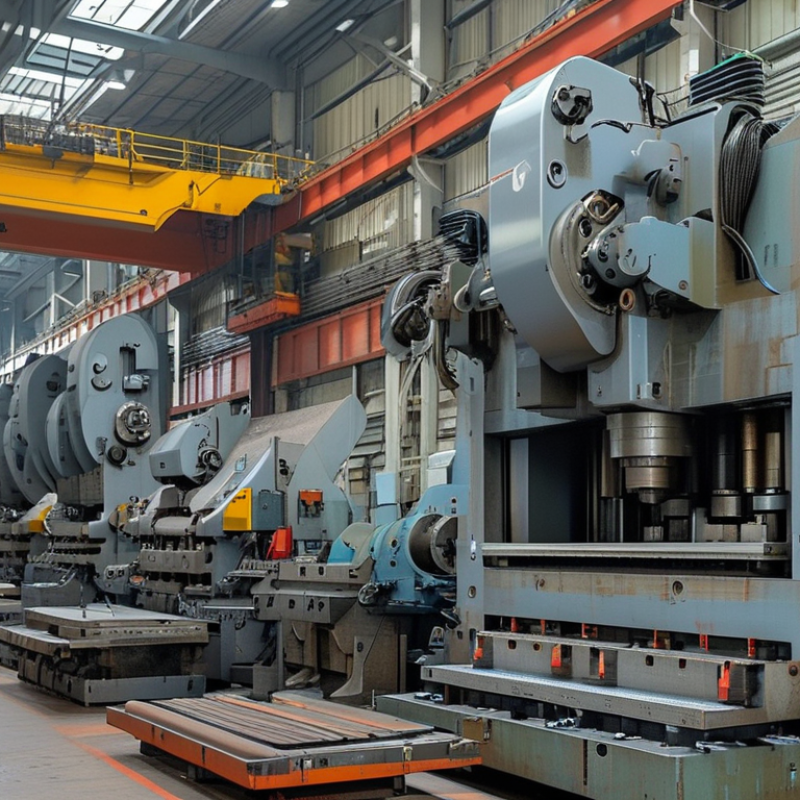
Metal forming machines play a critical role in various industries. They shape and mold metals into desired forms for production. These machines can create everything from small components to large structural parts. Their importance lies in enhancing manufacturing efficiency and product quality. Industries rely on these machines for precision and consistency in metal parts.
Tips for selecting the right machine include assessing your production needs. Understand the types of metals you'll work with. Different machines handle different materials. Researching the capabilities and limitations of each option is vital. Additionally, consider the machine's energy consumption. Efficient machines can reduce long-term operational costs.
Metal forming machines have diverse applications. They are used in automotive, aerospace, and construction industries. Each sector demands specific functions from these machines. However, some challenges exist. Not all machines can adapt to rapid design changes. This inflexibility can lead to delays in production. It's essential to find a balance between capability and adaptability.
Criteria for Selecting the Best Metal Forming Machines
When selecting the best metal forming machines, understanding specific criteria is essential. Machine efficiency stands out as a key factor. It involves assessing how well a machine can perform its tasks, such as bending, cutting, and shaping metal. High efficiency usually translates to lower operational costs over time. Buyers should investigate energy consumption, speed, and precision during operation.
Another important aspect is durability. Metal forming machines undergo significant stress. Machines must withstand heavy loads and repetitive usage without frequent breakdowns. Buyers should look for materials and construction quality. Quality assurance logs and user reviews may provide insights into a machine's long-term reliability.
Furthermore, user-friendliness is crucial. Operators need to navigate complex settings easily. Machines should offer intuitive control panels and safety features. While innovation brings advanced functionalities, it may complicate operation. Reflecting on user experiences can help identify potential hurdles. Ultimately, selecting the right machine requires a balance of efficiency, durability, and ease of use.
Top 10 Metal Forming Machines: A Comprehensive Review
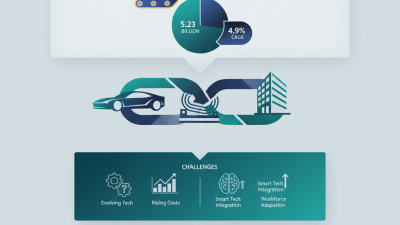
Metal forming machines are crucial in various industries, shaping metals for different applications. Recent studies highlight that the global market for these machines is projected to reach $50 billion by 2025. This growth is driven by the demand for precision and efficiency in manufacturing processes. Notably, the Metal Stud Forming Machine stands out in this market. Its versatility and efficiency makes it a top choice among manufacturers.
Choosing the right machine requires careful consideration. Analyze your production needs and output capacity. The Metal Stud Forming Machine often requires lower maintenance. However, the initial investment can be significant. It's essential to weigh potential long-term savings against the costs. For efficiency, ensure that the machine aligns with your production schedule. Industry analyses indicate that a good fit can enhance overall productivity by up to 30%.
Investing in training for operators can also yield positive results. Knowledgeable operators can significantly reduce downtime and enhance the quality of formed materials. Reviews from users suggest that thorough training on the Metal Stud Forming Machine maximizes its capabilities. Keep an eye on new technological advancements. Regular updates can prevent obsolescence and keep your operations ahead.
Innovative Features and Technologies in Modern Metal Forming Machines
Modern metal forming machines have evolved significantly, enhancing efficiency and precision in production. These machines now integrate advanced technologies like automation and real-time monitoring systems. Such features minimize human error and boost productivity. For example, many machines apply AI algorithms to optimize forming processes dynamically. This leads to less material waste, directly impacting cost-effectiveness.
Additionally, user-friendly interfaces make it easier for operators to manage complex tasks. Touchscreen controls and remote monitoring enhance operational flexibility. However, reliance on automation raises concerns about skill gaps among workers. Training remains essential to ensure operators can effectively engage with these advanced systems.
Furthermore, the introduction of energy-efficient models contributes to sustainability efforts. Machines designed for reduced power consumption not only save costs but also align with global ecological standards. As the industry progresses, continuous reflection on the balance between technological advancement and workforce readiness is crucial. Innovations like the Metal Roll Forming Machine are reshaping production landscapes, but they also challenge traditional manufacturing paradigms.
Top 10 Metal Forming Machines
Comparative Analysis: Performance and Efficiency of Top Models
In the realm of metal forming machines, performance and efficiency can vary significantly. Buyers must carefully evaluate their options to find the right fit for their specific needs. Key factors include precision, speed, and energy consumption. Some machines excel in speed, yet sacrifice accuracy, resulting in waste and rework. It’s crucial to strike a balance.
The best models offer advanced technology that enhances efficiency. For instance, automation features can significantly reduce operator errors. However, technology can be a double-edged sword. While it improves productivity, it often requires more training and maintenance. This can lead to hidden costs that buyers must consider.
Another aspect is the machine’s adaptability to different materials. Some models may perform exceptionally well with one type but struggle with others. Understanding the materials you intend to work with will guide your choice. Additionally, some machines may require significant upfront investment but pay off with long-term benefits in durability and performance. Evaluating both immediate and future needs is essential for making a wise investment.
Global Market Trends in Metal Forming Machinery
The metal forming machinery market is growing rapidly. Industry trends show an increasing demand for advanced Metal Sheet Forming Machines. Buyers are looking for equipment that is efficient and versatile. This is particularly important for factories aiming to improve production rates. Additionally, energy efficiency is becoming a pivotal factor in purchasing decisions. The machinery must not only perform well but also reduce operational costs over time.
Sustainable practices are also on the rise. Manufacturers are investing in machines that incorporate eco-friendly technologies. These innovations lead to less waste and lower carbon footprints. However, transitioning to these new machines can be challenging. Many factories struggle with employee training and adapting processes. This gap can hinder the full potential of new equipment, even if it's cutting-edge.
Market insights reveal regional variations in preferences. For instance, some regions prioritize automation, while others focus on manual control. This disparity can complicate global sales strategies. Buyers need to understand local demands and technology trends. In a rapidly evolving market, continuous learning is essential for success. Investing in the right Metal Sheet Forming Machine can drive significant results, but careful consideration is necessary.
Future Developments in the Metal Forming Industry
The metal forming industry is on the brink of several transformative developments. Automation and artificial intelligence are changing how machines operate. Advanced sensors provide precise data, improving efficiency. These innovations allow for smarter production lines, reducing waste and downtime.
One noteworthy trend is the increasing demand for sustainable practices. Companies are focused on minimizing environmental impact. New technologies help in recycling materials and reducing energy consumption. This shift not only addresses consumer concerns but also enhances company reputations.
Investing in advanced machines, such as the Metal Stud Roll Forming Machine, can enhance production capabilities. Maintaining an eye on industry trends is crucial. Regular training of staff will ensure that operators are skilled in the latest technologies. This adaptability creates a competitive edge that businesses cannot afford to overlook.
FAQS
: Key factors include precision, speed, and energy consumption. Finding the right balance is essential.
Automation can reduce operator errors and improve productivity. Training and maintenance are still required.
No, some machines excel with specific materials while struggling with others. Understand your material needs well.
While technology improves efficiency, it often leads to increased training and maintenance costs for buyers.
There is a growing demand for sustainable practices. Companies aim to reduce their environmental impact.
Advanced machines enhance production capabilities. They may require significant upfront costs but can offer long-term benefits.
Keeping an eye on industry trends and regularly training staff on new technologies is crucial.
Advanced sensors provide precise data. This improves efficiency and reduces waste in production lines.
Choosing the wrong machine can result in high waste and rework, affecting overall productivity.
Companies may overlook the importance of balancing immediate costs with potential future benefits.
Conclusion
Metal forming machines play a crucial role in the manufacturing sector, facilitating the shaping and manipulation of metal materials for various applications. This article presents an in-depth overview of the importance of metal forming machines, criteria for selecting the best options, and a comprehensive review of the top ten models available in the global market. It also highlights innovative features and technologies that enhance the performance and efficiency of these machines.
Additionally, a comparative analysis reveals the strengths of different models, while insights into global market trends provide a broader understanding of the metal forming machinery landscape. Finally, the article explores future developments within the industry, emphasizing the ongoing evolution and technological advancements that are shaping the future of metal forming machines.