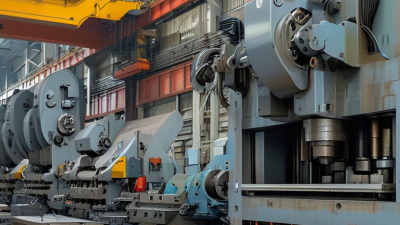
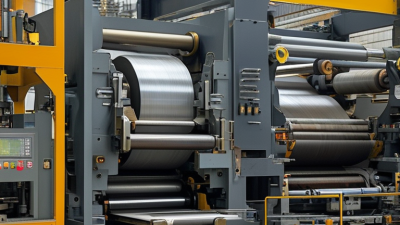
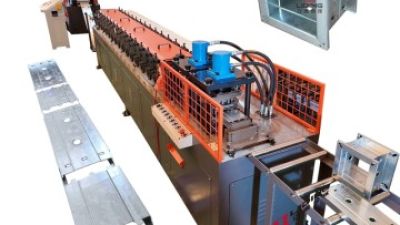
You know, when it comes to manufacturing, Roll Forming Equipment has really become a game-changer. I’ve read that the market’s expected to grow about 5% each year—pretty impressive! This is mostly because companies are craving more precise, engineered products. Basically, this equipment is fantastic at shaping metal sheets into all sorts of complex profiles, especially in industries like automotive and construction.
If you're thinking about investing in roll forming tech, it’s definitely worth considering because it can save you a ton of money and boost your production speed. Big names like Cornelius Equipment have pointed out that using roll forming can cut down material waste by up to 30%. But, I gotta say, not everyone really gets how this tech works under the hood. Picking the right machine isn’t just a snap—it involves thinking about your production volume, the types of materials you’re working with, and a bunch of other factors.
Of course, jumping into this kind of upgrade isn’t always smooth sailing. There’s a bit of a learning curve, and integrating new systems into existing workflows can be tricky at first. Plus, you’ve got to weigh the initial costs against the long-term benefits—kind of a balancing act. Still, even with those challenges, the benefits of Roll Forming Equipment are pretty convincing. For manufacturers who want to stay ahead of the curve, it’s definitely a move worth making.
What is Roll Forming Equipment?
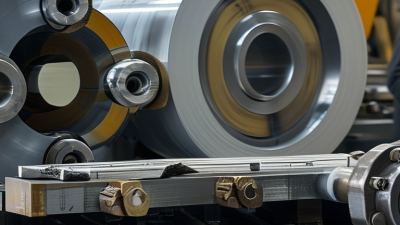
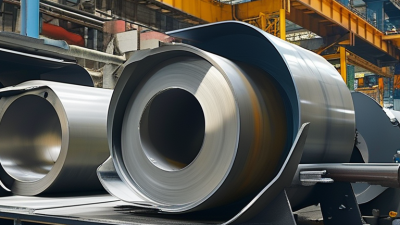
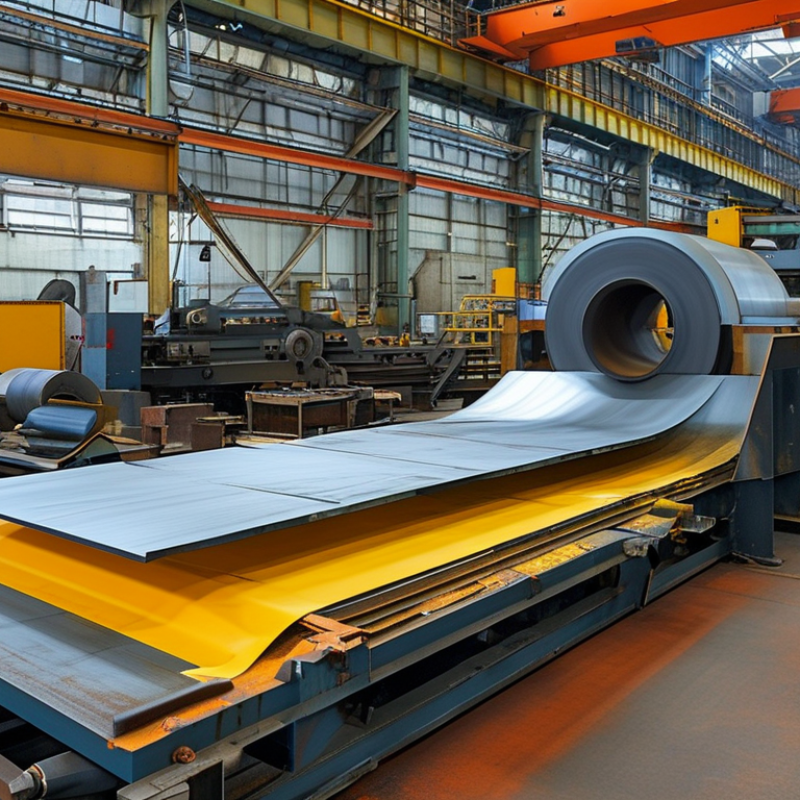
Roll forming equipment is a manufacturing process used to shape metal into specific profiles. It works by continuously feeding metal sheets through a series of rollers. Each roller gradually bends the metal into the desired shape. This method is efficient and can produce consistent results over long production runs.
When considering Metal Roll Forming Equipment, it's crucial to assess your production needs. Different machines offer various capabilities. Some can handle thicker materials, while others are suited for intricate designs. Ensuring you choose the right equipment can lead to better quality and reduced waste.
In practice, not all manufacturers can achieve the same standards. Some may struggle with machinery maintenance or operator training. Investing in training programs can enhance skill levels and improve production reliability.
Proper maintenance is another critical aspect. Regularly check the alignment and condition of the rollers. Neglecting this can lead to defects in the final product. Buyers should also evaluate their suppliers’ support services to ensure ongoing assistance.
Metal roll forming equipment offers great potential when used correctly. With careful planning and attention to detail, buyers can capitalize on this technology to strengthen their production capabilities.
Benefits of Roll Forming Equipment
Historical Development of Roll Forming Technology
Roll forming technology has a rich history that dates back to the late 19th century. The process was initially developed to create metal sections for various applications, blending efficiency and accuracy. Over the decades, advancements in machinery and software have transformed roll Forming Equipment into a highly refined process capable of producing complex geometries. Recent industry reports indicate a significant growth in the global roll forming market, projected to reach over $10 billion by 2025, highlighting its essential role in sectors such as construction and automotive.
Today, roll forming equipment employs sophisticated controls and robotics for precision manufacturing. The ability to create consistent, high-quality profiles at high speeds attracts many businesses. Beyond efficiency, this technology reduces material waste, a critical factor in sustainable manufacturing practices. A study from the Journal of Manufacturing Processes shows that modern roll forming can lower material consumption by up to 30%.
When investing in Forming Equipment, consider your specific needs and production goals. Assess the technology’s adaptability for future projects. Understanding the historical context can provide valuable insights into the reliability and evolution of this manufacturing process. Investing in innovative equipment may enhance your competitiveness in the market. Balancing upfront costs with long-term benefits remains a vital consideration for prospective buyers.
What is Roll Forming Equipment and Its Benefits for Buyers? - Historical Development of Roll Forming Technology
| Dimension |
Description |
Benefits |
| Material Type |
Steel, Aluminum, Copper |
Wide range of applications. Durable products. |
| Thickness Range |
0.5 mm to 5 mm |
Allows customization for specific needs and applications. |
| Production Speed |
Up to 30 meters per minute |
Increased efficiency and lower production costs. |
| Applications |
Roofing, Wall Panels, Structural Components |
Versatile use across industries; enhances design flexibility. |
| Forming Process |
Continuous bending of a long strip of sheet metal |
Minimizes material waste and produces consistent shapes. |
| Precision |
High accuracy levels in dimensions |
Superior quality of finished products. |
Key Components of Roll Forming Equipment Explained
Roll forming equipment is a critical component in the manufacturing industry. Its key components play a vital role in shaping metal products efficiently. Understanding these components can help buyers make informed decisions.
One of the main components is the roll forming machine itself. It consists of a series of rollers that shape the metal as it passes through. The design and configuration of these rollers significantly affect production speed and material efficiency. According to a recent industry report, precision roll forming can improve material yield by up to 30%. This is crucial for companies looking to reduce scrap rates and lower costs.
Another essential part is the control system, which oversees the entire process. Modern systems offer real-time monitoring and adjustments, enhancing quality control. For instance, automated systems can detect anomalies during production, reducing waste and ensuring consistent output. Moreover, investments in smart technology are on the rise. Reports suggest that integrating intelligent controls with roll forming can lead to a productivity increase of 15-20%. This evolution highlights the growing importance of incorporating advanced technology into roll forming equipment.
Advantages of Using Roll Forming for Manufacturing
Roll forming is gaining traction in modern manufacturing due to its numerous advantages. This continuous bending process shapes metal strips into desired profiles, making it efficient for mass production. Data from a recent industry report indicates that roll forming can result in material savings of up to 15% compared to traditional methods. Such efficiency can greatly benefit buyers looking to reduce operational costs while maintaining high-quality output.
The precision of roll forming also stands out. The process allows for tight tolerances and consistent dimensions, essential for applications in construction and automotive industries. A study by the Structural Steel Research Group noted that roll-formed sections show a 20% improved load-bearing capability when compared to hot-rolled sections. This capacity for enhanced performance is crucial for buyers who prioritize structural integrity and reliability in their projects.
While the initial setup costs for roll forming equipment can be significant, many buyers find it worthwhile over time. The equipment's durability often means lower maintenance costs over its lifespan. However, buyers must evaluate their production needs carefully. Inadequate planning may lead to under-utilization of the equipment. This reflects the importance of thorough market research and understanding specific manufacturing requirements.
Industry Applications of Roll Forming Equipment
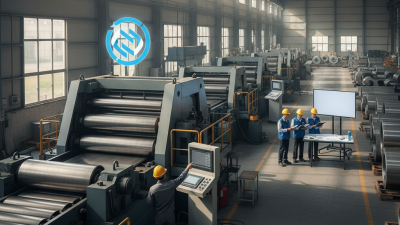
Roll forming equipment is a versatile tool that finds applications across various industries. It efficiently shapes metal sheets into desired profiles. This process is crucial in sectors like construction, automotive, and manufacturing. For the construction industry, roll forming provides cost-effective steel components for roofing, framing, and siding. In the automotive sector, it is used to create parts like door panels and structural components, enhancing the overall durability of vehicles.
Cold Forming Equipment enables manufacturers to produce high-quality, precision-crafted parts. This method reduces waste and minimizes the need for extensive machining. Industries benefit from enhanced productivity and efficiency when utilizing this technology. A well-designed roll forming line can adapt to various material types, catering to the specific needs of different projects.
Pay attention to the compatibility of materials. Not all metals respond the same way to roll forming. Testing different materials can reveal their strengths and weaknesses. Keep an eye on potential misalignment during production. This can lead to costly errors or product flaws. Regular maintenance is essential for optimal performance of your cold forming equipment. Regular inspections can help prevent unexpected downtimes.
Cost Efficiency and Production Speed of Roll Forming
Roll forming equipment plays a crucial role in enhancing cost efficiency and production speed. According to a report from the Manufacturing Association, companies utilizing roll forming technology can reduce material waste by up to 20%. This is primarily due to the continuous nature of the process, which shapes metal sheets into desired profiles without cutting them. The reduction in scrap material translates directly into significant cost savings for manufacturers.
In terms of production speed, roll forming can produce components at rates of 60 feet per minute or higher. This efficiency outpaces traditional fabrication methods. According to a study by the Metal Forming Institute, businesses noted up to a 30% increase in output when switching to roll forming. However, it's important to consider the initial setup costs. While amortized over time, these costs may still be a hurdle for some buyers.
Moreover, flexibility is a key benefit. Roll forming equipment allows for rapid changeovers between different profiles. This adaptability can lead to challenges in managing multiple product lines. Buyers must weigh the benefits against potential complexities in inventory management. The ongoing demand for tailored solutions can drive manufacturers to optimize their processes continuously.
Latest Innovations in Roll Forming Machinery and Techniques
In the world of manufacturing, innovations in roll forming machinery are transforming production processes. The latest advancements focus on increasing efficiency and accuracy. For instance, recent reports indicate that companies using modern roll forming equipment can reduce their operational costs by up to 30%. This improvement is largely due to better automation and integration with digital technologies.
Mechanical designs have evolved, leading to more versatile machines that can produce a wider range of profiles with minimal setup time. Studies show that machines featuring adjustable tooling can handle various material types, providing more flexibility for manufacturers. This adaptability is crucial, especially in industries requiring quick turnarounds and customized solutions.
However, not every innovation is flawless. Some users report challenges with integrating older systems with new technology. It raises questions about training and adaptation. The need for continual skill development in personnel has become evident. This reflection points toward the reality that while roll forming equipment is more efficient, the human factor remains essential in maximizing its potential.
With ongoing innovations, the industry will have to carefully balance technology and workforce readiness for optimal outcomes in metal forming processes.
Innovative Solutions for Efficient Production: The Integrated VCD & Fire Damper Frame Roll Forming Machine
The HVAC industry faces increasing pressures for efficiency and cost-effectiveness, prompting manufacturers to seek out innovative solutions for production. The integrated Liding VCD frame machine stands out as a groundbreaking development in this regard. By combining damper frame formation and flange rolling into a single operation, it eliminates the inefficiencies associated with traditional processes. This streamlined approach not only reduces production time but also minimizes the risk of misaligned components, ultimately enhancing overall productivity.
Data from recent industry reports indicate that manufacturers can expect to reduce labor costs by up to 25% when implementing integrated production solutions. The Liding VCD frame machine exemplifies this trend, featuring a rock-solid design with a 30mm thick side plate and a resilient welded table, ensuring longevity and reliability in demanding production environments. With the ability to operate seamlessly for decades, this machine represents a crucial investment for HVAC manufacturers looking to optimize their operations and enhance their competitive edge in a rapidly evolving market.
Furthermore, as sustainability becomes a critical concern within the industry, the reduction of waste through efficient material handling and production lines is more important than ever. The ability to minimize product transfer and excess handling not only cuts costs but also supports greener manufacturing practices. By adopting technologies like the integrated Liding VCD frame machine, HVAC manufacturers can achieve a more sustainable production process while maintaining high standards of quality and efficiency.
FAQS
: Roll forming equipment shapes metal into specific profiles. It is widely used in industries like construction and automotive.
Metal sheets are fed through rollers that gradually bend the material into the desired shape.
Different machines have varying capabilities. Choosing the right equipment affects quality and reduces waste.
Maintenance and operator training can affect production quality. Neglecting these can lead to defects.
Investing in training programs can boost operator skills and enhance production reliability.
Consider the support services offered. Ongoing assistance is vital for maintaining equipment performance.
It provides cost-effective steel components for roofing, framing, and siding, enhancing overall efficiency.
No, not all metals respond the same. Testing is crucial to identify strengths and weaknesses in materials.
Monitor for potential misalignment, as this can lead to costly errors or product flaws.
Regular inspections can prevent unexpected downtimes and ensure optimal equipment performance.
Conclusion
Roll Forming Equipment is a specialized machinery used to manufacture metal profiles by continuously shaping flat metal sheets through a series of rollers. This technology has evolved significantly since its inception, with advancements improving both efficiency and precision in the manufacturing process. The key components of roll forming systems include rollers, cutting tools, and driving mechanisms, which work together to produce a wide range of products.
The advantages of using Roll Forming Equipment are numerous, including increased production speed, cost efficiency, and the ability to create complex shapes with minimal waste. Industries such as construction, automotive, and appliances heavily rely on roll forming due to its versatility and scalability. Recent innovations in roll forming techniques have further enhanced productivity and sustainability, making it an attractive option for manufacturers looking to streamline operations and reduce costs. Overall, roll forming is a vital technology that continues to evolve, offering significant benefits to various sectors.