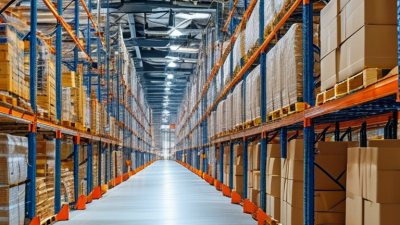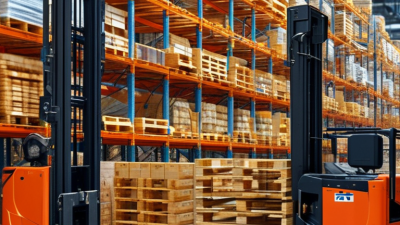
A Pallet Rack isn’t just some steel frame sitting next to the loading dock. It’s actually a thoughtfully designed storage system that makes good use of vertical space. Forklifts load palletized goods onto horizontal beams, and the upright frames help transfer the weight safely down to the floor. Each level needs to be able to handle its specific load, and having clear aisles makes life so much easier for operators—they can move around, turn, and grab products without unnecessary hassle or delays.
Gwynne Richards, author of Warehouse Management, emphasizes that the way you design your warehouse isn't just about storing stuff; it’s really about supporting the movement of goods. That’s why the setup of a Pallet Rack system starts with understanding the product sizes, pallet weights, how quickly items turn over, and what handling equipment is involved. For example, a busy beverage warehouse with lots of quick turnover might need wider aisles and lower levels for easier picking. On the other hand, a parts distributor might prefer a layout that maximizes density and allows selective access. Honestly, you can’t just copy a rack layout from one operation to another and expect it to work — every situation is different.
The key is, a good design is obvious when you pay attention to the details.
Take time to check the basics: upright columns should be straight and plumb, beam connectors need to lock into place properly, and any damaged frames should be isolated and inspected quickly. Also, don’t overlook things like the condition of the floor, sprinkler clearance, seismic risks, and how your inventory might change over time. All these factors can seriously impact safety and performance—even if the rack itself looks solid.
And here’s where it gets tricky: don’t make assumptions. A drawing might seem super efficient on paper, but in real life, it could create forklift congestion or slow down replenishment. A tall rack may boost storage capacity but might end up causing delays in restocking. So, good planning means combining manufacturer specs, skilled installers, documented inspections, and real-world data from your actual operation. After installing, it’s also smart to keep reviewing how the racks perform—things change, loads shift, people make mistakes. A well-designed system leaves room for learning and making improvements as you go. The goal is to keep your warehouse running smoothly and safely, no matter what changes come along.
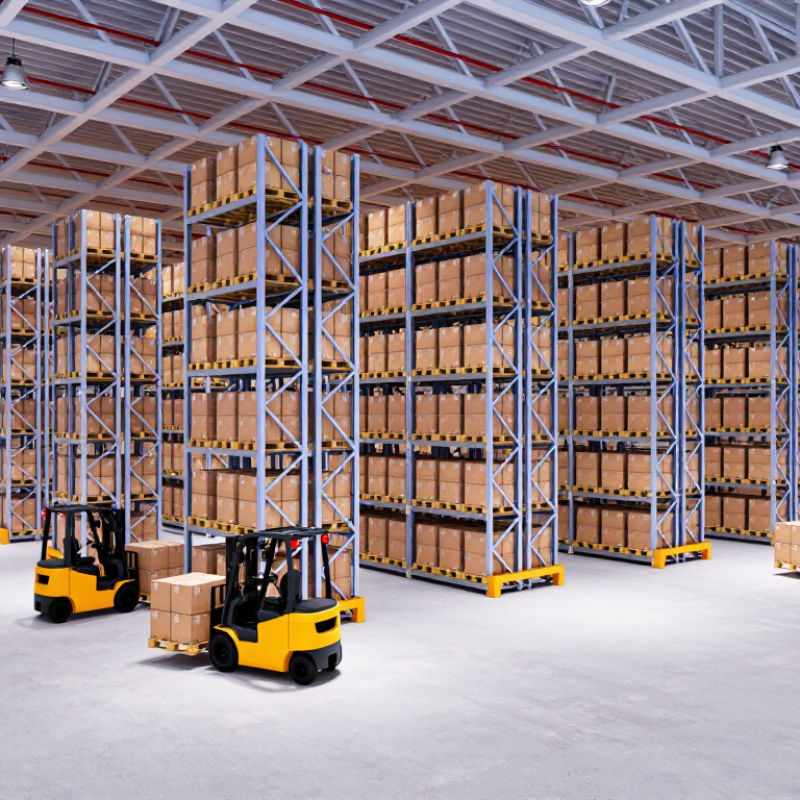
A pallet rack is a steel storage system designed to hold loaded pallets above the warehouse floor. Upright frames carry vertical loads, while horizontal beams support each pallet. Forklifts place pallets onto these beams, creating clear storage levels and wider walking aisles.
The system works through a simple load path. Weight moves from the pallet to the beams, then into the uprights and floor anchors. Each component needs a rated capacity. Beam length, pallet size, rack height, and forklift reach must match the operation. The 2024 MHI Annual Industry Report found that 55% of supply-chain professionals expect increased technology investment. That trend makes accurate rack data more important, especially when a Pallet Rack Machine helps produce consistent components. Still, automation cannot correct poor measurements or overloaded beams.
Tips: Check beam deflection, anchor condition, and upright damage during inspections. Keep load labels visible. Place heavier pallets on lower levels. OSHA 29 CFR 1910.176(b) requires stored materials to remain stable and secure. A practical detail matters: a bent upright near a busy aisle may worsen after repeated forklift contact. I have seen teams focus on capacity charts while ignoring floor unevenness. That is a mistake worth reconsidering. Rack design should follow real pallet weights, handling habits, and future inventory changes, not only a neat warehouse drawing.
What Is a Pallet Rack and How Does It Work?
A pallet rack is a steel storage system designed to hold palletized goods above the warehouse floor. Its main parts work together to carry weight safely and keep aisles accessible.
The upright frames are the vertical columns at each rack end. Horizontal beams connect these frames and support the pallets. Beam connectors lock into punched holes in the uprights, allowing storage levels to be adjusted. Diagonal and horizontal braces strengthen each frame against movement. Wire decking or pallet supports sit between the beams, helping distribute loads and prevent smaller items from falling. Floor anchors secure the rack, while column protectors reduce damage from forklifts. Load plaques show the approved capacity for each level. Details matter here.
Tips: Check beams, braces, and anchors during routine inspections. Look for bends, loose connections, missing pins, or damaged coatings. Never exceed the posted load rating. Pallets should sit evenly across both beams, with no unstable overhang. Keep aisles clear. Small errors can become serious problems.
A pallet is placed onto the beam-supported level, usually by forklift. The frame transfers weight downward through the uprights and anchors into the floor. This simple path depends on correct assembly and balanced loading. In practice, uneven pallets, floor movement, or unnoticed impact can change rack performance. A professional inspection is wise when damage or unusual movement appears. I have found that clean, visible labels often prevent careless loading, although labels alone cannot replace training.
A pallet rack is a steel storage system designed to hold palletized goods in horizontal rows and vertical levels. Forklifts place pallets onto load beams, while upright frames transfer the load to the floor. The dimensions and capacities below are common planning references; final specifications must be confirmed by a qualified rack designer and the applicable local safety standards.
| Rack Part | Primary Function | Typical Planning Dimensions | Typical Material or Rating | Important Considerations |
|---|---|---|---|---|
| Upright Frame | Provides the vertical structure and transfers stored loads to the floor. | Common heights: approximately 2.4–12 m; common depths: approximately 0.9–1.2 m. | Cold-formed or rolled structural steel; capacity depends on profile, height, bracing, and configuration. | Must remain plumb, properly anchored, and protected from forklift impact. |
| Load Beam | Supports pallets between two upright frames and creates each storage level. | Common lengths: approximately 1.8–3.7 m; beam elevations are adjusted to suit pallet height and clearance. | Formed or structural steel; level capacity often ranges from about 1,000–4,500 kg per pair, depending on design. | The rated capacity applies only to the specified span, connector, loading pattern, and beam orientation. |
| Beam-to-Frame Connector | Locks each beam into the upright frame and transfers forces between the beam and frame. | Connector geometry varies by rack system; beams are commonly installed at regular vertical increments. | Welded or bolted steel connector with a locking pin or safety device. | Every connector must be fully seated and secured; missing or damaged locking devices require immediate attention. |
| Base Plate | Distributes upright forces to the concrete floor and provides the anchoring point. | Often includes two or more anchor locations, depending on the frame design and seismic requirements. | Steel plate with mechanical or chemical concrete anchors. | Concrete strength, slab thickness, anchor type, and edge distances affect performance. |
| Bracing | Stabilizes the upright frame and resists vertical and horizontal movement. | Diagonal and horizontal members are arranged in braced panels along the frame height. | Steel angles, channels, tubes, or formed braces. | Bent, loose, or missing braces can reduce frame capacity and should be reported promptly. |
| Pallet Support Bar | Supports pallet decking when pallet boards do not safely span the beam spacing. | Usually installed across the beam pair beneath pallet runners; quantity depends on pallet type and load. | Steel channels or bars designed for the rack system. | Supports should be restrained against displacement and positioned consistently. |
| Wire Decking | Creates a stable shelf surface and helps prevent small items or damaged pallets from falling. | Panel widths commonly match the rack bay; common depths are approximately 0.9–1.2 m. | Welded steel wire mesh with support channels. | Deck capacity depends on support spacing, panel design, and whether the load is uniformly distributed. |
| Row Spacer | Maintains a fixed distance between back-to-back rack rows and improves overall stability. | Spacing is determined by the rack design, pallet overhang, fire protection, and operating conditions. | Steel tube, angle, or other structural member. | It is not intended to support pallets; required flue spaces must not be blocked. |
| Column Protector | Reduces damage to upright columns caused by forklifts and pallet-handling equipment. | Common heights range from approximately 0.3–1.2 m; placement depends on traffic and impact zones. | Steel, reinforced polymer, or impact-resistant composite. | Protectors supplement safe operating practices and do not replace inspection or damaged-part repair. |
| Pallet | Carries the goods and provides the load interface with the beams or supports. | Common footprint examples include approximately 1.0 × 1.2 m and 1.016 × 1.219 m, depending on region. | Wood, plastic, or composite construction; allowable load varies by pallet design and condition. | Pallets must be compatible with the rack depth, beam spacing, load weight, and handling method. |
| Step | Operating Action | Load Path or Safety Principle |
|---|---|---|
| 1. Positioning | A forklift approaches the selected rack bay with a pallet. | The aisle must provide adequate clearance for the forklift, pallet, and load height. |
| 2. Placement | The pallet is placed evenly on the designated load beams or support structure. | The pallet must have sufficient bearing and must not be placed on damaged or incorrectly positioned components. |
| 3. Load Transfer | The pallet load transfers to the beams, then to the upright frames and base plates. | The floor slab and anchors ultimately resist the vertical and lateral forces. |
| 4. Retrieval | The forklift removes the pallet when it is needed for picking, replenishment, or shipment. | Operators should avoid sudden impacts, beam contact, overloading, and partial pallet placement. |
Pallet racks support stored goods by transferring weight through a simple structural path. Pallets rest on horizontal beams, while upright frames carry the load toward the floor. This arrangement keeps products elevated, visible, and accessible.
Pallet Rack Decking adds a stable surface between beams. It can support cartons, smaller containers, or pallets with weak bottoms. Steel panels, wire decks, and solid surfaces suit different storage conditions. The correct choice depends on pallet size, load weight, and required fire protection. Uneven loading can bend beams or shift the center of gravity. Heavy goods should stay on lower levels. Lighter cartons belong above them. Keep clearances around every pallet.
A reliable rack system needs more than strong components. Installers must verify beam ratings, upright alignment, floor condition, and anchor requirements. Operators should inspect damaged frames, loose connections, and missing safety pins before use. Small defects matter. A forklift impact may leave a post looking acceptable while reducing its capacity. Storage plans are rarely perfect, either. Product sizes change, and workers sometimes place loads outside marked positions. Regular inspections, clear labels, and trained handling help correct those practical gaps before stored goods become unstable.
A pallet rack is a steel storage structure that holds loaded pallets above the warehouse floor. Upright frames and horizontal beams create adjustable storage levels. Forklifts place pallets into these spaces and remove them when orders are ready. Beam height, pallet weight, aisle width, and ceiling clearance determine the rack’s safe configuration. Even a strong rack can perform poorly when these details are ignored.
Selective pallet racking is the most common type. It gives direct access to every pallet and supports fast inventory checks. Drive-in racking stores pallets on rails inside deep lanes, improving storage density but reducing product selectivity. Push-back racking uses wheeled carts, allowing several pallets to sit behind one another. Operators load from the front, while earlier pallets move forward during removal. Pallet flow racking uses rollers and gravity to support first-in, first-out movement, making it useful for dated goods. Double-deep systems increase capacity, although they require suitable forklifts and careful stock planning.
There is no perfect rack. A high-density design may slow picking. A highly accessible layout may consume more floor space. Warehouse assessments should examine beam deflection, upright damage, pallet condition, and clear travel paths. Load signs must match the actual configuration, not an old drawing. Small mistakes matter. Regular inspections, trained operators, and prompt repairs improve reliability. Still, rack selection should be reviewed when inventory, equipment, or workflow changes.
What Is a Pallet Rack and How Does It Work?
Loading and unloading pallet racks requires controlled movement, not speed. A forklift should approach squarely, with forks centered beneath the pallet. The operator raises the load only high enough to clear the beam. Then, the pallet enters the bay slowly and evenly. The rear edge should touch the support before the forks withdraw. Never push a pallet into place. That action can bend beams or damage Pallet Rack Uprights. In practical warehouse work, small impacts often become expensive structural problems.
Before loading, workers should check the pallet, rack label, beam locks, and floor condition. Heavier pallets belong on lower levels whenever possible. The load must remain stable, with its weight distributed across the deck. During unloading, the forklift should lift vertically and reverse without dragging the pallet. No person should stand beneath a raised load. OSHA identifies falling materials and powered industrial trucks as major warehousing hazards. The U.S. Bureau of Labor Statistics reported 22.2 fatal occupational injuries per 100,000 full-time workers in warehousing and storage in 2022. That figure deserves attention. A perfect procedure still fails when aisles are crowded or visibility is poor. Damaged uprights should be isolated immediately and inspected by a qualified professional, following applicable rack standards and site rules.
A pallet rack is a steel storage system that holds goods on horizontal beams. Upright frames transfer the load to the floor. Forklifts place pallets into selected levels. A Warehouse Pallet Rack Machine may produce rack components, but safe installation still depends on trained workers and verified designs.
Safety rules begin with load control. Never exceed the rack’s posted capacity. Keep pallets centered, stable, and fully supported by the beams. OSHA reports that powered industrial trucks cause about 35,000 serious injuries and 85 fatal injuries annually in the United States. Collisions can bend an upright, loosen an anchor, or hide damage behind stored cartons. Inspect racks regularly, especially after forklift impact. Remove damaged sections from service until a qualified person evaluates them. ANSI MH16.1 also emphasizes proper design, anchorage, and rated components. Local requirements may differ. Check them.
Tips: Use floor markings and visible capacity signs. Keep aisles clear. Train forklift operators before independent work. Report small dents immediately. A checklist helps, but it is not magic. Supervisors should record inspections, repairs, and recurring impacts. Workers should not climb beams or improvise repairs with wire, timber, or unapproved parts. Even careful teams miss details. A leaning frame deserves attention before the next pallet moves.
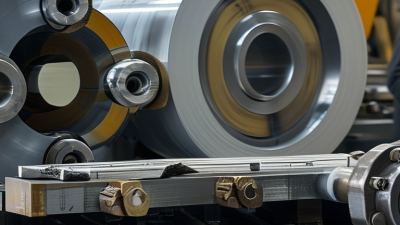
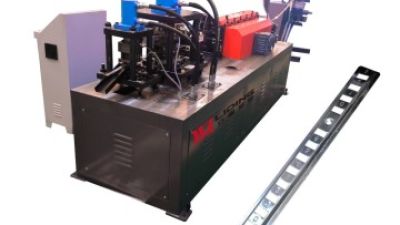
A China shelf roll storage racking machine is designed to form strong, uniform pallet rack uprights from steel coils through a continuous cold roll forming process. This entry-level model focuses on practical performance, with a simple structure, stable operation, reliable forming accuracy, and easy maintenance. It removes much of the manual work involved in producing shelf and warehouse racking components while maintaining consistent quality for different production requirements.
The machine is especially suitable for startups, small factories, and small to medium-sized shelf manufacturers that need to control investment while improving productivity. Its straightforward operation reduces training requirements, and its durable components help limit downtime and maintenance costs. By increasing production efficiency and reducing labor dependence, the equipment can support faster order fulfillment and may recover its investment within a relatively short period, depending on output and market demand.
When selecting a supplier, buyers should evaluate more than the initial price. Important factors include forming speed, material compatibility, dimensional accuracy, machine construction, electrical safety, installation support, spare-parts availability, and after-sales service. A qualified supplier should understand pallet rack upright production, provide clear technical specifications, and recommend a configuration that matches the factory’s available space, target capacity, and product designs. This type of racking machine can serve warehouse equipment producers, logistics solution manufacturers, storage system fabricators, and metal product workshops.
A pallet rack is a steel structure for storing loaded pallets above the warehouse floor. Upright frames support horizontal beams. Forklifts place pallets into adjustable storage levels.
Selective racks provide direct access to every pallet. Drive-in racks store pallets inside deep lanes. Push-back racks use carts for several pallets.
Review pallet weight, beam height, aisle width, ceiling clearance, and inventory movement. High density may slow picking. Easy access may require more floor space.
The forklift should approach squarely, with forks centered beneath the pallet. Raise the load only enough to clear the beam.
Workers should never push pallets into position. Impacts can bend beams or damage upright frames. Small dents may become serious structural problems.
Heavy pallets should stay on lower levels whenever possible. Their weight must remain stable and evenly distributed across the supporting beams.
Inspect the pallet, rack label, beam locks, floor condition, and travel path. Confirm that the posted capacity matches the actual rack configuration.
Stop using the damaged section immediately. Isolate it from traffic and stored loads. A qualified professional should inspect the damage.
Keep aisles clear and use visible floor markings. Train forklift operators before independent work. Record inspections, repairs, and repeated impact locations.
A Pallet Rack is a modular storage system designed to organize palletized goods vertically, helping warehouses use available floor space more efficiently. It typically includes upright frames, horizontal beams, connectors, base plates, and protective guards. The frames provide vertical support, while the beams hold pallets at different levels. Together, these components distribute the load and keep stored goods stable when the rack is correctly designed and used within its rated capacity.
Common pallet rack types include selective, drive-in, push-back, and flow configurations, each suited to different storage volumes and access needs. Goods are usually loaded and unloaded with forklifts or other approved handling equipment, following a planned aisle layout. Safe operation requires inspecting the rack regularly, keeping loads balanced and secure, avoiding overloaded or damaged components, maintaining clear aisles, and training workers in proper equipment use. Clear capacity labels and prompt repairs also help reduce the risk of falling goods, collisions, and structural failure.