Leave Your Message
0%

Picking out a beam rolling machine isn't just about going for the biggest capacity stated in the brochure. Instead, you should start by considering the specific sections you actually need to form. For context, the World Steel Association reported that in 2023, the global crude steel production hit a staggering 1.882 billion tonnes—wow, right? That gives you an idea of how massive the steel industry is, but it doesn’t tell you much about the demand for beam-rolling equipment. Still, it underscores why having accurate, consistent forming processes really matters in steel fabrication.

When you're choosing your machine, begin by jotting down all the details of your project. Think about the beam profiles, material grades, the direction of rolling, the minimum radius you need, and your expected production volume. Once you've got that, compare these with the machine’s capacity. Looking at a heavy-duty frame might seem reassuring, but don’t forget to also check roller geometry, drive power, how flexible it is to adjust, and how easy it is for your operator to get to the controls—those things really influence how well it performs.

If possible, ask your supplier to run a trial using your actual section. Keep an eye out for things like flange distortion, web buckling, or springback—you wanna catch small defects early because those can turn into costly rework down the line.

Don’t just rush into the decision either. A machine that works great with one profile might not do so well with another. So, check on the availability of tooling, how long setup takes, what kind of support the service team offers, and whether the stated capacity limits are realistic. It’s wise to ask for documented test results and to understand exactly what they cover. When it comes to quotes, ideally, you want something from a named specialist or a clear, traceable source. Since I don’t have any direct quotes here or verified details, I’d suggest treating any confident sales talk with a grain of salt—proof and evidence really matter more than just words.

In essence, take your time and do your homework. Choosing the right machine is all about matching it to your specific needs and assessing the quality of information carefully—you don’t want to end up with a costly mistake just because something looked good on paper.
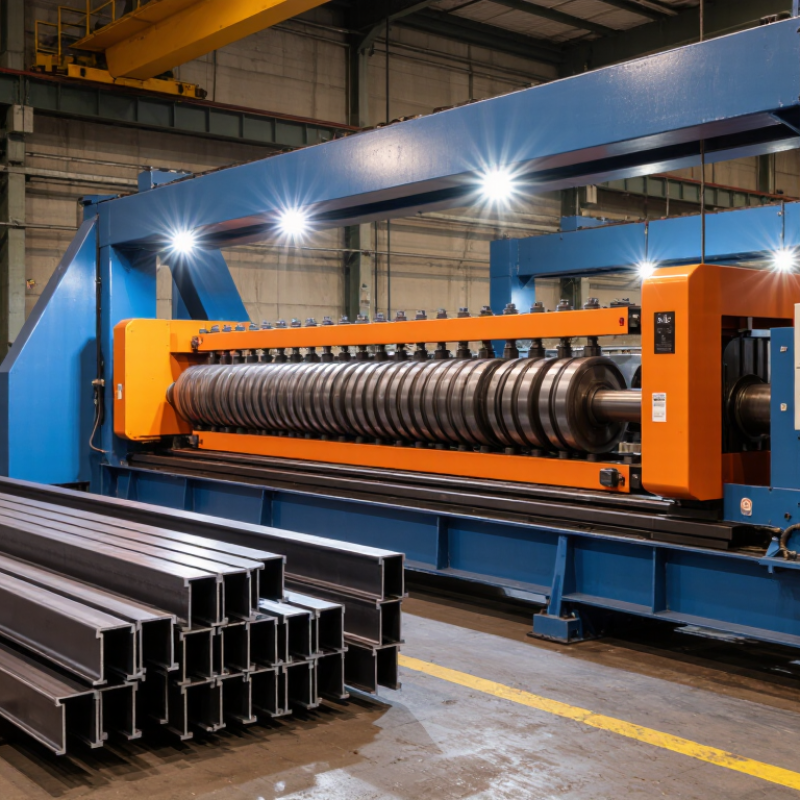
How to Choose a Beam Rolling Machine?

What a Beam Rolling Machine Does and How It Works

A beam rolling machine bends structural sections into curves for arches, circular frames, stair stringers, and other fabricated parts. Unlike a press brake, it forms a gradual radius by feeding a beam between contoured rolls. A Box Beam Machine uses tooling matched to the section, helping support its shape as the rolls apply pressure. The operator adjusts roll position and feed over several passes. Slow changes matter.

The process relies on controlled plastic deformation. As the beam moves, pressure from the rolls bends it beyond its elastic range; the metal then retains a curve, though some springback remains. Operators often make a test pass, measure the radius with a tape or template, and adjust the roll setting. Web orientation, flange thickness, material grade, and section size all affect the result. A tight radius can distort flanges or twist the beam, so “more pressure” is not a reliable shortcut.

The scale of steel fabrication is substantial: the World Steel Association reported 1,892.2 million tonnes of crude steel production worldwide in 2023 in World Steel in Figures 2024. That figure describes the broader steel industry, not beam-rolling machine sales. In practice, machine capacity charts and trial bends are more useful than broad market totals. Still, a clean curve can hide uneven strain. Check the profile at several points, not just at the ends.

Which Beam Profiles and Materials You Need to Roll

How to Choose a Beam Rolling Machine?

Which Beam Profiles and Materials You Need to Roll

Start with the exact profile, not just the machine’s advertised capacity. I-beams, H-beams, channels, and angle sections behave differently under pressure. Their flanges may twist or buckle if the rolls do not support them properly. A small sample piece can reveal problems that a drawing will not. Check the section height, flange width, and thickness, then confirm the machine can handle those dimensions with your required bend radius.

Material matters just as much. Carbon steel is common, while stainless steel and aluminum may need different settings because strength and springback vary. The same profile can require more force when its material grade or wall thickness changes. Ask how the machine controls lateral movement and whether suitable tooling is available for your section. A Rack Beam Machine should be matched to the actual beam dimensions and material, rather than selected by name alone.

That detail is easy to overlook. I would not choose from a catalog photo alone; request a trial roll using representative stock when possible.

If your production mix is still changing, document that uncertainty before purchasing. It may save a costly rethink.

How to Calculate Required Rolling Capacity

How to Choose a Beam Rolling Machine?

How to Calculate Required Rolling Capacity

Start with the exact beam profile, steel grade, wall or flange thickness, and target inside radius. These details affect resistance to bending. The AISC Shapes Database provides section properties such as elastic and plastic section modulus for standard shapes. Use the property matching your beam, not a rough estimate based on weight alone. For a first check, bending moment at yield can be estimated as yield strength multiplied by elastic section modulus. For example, S355 steel with a 50 cm³ section modulus gives about 17.8 kN·m. EN 10025-2:2019 specifies a minimum 355 MPa yield strength for S355 products up to 16 mm thick; thicker products can have lower specified values. That matters.

This figure is not the machine’s required tonnage. Rolling force also depends on the desired radius, machine geometry, roll spacing, and number of passes. Ask for the machine’s rated capacity for your actual section and radius, then compare it with your calculated profile demand. A rating for a smaller angle or a larger radius may not transfer to a deep beam. Do not guess. Record the beam dimensions, material certificate values, and target radius before requesting a capacity check. For a Shelf Beam Machine, a short trial on a sample piece can reveal flange spread or springback that calculations miss. I would recheck the setup after the first pass; estimates are useful, but they are not the whole story.

Which Machine Configuration Fits Your Production Process

Choosing a beam rolling machine starts with the sections you actually run, not the largest beam in a catalogue. A three-roll configuration can suit gradual curves and varied radii; a four-roll setup can improve control when feeding and pre-bending are frequent. Check flange width, web depth, material grade, and minimum radius against the machine’s capacity chart. A nominal capacity alone can mislead.

World Steel Association’s World Steel in Figures 2024 reports 1,892.2 million tonnes of crude steel production in 2023. That scale reflects a broad range of materials, not a universal machine specification. Match roll arrangement and drive capacity to your own mix: occasional light sections may not justify a heavy-duty line, while thick flanges and repeat orders need dependable torque and controlled alignment. The IEA’s Iron and Steel Technology Roadmap estimates the sector produced about 2.6 gigatonnes of CO₂ in 2019; this is not a machine-level energy figure, but it makes motor efficiency worth checking alongside throughput. Ask suppliers for trial bends using your actual section and target radius. Measure springback, twist, and setup time. One awkward detail: shop-floor variability can make a technically correct selection feel wrong. Keep that in the trial record.

What Controls, Tooling, and Safety Features to Check

When evaluating a Beam Forming Machine, look closely at its controls during a realistic setup. The operator should be able to adjust roll speed, feed direction, and pressure without guessing. Clear labels and visible settings matter when handling long, heavy beams. If the panel is difficult to reach, routine adjustments may become awkward. Test them.

Check whether the machine offers repeatable settings for common profiles. A digital readout can help, but it is only useful if operators can understand and verify it. Review the tooling range, roll diameter, and adjustment method against the beam sizes and materials you expect to process. Ask how quickly rolls can be changed and aligned. Changing rolls takes time. I would also inspect a sample setup, since a brochure cannot reveal every alignment snag.

Safety features deserve a hands-on check. Confirm that guards cover pinch points and still allow necessary inspection. Emergency stops should be easy to reach from normal operating positions. Check how interlocks, foot pedals, and restart procedures work before production begins. Watch a complete start-and-stop cycle, not just a demonstration of the machine running. Small details matter. A clean control layout can still leave an operator reaching across moving material, so consider the actual workspace and handling routine.

How to Compare Costs, Service, and Supplier Support

How to Choose a Beam Rolling Machine?

How to Compare Costs, Service, and Supplier Support

A beam rolling machine’s price is only the visible part of its cost. Compare complete quotes, not just the machine price. Ask whether tooling, setup, delivery, commissioning, training, and spare parts are included. A low initial quote can shift costs into later purchases. Request a written breakdown, expected maintenance intervals, and consumable prices.

That matters.

Check capacity claims against your beam sizes, material grades, and production volume. A machine chosen from a brochure alone may disappoint.

Service is harder to compare than price. Ask who handles installation, how quickly technical questions are answered, and whether remote troubleshooting is available. Get response-time commitments in writing where possible.

Ask directly.

Find out what support remains after the warranty expires. Supplier support should include practical documentation, operator training, parts availability, and clear escalation contacts. If possible, speak with a user running similar work and ask about downtime, not just the buying experience.

I would not treat one positive reference as proof. It is only one view.

Compare two or three suppliers using the same checklist, and note unanswered questions. Some details will remain uncertain; record that uncertainty rather than hiding it in a neat score.

Choosing a Heavy-Duty Solar C Channel Machine for Reliable Industrial Production

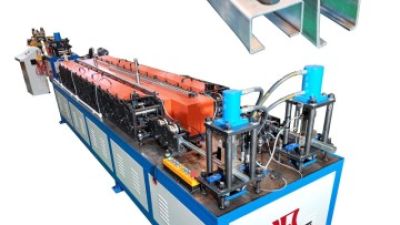
Choosing a heavy-duty solar C channel machine starts with understanding the demands of industrial production. Large solar projects require equipment that can process material consistently over long shifts, not just perform well during short production runs. A rigid 8-ton steel frame helps reduce vibration under load, while a 22 kW high-torque motor provides the power needed for steady forming. These features support reliable operation during continuous production and help limit interruptions caused by equipment strain.

Production flexibility matters too, especially when orders call for different profile specifications. A well-designed machine can switch between 4121 mm and 4141 mm profiles in about 10 minutes, helping manufacturers adapt without lengthy changeovers. Automatic punching as the material moves through the line can also improve consistency and reduce extra handling. When evaluating a machine, consider its structural strength, motor capacity, changeover time, and ability to maintain accurate forming and hole placement throughout extended production runs.

FAQS

Which beam dimensions should I check before choosing a rolling machine?

Check section height, flange width, and thickness. Then compare them with the required bend radius and machine capacity. A sample helps.

Do I-beams, H-beams, channels, and angle sections roll the same way?

No. Their flanges and webs respond differently under pressure. Poor support can cause twisting or buckling.

How does material affect the rolling process?

Carbon steel, stainless steel, and aluminum can require different settings. Strength, thickness, and springback all matter.

Should I choose a machine by its advertised maximum capacity?

Not by that figure alone. Match the capacity chart to your actual sections, material grades, and target radii. A catalog photo is not enough.

When might a three-roll configuration be suitable?

Three rolls can work well for gradual curves and varied radii. The right choice still depends on your sections and production needs.

What can a four-roll configuration offer?

It can provide better control when feeding and pre-bending happen often. Check whether that added control fits your actual workflow.

Why request a trial bend before purchasing?

Use representative stock and measure springback, twist, and setup time. Small sample pieces can reveal issues drawings miss.

What should I consider if my production mix may change?

Record the uncertainty and ask about suitable tooling and lateral-movement control. I would still review that plan later.

Is motor efficiency worth checking?

Yes. Compare efficiency alongside throughput and drive capacity. Industry energy figures do not predict one machine’s consumption.

Conclusion

Choosing a Beam Rolling Machine starts with understanding how it forms straight stock into curved beams through controlled pressure and adjustable rolls. First identify the beam profiles, dimensions, and materials you plan to process, since these determine the machine’s working range and tooling needs. Estimate the required rolling capacity by considering material strength, section size, desired curve, and production volume, then select a configuration that suits your workflow, available space, and handling equipment.

Compare machines not only by capacity, but also by setup flexibility, control options, tooling availability, and built-in safety features. Consider how easily operators can adjust settings and repeat results across production runs. Finally, evaluate the full cost of ownership, including installation, maintenance, training, spare parts, and supplier support. Matching these factors to your actual production requirements helps you choose a reliable machine without paying for capabilities you do not need.

Isabella

Isabella

Isabella is a dedicated marketing professional with a profound expertise in metal roll forming equipment. With an unwavering commitment to excellence, she plays a pivotal role in promoting her company’s innovative solutions tailored for the HVAC systems, building structures, and storage equipment......
Previous What Is a Pallet Rack and How Does It Work?