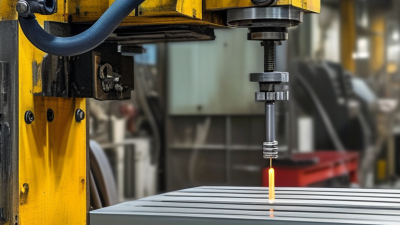
So, when you're on the hunt for a Duct Cutting Machine, it can get pretty overwhelming with all the options out there. Companies from all over the world are rolling out new designs and features all the time. Honestly, each machine has its own unique perks, but not every one of them is gonna be the perfect fit for what you're actually working on.
Picking the right machine really boils down to a few key things like quality and how well it performs. Different jobs need different capabilities — stuff like how fast it cuts, the size limits, and whether it can handle the materials you're using. Getting a good sense of these factors can really make a difference in choosing the right gear. For example, some machines might be super precise but not so speedy, while others could be great for moving around but might not last long.
If you’re shopping globally, you’ll probably lean towards trusted brands like XYZ Tech or ABC Industries. It’s super helpful to read reviews or hear what experts are saying. Having a good grasp of the current market scene can really help you make smarter decisions. And hey, reflecting on your past experiences with similar equipment can save you from making common mistakes. Ultimately, picking the right Duct Cutting Machine isn’t just about buying the fanciest one — it’s about finding the one that boosts your efficiency and gets the job done smoothly across different projects.
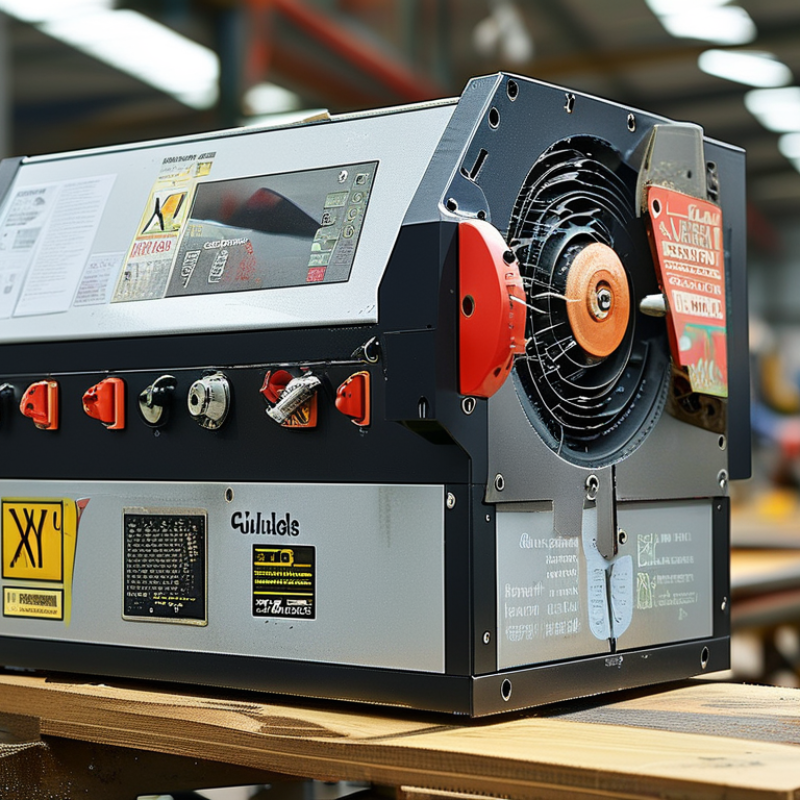
Understanding Duct Cutting Machines: A Comprehensive Overview
Duct cutting machines are essential in various industries, especially HVAC and construction. They offer precision and efficiency, crucial for modern operations. These machines help in minimizing waste and reducing labor costs. Users can choose from various types based on their specific needs and material types.
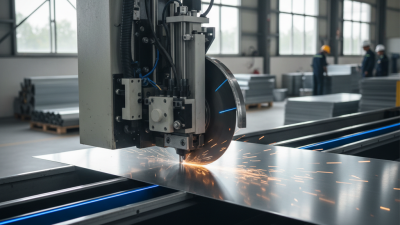
Understanding the mechanics of these machines is vital. Most duct cutting machines operate using different technologies such as laser cutting or high-speed blades. Each type has unique advantages and limitations. For example, laser cutting provides cleaner edges but can be more expensive. Mechanical methods are often more cost-effective but can produce rougher cuts.
Choosing the right machine requires careful consideration. Factors like material thickness and cutting speed are important. It's also essential to think about maintenance needs. Some machines need regular upkeep, while others are more user-friendly. Buyers should weigh their options and assess their exact requirements before making a decision.
Key Features to Consider in Duct Cutting Machines
When selecting a duct Cutting Machine, focus on key features that enhance performance and reliability. One critical feature is cutting precision. The best machines offer tight tolerances, ensuring accurate cuts. Manufacturing reports suggest that cutting accuracy can improve installation efficiency by up to 30%. This factor can significantly reduce material waste, benefiting both budget and time.
Material compatibility is also vital. A versatile cutting machine should handle various materials like metal, plastic, and composite. This adaptability ensures you’re ready for diverse projects. Data from industry studies indicate that machines with broader material capabilities increase user satisfaction by 25%. However, this flexibility might come with a learning curve for new users.
Tips: Check reviews and user feedback on machine performance. This insight can highlight common problems or benefits. Regular maintenance is essential to keep your cutting machine in top shape. Neglect can lead to decreased performance over time. Always assess warranty options as a safety net for investment. Keeping these aspects in mind can enhance your purchasing experience and operational efficiency.
Types of Duct Cutting Machines Available on the Market
Duct cutting machines come in various types, serving different needs in manufacturing and construction. The most common types include automatic and manual machines, each designed for specific tasks. Automatic machines offer efficiency and speed, making them ideal for large-scale production. Manual machines, on the other hand, provide flexibility, suitable for smaller or specialized projects.
A notable type is the Laser Cutting Machine, which uses focused lasers for precise cutting. This technology ensures clean edges and minimizes material waste. However, it requires regular maintenance and skilled operators to optimize performance. Users must also consider the initial investment, which can be significant.
There are also plasma and guillotine cutting machines. Plasma cutters are well-known for their versatility, capable of cutting various materials. Guillotine machines, while less modern, provide reliable and straightforward operations for sheet metal. Each option has its advantages, but choosing the right one demands careful consideration of project scope and budget constraints.
Top Brands of Duct Cutting Machines for Global Buyers
When exploring duct cutting machines, various brands stand out for their reliability and performance in the market. The global demand for duct cutting solutions has surged, driven by the HVAC and construction industries. According to industry analysis, the duct cutting machine market is projected to grow at a CAGR of 8.5% through 2027. This growth reflects the increasing need for efficient and precise manufacturing processes.
Top brands focus on durability and innovation. The best machines often feature advanced technology like Cutting Machine Laser systems. These offer accuracy and speed, enhancing production efficiency. While many machines boast high-performance claims, it’s essential to evaluate their actual capabilities through user reviews and case studies. Many buyers report that a machine’s ease of use and maintenance significantly affects their long-term satisfaction.
**Tip:** Always check for after-sales service. A responsive support system can save you time and money in the long run.
Another key consideration is the machine's adaptability. Different projects may require various cutting techniques. Some machines may not perform well across all materials. Investigating these factors helps avoid potential issues and unexpected costs.
**Tip:** Testing a machine before purchase can provide valuable insights into its suitability for your specific needs.
Comparative Analysis: Manual vs. Automated Duct Cutting Machines
When choosing duct cutting machines, buyers often face a critical decision: manual versus automated systems.
Manual machines require skilled operators to deliver precision cuts. This approach typically has lower upfront costs but can lead to inefficiencies. Experts suggest that around 25% of work hours are often underutilized due to manual operation fatigue.
Automated machines offer consistency and speed. Reports indicate that automated systems can increase production speed by up to 50%. They minimize human error, which can be costly. However, these machines come with higher initial investments and require regular maintenance.
A study by the Sheet Metal and Air Conditioning Contractors' National Association (SMACNA) indicated that maintenance costs can account for 10% of an automated machine's total expenses.
Both options have their merits and drawbacks. Manual machines allow greater operator flexibility. Yet, their scalability is limited. Automated machines provide rapid results but can lead to a reliance on technology. Balancing these factors is essential for long-term success in the duct cutting industry.
Cost Factors and Budgeting for Duct Cutting Machinery
When considering the purchase of duct cutting machinery, budgeting is crucial. The costs can vary greatly based on features and technology. According to a market analysis by Fortune Business Insights, duct cutting machinery is projected to grow at a CAGR of 7.5% through 2025. This growth indicates a robust demand, which may influence pricing strategies. For many buyers, understanding these cost factors is vital in making informed decisions.
Maintenance costs should not be overlooked. Regular servicing can prevent extensive repairs. A report from MarketsandMarkets suggests that operational efficiency can be improved by 15% through timely maintenance. Additionally, it is essential to factor in any additional tools needed for operation. For instance, if you're considering a Flange Cutting Machine, be aware of the costs associated with additional attachments that enhance its versatility.
Tip: Always seek multiple quotes from suppliers to get a realistic understanding of the budget you'll need. Compare features to evaluate cost-effectiveness. Don't forget to include potential transportation costs, which can be significant.
Another point to consider is the potential for downtime. Delays during installation or setup can lead to financial losses. Understanding the machinery's compatibility with the existing systems is essential. Such compatibility issues might result in unplanned expenses or extended delays, which could hinder operations.
Maintenance Tips for Optimal Performance of Duct Cutting Machines
Maintenance of duct cutting machines is vital for ensuring optimal performance. A well-maintained machine can significantly enhance cutting accuracy and reduce material waste. Studies show that regular maintenance enhances equipment lifespan by 30-50%. To achieve this, operators should adhere to scheduled inspections. Checking blades for wear is crucial. Dull blades can lead to uneven cuts and increased energy consumption.
Cleaning the machine regularly is equally important. Dust and debris accumulate over time, affecting precision. This can result in costly rework and project delays. Facilities should implement a cleaning routine after each use. Utilizing appropriate lubricants on moving parts can also prevent premature wear. These simple steps improve reliability and performance levels.
Operators should also monitor machine performance metrics. Tracking cut quality over time helps identify issues early. Anomalies can indicate problems requiring immediate attention. Ignoring such signs may lead to bigger, costlier issues. A focused approach to maintenance will ultimately save time and resources. Regular assessments will keep production schedules on track, fostering efficiency in operations.
Top Duct Cutting Machine Options for Global Buyers
This chart represents the performance ratings of different duct cutting machines, which are crucial for global buyers looking for optimal options. The ratings range from 0 to 100, showcasing the efficiency and effectiveness of each machine.
Maximizing Warehouse Efficiency: Insights from Industry Reports on Affordable Pallet Rack Solutions for Small Factories
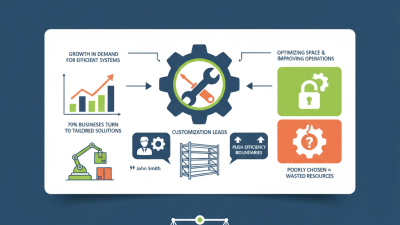
Maximizing warehouse efficiency is pivotal for small factories looking to stay competitive in today's fast-paced market. According to industry reports, about 20% of warehouse space is wasted due to inefficient racking systems, costing businesses significantly in operational expenses. Affordable pallet rack solutions have emerged as a viable answer for small and medium-sized enterprises aiming to optimize their space and streamline operations.
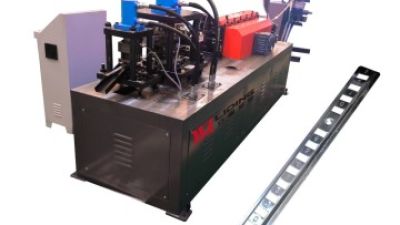
Our entry-level shelf racking machine, specifically designed for startups and small factories, addresses the common challenges faced by manufacturers seeking cost-effective solutions. Drawing on extensive industry knowledge, we focus on elements that enhance productivity without overwhelming users with unnecessary features. This straightforward setup allows businesses to replace manual labor effectively, leading to enhanced production efficiency and quality output. Reports indicate that automated solutions can improve production rates by up to 50%, highlighting the importance of investing in the right equipment.
Built with durability and ease of maintenance in mind, our cold roll forming machines provide a reliable path to creating high-quality pallet rack uprights consistently. The return on investment is swift, often seen in less than a year, making this machinery a smart choice for growing factories. In an environment where every square foot counts, adopting efficient pallet rack solutions becomes essential for maximizing warehouse space and optimizing overall operational efficiency.
FAQS
: Duct cutting machines come in automatic and manual types, each for different tasks.
Automatic machines offer speed and efficiency, ideal for large-scale production.
Manual machines are more flexible, suitable for smaller or specialized projects.
Laser cutting machines use focused lasers to create clean edges and reduce waste.
They require regular maintenance and skilled operators for optimal performance.
Plasma cutters are versatile and can cut different types of materials effectively.
Guillotine machines provide straightforward operations, mostly for sheet metal.
Different projects may need various cutting techniques, affecting machine performance.
Evaluate user reviews and case studies to gauge a machine's actual capabilities.
A good support system can help you save time and money in the long run.
Conclusion
Duct Cutting Machines are essential tools for efficiently shaping and sizing ductwork in various applications. Understanding the different types available and their key features can help buyers make informed decisions. Duct cutting machines vary from manual options to fully automated systems, each with distinct advantages depending on user needs and operational contexts.
When considering a Duct Cutting Machine, factors such as cost, maintenance, and optimal performance should be evaluated. Buyers must be mindful of their budget while also considering long-term maintenance requirements to ensure reliable operation. A thorough comparative analysis between manual and automated systems can provide insights into the best fit for specific projects, ultimately enhancing productivity and accuracy in ductwork installations.