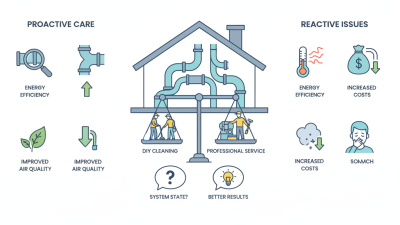
Picking the right ductwork equipment is really important when it comes to making your HVAC system work smoothly. I mean, according to ASHRAE, if your ductwork isn’t up to snuff, you could be losing around 20% of your energy efficiency — that’s a big deal! So, choosing the right materials and design isn’t just about specs; it actually helps improve how air moves through your space and makes it more comfortable overall.
When you're designing the ducts, you gotta think about things like how big your building is, its layout, and how much airflow you need. Some studies show that a good duct system cuts down on energy loss, which is a win-win. Companies like Johnson Controls also say that investing in good quality duct equipment can save you money in the long run and help keep your indoor air healthier.
Now, I get it—there are tons of options out there, and it can feel a bit overwhelming. Not every product is going to fit your specific situation perfectly. It’s a smart move to weigh factors like cost, durability of materials, and how complex installation will be. Chatting with industry pros can really help you figure out what’s best for your needs. In the end, choosing the right ductwork isn’t just a technical decision — it’s a step toward being more energy-efficient and environmentally friendly, which is pretty awesome.
Understanding the Basics of Ductwork Systems
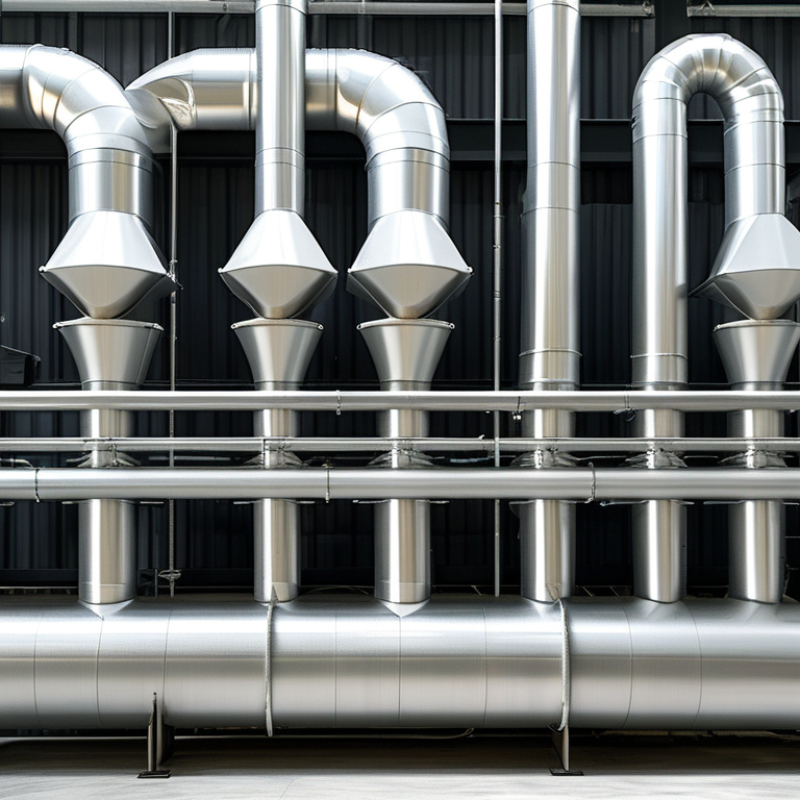
Ductwork systems play a vital role in heating and cooling your space. Understanding the basics of these systems can help you choose the right ductwork equipment. Ducts transport air, ensuring comfort and air quality. They come in various shapes and materials, such as flexible, rigid, and Gi Ductwork.
Effective ductwork should fit your building’s design and requirements. Measure the size of each room to determine necessary airflow. Consider the ducts' materials; Gi Ductwork offers durability and corrosion resistance. Assess your specific needs, whether it's for residential or commercial spaces.
Tips: Choose insulated ducts for energy efficiency. Look for local regulations regarding duct installations. Always consult an HVAC professional if unsure about your choices. Proper installation impacts performance significantly. Mistakes in sizing can lead to airflow issues and increased energy bills. Reflect on your goals when selecting equipment. This approach leads to better comfort and savings in the long run.
Types of Ductwork Materials and Their Applications
When selecting ductwork materials, understanding the types and their applications is crucial. Common materials include galvanized steel, aluminum, and flexible ducting. Galvanized steel is durable and resistant to corrosion, making it ideal for commercial spaces. It can handle higher pressure, often preferred for HVAC systems. According to the 2021 HVAC Report, over 55% of new installations utilize galvanized steel due to its longevity.
Aluminum ducting, while lighter, is also popular for residential systems. It's easier to install and manually handle. Homes with tight spaces often benefit from its flexibility. More importantly, aluminum resists corrosion as well, making it suitable for humid environments. However, it may not be suitable for all applications due to its less robust strength compared to steel.
Flexible ductwork offers a different set of advantages, being lightweight and easy to maneuver. It connects various components efficiently but lacks the structural integrity of metal options. This can lead to issues like air leakage if not installed correctly. Industry data suggests that improper installations increase energy costs by up to 30%. Therefore, it's crucial to evaluate the right type of ductwork equipment based on your specific needs and conditions. When incorporating Vcd Ductwork, ensure it aligns with your system's capacity and airflow requirements to optimize performance.
Factors to Consider When Selecting Ductwork Equipment
Choosing the right ductwork equipment is crucial for optimal HVAC performance. Several factors play a role in this decision-making process. One key aspect is the size of the ductwork. Incorrect sizing can lead to inefficiencies. According to the American Society of Heating, Refrigerating and Air-Conditioning Engineers (ASHRAE), up to 30% of energy use in HVAC systems can be attributed to improper duct design.
Material is another important consideration. Options like galvanized steel, aluminum, and fiberglass each have distinct advantages and disadvantages. For example, fiberglass ducts often provide superior insulation but can be more expensive. Conversely, galvanized steel is durable but can lead to higher heat loss.
Tip: Always consult industry guidelines or a professional before making a selection. They can provide insights based on real-world scenarios and your specific needs.
Airflow dynamics also matter. High-velocity systems require different duct materials and layouts compared to low-velocity ones. A comprehensive understanding of system requirements can drastically improve efficiency.
Tip: Gather data on existing energy consumption to identify areas for improvement. This will guide you in choosing compatible ductwork that minimizes energy waste.
Sizing Ductwork: Importance and Calculation Methods
When sizing ductwork, one key factor is airflow. Understanding CFM (cubic feet per minute) is essential. According to the Air Conditioning Contractors of America (ACCA), proper airflow can improve system efficiency by 20-30%. A calculation based on the square footage of the space and ceiling height will help determine the required duct size.
Consider the duct's shape and material as well. Round ducts are more efficient than square ones. However, square ducts can save space in tight areas. The choice of material also matters; for instance, galvanized steel provides durability but is heavier and more challenging to install.
Tips: Always account for elbow fittings and transitions in your calculations. They can reduce airflow significantly. Overlooked gaps can lead to air leakage—a common issue. Conducting a manual J calculation can pinpoint your needs accurately. Failing to size ducts correctly might lead to uncomfortable temperatures and higher energy bills. Prioritize an assessment of your specific space and needs before deciding.
Evaluating Energy Efficiency in Ductwork Choices
Evaluating energy efficiency in ductwork choices is crucial. According to the U.S. Department of Energy, poorly designed Air Ductwork can lead to energy losses of up to 30%. This not only increases utility bills but also negatively impacts comfort levels. Duct leakage is often an overlooked issue. It can sap your heating and cooling systems' efficiency, making timely inspections essential.
When selecting ductwork equipment, consider insulation values. The International Energy Conservation Code suggests R-6 insulation for ducts in attics. This standard can significantly improve energy efficiency by reducing heat transfer. Moreover, opting for materials with higher durability may prevent future leaks. For instance, metal ducts often outperform flexible ducts in longevity. Yet, installation quality matters greatly. A well-installed air ductwork system can function effectively, while a poorly installed one will waste energy.
There are various ductwork configurations, each with unique impacts on energy use. A shorter, more direct run can reduce friction loss and energy consumption. Conversely, complex layouts often lead to increased resistance, causing systems to work harder. Investing in a thoughtful design, along with regular maintenance, is key for achieving optimal energy efficiency. Tracking energy usage before and after ductwork installation can provide clear insights into performance improvements.
Maintenance and Installation Tips for Ductwork Systems
Proper installation and maintenance of ductwork systems are crucial for efficiency. According to the U.S. Department of Energy, about 20% to 30% of energy is wasted due to poor duct design or leaks. Ensuring that your Home Ductwork is installed correctly can prevent this significant energy loss. Regular inspections will help identify issues early, keeping your HVAC system running smoothly. Sealing and insulating ducts effectively are essential steps. Using the right materials can enhance performance and prolong lifespan.
When it comes to maintenance tips, cleaning is vital. Dust and debris can accumulate and restrict airflow. A study from the National Air Duct Cleaners Association found that regular cleaning can improve air quality and system efficiency by up to 50%. Homeowners should also check for signs of wear. If your ducts are older, they may need replacement. Don't overlook small issues, as they can escalate over time. Even minor leaks can lead to increased energy costs and reduced comfort. Ultimately, understanding your ductwork's needs can lead to more efficient home airflow.
How to Choose the Right Ductwork Equipment for Your Needs
This bar chart illustrates the importance of various factors when selecting ductwork equipment based on user preferences and priorities.
Common Mistakes to Avoid When Choosing Ductwork Equipment
When selecting ductwork equipment, many make critical errors that can cost time and money. One common mistake is ignoring the size of the duct system. According to the Air Conditioning Contractors of America (ACCA), improperly sized ducts can reduce system efficiency by up to 30%. Overly large ducts increase airflow but can result in higher energy costs. Conversely, undersized ducts can cause strain on the system and inadequate air distribution.
Another frequent misstep is neglecting material selection. Duct materials such as sheet metal, fiberglass, and flexible ducts each come with their pros and cons. A study by the American Society of Heating, Refrigerating and Air-Conditioning Engineers (ASHRAE) indicates that the wrong material choice can diminish air quality and efficiency. Therefore, it’s crucial to evaluate the specific needs of your space before making a decision.
Tips: Always consult with a professional to assess the unique requirements of your system. Take time to measure existing ducts accurately. Seek out recommendations from HVAC experts and ensure that you have the right configuration. Choosing the best ductwork equipment is not just about meeting immediate needs; it’s about planning for long-term efficiency and comfort.
How to Choose the Right Ductwork Equipment for Your Needs? - Common Mistakes to Avoid When Choosing Ductwork Equipment
| Ductwork Equipment Type |
Material |
Common Applications |
Energy Efficiency Rating |
Mistakes to Avoid |
| Flexible Ducts |
Polymer |
Residential HVAC Systems |
Varies |
Overstretching the duct |
| Sheet Metal Ducts |
Galvanized Steel |
Commercial Buildings |
High |
Choosing the wrong gauge |
| PVC Ducts |
Plastic |
Industrial Applications |
Medium |
Ignoring temperature limits |
| Insulated Ducts |
Fiber Glass |
HVAC Systems in Hot/Cool Areas |
Very High |
Not assessing insulation needs |
| Spiral Ducts |
Steel |
Ventilation Systems |
High |
Not opting for corrosion-resistant coating |
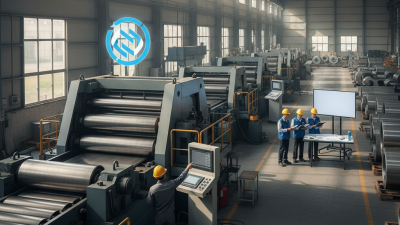
Enhancing Production Efficiency: Insights from Industry Reports on Heavy-Duty Solar C Channel Machines for Continuous Operations
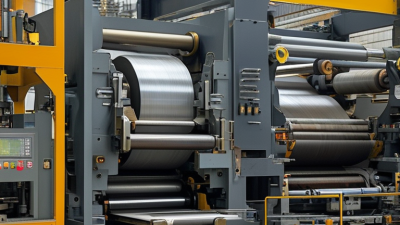
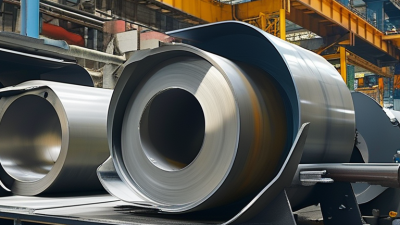
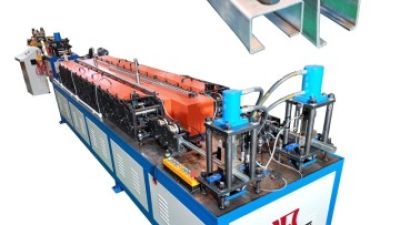
In the fast-evolving landscape of solar energy production, maintaining operational efficiency is paramount for manufacturers tackling large-scale projects. A heavy-duty solar C channel machine emerges as a pivotal solution, specifically engineered to meet the rigorous demands of continuous operations. With over 30 years of experience in developing cold roll forming equipment, this machine is designed to withstand the challenges posed by 24/7 production cycles that lighter counterparts simply cannot handle. The robust construction includes an 8-ton solid steel frame and a powerful 22KW high-torque motor, ensuring that industrial production remains uninterrupted, maximizing both yield and reliability.
Furthermore, this advanced machinery caters to the need for versatility and precision in solar manufacturing. It allows for swift profile changes between 4121mm and 4141mm in a mere 10 minutes, coupled with the capability to automatically punch all necessary mounting holes as materials pass through. This feature significantly reduces downtime and minimizes the likelihood of rework, empowering manufacturers to adhere strictly to project deadlines. The engineering behind this heavy-duty solar C channel machine is a testament to quality, ensuring that efficiency and productivity enhancements translate into a substantial return on investment for solar manufacturers aiming to thrive in a competitive market environment.
FAQS
: Common ductwork materials include galvanized steel, aluminum, and flexible ducting. Each has unique applications.
Galvanized steel is durable and corrosion-resistant. It's ideal for commercial spaces and handles higher pressure efficiently.
Aluminum ducting is lightweight and easier to handle. It is perfect for tight spaces and resists corrosion.
Flexible ductwork is lightweight but can lack structural integrity. Improper installation may lead to air leakage.
Incorrect duct sizing can cause inefficiencies, leading to up to 30% of wasted energy in HVAC systems.
Insulation helps reduce heat transfer. Higher R-values improve energy efficiency, minimizing energy waste.
Duct leakage is often overlooked and decreases efficiency. Regular inspections are important to address this problem.
A direct duct run reduces friction loss and energy consumption, while complex layouts increase resistance and energy needs.
Factors include duct size, material choice, airflow dynamics, and energy consumption data for informed decision-making.
Consulting professionals provides insights based on real-world scenarios. It ensures that the chosen system meets specific needs properly.
Conclusion
When selecting the right ductwork equipment, it's essential to understand the fundamental aspects of ductwork systems, including different materials and their specific applications. Various types of ductwork materials exist, each suited to particular environments and functions. Factors such as the intended use, efficiency, and compatibility with existing systems play crucial roles in the selection process.
Additionally, sizing ductwork is vital; proper calculations ensure optimal airflow and energy efficiency. Evaluating energy efficiency helps in making sustainable choices that can reduce operational costs. Maintenance and installation practices are also critical to prolong the lifespan of ductwork systems, while being aware of common mistakes can prevent costly errors during the selection process. By considering these elements, one can effectively choose the appropriate ductwork equipment that meets their needs.