As the construction world keeps changing, picking the right construction scaffolding becomes super important—both for keeping things safe and running smoothly. Honestly, with so many options out there, it can feel pretty overwhelming. You’ve got to think about stuff like what material it’s made of, how much weight it can hold, and of course, the price. But here’s the thing: not all scaffolding is created equal. Knowing the differences can seriously make or break your project’s success.
Let’s talk about the different materials you might consider. Steel, aluminum, and wood – they each have their own perks and quirks. Aluminum is great because it’s lightweight—super handy for quick setup—but it might not support the same heavy loads as steel does. Wood scaffolding? Yeah, it’s less common these days, but in some situations, it can give you solid support. Basically, every option needs a good look based on what your project needs.
Now, here’s where things can get tricky. New manufacturers are popping up all the time, and the quality isn’t always consistent. Well-known names like Layher or PERI tend to be more reliable, so going with them can give you some peace of mind. But don’t just go with the popular brand blindly—do your homework. Checking reviews, doing a little research—that stuff really matters. Figuring out the ins and outs of construction scaffolding isn’t always straightforward, but with the right info, you can make smarter choices for safer, more efficient projects.

2026 Construction Scaffolding Overview: Key Features and Benefits
The construction scaffolding industry is evolving rapidly, with a projected growth rate of 3.9% annually, according to industry reports. Key features of modern scaffolding options include modular designs, enhanced safety features, and lightweight materials. Effective scaffolding enhances productivity and safety at construction sites. Data shows that Construction Work can be up to 30% more efficient with the right scaffolding in place.
Safety remains a top priority in scaffolding. Reports indicate that over 60% of construction-related injuries are due to falls. Utilizing advanced scaffolding materials, such as aluminum and composite structures, minimizes these risks while providing robustness. Furthermore, proper installation guidelines and regular inspections are essential to avoid accidents. Scaffolding options that offer easy assembly and disassembly can also improve site workflow.
Cost-effectiveness can't be ignored in this industry. Scaffolding accounts for a significant percentage of total project costs, sometimes up to 20%. Yet, investing in innovative scaffolding solutions can lead to long-term savings. Looking at the investment into newer technologies can be daunting. However, the potential rewards—such as reduced labor costs and improved safety—are compelling for construction work projects.
Types of Scaffolding: Understanding Different Systems Available Globally
Scaffolding plays a crucial role in construction projects worldwide. Different systems cater to varied needs, ensuring safety and efficiency. The common types include frame, modular, and suspended scaffolding. Each has its advantages. For example, frame scaffolding is straightforward to set up and dismantle, while modular systems allow for more flexible configurations.
When selecting scaffolding, consider the project requirements. The height, weight capacity, and site conditions are vital. Using the wrong type can lead to safety hazards. Regular inspections and adherence to guidelines are essential. Scaffolding should be maintained in good condition to ensure reliability.
Safety standards are not uniform across the globe. Some regions may have stricter regulations than others. Research local guidelines before making decisions. Understanding these systems can help prevent future issues. Heightened awareness leads to better safety practices. Ultimately, it’s about protecting workers and completing projects efficiently.
2026 Best Construction Scaffolding Options for Global Buyers
| Type of Scaffolding |
Description |
Material |
Max Load Capacity |
Ideal Use Case |
| Frame Scaffolding |
A solid, modular system typically used for short-term projects. |
Steel/Aluminum |
1,000 kg |
Residential and commercial buildings |
| Suspended Scaffolding |
Allows workers to be suspended from the top, ideal for high-rise buildings. |
Steel |
500 kg |
Facade maintenance and window installations |
| Cantilever Scaffolding |
Projects out from the building, supporting from the outside. |
Steel |
800 kg |
Building repairs and inspections |
| Mobile Scaffolding |
A flexible and movable scaffold on wheels. |
Aluminum |
300 kg |
Indoor projects like painting and electrical work |
| System Scaffolding |
A highly adaptable scaffolding system with standardized components. |
Steel |
1,200 kg |
Large construction sites and industrial projects |
Safety Standards: Compliance Requirements for Scaffolding Equipment
Safety is paramount when it comes to scaffolding equipment. Compliance with safety standards ensures that workers stay protected while on the job. Various organizations outline specific requirements that scaffolding must meet. These include stability, load capacity, and proper materials. Companies need to understand these regulations to prevent accidents and liabilities.
Regular inspections of scaffolding equipment play a vital role in maintaining safety. Scaffolding should be checked for wear and tear, especially in high-use areas. Implementing a routine inspection schedule can identify potential hazards early. Workers must also receive thorough training on scaffolding setup and dismantling. This knowledge helps mitigate risks associated with poor practices.
Here are some tips to enhance scaffolding safety. First, always use the right scaffolding for the specific task. Steel Beam Construction can provide superior support and durability. Second, ensure that all equipment complies with local safety standards. Finally, secure scaffolding to prevent swaying or collapse. Awareness and adherence to these practices can greatly reduce accidents on-site.
Material Options: Comparing Steel, Aluminum, and Wood Scaffolding
When exploring scaffolding options, three primary materials come to mind: steel, aluminum, and wood. Each has distinct advantages and drawbacks. Steel scaffolding is known for its strength and durability. It can support heavy loads and withstand harsh conditions. However, it is heavier than alternatives and may require more effort to assemble and transport. A thorough understanding of the project scope is crucial to determine if steel will suit your needs.
Aluminum scaffolding is lighter, making it easier to handle. It resists rust and corrosion, which is a big plus for outdoor projects. Nonetheless, it may not support as heavy of a load as steel. This difference can impact safety if not accounted for. When choosing aluminum, consider the specific requirements of your construction site. The right choice can enhance efficiency significantly.
Wood scaffolding is another viable option. It's often less expensive and easy to customize. Its natural insulation can be useful in specific conditions. However, wood requires more maintenance to prevent decay. Remember to evaluate your local environment and project duration. Small factors can lead to greater challenges if overlooked. Each material serves its purpose, but careful planning is key.
Cost Analysis: Budget Considerations for Global Buyers
When considering scaffolding options for construction projects, cost analysis is crucial for global buyers. Factors such as material quality, application, and location affect overall expenses. Steel Framework Construction is often a preferred choice due to its durability and strength. However, initial costs can be higher than alternatives.
Budget considerations should include not just the purchase price but also maintenance and labor expenses. In some regions, transportation costs can be significant. Understanding these elements helps in making informed decisions.
Tips for managing budgets effectively include researching local suppliers who can offer competitive pricing. Seek out feedback from other buyers on their experiences with different materials. Always factor in potential unexpected costs and plan a contingency budget to avoid project delays. Remember, choosing affordable options shouldn’t compromise safety and quality.
Top Manufacturers: Leading Brands in Construction Scaffolding
When selecting scaffolding for construction projects, understanding the landscape of top manufacturers is crucial. Many reputable brands focus on quality and innovation. They offer various solutions that meet the specific needs of global buyers. Familiarity with these brands can ensure better safety and reliability at job sites. Each brand has unique features, and evaluating them will guide better purchasing decisions.
Always consider the type of scaffolding you need. Frame scaffolding is versatile, while system scaffolding provides greater stability. Remember, the construction environment can be unpredictable. Choose scaffolding that can adapt to different settings efficiently. It's not only about cost, but also about longevity and safety standards.
Prioritize research on manufacturer reviews and case studies. This can provide insights into efficiency and customer satisfaction. Engage with industry experts when necessary. You may find that some brands are better suited for specific applications than others.
Safety should never be compromised. Regular inspections and maintenance are vital for any scaffolding system. Sometimes, buyers overlook this aspect due to budget constraints. Be diligent in evaluating ongoing costs versus initial investments. Quality often saves more over time than chasing the lowest price.
Future Trends: Innovations in Scaffolding Technology for 2026
The scaffolding industry is set to witness considerable innovations by 2026. Emerging technologies are enhancing safety and efficiency. A recent industry report indicates that the global scaffolding market could reach $100 billion by 2026, driven by advancements in materials and design.
One crucial trend is the adoption of modular scaffolding systems. These systems allow for quicker assembly and disassembly. They reduce labor costs and improve site safety. Moreover, the integration of smart technologies, such as IoT devices, is gaining traction. These technologies assist in monitoring structural integrity in real-time, reducing accident rates. Yet, while these innovations are promising, they also pose challenges. Companies must invest in training to handle new technologies effectively.
Sustainability will also shape the future of scaffolding. Eco-friendly materials, such as recycled metals and biodegradable composites, are being explored. However, these materials often face scrutiny regarding durability and cost. Ensuring that they meet industry standards is essential. The balancing act between innovation and reliability will define the scaffolding landscape in 2026.
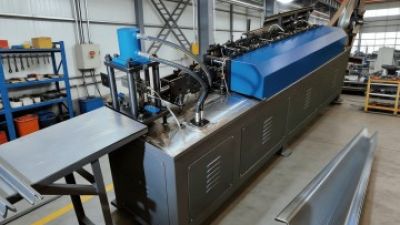
Innovative Construction with the China Liding LD-FW008 V-Type Steel Formwork Machine: A Cost-Effective Solution for Reliable Suppliers
In the ever-evolving construction industry, the need for efficient and sustainable building practices has never been more critical. Traditional formwork methods, such as single-use wooden forms, pose several challenges, including high costs and significant waste generation. Industry analyses indicate that nearly 30% of construction waste is attributed to traditional formwork systems, exacerbating financial strain on construction companies. Furthermore, labor-intensive fabrication of steel forms often leads to uneven surfaces and concrete leaks, which can delay project timelines and increase costs.
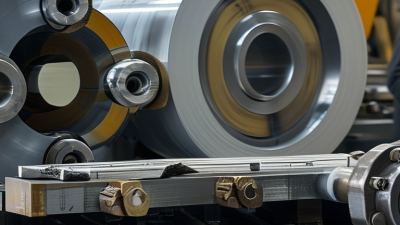
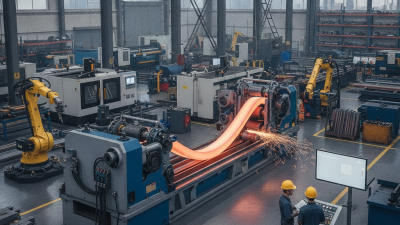
The introduction of innovative solutions like V-type steel formwork machines is transforming the landscape of construction. These machines streamline the process by converting raw steel coils into perfectly shaped, reusable formwork panels. By producing high-quality, dimensionally precise panels that can be reused over 50 times, construction projects can significantly reduce material costs. Studies suggest that employing such reusable formwork not only minimizes waste but also enhances operational efficiency, allowing construction companies to complete projects in a fraction of the time required by traditional methods.
Moreover, as industries continue to prioritize sustainable practices, adopting durable formwork solutions aligns with broader environmental goals. The impact of this shift is substantial—reports indicate that companies utilizing modern formwork technologies can cut their overall construction waste by up to 40%. This not only leads to cost savings but also contributes positively to the environment, showcasing the importance of investing in innovative construction technologies that meet the demands of a modern, responsible industry.
FAQS
: The scaffolding industry is expected to grow at a rate of 3.9% annually.
Over 60% of construction injuries are due to falls. Proper scaffolding reduces these risks.
Common types include frame, modular, and suspended scaffolding. Each serves different needs.
Effective scaffolding can make construction work up to 30% more efficient. Proper setup is key.
Consider the project height, weight capacity, and site conditions. The wrong choice can be dangerous.
No, safety standards vary globally. Local regulations must be researched before using scaffolding.
Advanced scaffolding often uses lightweight materials like aluminum and composites for robustness.
Scaffolding can account for 20% of project costs, but investing wisely can lead to long-term savings.
Regular inspections help ensure scaffolding is reliable and safe, preventing potential accidents.
Adopting new technologies can be daunting, but they may lead to reduced labor costs and improved safety.
Conclusion
The 2026 overview of construction scaffolding highlights essential features and benefits crucial for buyers worldwide. It delves into various types of scaffolding systems, providing insights into their unique applications and advantages. Safety standards are emphasized as paramount, ensuring compliance with regulations to promote worker safety. A comparative analysis of material options—steel, aluminum, and wood—helps buyers make informed decisions based on durability and weight considerations.
Cost analysis plays a vital role in the decision-making process, allowing global buyers to evaluate budget constraints relative to the type of scaffolding required. Additionally, the article discusses future trends in scaffolding technology, showcasing innovations poised to enhance efficiency and safety within the construction industry. Overall, understanding these facets of construction scaffolding equips buyers with the knowledge necessary to select the best options for their specific needs in 2026.