Leave Your Message
Explore our leading roll forming machines engineered for structural secondary load-bearing framing in prefabricated steel industrial factories — built for precision, speed, and durability.
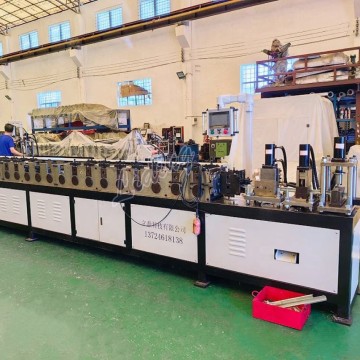
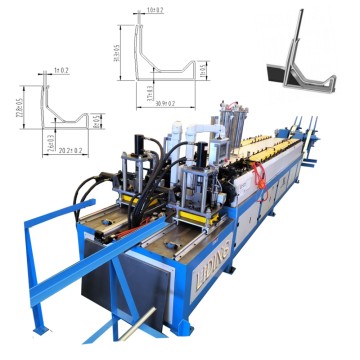
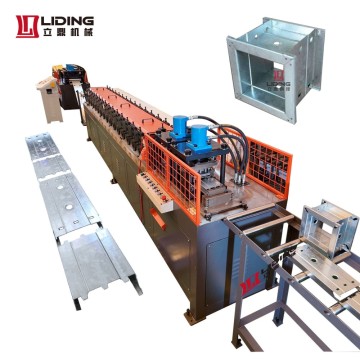
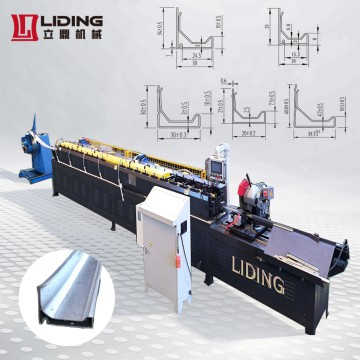
A beam rolling machine — also referred to as a beam roll forming machine or structural beam roll former — is a highly specialized piece of industrial equipment designed to continuously shape flat steel coil stock into precise, load-bearing structural profiles. In the context of prefabricated steel industrial factories, these machines are indispensable for producing the secondary structural framing members that support roof cladding, wall panels, flooring systems, and mezzanine decks.
Secondary load-bearing framing members — including purlins, girts, eave struts, ridge beams, and cold-formed C/Z sections — are the backbone of modern steel building envelopes. Unlike primary structural steel (columns and main rafters), secondary framing is typically manufactured from lighter-gauge cold-formed steel, making beam rolling machines the ideal production method due to their speed, dimensional accuracy, and material efficiency.
Key Insight: In a typical prefabricated steel industrial factory spanning 10,000 m², secondary framing members account for up to 35–45% of the total steel tonnage. Producing these in-house with a beam rolling machine can reduce procurement costs by 20–30% and cut lead times from weeks to hours.
Modern beam rolling machines operate through a series of precisely engineered roll stations — typically 12 to 24 forming passes — that progressively bend the steel strip into the desired cross-section. The process is entirely cold-formed, preserving the material's tensile strength while achieving tight dimensional tolerances essential for structural compliance. PLC-controlled servo systems enable automatic length cutting, hole punching, and profile switching, allowing manufacturers to produce multiple beam profiles on a single production line.
The global prefabricated steel building market has experienced remarkable growth over the past decade, driven by accelerating industrialization in Southeast Asia, the Middle East, Africa, and Eastern Europe. According to industry research, the global prefabricated steel structure market is projected to exceed USD 180 billion by 2030, with compound annual growth rates consistently above 6.5%. This expansion directly fuels demand for efficient beam rolling machine technology.
Industrial facilities — including logistics warehouses, manufacturing plants, aircraft hangars, cold storage facilities, and large-span agricultural buildings — increasingly adopt prefabricated steel framing systems because they offer faster construction timelines, lower labor costs, superior design flexibility, and excellent seismic performance. In each of these building types, secondary load-bearing framing produced by beam rolling machines plays a critical structural and economic role.
Contract steel fabricators, EPC contractors, and building component manufacturers are investing heavily in beam roll forming lines to vertically integrate their supply chains. Rather than sourcing secondary framing from third-party suppliers, forward-thinking manufacturers are bringing production in-house — achieving greater quality control, faster delivery, and higher profit margins per square meter of building envelope.
The beam roll forming industry is evolving rapidly. Here are the six most impactful trends shaping the future of secondary structural framing production.
Next-generation beam rolling machines integrate PLC/HMI control, servo-driven feeding systems, automatic tool changers, and IoT connectivity for real-time production monitoring, predictive maintenance, and remote diagnostics — enabling 24/7 unmanned operation.
Modular roll tooling systems allow a single machine to switch between C-purlin, Z-purlin, U-channel, hat section, and custom beam profiles in under 30 minutes — dramatically improving production flexibility for fabricators serving diverse project requirements.
Rising adoption of S550–S700 high-strength cold-formed steel and galvanized/Galvalume coatings is pushing machine manufacturers to develop hardened roll tooling and optimized forming sequences that handle advanced material grades without compromising dimensional accuracy.
Tapered beam and variable-depth purlin technology — once only achievable through press braking — is now possible with advanced CNC beam rolling machines featuring servo-controlled lateral roll adjustment, enabling optimized material distribution along the beam length.
Rapid infrastructure development across Sub-Saharan Africa, South Asia, and ASEAN nations is creating massive new demand for cost-effective prefabricated steel factory buildings — and the beam rolling machines that produce their secondary framing systems.
Manufacturers increasingly demand complete turnkey production lines — from decoiler and straightener through roll forming, punching, cutting, and bundling — rather than standalone machines. This systems integration approach maximizes throughput and minimizes floor space requirements.
From roof purlins to mezzanine beams, beam roll forming machines serve a wide spectrum of structural applications within prefabricated steel industrial facilities.
Z-purlins and C-purlins produced by beam rolling machines span between primary roof rafters to support roofing sheets. In large logistics warehouses (20,000–100,000 m²), thousands of linear meters of purlins are required per project — making in-house production with a high-speed roll former a critical cost-control measure.
Cold-formed C and Z girts produced on beam rolling machines provide lateral support for wall cladding panels between structural columns. Precise hole punching patterns for cladding fixings are integrated into the roll forming line, eliminating secondary fabrication operations.
Special-section eave struts — combining purlin and girt functions at the building eave — require complex multi-bend profiles that beam rolling machines produce with consistent accuracy. These members are critical for building envelope integrity and wind load resistance.
Multi-story industrial facilities and warehouse mezzanines utilize cold-formed hat sections and deep C-beams as floor joists and secondary beams. Beam rolling machines produce these to exact span requirements, enabling modular mezzanine systems that can be assembled and reconfigured without welding.
The booming industrial rooftop solar sector demands precision-formed aluminum and galvanized steel purlins and rails for PV panel mounting systems. Beam rolling machines configured for thin-gauge high-precision forming are increasingly deployed by solar mounting structure manufacturers.
Grain storage facilities, cold chain logistics centers, and greenhouse structures rely on lightweight cold-formed secondary framing to minimize foundation loads while maintaining structural integrity across wide spans. Beam rolling machines enable local production of these framing members in agricultural regions with limited steel supply chain infrastructure.
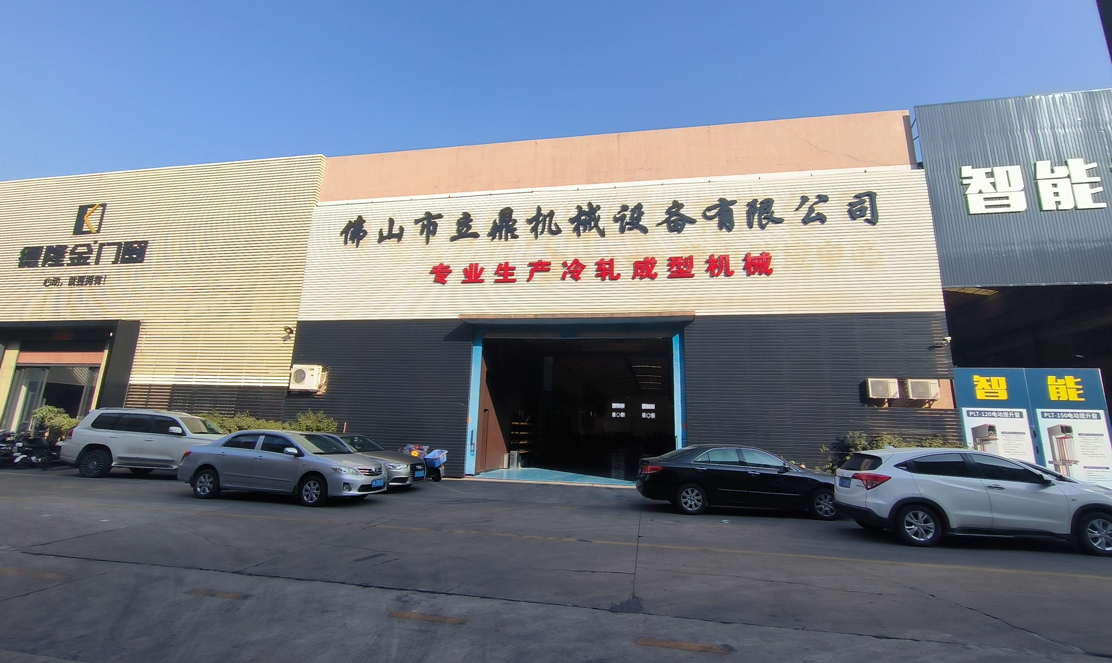
Foshan Liding Machinery Equipment Co., Ltd. was established in 2014, with a core technical team boasting over 25 years of experience in the cold-forming industry. We are a specialist manufacturer of metal roll forming equipment, dedicated to providing efficient, precise and reliable customised production line solutions for global HVAC systems, building structures and storage equipment sectors.
We are not merely a machine supplier — we are your strategic partner in product innovation and production efficiency enhancement. Our expertise in beam rolling machines for structural secondary load-bearing framing makes us the preferred choice for prefabricated steel factory builders worldwide.
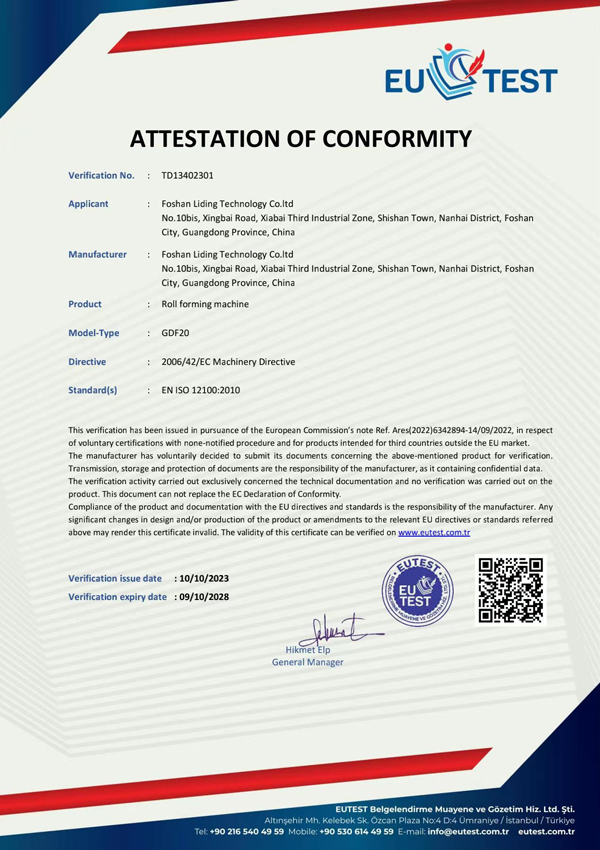
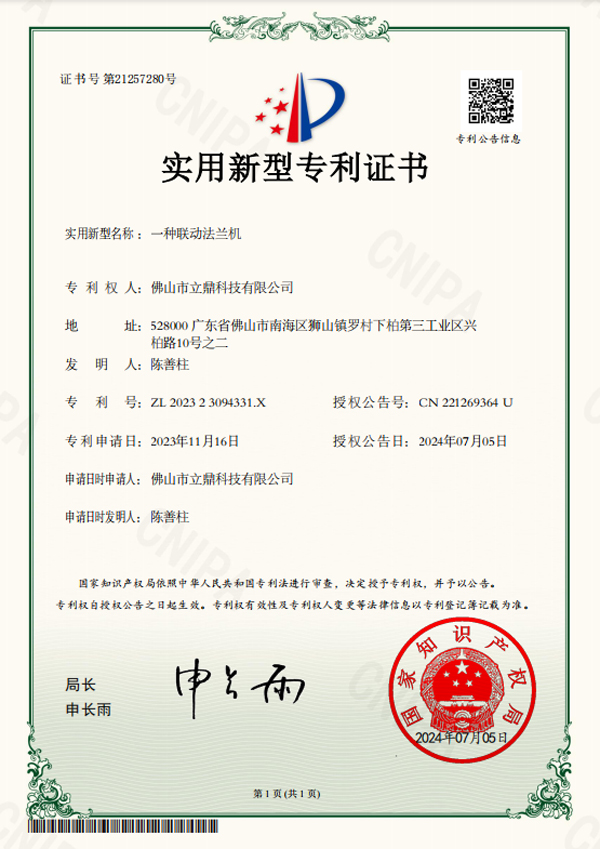
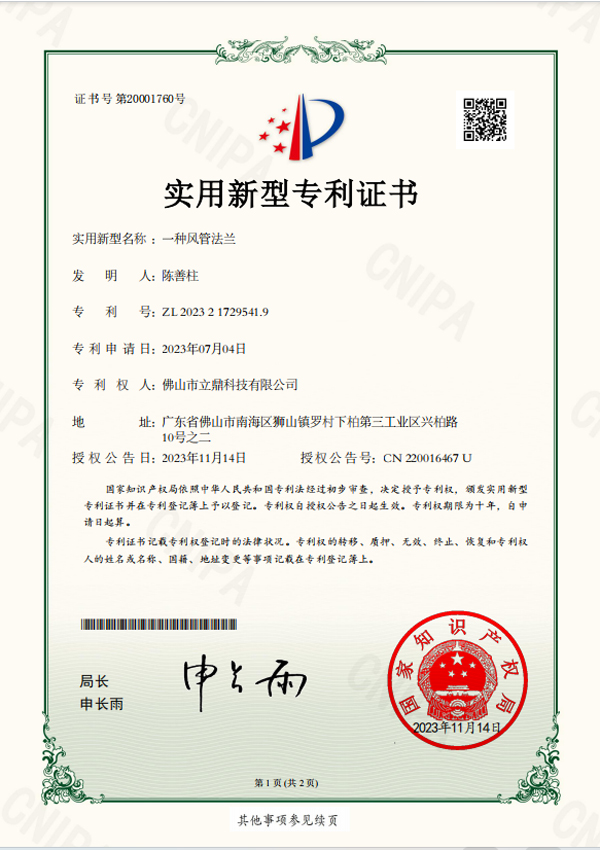
Our beam rolling machines and production processes are certified to international quality and safety standards, ensuring compliance for global export and industrial deployment.

Explore our complete range of roll forming machines for structural secondary load-bearing framing, industrial steel factory components, and related forming applications.