- Home
- About Us
- Products
- Solution
- Application
- News
- FAQ
- Contact Us
Leave Your Message
High-Performance Solutions Tailored for Prefabricated Factory Structural Air Duct Fabrication
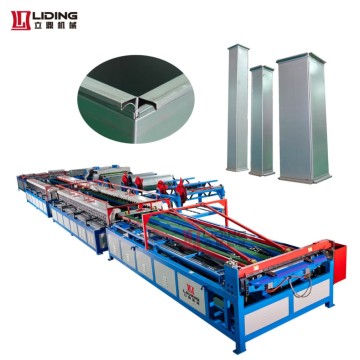
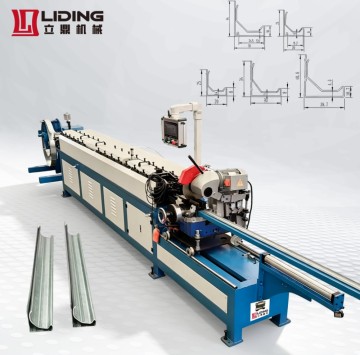
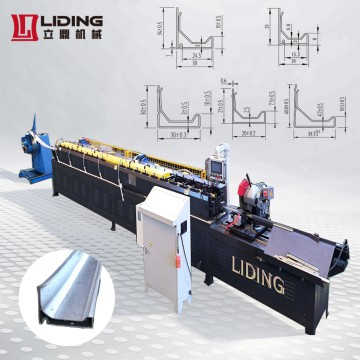
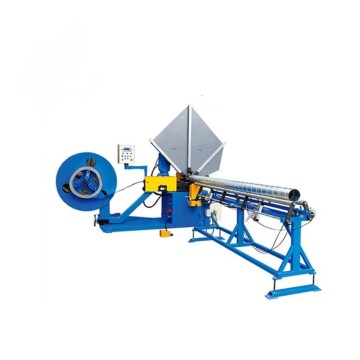
In modern industrial architecture, the design and construction of prefabricated steel factories have undergone a massive shift. Historically, structural engineering and building services (such as HVAC, electrical, and piping systems) were treated as entirely separate domains. Structural engineers designed the primary and secondary framing—such as columns, rafters, purlins, and girts—to withstand environmental and dead loads, while HVAC engineers suspended massive duct networks from these frames as dead loads. This traditional approach often led to redundant materials, increased structural weight, and extended construction timelines.
Today, the integration of structural secondary load-bearing framing with air duct tubes represents a major leap forward in prefabricated steel factory design. By utilizing the inherent stiffness and geometric strength of large-scale air duct tubes, structural designers can configure these conduits to double as secondary load-bearing framing elements. This hybrid approach optimizes spatial efficiency, reduces the carbon footprint of industrial steel structures, and accelerates the prefabrication process on-site.
Key Engineering Insight: By transforming traditional non-structural air ducts into load-bearing structural tubes, modern prefabricated steel factories can reduce auxiliary steel usage by up to 15% while improving seismic and torsional resistance across the entire building envelope.
The global demand for prefabricated steel industrial factories is surging, driven by the rapid expansion of e-commerce logistics hubs, advanced semiconductor cleanrooms, automotive gigafactories, and cold storage facilities. Speed of deployment and material cost optimization are the primary drivers in this highly competitive market. Traditional methods of hanging heavy HVAC systems from purlins require robust support structures, adding massive tonnage to the secondary steel framing.
By shifting to structural air duct tubes, industrial developers are realizing significant cost savings. The commercial status of this technology has transitioned from speculative architectural concepts to standard practice in high-performance green buildings. Leading engineering firms are now employing advanced Building Information Modeling (BIM) software to design multi-functional structural ducts that serve as girts or lateral braces, effectively carrying wind loads and supporting secondary utility lines. This dual-purpose utility is reshaping the supply chain for cold-formed steel profiles and roll forming machinery worldwide.
To function effectively as secondary load-bearing framing, air duct tubes must exhibit exceptional mechanical properties. Unlike standard HVAC ducting, which is designed primarily to handle internal air pressure and airflow dynamics, structural air duct tubes are engineered to withstand external axial loads, bending moments, and torsional forces. The geometry of the duct plays a critical role in its load-bearing capacity.
Spiral round ducts, formed via continuous cold-rolling processes, exhibit high torsional rigidity due to their continuous lockseams. The helical seam acts as an external reinforcing rib, significantly increasing the buckling resistance of the tube under axial compression. When these spiral tubes are integrated into the secondary framing of a steel factory, they can function as strut channels or compression members, stabilizing the main frames against lateral-torsional buckling.
On the other hand, square and rectangular air duct tubes offer flat surfaces that facilitate easy connection to the main steel structure. However, they are more susceptible to wall deformation under external loads. To overcome this, advanced roll forming lines produce square ducts with integrated stiffening ribs or specialized flange connections (such as TDC/TDF flanges). These flanges not only seal the duct for airtight HVAC performance but also act as structural stiffeners that transfer shear and bending forces between adjacent framing sections.
The application of structural air duct tubes is particularly advantageous in specific industrial environments:
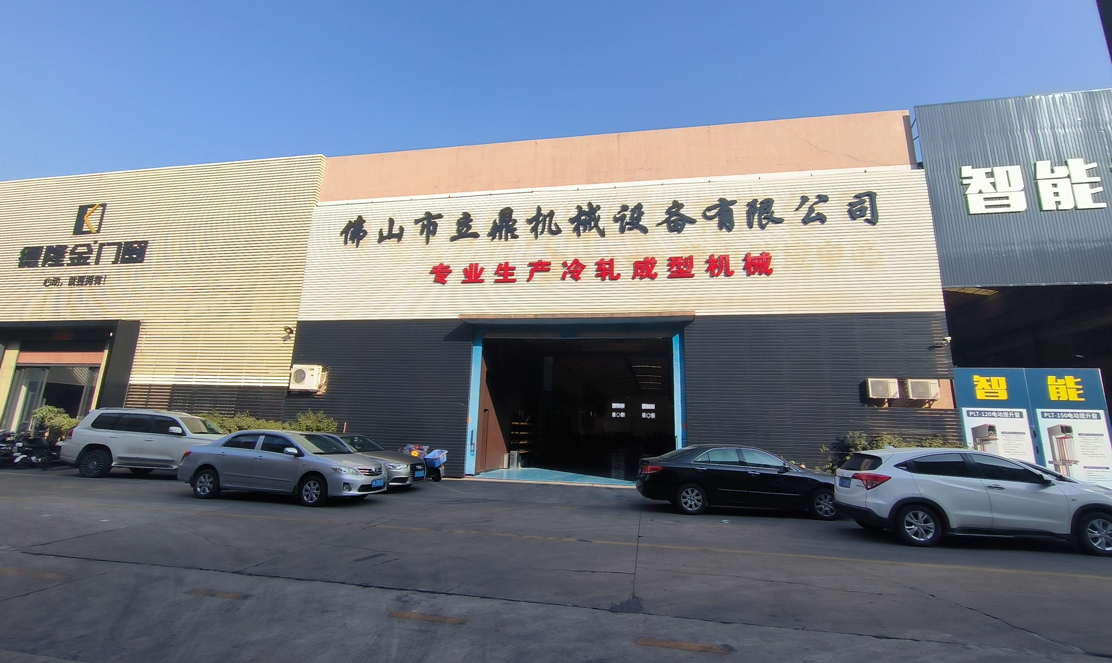
Liding Machinery – Core Technical Team with Over 30 Years of Cold-Forming Experience
Foshan Liding Machinery Equipment Co., Ltd. was established in 2014, with a core team boasting over 25 years of experience in the cold-forming industry. We are a specialist manufacturer of metal roll forming equipment, dedicated to providing efficient, precise, and reliable customized production line solutions for global HVAC systems, building structures, and storage equipment sectors.
We are not merely a machine supplier, but your strategic partner in product innovation and production efficiency enhancement. We design and manufacture high-precision cold-forming equipment covering:
Roll forming machines operating worldwide
Exporting to Southeast Asia, Middle East, Europe, Russia
Of our clients come back for additional lines
Average experience of our senior engineers (Years)
As the construction industry moves towards absolute digitization, the integration of BIM (Building Information Modeling) with automated roll forming machinery is becoming the standard. For structural air duct tubes, this means that design models created by structural and mechanical engineers can be exported directly to the factory floor. The roll forming machinery, equipped with advanced CNC controllers, can automatically adjust profile dimensions, punch connection holes at precise intervals, and cut the ducts to exact lengths required for the structural framing grid.
Furthermore, sustainability is driving the development of thinner, higher-strength steel alloys. By using high-yield-strength galvanized steel, manufacturers can produce lighter air duct tubes that still meet the structural load requirements of secondary framing. This reduction in material weight directly translates to lower transportation emissions and easier handling during the assembly of prefabricated steel factories.
The transition from standard ventilation ducting to load-bearing structural elements requires manufacturing equipment of the highest caliber. Any deviation in the profile geometry, wall thickness, or seam locking strength can compromise the structural integrity of the factory framing. This is where Liding Machinery’s expertise becomes critical. By employing high-precision roller designs and robust gearbox drives, our roll forming machines ensure that the physical properties of the cold-formed steel are preserved, preventing micro-cracking and ensuring uniform load distribution across the entire length of the structural duct tube.
Why Global Industrial Factory Developers Trust Liding Machinery
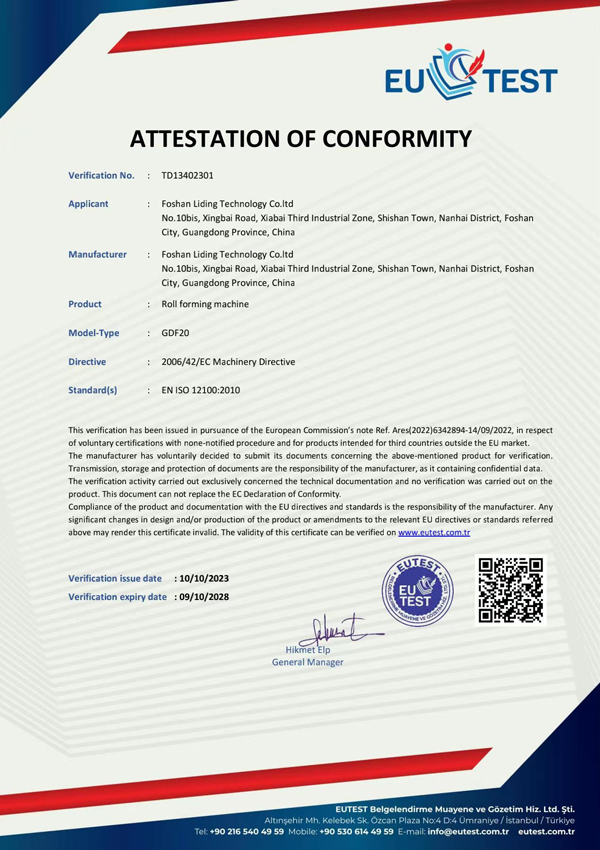
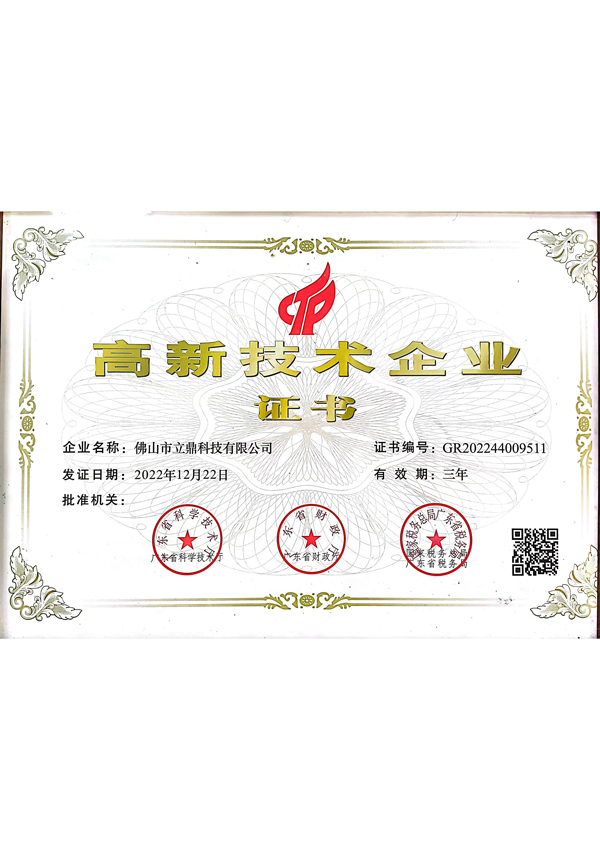
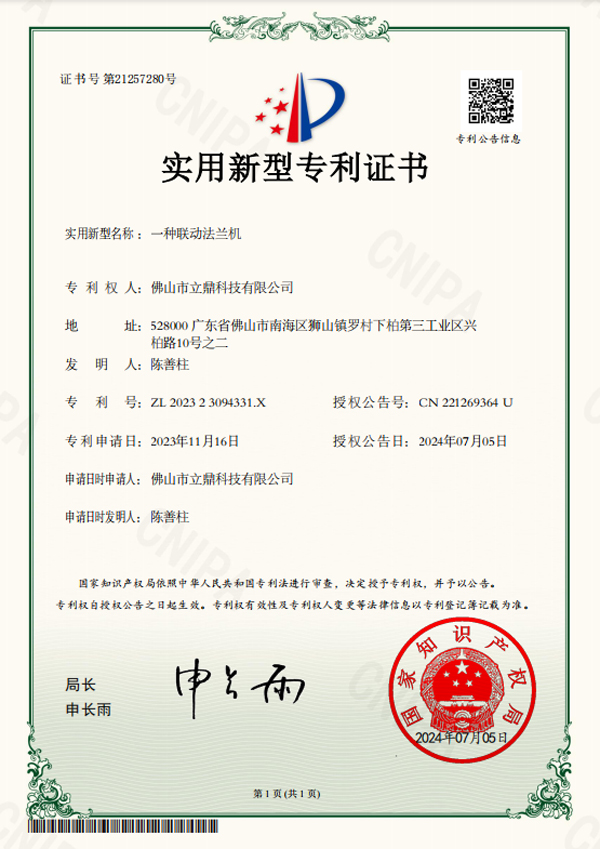
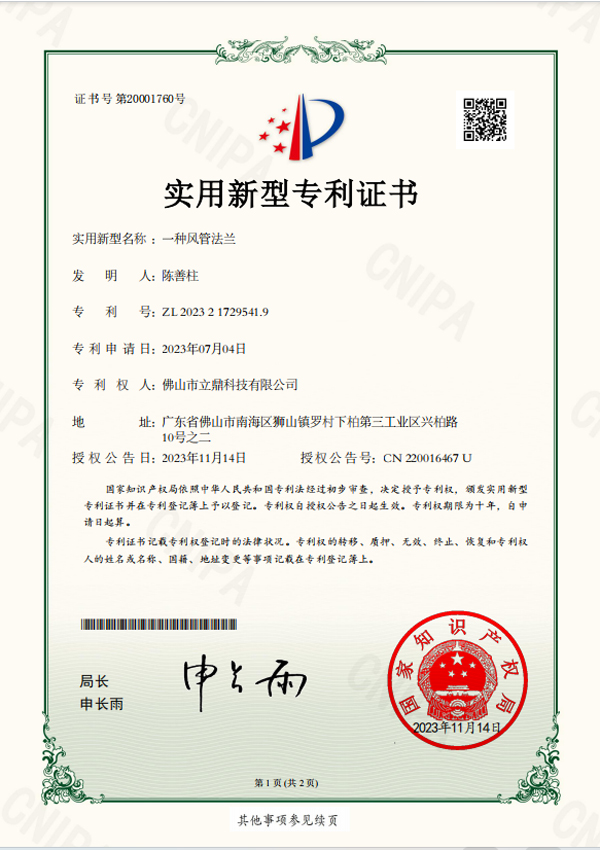
High-Precision Roll Forming Systems for Structural Framing & HVAC Duct Production