- Home
- About Us
- Products
- Solution
- Application
- News
- FAQ
- Contact Us
Leave Your Message
Deploying specialized duct fabrication equipment to manufacture rigid, zero-leakage, and fire-resistant ventilation conduits for underground rail transport and tunnel safety systems.
Ensuring rapid smoke stratification management, positive pressure ventilation, and thermal barrier integrity across multi-level subterranean transit hubs.
Underground subway stations represent one of the most demanding engineering environments for HVAC and emergency life safety systems. Characterized by enclosed subterranean civil structures, massive passenger throughput, and deep multi-tier station platforms, these infrastructures are highly vulnerable to fire hazards and airborne contaminants. In an emergency fire event, toxic smoke and heat represent over 80% of life-safety risks. The deployment of high-performance air duct tubes—manufactured with uncompromising mechanical precision—is the cornerstone of emergency smoke extraction (exhaust), stairwell pressurization, and continuous environmental air control.
Unlike standard commercial building HVAC networks, subway air duct systems must continuously endure severe aerodynamic pulsations induced by the piston effect of high-speed trains entering and exiting tunnels. These rapid cyclical pressure shifts (ranging from ±500 Pa to ±2500 Pa) exert severe cyclic fatigue stresses on duct walls, seam locks, and connection flanges. Air duct tubes for metro applications require exceptional transverse stiffness, heavy-gauge sheet metal integrity, and precision-rolled seam locks to prevent catastrophic seam separation or duct collapse during daily operation and critical emergency smoke purge modes.
Duct tubes must withstand continuous exhaust temperatures of 280°C for at least 1 hour (and up to 400°C for 2 hours) without structural failure, maintaining smoke pathway cross-sections open.
Compliance with SMACNA Class A/B leakage rates and EN 12101 standards ensures that emergency exhaust pressure is preserved directly from trackway zones to exhaust shafts.
Integrated roll-formed silencer boxes and plenum chambers mitigate severe high-velocity fan noise and aerodynamic whistling inside confined underground public station concourses.
Modern transit stations employ dual-mode ventilation designs where the same duct network (or coordinated parallel lines) operates in two radically distinct states:
How automated CNC cold-roll forming, prefabricated modular ductwork, and smart building analytics are transforming metro ventilation projects.
The global expansion of mega-city metro systems across Asia-Pacific, Europe, the Middle East, and the Americas has driven unprecedented demand for high-capacity, prefabricated ductwork. Urban rail infrastructure contractors are shifting away from traditional manual sheet metal fabrication toward fully automated CNC cold roll-forming lines. The key drivers shaping this industrial evolution include:
To reduce on-site labor in cramped underground construction shafts, contractors utilize precision roll-formed TDC/GDF and PDF3 integrated flange profiles. These factory-manufactured modular duct spools ensure 100% flange parallelism, eliminating air leakage gaps and reducing station installation schedules by up to 40%.
Underground subway humidity and subterranean water seepage introduce severe electrolytic and galvanic corrosion risks. Modern metro specifications demand duct forming lines capable of processing galvanized steel (Z275/Z350 coating), stainless steel (304/316L), and structural alu-zinc sheets up to 1.5mm–2.0mm thickness without flaking zinc coatings.
Subway air ducts span hundreds of meters across tunnel soffits and must withstand seismic tremors and ground vibrations caused by passing trains. Patented roll-formed seismic strut channels and unistrut support systems ensure heavy fire-rated ducts remain firmly anchored under dynamic shock loads.
Modern subway stations integrate motorized smoke fire dampers (SMFD) and precision-formed acoustic plenum silencer boxes directly into the duct runs. Roll-formed aerodynamic splitters reduce system static pressure loss, lowering the overall fan motor energy consumption by 15-22% annually.
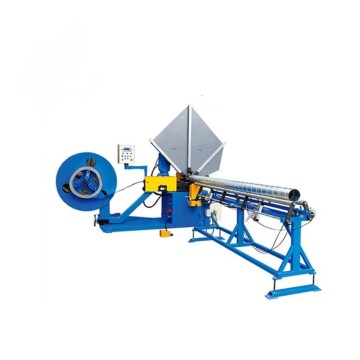
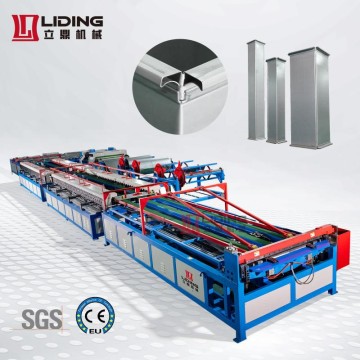
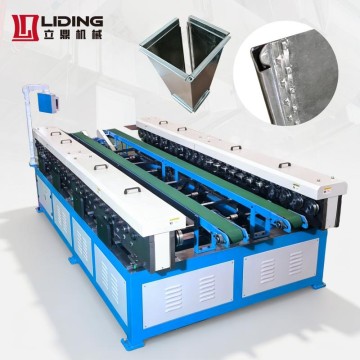
The structural rigidity of a spiral round duct or a rectangular TDC/PDF duct is fundamentally determined by the quality of its roll-formed seams. A poorly formed Pittsburgh lock or an uneven standing seam flange will fail under high-pressure smoke extraction surges. High-accuracy automated duct forming machinery—such as Liding Machinery's dedicated HVAC roll formers—ensures continuous, uniform cold-work deformation, delivering airtight seams with micron-level dimensional repeatability.
Tailored airflow and smoke evacuation architectures across platform levels, tunnel trackways, and critical technical vaults.
Located immediately above and below train berthing zones, TES/OTE air duct tubes extract massive thermal heat rejected by train air-conditioning condensers and dynamic braking resistors. During a train fire emergency within the station box, these heavy-duty ducts instantly switch to maximum extraction capacity to draw smoke directly at the source, preventing toxic fumes from spilling into the passenger boarding platform.
In multi-level underground stations (often 20 to 40 meters below grade), spiral round ducts and large-format rectangular duct tubes distribute conditioned fresh air evenly. Large aesthetic spiral duct runs with punched micro-nozzles provide laminar air flow, maintaining passenger comfort and preventing stagnant thermal pockets in dense crowds.
Emergency egress routes require high-pressure air supply ducts that pump 100% outdoor fresh air into escape stairwells and cross-passage tunnels between twin metro bores. The resulting positive pressure barrier prevents hot smoke and lethal carbon monoxide from infiltrating the escape paths used by evacuating passengers and incoming firefighters.
Subway ancillary substations house high-voltage transformers, inverters, and emergency UPS battery banks that produce substantial heat and potentially explosive hydrogen gases. Dedicated spark-proof, fire-isolated air duct tubes guarantee constant negative-pressure exhaust to maintain safe operational temperatures and prevent hazardous chemical accumulation.
A specialist manufacturer of high-precision metal cold-forming equipment, delivering end-to-end production line solutions for global HVAC, rail transit, and structural engineering sectors.
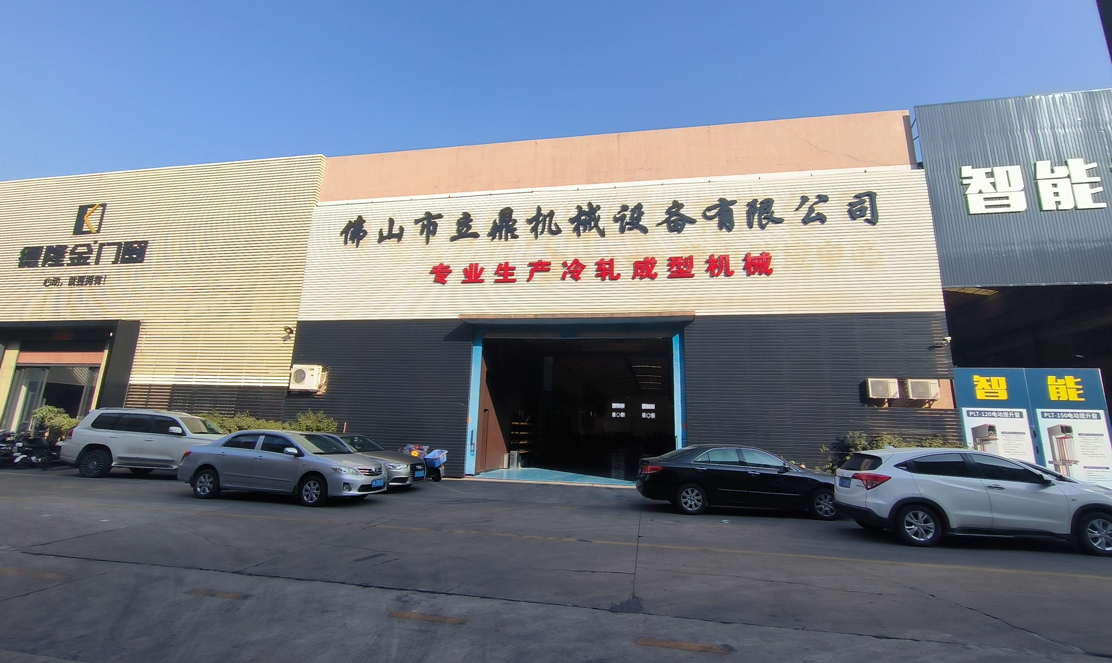
Foshan Liding Machinery Equipment Co., Ltd. was established in 2014, backed by a core technical engineering team with over 25 to 30 years of specialized experience in cold roll-forming technology. We design and manufacture high-precision, robust cold-forming lines that power mission-critical infrastructure projects globally.
We are not merely an equipment supplier; we are your strategic partner in optimizing production throughput, material yield, and finished duct quality. Whether you provide custom engineering blueprints or sample profiles, we engineer custom turn-key automated lines tailored to your target project standards.
Roll forming machines operating reliably worldwide
Export countries across SE Asia, Middle East, Europe & Russia
Client repurchase rate for additional production lines
Years average cold-forming experience of senior engineers
Delivering maximum equipment uptime, rapid tooling changeover, and dedicated lifecycle technical support.
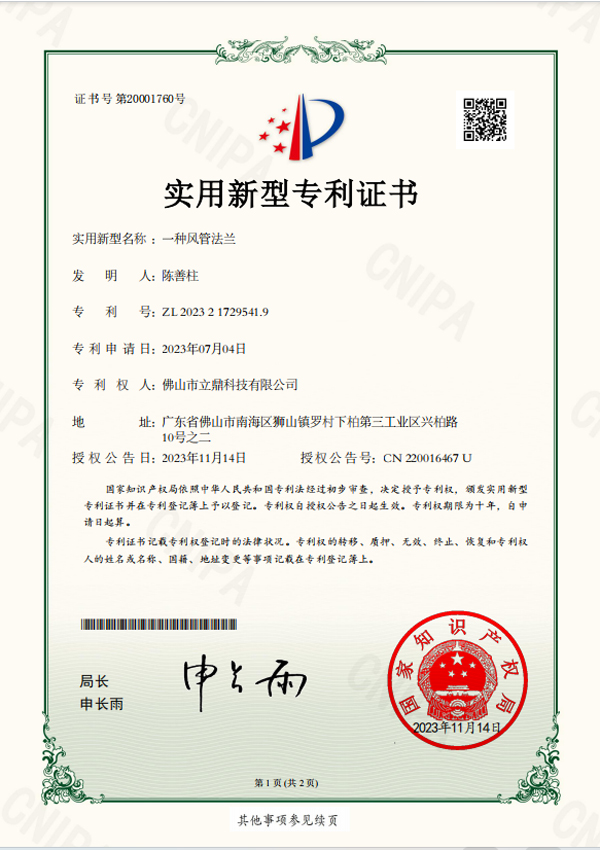
25+ years experience in precision cold bending, backed by a dedicated R&D team of 10+ senior engineers holding proprietary anti-seismic bracket patented technology for safe and reliable tunnel installation.
End-to-end custom engineering from structural blueprints to automated high-speed mass production, tailored to regional HVAC, SMACNA, and EN fire-rating specifications.
Intelligent modular tooling design enabling rapid cassette changeovers, empowering a single machine to fabricate multiple duct profiles and flange dimensions with minimal downtime.
Comprehensive international after-sales service, remote PLC diagnostics, on-site commissioning, and a guaranteed 48-hour rapid technical response window.
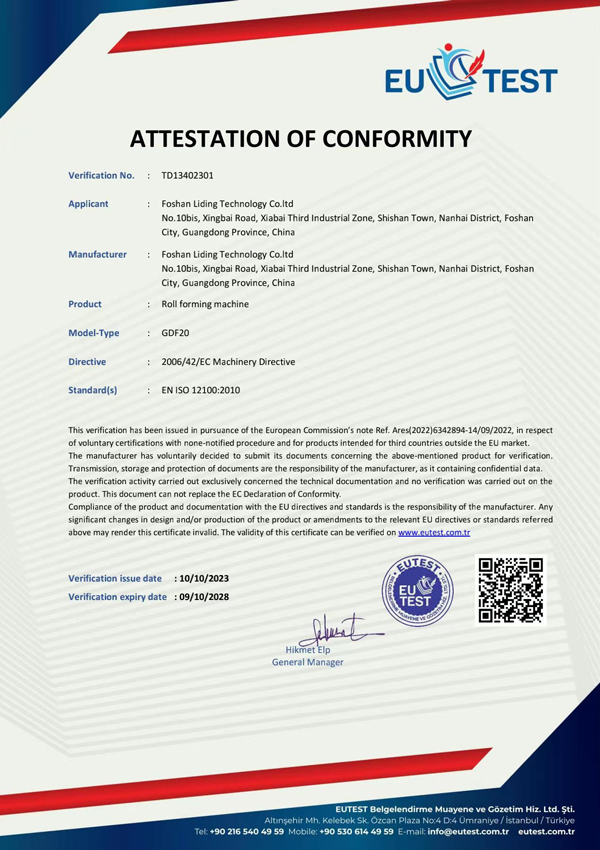
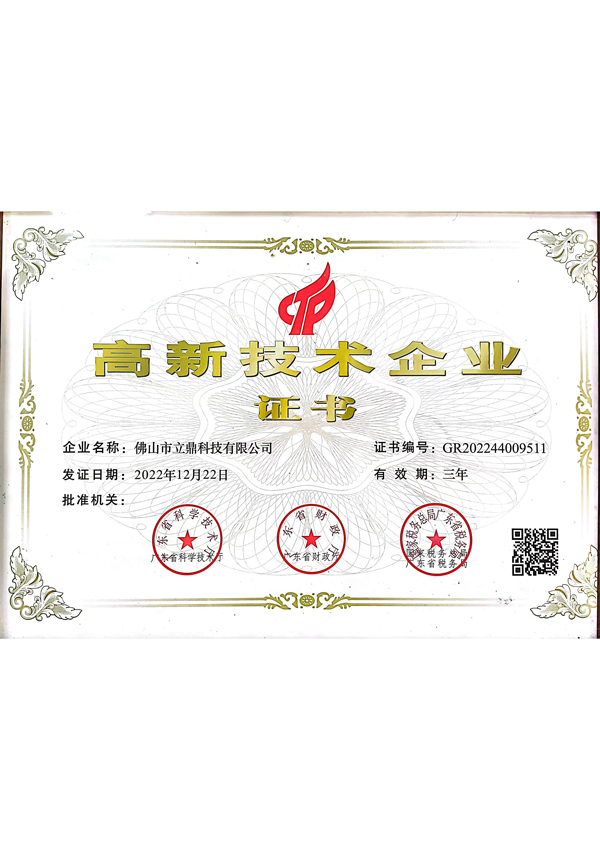
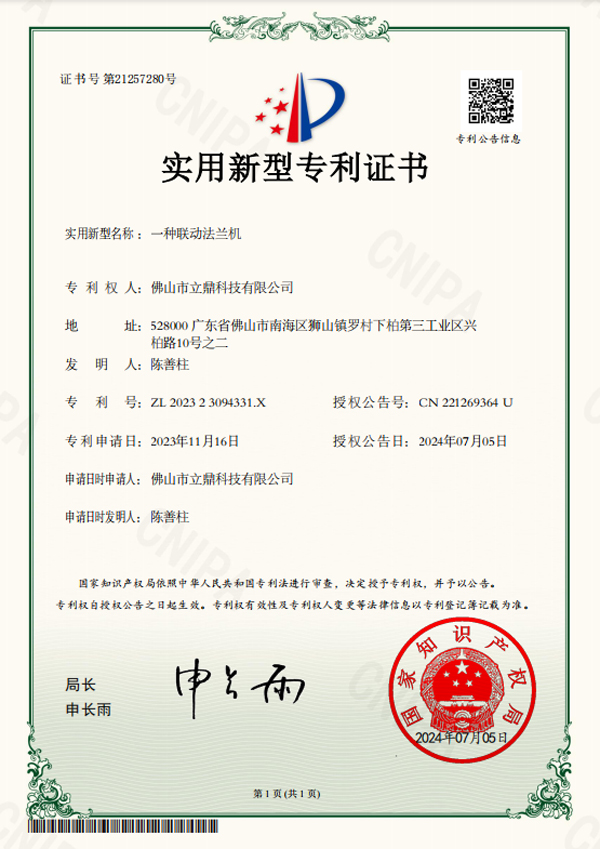
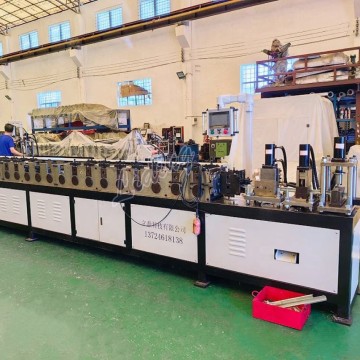
Explore our comprehensive lineup of roll-forming machines engineered for high-output, tight-tolerance subway smoke extraction and HVAC duct production.