- Home
- About Us
- Products
- Solution
- Application
- News
- FAQ
- Contact Us
Leave Your Message
Advanced Roll Forming Machinery Tailored for Heavy-Duty Warehouse Ventilation Systems
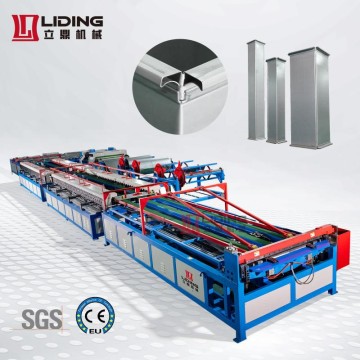
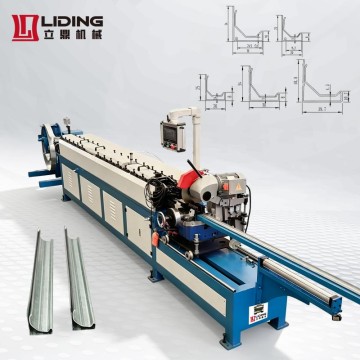
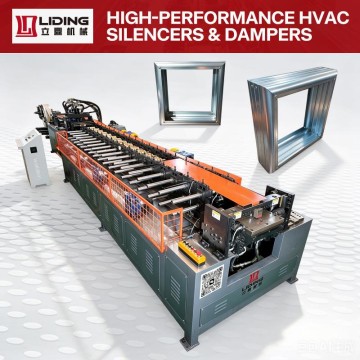
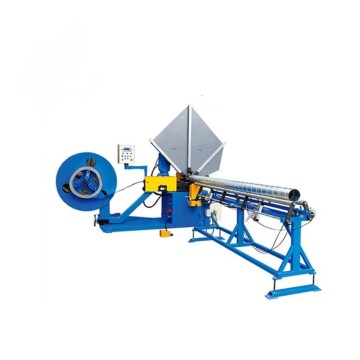
In the modern era of global supply chains, land scarcity and urban centering have forced logistics operators to think vertically. Multi-level logistics distribution warehouses and high-density vertical industrial heavy pallet storage systems (often integrated with Automated Storage and Retrieval Systems - ASRS) have transitioned from cutting-edge novelties to mainstream industrial standards. These sprawling complexes, sometimes exceeding 30 meters in height and spanning multiple floors, present unprecedented spatial efficiency. However, they also introduce massive, complex thermodynamic challenges.
Managing the air quality, temperature, and humidity within these vertical structures is not merely a matter of employee comfort; it is a critical variable in operational integrity. High-bay warehouses store diverse inventories—ranging from temperature-sensitive pharmaceuticals and precision electronics to heavy machinery parts and perishable goods. When heavy pallets are stacked up to 10 or 15 tiers high, air stratification naturally occurs. Hot air rises to the ceiling, creating high-temperature zones that can degrade products on the top racks, while cold air pools at the bottom, wasting energy and creating condensation risks. Consequently, custom-engineered air conditioning duct systems, manufactured using high-precision roll forming technology, have become the backbone of modern warehouse environmental control.
The Core Challenge: Vertical temperature stratification in heavy pallet storage warehouses can lead to temperature differentials of up to 12°C between the floor and the roof. Engineered air duct networks are the only viable mechanism to homogenize the microclimate across all storage tiers.
Integrating air conditioning ducts within vertical heavy pallet racking systems requires navigating a maze of structural steel, moving machinery, and strict fire safety regulations. Unlike commercial office spaces where ductwork is hidden above suspended ceilings, industrial warehouse ductwork is exposed, spanning massive open spaces and running adjacent to heavy-duty structural columns and beams.
Key engineering considerations include:
Liding Machinery – Over 30 years of expertise in cold-forming technology.
We design and manufacture high-precision cold-forming equipment covering:
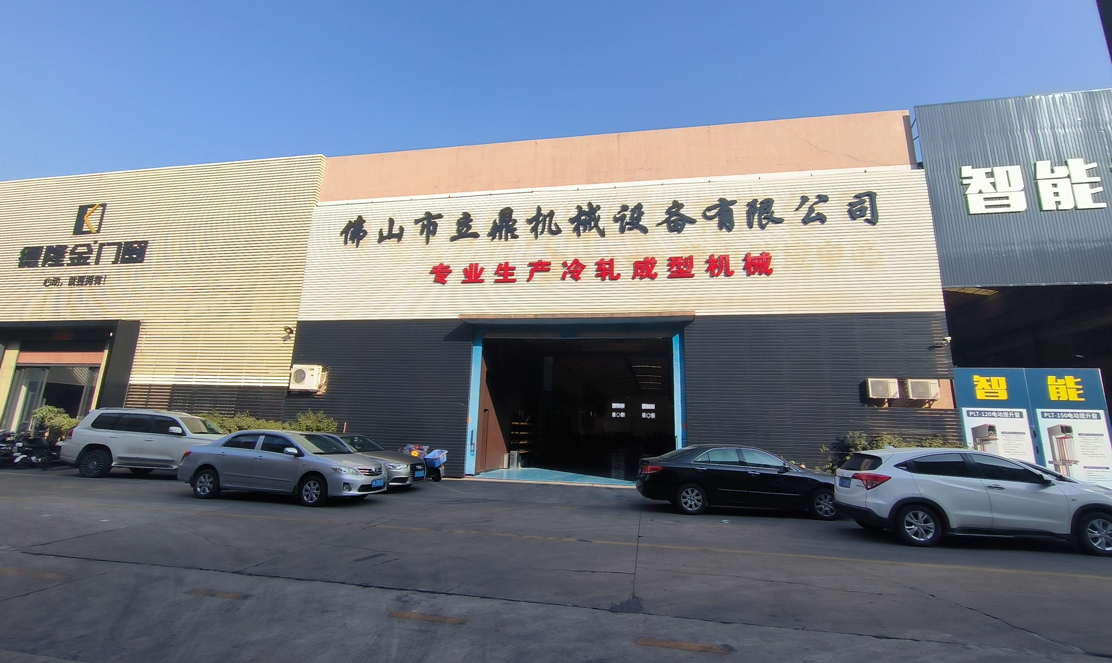
Foshan Liding Machinery Equipment Co., Ltd. was established in 2014, with a core team boasting over 25 years of experience in the cold-forming industry. We are a specialist manufacturer of metal roll forming equipment, dedicated to providing efficient, precise, and reliable customized production line solutions for global HVAC systems, building structures, and storage equipment sectors. We are not merely a machine supplier, but your strategic partner in product innovation and production efficiency enhancement.
One of the unique aspects of Liding Machinery is our dual expertise: we manufacture both HVAC duct-making machinery and warehouse racking roll forming lines. This dual capability gives us a profound understanding of how air conditioning ducts and vertical industrial heavy pallet storage systems interact structurally and operationally.
In a multi-level logistics distribution warehouse, the racking system itself can act as a support matrix for the ductwork. Traditional HVAC design treats the building shell and the storage racks as separate entities. Modern warehouse design, however, integrates them. Duct hangers are directly mounted to the heavy racking columns and beams. This integrated approach saves valuable installation time and materials but requires the ductwork to be highly modular and standardized.
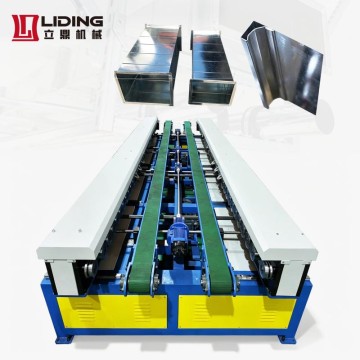
For example, when forming square ducts with integrated TDF/TDC flanges, the precision of the flange height and the duct squareness is critical. If the duct is slightly warped, it will not align with the pre-engineered racking mounting points. Liding’s automatic duct production lines utilize advanced PLC control systems to ensure that every single duct segment matches the exact CAD dimensions required for modular installation within the racking grid.
Your Blueprint to Mass Production Partner
The logistics industry is marching toward carbon neutrality, and warehouses are under intense pressure to reduce energy consumption. HVAC systems account for up to 40% of a temperature-controlled warehouse's total operational energy costs. Consequently, the efficiency of the air conditioning duct system is under intense scrutiny.
The industry is moving toward several key trends:
1. Lightweight, High-Strength Materials: Traditional heavy galvanized iron ducts are being replaced by high-strength, thin-gauge steel alloys that offer the same structural integrity but at a fraction of the weight. This reduces the load on the warehouse racking structure. Forming these advanced materials requires roll forming machines with precise pressure control and high-quality roller dies to prevent material stretching or cracking.
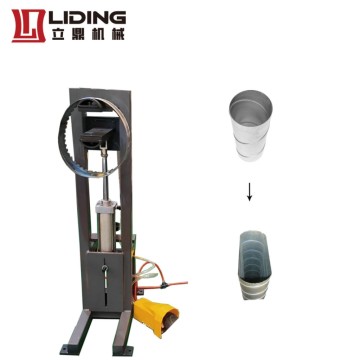
2. Seamless On-Site Mobile Manufacturing: For mega-scale logistics projects, shipping pre-fabricated ducts is highly inefficient due to the massive volume of empty air being transported. The trend is moving toward containerized, mobile duct-forming machines (like Liding’s portable manual and automatic round duct formers) that can be deployed directly to the construction site. Coils of steel are fed into the mobile container, and finished ducts are extruded directly into the warehouse, reducing transport costs and logistical lead times to virtually zero.
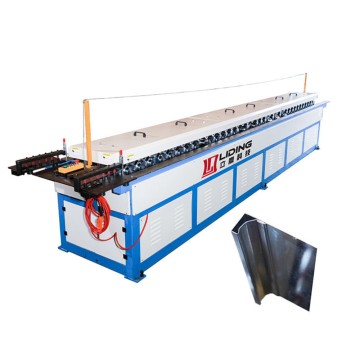
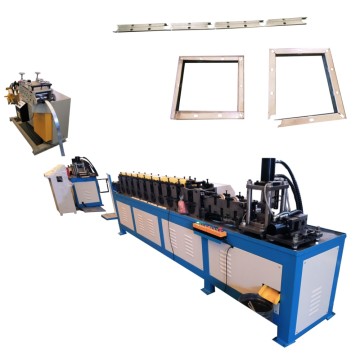
3. Advanced Flanging for Zero-Leakage: Traditional slip-on joints are being phased out in favor of integrated TDC/TDF flange systems. By forming the flange directly from the duct wall material, the risk of leakage at the corners is dramatically reduced. This ensures that conditioned air is delivered exactly where it is needed—deep within the vertical pallet stacks—rather than escaping prematurely into empty overhead spaces.
Engineered for Reliability, Customization, and Global Scale
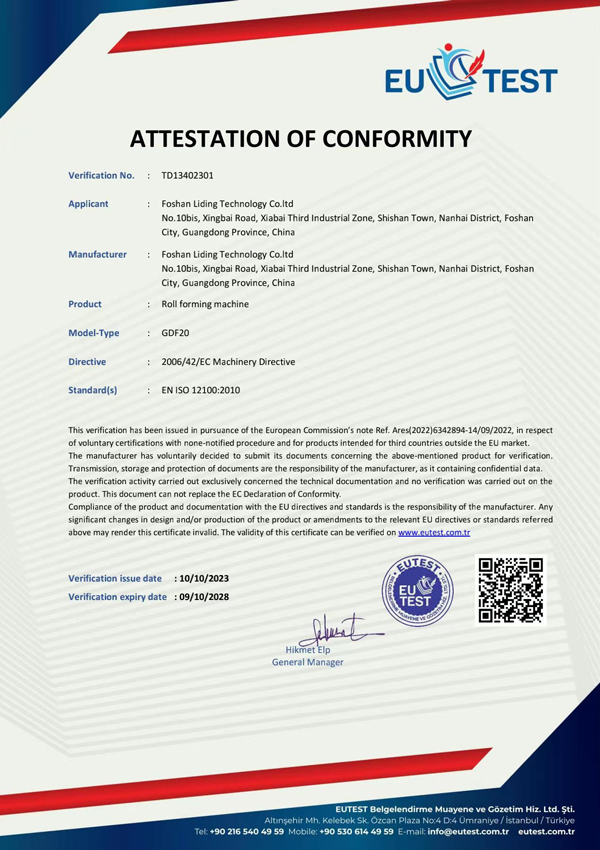
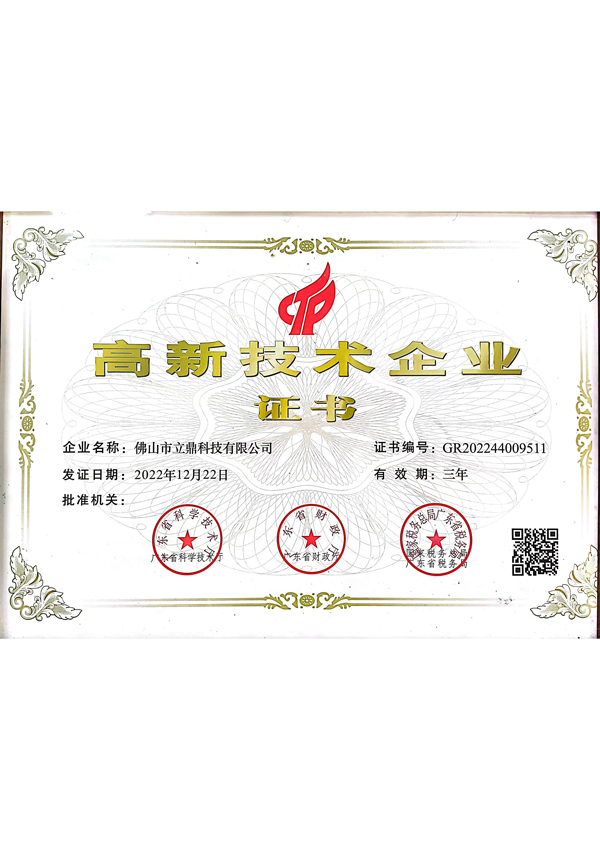
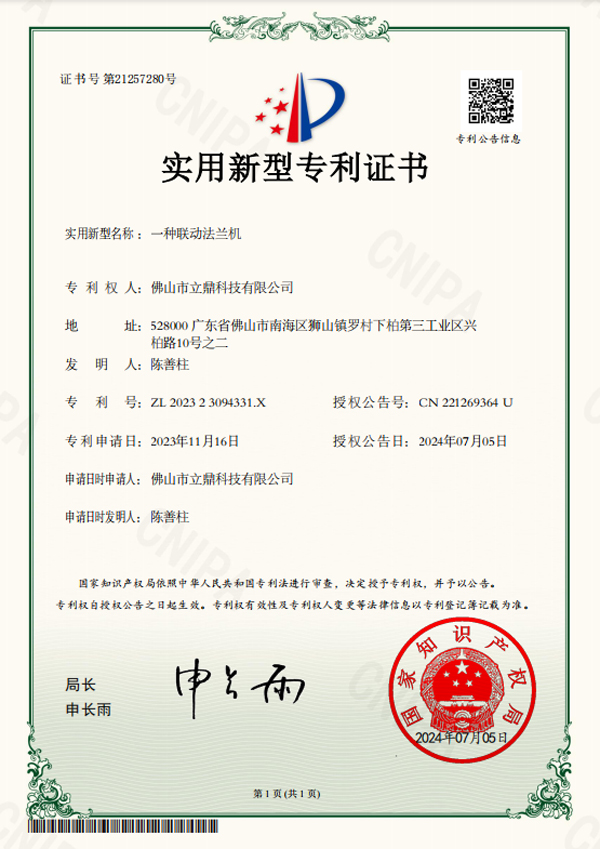
Manufactured to International Standards for Demanding Industrial Projects
Consider a multi-level logistics distribution center with a 24-meter-tall clearance, utilizing 12 tiers of vertical industrial heavy pallet storage. A standard HVAC system blowing air from the ceiling would result in the bottom tiers being freezing cold while the top tiers remain warm and humid. To resolve this, mechanical engineers design a displacement ventilation system.
In this design, vertical duct columns run down the sides of the racking structures, delivering conditioned air at low velocities directly into the aisles through specialized plenum boxes and silencers. The air is introduced at the floor level and slowly rises as it absorbs heat from the lighting, machinery, and pallets, creating a uniform, highly efficient cooling piston effect.
Executing this design requires hundreds of meters of highly consistent, perfectly sealed ductwork. Any deviation in the duct diameter or flange alignment will cause pressure drops, preventing the air from reaching the center of the warehouse. This is where Liding’s advanced roll forming machinery becomes critical. Our lines produce TDC and PDF flanges with sub-millimeter tolerances, ensuring that the duct joints fit together seamlessly, eliminating the need for excessive sealant and reducing installation time on-site by up to 35%.
Explore Our Industry-Leading Solutions for Industrial Warehouse Ventilation Projects