
Leave Your Message
Explore our precision roll forming equipment engineered for air conditioning duct systems supporting structural roof framing and wall cladding in modern agricultural barns.
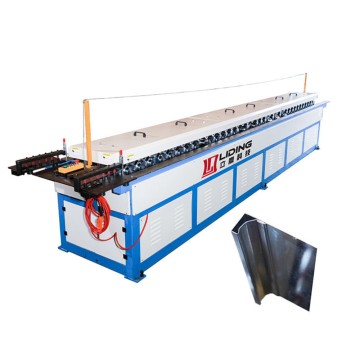
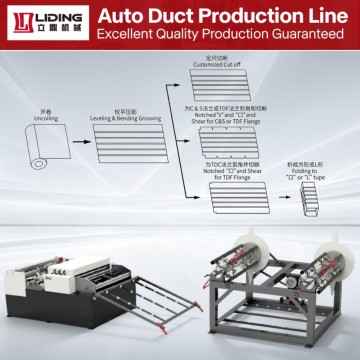
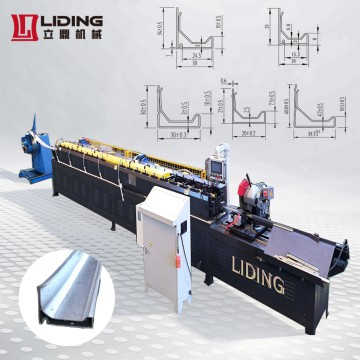
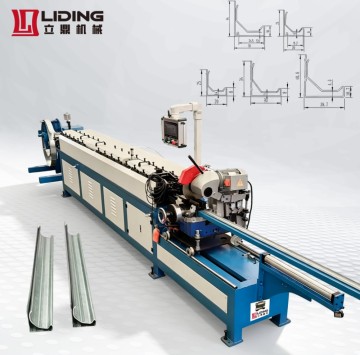
As modern agriculture evolves into a precision-driven, technology-intensive industry, the design and integration of HVAC systems — particularly air conditioning ductwork — within agricultural barns has become a strategic priority. Far beyond simple ventilation, today's barn duct systems are engineered to serve dual functions: delivering precise climate control for livestock, crop storage, or processing environments, and simultaneously providing structural support for roof framing assemblies and wall cladding systems.
In large-scale poultry farms, dairy operations, horticulture greenhouses, and grain storage facilities, maintaining optimal temperature and humidity is directly linked to productivity, animal welfare compliance, and energy efficiency. The ductwork infrastructure that enables this climate control must be robust, corrosion-resistant, precisely formed, and structurally integrated into the building envelope — a challenge that demands high-quality roll forming technology.
Modern agricultural barn construction increasingly adopts integrated design philosophies where mechanical systems and structural components are co-engineered. Air conditioning duct runs installed along roof ridge lines or within wall cavity systems are no longer passive conduits — they are load-bearing or load-distributing elements that contribute to the rigidity of the overall framing system.
This dual-function approach reduces material redundancy, lowers installation costs, and improves the spatial efficiency of large-span barn structures. Precision-formed galvanized steel ducts with TDC or PDF flanges provide the dimensional accuracy required to interface cleanly with structural purlins, C-sections, and wall cladding support rails.
Leading agricultural barn engineers now specify HVAC ductwork as a co-structural element — reducing steel tonnage by up to 18% while maintaining full climate control performance across spans exceeding 40 meters.
Agricultural facilities worldwide are transitioning from standalone ventilation systems to fully integrated HVAC duct networks that function as both climate management infrastructure and structural reinforcement — driving unprecedented demand for precision roll forming equipment capable of producing complex duct profiles at high throughput.
Properly designed and formed duct systems in agricultural barns can reduce HVAC energy consumption by 25–35% compared to uninsulated or poorly fitted ductwork — a critical factor as energy costs rise globally.
From poultry houses to controlled-environment agriculture, precision ductwork plays a transformative role across every segment of modern agri-industrial construction.
In broiler and layer houses spanning 100–200 meters, HVAC ducts are routed along the full ridge length, distributing conditioned air uniformly while their structural flanges anchor to roof purlins. This eliminates separate suspension systems and reduces installation labor by up to 30%. Precision-formed galvanized ducts resist ammonia-rich environments and maintain dimensional stability under thermal cycling.
Vertical farms and greenhouse complexes require HVAC duct networks that integrate with steel wall cladding support rails. Roll-formed rectangular ducts with interlocking TDC flanges provide airtight connections essential for CO₂ enrichment systems. The duct bodies themselves act as horizontal bracing members within the wall framing, reducing the need for separate diagonal bracing elements.
Temperature and humidity management in grain silos and flat storage barns demands ductwork capable of handling high-volume airflows at low static pressure. Spiral round ducts formed on high-power roll forming machines provide optimal airflow efficiency. Their circular cross-section also contributes to the structural integrity of the roof framing when used as compression rings in dome-type structures.
Food-grade stainless or galvanized duct systems in dairy and fish processing environments must meet hygiene standards while supporting heavy wall cladding panels. Roll-formed ducts with smooth internal surfaces and sealed flange connections prevent bacterial harboring, while their external profiles provide mechanical support for insulated cladding systems weighing up to 25 kg/m².
Large-span workshops housing tractors, harvesters, and processing equipment require HVAC duct systems capable of distributing conditioned air across open floor plans without obstructing crane rails or equipment movement. Integrated duct-and-beam assemblies formed from high-strength galvanized steel provide both climate control and structural depth to the roof system.
Next-generation agri-barns combining solar panel roof systems with HVAC ductwork require precise coordination between photovoltaic mounting rails and duct routing. Roll-formed duct profiles with integrated bracket attachment points allow solar mounting rails to be fixed directly to the duct body, creating a unified structural-mechanical-energy system that is transforming agricultural building design.
Global market forces, regulatory shifts, and technological innovation are reshaping the commercial and industrial landscape for HVAC ductwork in agricultural applications.
The global agricultural HVAC market is projected to exceed USD 8.5 billion by 2030, driven by intensifying climate variability, stricter animal welfare regulations in the EU and North America, and the explosive growth of controlled environment agriculture. This growth is directly translating into surging demand for high-precision duct forming equipment capable of producing complex profiles at industrial scale.
Manual duct fabrication is rapidly being replaced by fully automated PLC-controlled production lines that integrate cutting, forming, flange rolling, and punching in a single continuous process. These lines achieve tolerances of ±0.5mm across duct dimensions up to 2000mm wide, enabling the precision required for structural-grade duct installations in modern agricultural barns.
Agricultural facilities pursuing LEED, BREEAM, or local green building certifications are specifying HVAC duct systems with enhanced insulation performance and reduced leakage rates. This is driving adoption of TDC and PDF flange systems that achieve Class C or better airtightness, while the use of high-recycled-content galvanized steel in roll forming processes supports circular economy commitments.
Building Information Modeling (BIM) is transforming how HVAC duct systems are designed and fabricated for agricultural barns. Digital models drive CNC-controlled roll forming machines directly, eliminating manual programming errors and enabling complex duct geometries that integrate seamlessly with structural steel framing models. This digital thread from design to fabrication is becoming a competitive differentiator for barn construction firms globally.
The shift toward modular agricultural barn construction — where wall panels, roof cassettes, and HVAC duct modules are prefabricated off-site and assembled on-farm — is creating demand for duct forming machines capable of producing standardized modular duct sections with high repeatability. Quick-changeover roll forming machines that switch between multiple duct profiles within minutes are becoming essential for prefabrication facilities serving this market.
Southeast Asia, the Middle East, and Sub-Saharan Africa are experiencing rapid agricultural modernization, with large-scale barn construction projects requiring complete HVAC duct manufacturing solutions. Local fabricators in these regions are investing in full production lines — from coil feeding through to finished duct assembly — creating substantial export opportunities for advanced roll forming equipment manufacturers.
The structural and mechanical demands of modern agricultural barn construction require ductwork manufactured to the highest dimensional and material standards.
Roll-formed ducts achieve consistent cross-sectional dimensions with tolerances as tight as ±0.5mm, ensuring perfect alignment with structural purlin systems and wall cladding rails across long barn spans without accumulation of dimensional errors.
Agricultural environments expose ductwork to ammonia, hydrogen sulfide, moisture, and fertilizer vapors. Precision roll forming of Z275 or Z350 galvanized steel, or pre-painted coil stock, provides long-term corrosion protection essential for 20+ year service life.
Modern automated duct production lines achieve output rates of 8–15 meters per minute, enabling fabrication of the extensive duct networks required for large agricultural barns — often exceeding 5,000 linear meters of ductwork per project — within commercially viable timeframes.
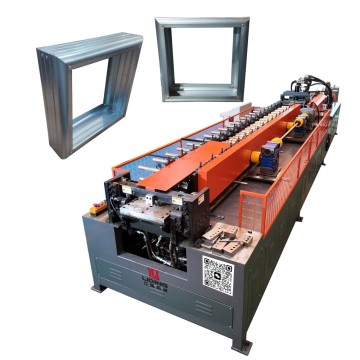
TDC and PDF flange profiles formed on dedicated flange roll forming machines provide the mechanical connection strength required for duct-to-structure interfaces in barn applications. Proper flange geometry ensures both airtight sealing and structural load transfer capability.
Agricultural barns with curved roof profiles, monitor roofs, or irregular plan geometries require duct sections with non-standard cross-sections. CNC-controlled roll forming machines with quick-changeover tooling enable fabrication of custom duct profiles without the lead time and cost penalties of conventional fabrication methods.
Plenum box and silencer roll forming machines enable in-line production of acoustic attenuation components that are critical for livestock welfare compliance in modern barns. Integrated silencers formed as part of the duct system reduce fan noise to below 65 dB at 1 meter — meeting increasingly strict agricultural noise regulations.
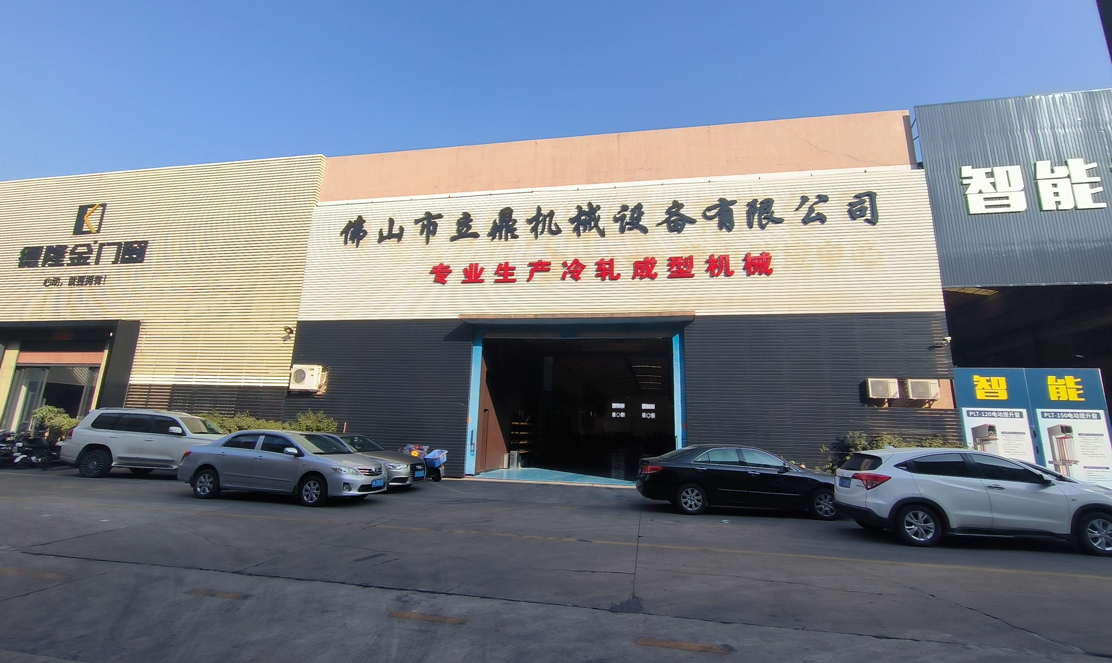
Foshan Liding Machinery Equipment Co., Ltd. was established in 2014, with a core technical team boasting over 25–30 years of experience in the cold-forming industry. We are a specialist manufacturer of metal roll forming equipment dedicated to providing efficient, precise, and reliable customized production line solutions for global HVAC systems, agricultural building structures, and storage equipment sectors.
We are not merely a machine supplier — we are your strategic partner in product innovation and production efficiency enhancement. You provide drawings or samples; we deliver comprehensive production solutions that extend beyond the machinery itself to the quality and production costs of your end products.
Trusted by HVAC fabricators, agricultural construction contractors, and barn equipment manufacturers across 50+ countries worldwide.
Four pillars of competitive advantage that make Liding Machinery the preferred partner for agricultural barn HVAC duct production line projects globally.
25+ years of experience in cold bending forming, with a dedicated R&D team of over 10 engineers continuously advancing duct forming technology for agricultural and industrial applications.
Anti-seismic bracket patented technology ensures safe and reliable structural connections — a critical advantage for duct-integrated roof framing systems in agricultural barns subject to wind and seismic loading.
Customized on demand — a full-line solution from blueprint to mass production. We engineer complete duct forming production lines tailored to your specific barn duct profiles, material specifications, and output requirements.
Quick-changeover modular tooling makes one machine versatile for multiple duct profiles. Combined with global technical support and a 48-hour response guarantee, we ensure maximum uptime for your production operations.
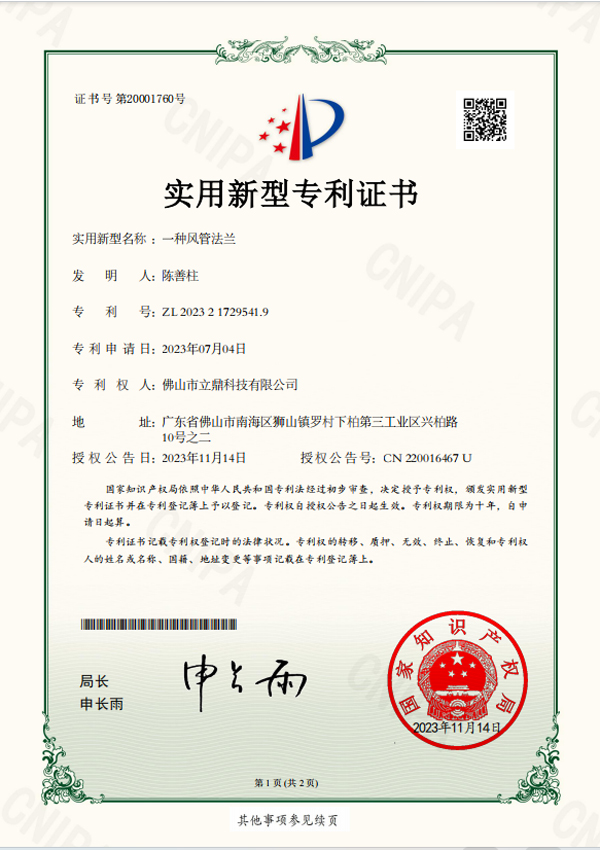
Our manufacturing processes and roll forming equipment meet internationally recognized quality and safety standards, ensuring reliable performance in demanding agricultural barn HVAC applications.
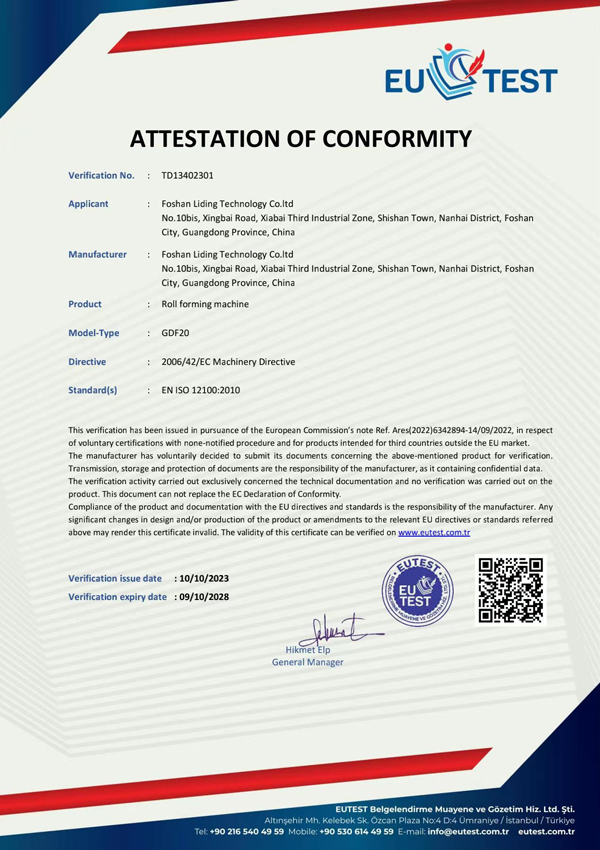
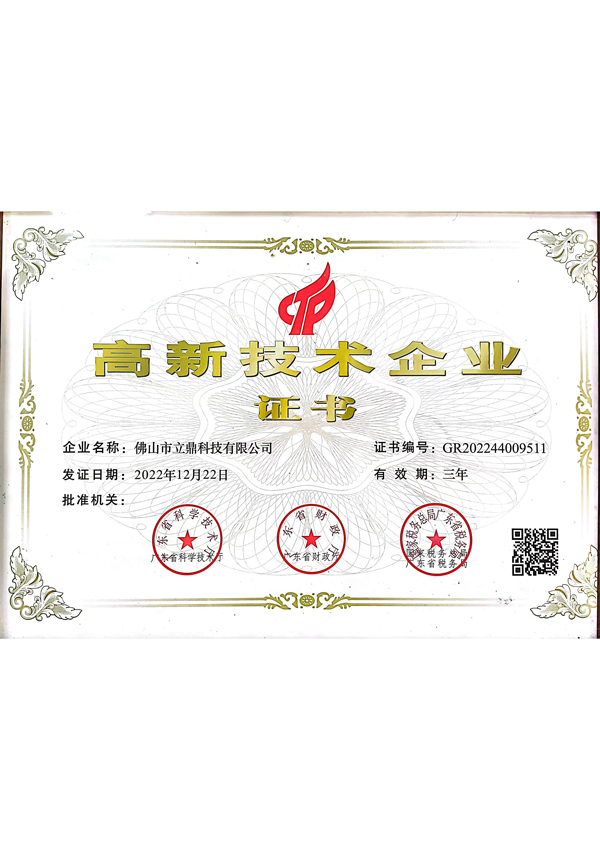
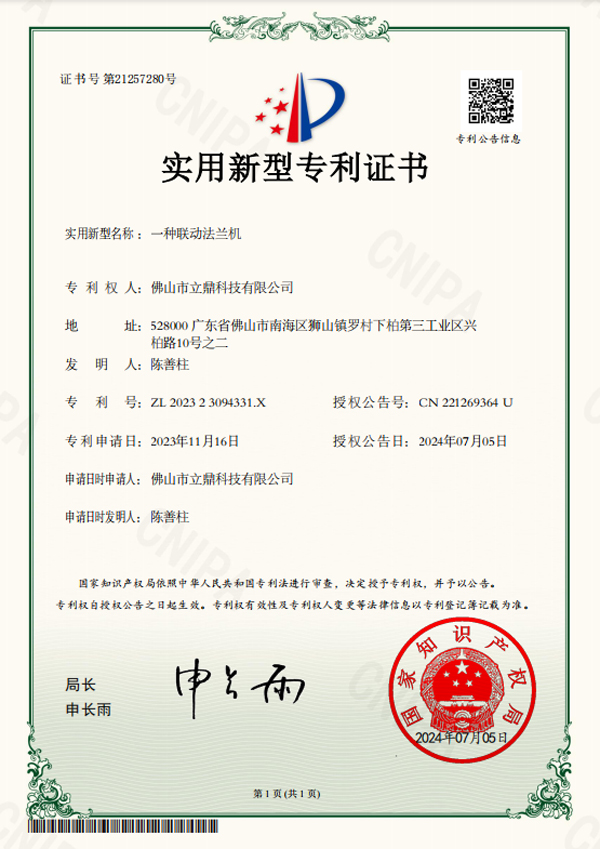
From spiral round duct forming to fully automated square duct production lines — our comprehensive equipment range covers every ductwork requirement in modern agricultural barn roof framing and wall cladding support applications.
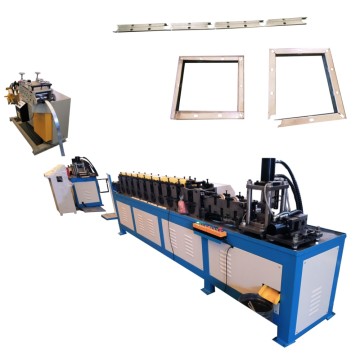
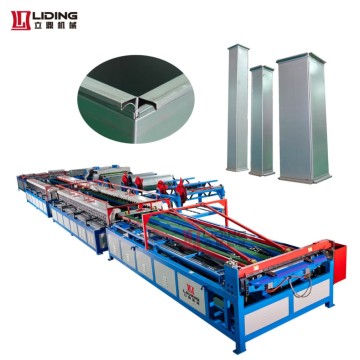
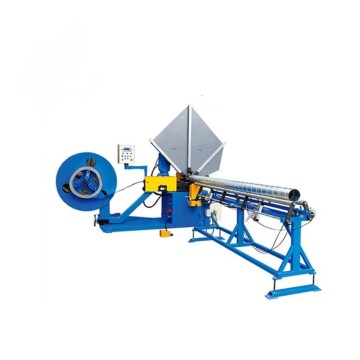
Contact Liding Machinery today for a customized production line solution tailored to your barn duct specifications, output requirements, and structural integration needs. Our engineers are ready to support you from blueprint to mass production.
Request a Custom Solution →