- Home
- About Us
- Products
- Solution
- Application
- News
- FAQ
- Contact Us
Leave Your Message
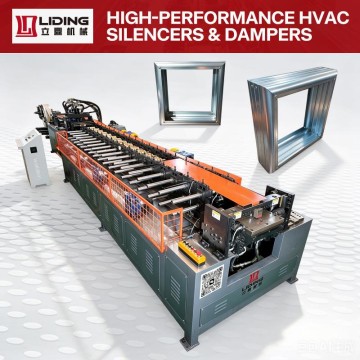
High-performance ductwork fabrication machinery engineered to meet strict mass transit standards for ventilation and emergency smoke exhaust.
Underground subway stations are engineering marvels, but they present unique and complex challenges in terms of environmental control and safety management. Because these structures are completely enclosed and situated deep underground, they lack natural ventilation. Millions of commuters rely on these transit hubs daily, making it critical to establish a robust and reliable system for both comfort cooling and emergency survival. The air conditioning ductwork serves as the primary system of veins through which life-saving air circulation occurs. In the event of a fire, this same network must instantaneously shift roles to serve as an emergency smoke extraction system, clearing lethal toxic fumes and heat to allow passenger evacuation and firefighter access.
Under normal operating conditions, subway air conditioning ducts manage temperature, relative humidity, and carbon dioxide levels across passenger platforms, concourses, and service rooms. However, in an emergency—such as a train fire or electrical malfunction—the HVAC system transitions into a localized smoke extraction configuration. Dampers redirect airflows, and high-temperature exhaust fans engage, pulling toxic smoke out of the station while supplying pressurized fresh air to designated escape corridors, preventing the spread of smoke into exit paths.
Subway ventilation ducts must withstand extreme air pressures and velocities. When a train enters a station, it pushes a large volume of air forward—a phenomenon known as the "piston effect." This creates rapid, cyclic positive and negative pressure waves within the tunnel and station duct networks. Consequently, the metal ducts must be engineered with high structural rigidity to prevent metal fatigue, vibration noise, and joint leakage over decades of continuous operation. Furthermore, during a fire, these ducts must maintain structural integrity at temperatures exceeding 250°C to 300°C for at least one to two hours, ensuring the extraction path does not collapse under extreme heat.
The rapid expansion of urban rail transit systems globally has driven significant growth in the commercial market for specialized HVAC and smoke extraction systems. Modern subway lines are designed to operate for 50 to 100 years, requiring contractors and municipal operators to source duct systems that offer exceptional durability, corrosion resistance, and structural strength. Standard commercial-grade ductwork is insufficient; instead, transit authorities mandate compliance with international safety standards such as NFPA 130 (Standard for Fixed Guideway Transit and Passenger Rail Systems) and European standard EN 12101 (Smoke and Heat Control Systems).
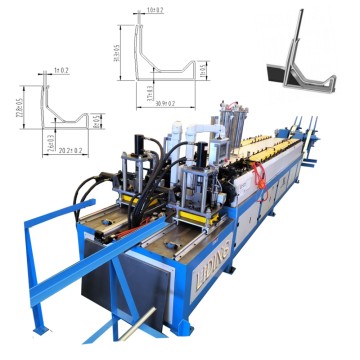
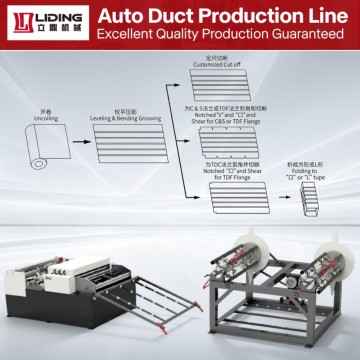
Today's industrial manufacturing trends for subway ductwork focus heavily on prefabrication, modularity, and tight tolerance control. On-site installation in subway tunnels is highly restricted by limited space and narrow project timelines. Therefore, contractors demand pre-fabricated duct modules that can be quickly assembled on-site. This shift has placed immense pressure on duct manufacturing factories to produce highly precise, consistent components. Automated roll forming lines—specifically those capable of forming integrated flanges like TDC (Transverse Duct Connector) and TDF systems—have become the industry standard, replacing outdated manual sheet metal bending methods.
Additionally, noise mitigation has become a primary regulatory focus. Subway stations feature large, high-power fan rooms that generate substantial acoustic energy. The integration of high-performance silencer systems and plenum boxes directly into the duct network is essential to keep noise levels on platforms within comfortable limits.
To fully understand the engineering demands of subway station duct networks, we must look at the specific zones where they are deployed:
Positioned directly over the passenger waiting areas to capture rising heat and smoke. Requires high-aspect-ratio rectangular ducts to fit within low ceiling clearances.
Designed to extract heat generated by train braking systems and control smoke in the event of an under-car fire. These ducts must be highly resistant to metallic brake dust and moisture.
Located near massive fan shafts. These sections require heavy-gauge metal outer walls and internal acoustic baffling to absorb low-frequency rumble without restricting air flow.
Subway structures are subject to continuous ground vibration and seismic activity. The ductwork must be supported by seismic brackets and joined with flexible, gas-tight flanges.
Producing ducts for these applications requires heavy-gauge galvanized steel or stainless steel sheets (typically ranging from 1.0mm to 1.6mm in thickness) to handle high pressures. Standard light-gauge HVAC duct machines cannot process these thick materials without causing structural deformation or tooling wear. Consequently, manufacturers require heavy-duty, high-torque roll forming lines featuring hardened steel rollers, robust hydraulic drives, and advanced PLC control systems to ensure exact dimensional accuracy and airtight flange connections.
Liding Machinery – Our core technical team boasts over 30 years of experience in cold-forming.
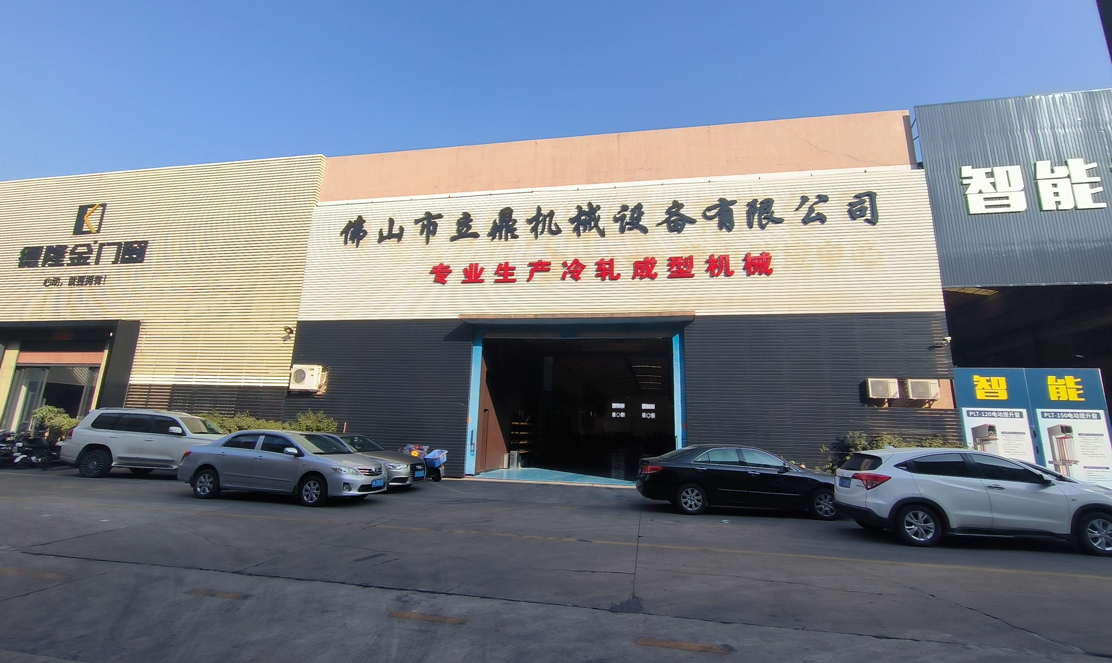
Foshan Liding Machinery Equipment Co., Ltd. was established in 2014, with a core team boasting over 25 years of experience in the cold-forming industry. We are a specialist manufacturer of metal roll forming equipment, dedicated to providing efficient, precise and reliable customised production line solutions for global HVAC systems, building structures and storage equipment sectors. We are not merely a machine supplier, but your strategic partner in product innovation and production efficiency enhancement.
We design and manufacture high-precision cold-forming equipment covering:
Roll forming machines operating worldwide.
Countries exported to (Southeast Asia, Middle East, Europe, Russia).
Of our clients come back for additional lines.
Average years of experience of our senior engineers.
From custom blueprints to high-volume production lines, we deliver optimized solutions for global HVAC manufacturing.
You provide drawings or samples; we deliver comprehensive production solutions. Our focus extends beyond the machinery itself to the quality and production costs of your end products. Our dedicated team offers ongoing technical support and after-sales service, ensuring your production lines operate at peak efficiency with minimal downtime.
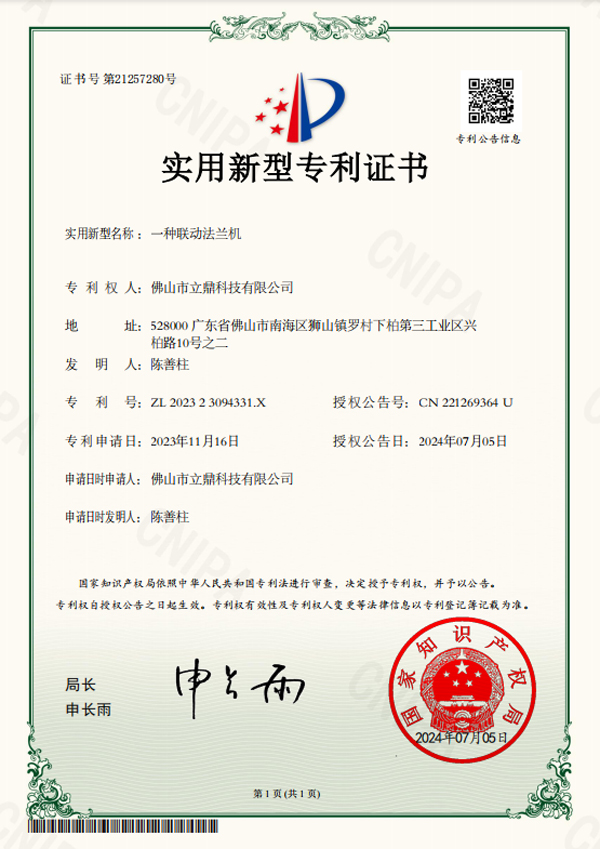
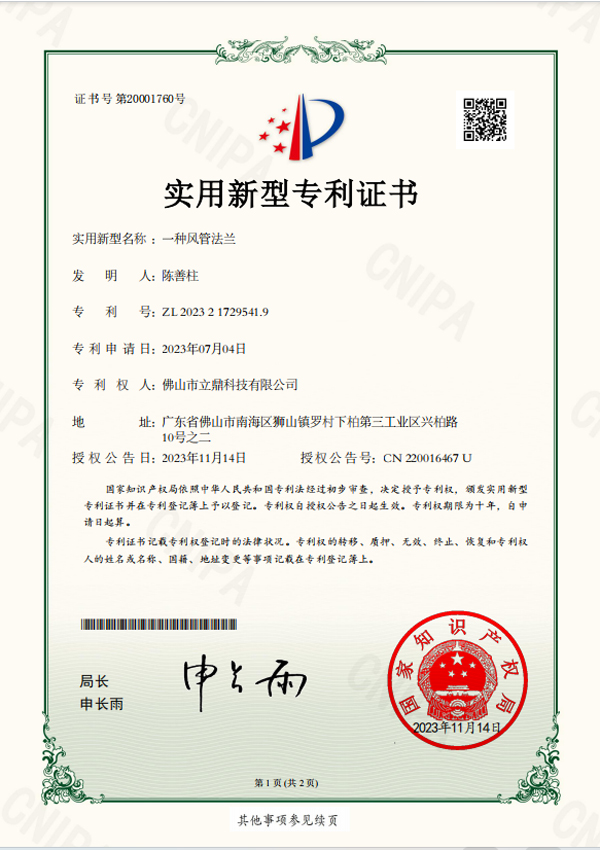
25 years of experience in cold bending forming, with a research and development team of over 10 people patent.
Anti seismic bracket patented technology, safe and reliable. Customized on demand, a full line solution from blueprint to mass production.
Quick changeover, versatile for one machine.
Global technical support, 48 hour response time.
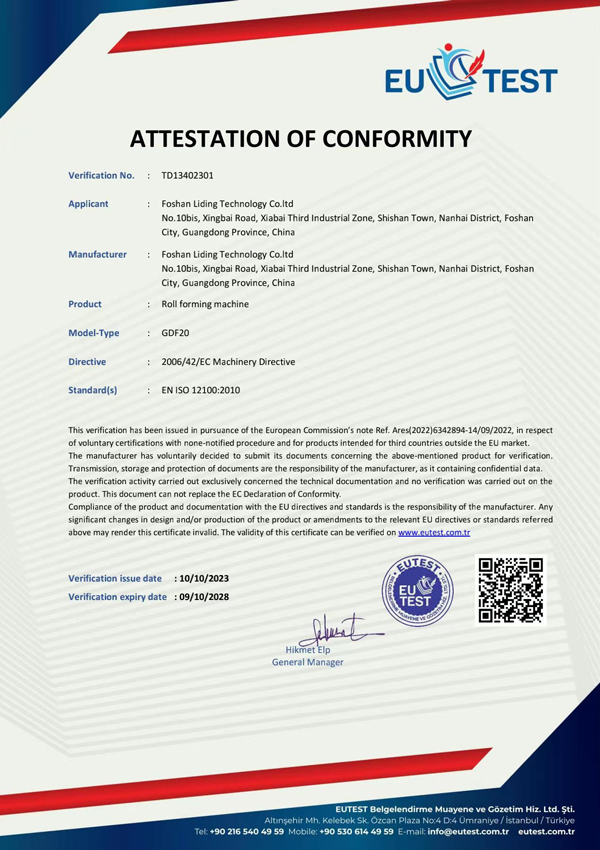
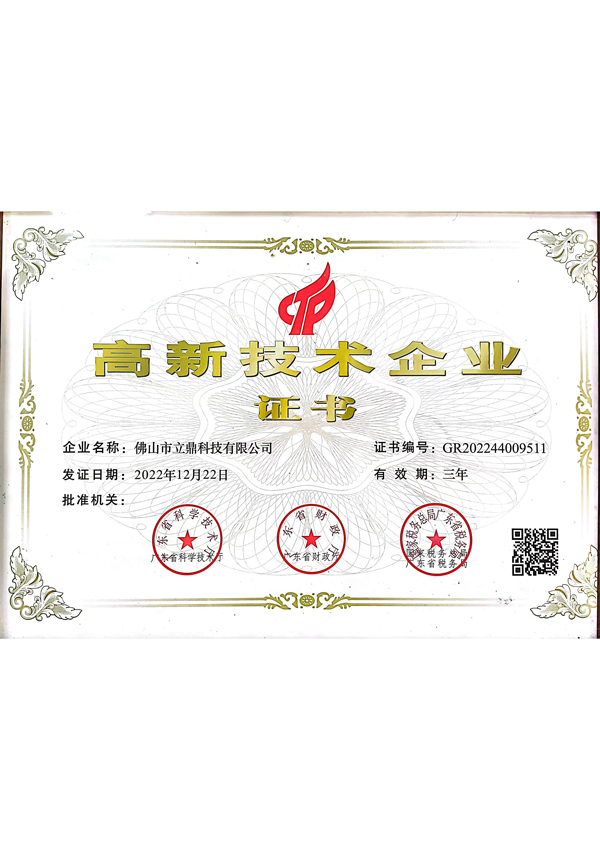
Our equipment is manufactured to the highest international quality standards, backed by robust certifications.
Explore our full range of high-precision machines engineered for structural HVAC ductwork, flanges, and noise control components.