
Leave Your Message
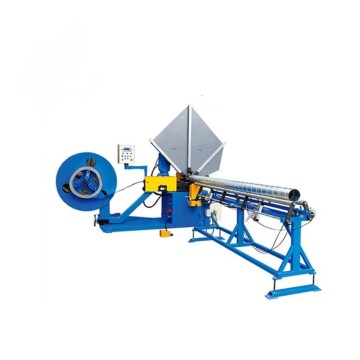
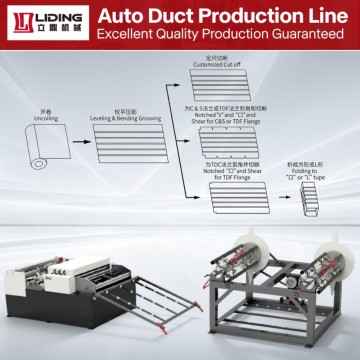
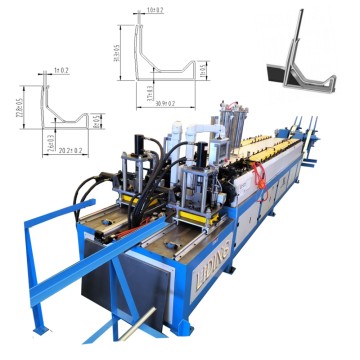
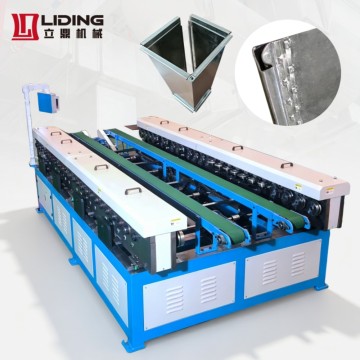
In commercial garages equipped with automated roll-up doors and airport logistics docks, air conditioning duct systems are no longer a secondary consideration — they are a mission-critical infrastructure component. As these facilities grow in complexity and throughput, maintaining consistent thermal environments, controlling exhaust fumes, and ensuring personnel safety demands precision-engineered ductwork that can withstand continuous mechanical operations, high-frequency door cycling, and variable load conditions.
Modern automated secure entry roll-up doors create unique HVAC challenges: each opening and closing cycle introduces a significant volume of unconditioned outside air. Without a strategically designed air duct system, temperature regulation becomes inefficient, energy costs escalate, and the comfort and safety of operators deteriorate rapidly.
The global HVAC ductwork market serving industrial and logistics facilities has entered a phase of rapid transformation. According to industry analysts, the industrial HVAC segment is projected to exceed USD 28 billion by 2028, with logistics hubs and automated warehousing driving a disproportionate share of growth. Airport cargo terminals and commercial vehicle garages represent two of the fastest-expanding application verticals, each with highly specific duct routing, fire-resistance, and noise-attenuation requirements.
Traditional manually fabricated ductwork is being rapidly displaced by roll-form-manufactured duct sections, which offer tighter dimensional tolerances, faster installation cycles, and measurably lower lifecycle costs. Facilities managers are increasingly specifying TDC/TDF flange connections and spiral round duct systems for their superior airtightness and ease of automated assembly.
Studies conducted across major airport logistics facilities in Europe and Southeast Asia reveal that poorly sealed or undersized HVAC ducts near roll-up door zones can increase annual energy consumption by 18–34%. Precision roll-formed ductwork with TDC flange connections reduces leakage rates to below 1%, translating directly into measurable operational savings and supporting ESG compliance targets for large logistics operators.
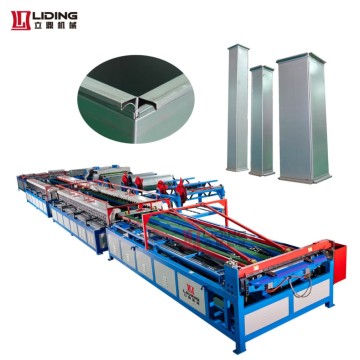
Modern duct production lines are now fully PLC-controlled, enabling automatic length setting, punch positioning, and flange forming without manual intervention. This dramatically reduces labour dependency and ensures batch-to-batch consistency — essential for large-scale airport logistics dock installations where thousands of duct sections must interlock perfectly.
With LEED, BREEAM, and ISO 50001 certifications becoming standard requirements for new logistics hubs and airport terminals, HVAC duct systems must now demonstrate low-embodied-carbon manufacturing processes. Roll-forming technology produces near-zero scrap metal waste compared to plasma-cut alternatives, aligning with circular economy mandates from major cargo operators and aviation authorities.
Airport logistics docks and multi-level commercial garages increasingly require duct systems that integrate noise attenuation. Silencer-equipped plenum boxes and acoustically lined rectangular ducts are becoming standard specifications, particularly in facilities adjacent to passenger terminals or urban residential zones. Automated roll-forming machines now produce these complex profiles with embedded liner channels in a single pass.
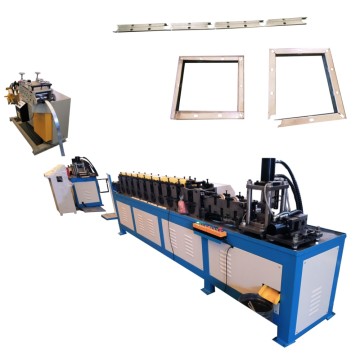
Automated secure entry areas in commercial garages and airport docks are classified as fire-risk zones. Regulatory frameworks in the EU, US, and GCC now mandate fire-rated ductwork with intumescent flange seals and galvanised steel construction. Dedicated fire pipe flange forming machines, such as the V4-2 series, are purpose-designed to produce compliant profiles at production-line speed.
The integration of IoT sensors within duct networks is accelerating. Pressure differential sensors, airflow monitors, and temperature probes embedded at key duct junctions — especially near automated roll-up door thresholds — enable real-time HVAC optimisation. Duct systems manufactured to tighter tolerances via precision roll-forming are inherently more compatible with sensor integration due to their geometric consistency.
Off-site prefabrication of duct modules — enabled by high-accuracy automated production lines — is transforming installation timelines for large logistics and aviation projects. Complete duct assemblies are manufactured, flanged, and quality-inspected in factory conditions, then shipped to site for rapid bolt-together installation, reducing on-site construction time by up to 60% compared to traditional site-fabricated systems.
From multi-bay commercial garages to international airport cargo terminals, precision air duct systems play a defining role in operational safety, energy performance, and regulatory compliance.
In commercial garages servicing fleets of trucks, delivery vehicles, or municipal buses, automated roll-up doors cycle hundreds of times daily. Each opening introduces large volumes of ambient air, laden with exhaust particulates and humidity. A precisely engineered rectangular duct network — fabricated via high-accuracy auto duct production lines — delivers targeted supply air at door thresholds to create positive pressure air curtains, preventing fume ingress into maintenance bays and office zones. TDC flange connections ensure zero-leakage performance at the high static pressures required for this application.
Airport logistics docks handling time-sensitive freight operate 24/7 in all climatic conditions. Temperature-sensitive cargo — pharmaceuticals, perishables, electronics — requires stable ambient conditions maintained within ±2°C across dock zones. Spiral round duct systems, manufactured by high-output spiral duct forming machines, are the preferred solution for their structural rigidity, low friction losses, and compatibility with overhead crane clearance requirements. At automated secure entry points, dedicated supply and exhaust duct branches manage the thermal shock of frequent door operations.
Modern automated parking structures — where vehicles are transported by robotic systems through a series of secure roll-up access points — present unique duct routing challenges. Low ceiling clearances, structural columns, and robotic motion envelopes demand flat-oval and high-aspect-ratio rectangular ducts fabricated to exact custom dimensions. Liding's customised duct production line solutions, developed from client drawings or samples, enable facility engineers to specify duct profiles optimised for each structural zone, achieving maximum airflow with minimum spatial footprint.
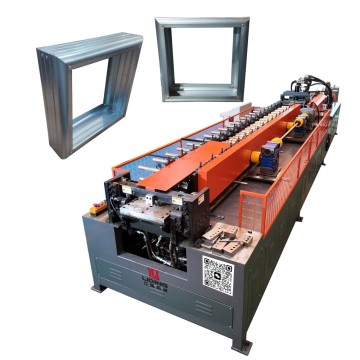
Cold chain facilities connecting refrigerated storage to loading docks via automated secure roll-up doors face extreme thermal gradient challenges. Insulated rectangular ductwork, with precisely formed TDC flanges and sealed joints, is critical to maintaining cold zone integrity. Any duct leakage in these environments not only wastes energy but risks condensation-induced corrosion and cargo spoilage. High-accuracy flange forming machines producing GDF/PDF profiles are the manufacturing backbone of these high-specification duct systems, ensuring consistent flange geometry for reliable gasket sealing across thousands of duct connections.
Secure vehicle entry facilities at defence installations and government compounds require HVAC duct systems that integrate with blast-rated roll-up doors and NBC (Nuclear, Biological, Chemical) filtration systems. Ductwork in these environments must be fabricated from heavy-gauge galvanised or stainless steel with welded or mechanically fastened flanges capable of maintaining structural integrity under overpressure conditions. The anti-seismic bracket patented technology developed by Liding's engineering team provides additional structural resilience for duct support systems in these demanding environments.
The explosive growth of e-commerce has driven the construction of massive automated fulfilment centres where goods enter and exit through dozens of automated dock doors simultaneously. HVAC duct systems in these facilities must balance the thermal loads of high-density conveyor systems, battery-charging stations for autonomous mobile robots (AMRs), and the continuous air infiltration from dock door operations. Plenum box and silencer assemblies — produced by automated roll-forming machines — are strategically positioned to manage noise from HVAC equipment while maintaining the air quality standards required for high-density human-robot collaborative work environments.
Our engineering team reviews your facility layout, door cycling frequency, climate zone data, and regulatory requirements. We develop a complete duct production solution — specifying machine models, steel coil gauges, flange types, and production line configurations — tailored to your exact application.
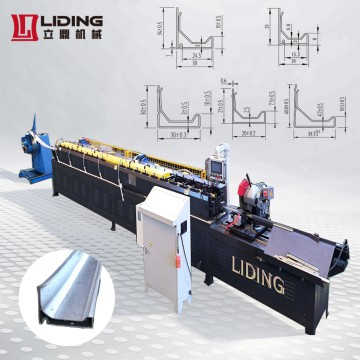
Using PLC-controlled auto duct production lines, spiral duct forming machines, and TDC/TDF flange formers, duct sections and fittings are manufactured to dimensional tolerances of ±0.5mm. Automated cut-to-length, punching, and flange-forming operations are executed in a single continuous pass, eliminating cumulative assembly errors.
All duct sections undergo dimensional verification, joint leakage testing, and material certification checks against SMACNA, EN 1505, or client-specified standards. Fire-rated assemblies receive third-party certification. Complete documentation packages are provided for building authority submissions and facilities management records.
Prefabricated duct modules arrive on-site pre-labelled and sequenced for rapid installation. Our technical support team provides remote commissioning guidance, with on-site support available in key regions. Post-installation airflow balancing and thermal performance verification are conducted to confirm design targets are achieved.
Liding's global technical support network provides 48-hour response times for operational queries, spare parts supply, and machine maintenance. Our dedicated after-sales team ensures that your duct production equipment operates at peak performance throughout its service life, protecting your investment and production continuity.
With a dedicated R&D team of over 10 engineers and 25+ years of cold-forming expertise, Liding continuously develops new duct profile capabilities, flange system innovations, and production line automation enhancements. Clients benefit from access to the latest manufacturing technology as their facility requirements evolve.
Roll forming machines operating worldwide across HVAC, logistics, and industrial facilities.
Countries served — Southeast Asia, Middle East, Europe, Russia and beyond.
Client retention rate — 85% of clients return for additional production lines.
Years of average experience among our senior cold-forming engineers.
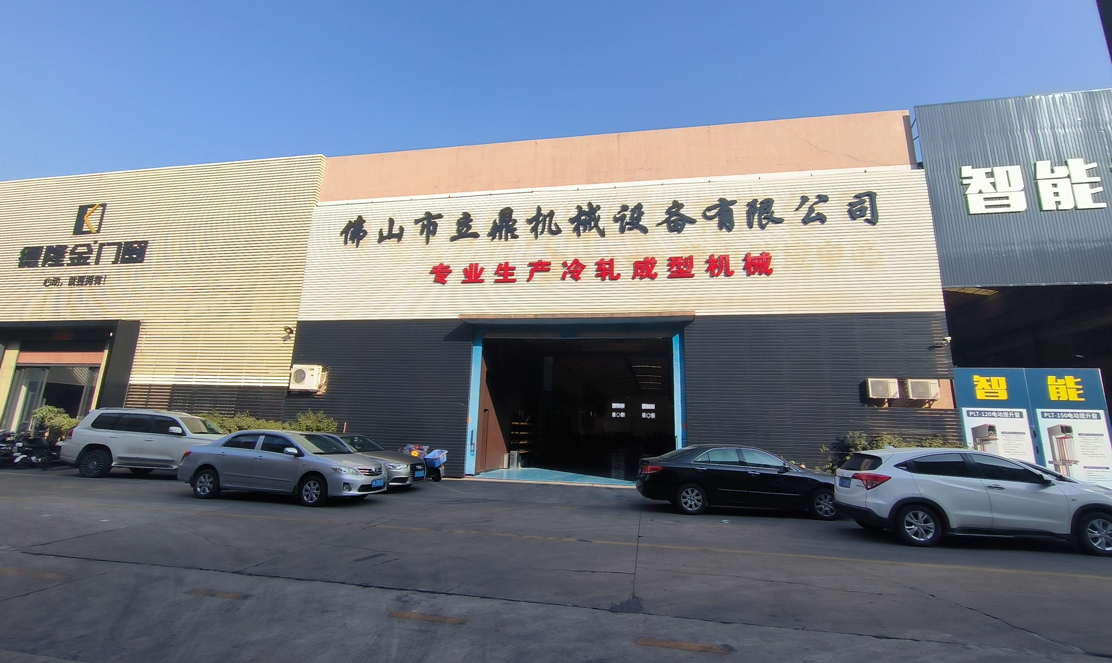
Foshan Liding Machinery Equipment Co., Ltd. was established in 2014, with a core technical team boasting over 25 years of experience in the cold-forming industry. We are a specialist manufacturer of metal roll forming equipment, dedicated to providing efficient, precise and reliable customised production line solutions for global HVAC systems, building structures, and storage equipment sectors.
We are not merely a machine supplier — we are your strategic partner in product innovation and production efficiency enhancement. Our expertise in air conditioning duct forming machinery for automated secure entry environments, commercial garages, and airport logistics docks is built on decades of real-world project experience across five continents.
25+ years of experience in cold-forming technology, with an R&D team of over 10 engineers continuously advancing duct forming capabilities for industrial and aviation applications.
Anti-seismic bracket patented technology ensures safe, reliable duct support systems in high-vibration environments such as airport logistics docks and commercial vehicle garages.
Customised on demand — a complete production line solution from blueprint to mass production, tailored to your specific duct profiles, flange systems, and facility requirements.
Quick changeover, versatile multi-profile capability — one machine platform adaptable to rectangular, spiral round, flat-oval, and custom duct profiles for diverse application scenarios.
Our manufacturing processes and equipment are certified to international quality standards, ensuring that every duct forming machine delivered meets the rigorous demands of commercial garage and airport logistics applications.
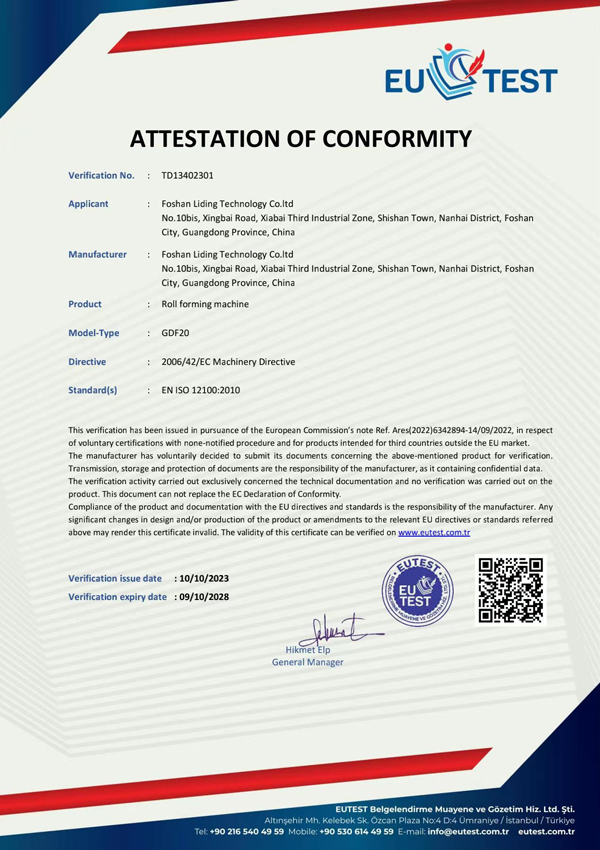

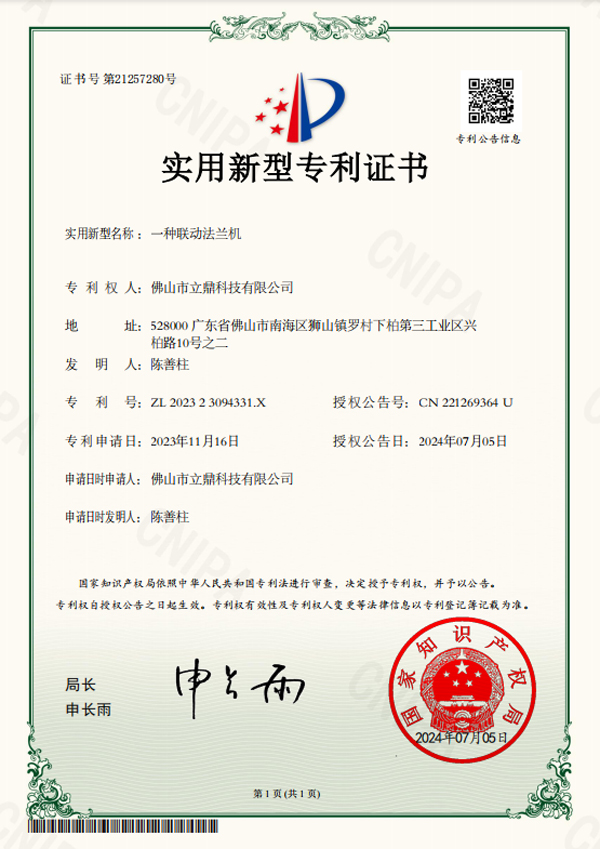
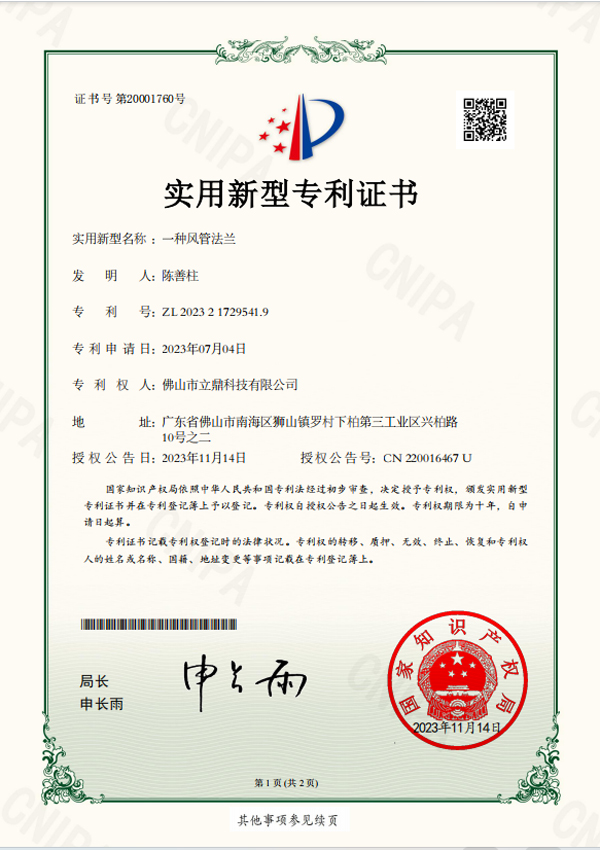
Explore our complete portfolio of precision duct forming machines — engineered for commercial garages, airport logistics docks, and all automated secure entry HVAC applications.
Whether you are equipping a new airport logistics terminal, upgrading a commercial garage HVAC system, or scaling production for automated secure entry facilities — Liding Machinery has the precision roll-forming solution you need. Contact our engineering team today for a customised consultation and production line proposal.
Get a Custom Solution →